
Transmission Basics & History: What It Is, How It Works & Who Invented It
Foundational knowledge and the history of the automatic transmission.
Topics
Explore Basics & History by Topic
33 articles across 3 sub-topics in Basics & History.
Latest in Basics & History
Recent Basics & History Articles
 What Is
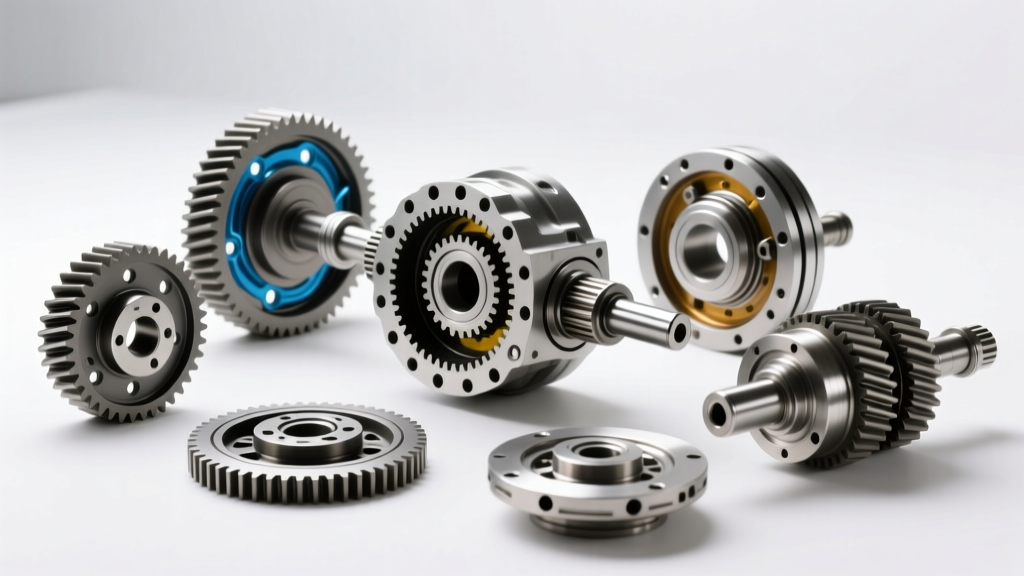
Differentiability Definition Math vs. Auto Transmission Components
Confused by the differentiability definition math term? We bridge calculus concepts with real-world transmission basic components, differentials, and specs.
 What Is
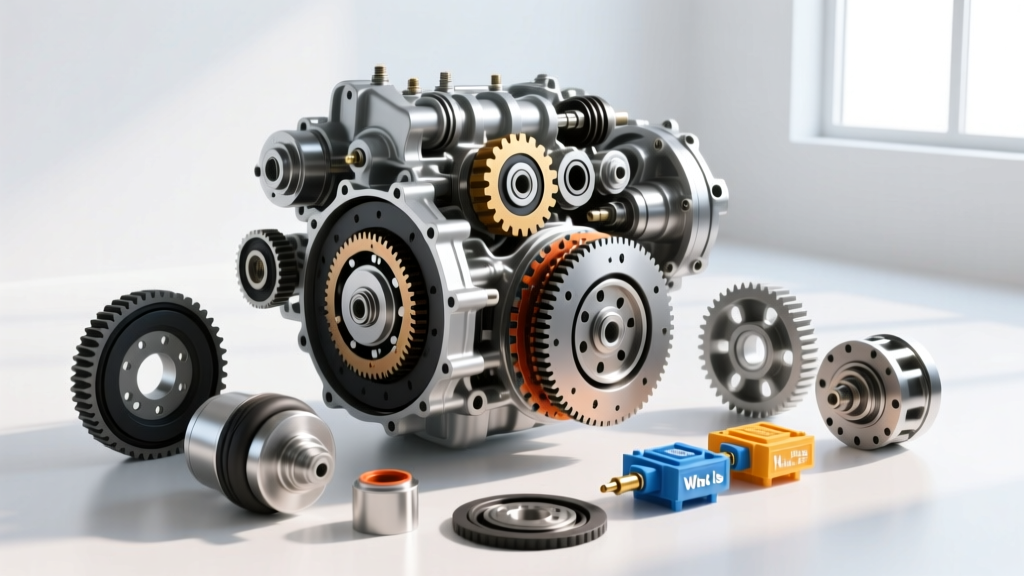
4L60E History & Repair: A Differentiability of a Function Example
Explore the 4L60E's electronic history and master PWM solenoid repairs. Learn how shift curve math dictates modern drivetrain diagnostics and rebuilds.
 What Is
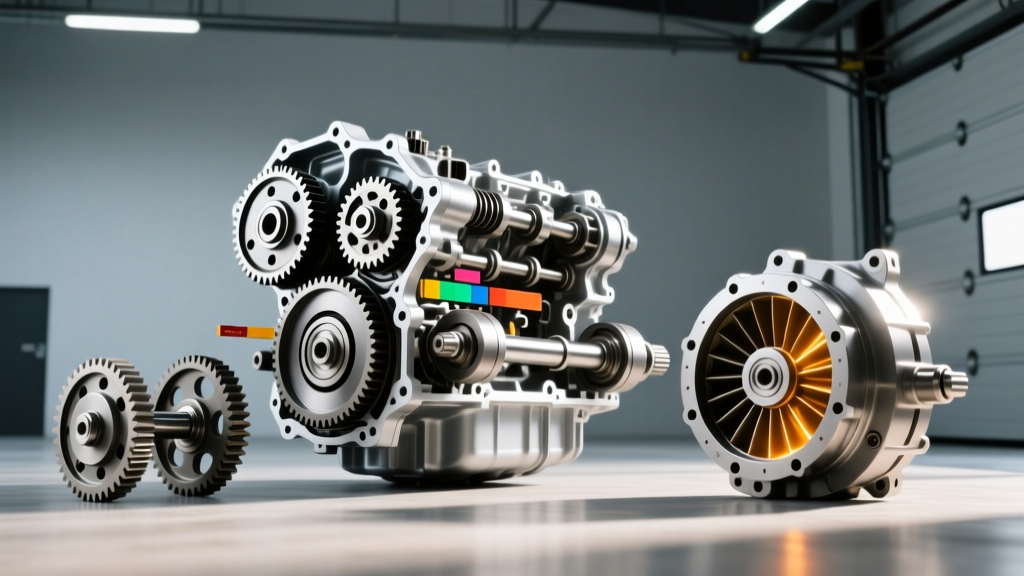
What Does Gearing Ratio Mean? Transmission Buyer's Guide
Discover what does gearing ratio mean for your vehicle. Compare transmission functions, final drive ratios, and gear setups for towing, racing, and daily use.
 What Is
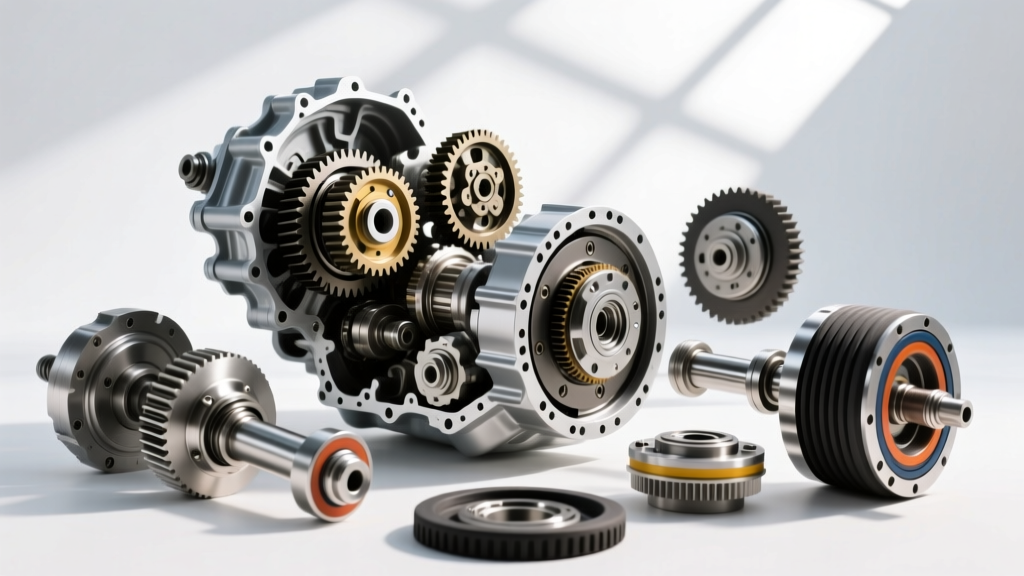
What Is a Car Transmission? Piecewise Function Differentiability
Discover what a car transmission is through TCM logic, piecewise function differentiability, and exact preventive maintenance specs for modern automatics.
 What Is
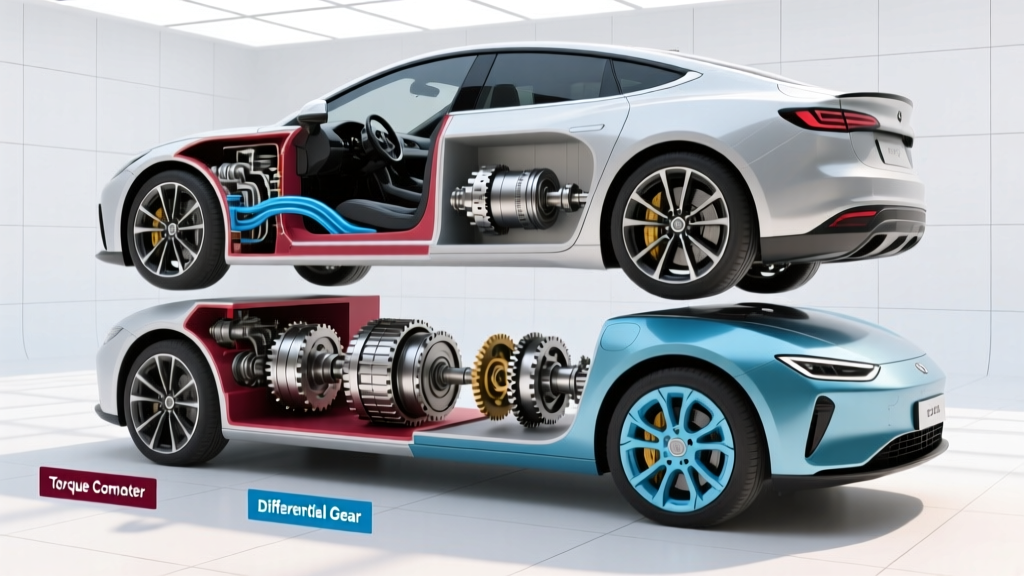
What Does a Car Transmission Look Like? Visual Diagnosis by Drivetrain
Learn what a car transmission looks like across FWD, RWD, AWD, and EV layouts. Master visual symptom diagnosis and troubleshooting for every drivetrain type.
 What Is
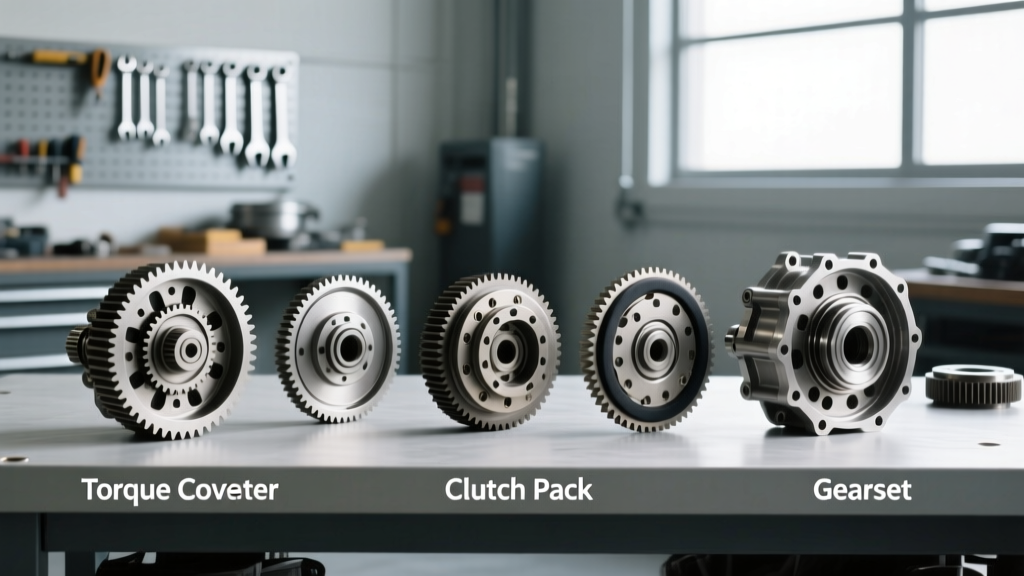
What Is a Five Speed Automatic Transmission? Evolution & Cost Analysis
Discover what a five speed automatic transmission is, its evolutionary impact, and a detailed cost breakdown for rebuilds, swaps, and maintenance.
About the Basics & History Hub
What a transmission is and does, how an automatic transmission works, and the history of its invention.
Key areas include: what is, how it works, history. Select any topic above to browse dedicated, in-depth articles - from cost guides and symptom diagnosis to step-by-step repair and rebuild walkthroughs.
Representative searches: what is a transmission, how automatic transmission works, who invented it
FAQ
Basics & History - Common Questions
What does a transmission do?
A transmission transfers engine power to the driveshaft or wheels and matches engine speed to vehicle speed through a set of gear ratios. Lower gears multiply torque for acceleration, higher gears reduce RPM for efficient cruising.
How does an automatic transmission work?
An automatic transmission uses a torque converter, planetary gearsets, and hydraulic clutches to shift gears automatically. The valve body routes fluid to engage the right gearset based on vehicle speed, load, and throttle position.
Who invented the automatic transmission?
The automatic transmission evolved through several inventors. Sturtevant built an early geared design in 1904, and GM introduced the first mass-produced automatic, the Hydra-Matic, in 1940 Oldsmobile models.