The Engineering Blueprint: What Is a Five Speed Automatic Transmission?
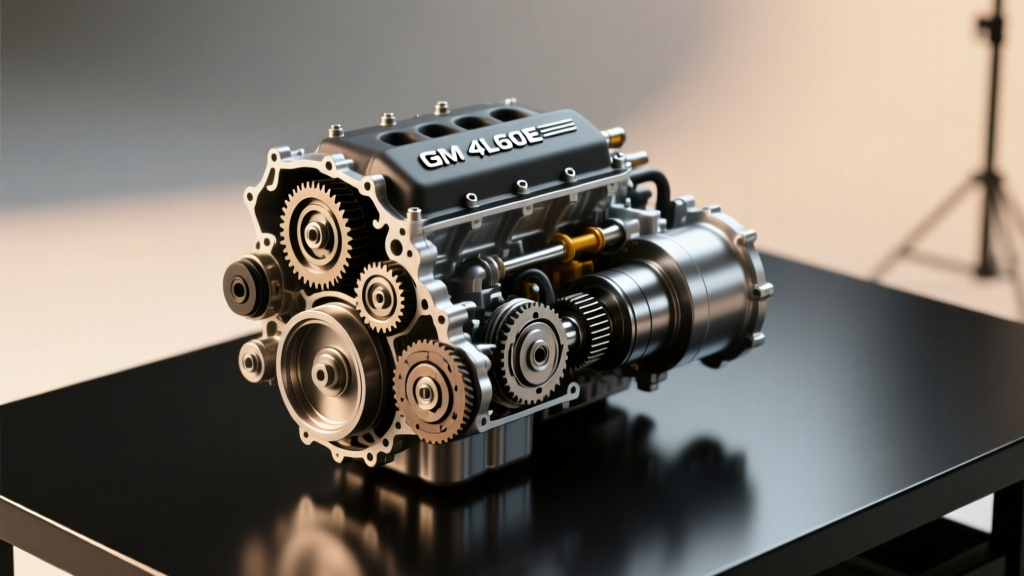
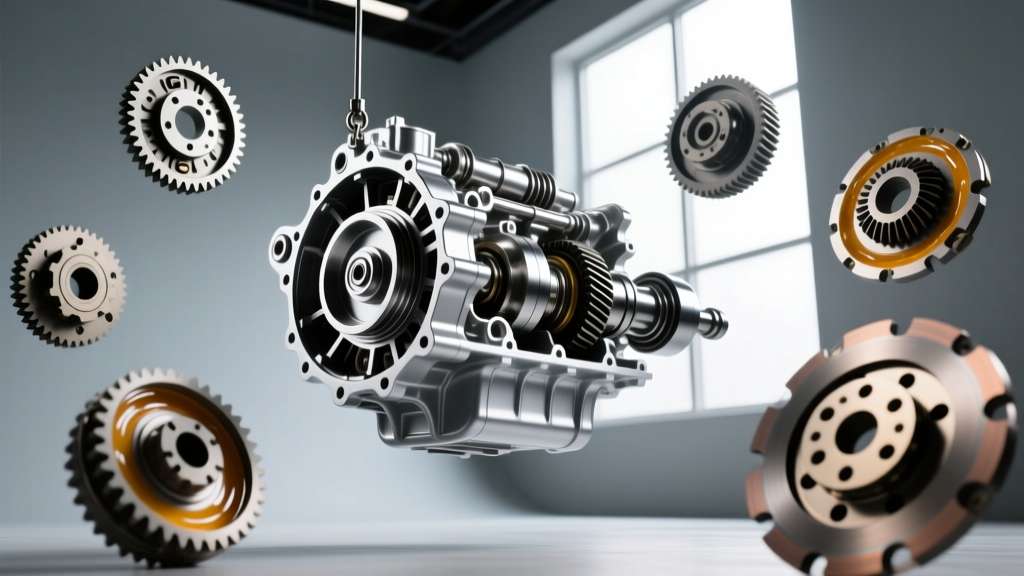
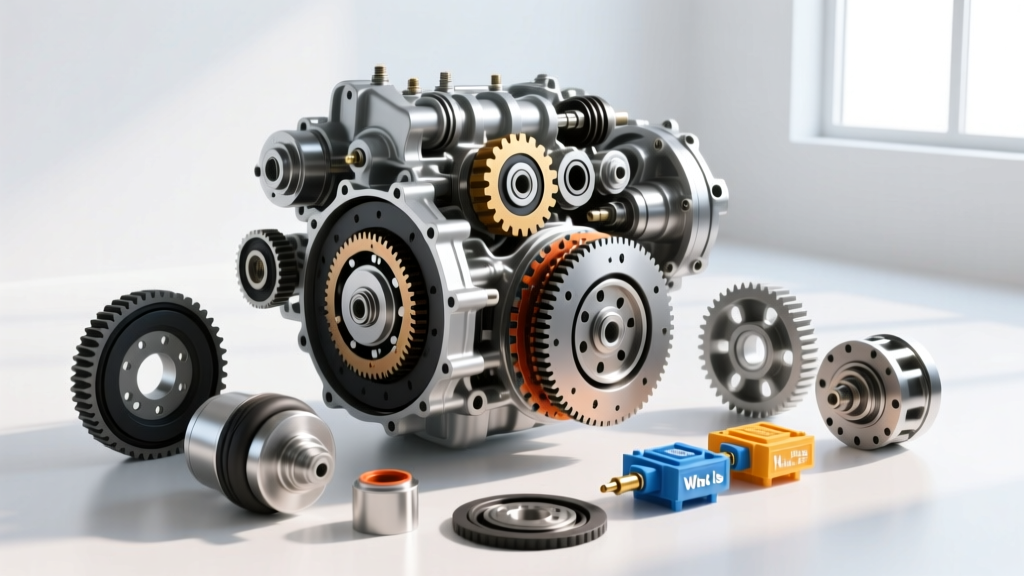
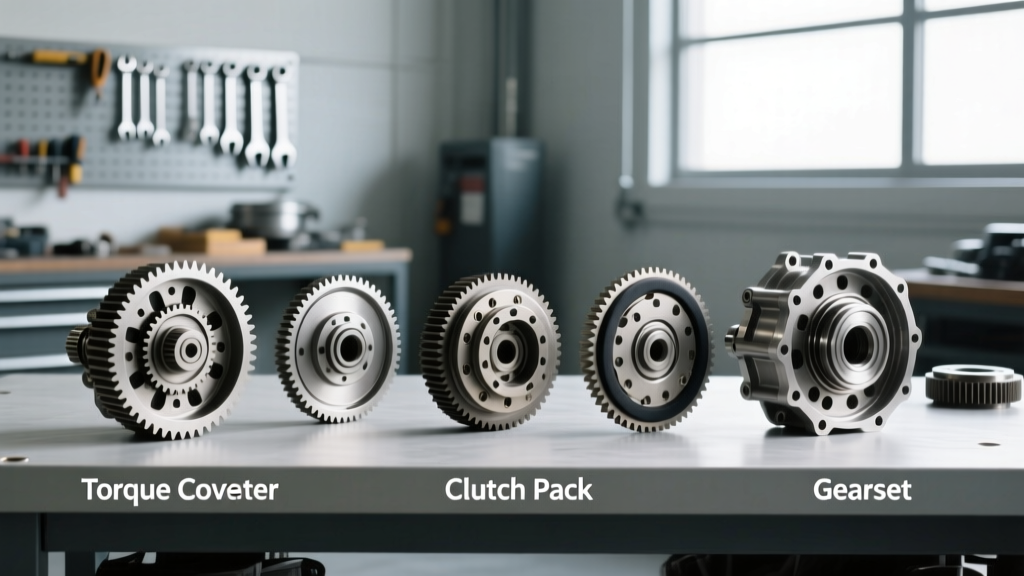
To understand the modern automotive drivetrain, we must look at the pivotal bridge between the sluggish four-speed automatics of the 1980s and the hyper-efficient 8- and 10-speed units of today. So, what is a five speed automatic transmission? Fundamentally, it is an automatic gearbox utilizing a combination of planetary gearsets (typically Simpson or Ravigneaux arrangements), multiple hydraulic clutch packs, and early electronic solenoid controls to provide five forward gear ratios and one reverse. The addition of the fifth gear—almost always an overdrive ratio ranging from 0.70:1 to 0.85:1—allowed engineers to drastically reduce engine RPM at highway speeds, yielding a 10% to 15% improvement in fuel economy over their four-speed predecessors.
From an evolutionary standpoint, the 5-speed automatic marked the industry's transition from purely hydraulic valve body governance to integrated Transmission Control Modules (TCMs). This era introduced adaptive shift strategies, torque converter lockup in multiple gears, and electronic line pressure modulation. According to historical archives from ZF Group, the introduction of the ZF 5HP24 in the mid-1990s revolutionized luxury and performance vehicles by allowing shift mapping to adapt to driver behavior in real-time.
Evolutionary Milestones: Key 5-Speed Models
The late 1990s and early 2000s were the golden era of the five-speed automatic. Several legendary platforms emerged during this time, each with unique engineering quirks that dictate their maintenance and repair costs today.
- Mercedes-Benz 722.6 (5G-Tronic): Introduced in 1995, this was a watershed moment in transmission evolution. It was the first five-speed automatic to feature torque converter lockup in all five forward gears, drastically reducing slip and heat generation. It became the backbone of Mercedes, Jaguar, and Chrysler rear-wheel-drive platforms.
- ZF 5HP24 / 5HP30: Deployed in the BMW E38/E39, Aston Martin DB7, and Jaguar XK8. These units featured a switchable shift program and a highly complex mechatronic valve body that relied on early PWM (Pulse Width Modulation) solenoids for smooth clutch engagement.
- Chrysler 545RFE: Launched in 1999 for the Jeep Grand Cherokee and Dodge Ram. Uniquely, this transmission featured two overdrive gears (4th and 5th) and utilized a dual inline filter system (a main sump filter and a return line cooler filter), setting a new standard for heavy-duty fluid filtration.
- Ford 5R55E / 5R55W: Evolved from the A4LD, these units were staples in the Ford Explorer, Ranger, and Mustang. They relied heavily on servo apply systems rather than direct clutch packing for certain gear engagements, leading to specific, well-documented wear patterns.
2026 Cost Analysis: Rebuild vs. Remanufactured vs. Junkyard
As these vehicles age into the classic and budget daily-driver segments, owners face critical financial decisions. Sourcing a replacement 5-speed automatic in 2026 requires navigating a shrinking pool of low-mileage used units and a robust aftermarket remanufacturing sector. Below is a comprehensive cost breakdown based on current North American market averages.
| Transmission Model | Junkyard Pull (Used) | Remanufactured Unit | Master Rebuild Kit | Book Labor Time (R&R) |
|---|---|---|---|---|
| Mercedes 722.6 | $650 - $1,100 | $2,400 - $3,200 | $450 - $600 | 7.5 - 9.0 Hours |
| ZF 5HP24 | $800 - $1,400 | $3,100 - $4,500 | $600 - $850 | 8.0 - 11.5 Hours |
| Chrysler 545RFE | $500 - $900 | $2,200 - $2,800 | $350 - $500 | 6.5 - 8.2 Hours |
| Ford 5R55E | $450 - $750 | $1,800 - $2,500 | $280 - $400 | 7.0 - 9.5 Hours |
*Note: Labor rates in 2026 average between $130 and $185 per hour at independent transmission specialists. Dealership rates for legacy models often exceed $210 per hour, making independent shops the economically viable choice for 5-speed servicing.
Common Failure Modes & Targeted Repair Costs
Understanding the specific failure modes of these evolutionary milestones is crucial for accurate cost forecasting. As highlighted by technical bulletins from Transmission Digest, many 5-speed failures are not catastrophic gear explosions, but rather localized hydraulic or electronic faults that can be repaired without a full teardown.
1. Ford 5R55E: Servo Bore Wear
The 5R55E utilizes aluminum servo bores for the intermediate and overdrive bands. Over 120,000 miles, the steel servo pistons wear out the soft aluminum bore, causing hydraulic pressure leaks, resulting in harsh 1-2 shifts or slipping overdrive. The Fix: Instead of replacing the entire transmission case, specialists use a Sonnax sleeve repair kit (Part #56942-01K, costing approximately $45). Dropping the valve body and installing this kit takes roughly 3.5 hours of labor, saving the owner over $2,000 compared to a full rebuild. You can source these precision components directly via Sonnax.
2. Mercedes 722.6: Conductor Plate Failure
The 722.6 relies on a conductor plate mounted directly to the top of the valve body, housing the RPM sensors (Y3/8n1 and Y3/8n2). When these sensors fail, the TCM defaults to "limp-home mode," locking the vehicle in second gear. The Fix: A replacement OEM conductor plate (Part #A2202701161) costs between $450 and $550. The repair requires dropping the transmission pan and valve body (2.5 hours labor) and performing a TCM adaptation reset using an XENTRY or high-end bi-directional scan tool.
3. ZF 5HP24: "F" Clutch Drum Failure
Early 5HP24 units (pre-2001) suffered from premature wear in the "F" clutch drum, leading to a loss of 4th and 5th gears. ZF later revised the drum material and clutch clearance specifications. A full rebuild addressing this requires an updated "F" drum, upgraded friction plates, and a revised valve body separator plate, pushing the parts cost to roughly $850.
Maintenance Realities: Fluid Capacities and Torque Specifications
The evolution of the 5-speed automatic also brought stricter fluid requirements. Using the incorrect ATF in these early electronically controlled units will rapidly degrade the friction modifiers, leading to torque converter shudder and clutch pack delamination.
- ZF 5HP24: Requires Shell M-1375.4 specification fluid (commonly sold as Castrol Transmax Z or ZF LifeguardFluid 5). Dry Fill Capacity: 9.5 Liters. Pan Bolt Torque: 10 Nm (7.4 lb-ft). The ZF pan is plastic with an integrated filter; the entire pan assembly must be replaced during a service, costing roughly $140 for the OEM kit.
- Chrysler 545RFE: Requires Mopar ATF+4. Dry Fill Capacity: 14 Quarts (13.2 Liters). Pan Bolt Torque: 11 Nm (8.1 lb-ft). Critical Note: The 545RFE has a secondary return-line filter (Part #05179267AC, ~$25) located near the cooler lines. Neglecting this secondary filter during a fluid change is a leading cause of post-service pressure faults.
- Mercedes 722.6: Requires Mercedes-Benz 236.15 specification fluid (Shell 134). Dry Fill Capacity: 8.5 Liters. Pan Bolt Torque: 8 Nm (71 lb-in). The pan is stamped steel and requires a new cork/rubber composite gasket and a new pilot bushing seal ring during every service.
The Verdict: Restomod vs. Daily Driver Economics
So, what is a five speed automatic transmission in the context of the modern 2026 automotive landscape? It is a remarkably robust, mechanically transparent piece of engineering that represents the dawn of computer-controlled shifting. For daily drivers, the cost-to-benefit ratio of repairing a 5-speed heavily favors targeted component replacements (like servo sleeves or conductor plates) over full remanufactured swaps. For restomod builders and classic truck enthusiasts, the 5-speed remains the most cost-effective gateway to highway overdrive, offering modern cruising RPMs without the exorbitant $6,000+ integration costs and proprietary CAN-bus nightmares associated with adapting modern 8-speed ZF or 10-speed Ford/GM transmissions.