Clarifying Terminology: CVT Pivots vs. Transaxle Forks
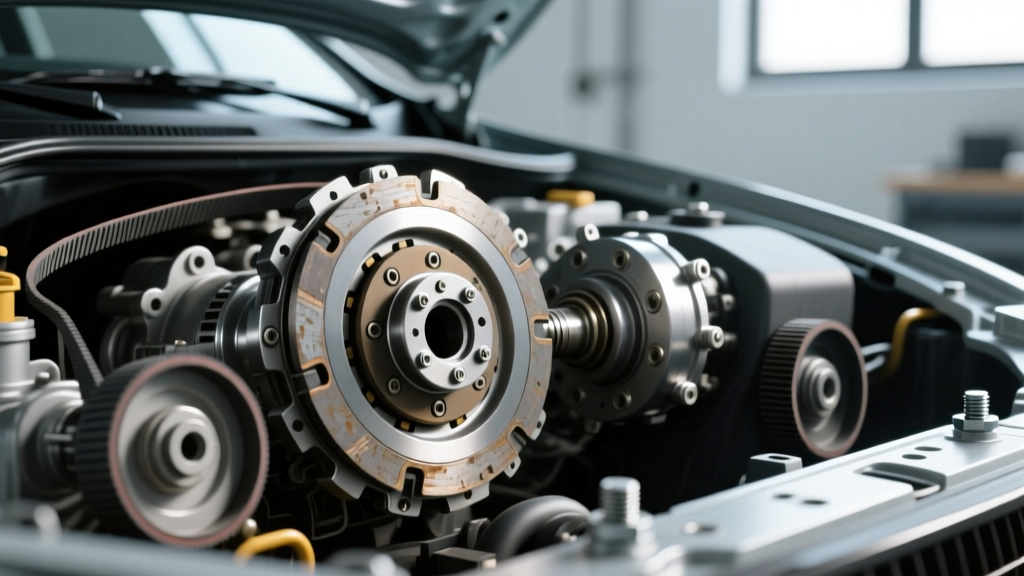
When diagnosing drivetrain noise, hesitation, or gear engagement problems, mechanics and owners frequently search for solutions regarding the clutch yamaha golf cart assembly. However, to apply true expert-level diagnostics, we must first clarify a common terminology overlap in the Yamaha golf cart and utility vehicle ecosystem. Standard Yamaha golf carts—such as the G29 (Drive), Drive2 (QuieTech), and Adventure Sport models—utilize a Continuously Variable Transmission (CVT). In these CVT systems, there is no traditional 'clutch fork.' Instead, the secondary (driven) clutch relies on a sliding sheave actuated by pivot pins and slider buttons that ride inside a helix cam.
Conversely, Yamaha utility work carts (like the G14/G19 UTV configurations) and older manual-shift transaxle models utilize actual clutch shift forks and pivot balls to engage dog gears. Misidentifying these components leads to misdiagnosis, unnecessary parts ordering, and prolonged downtime. In this comprehensive 2026 diagnostic guide, we will break down the exact failure modes, measurement specifications, and repair best practices for both the CVT pivot mechanisms and the manual transaxle shift forks found across the Yamaha fleet.
Diagnosing CVT Secondary Clutch Pivot Wear (G29 / Drive Models)
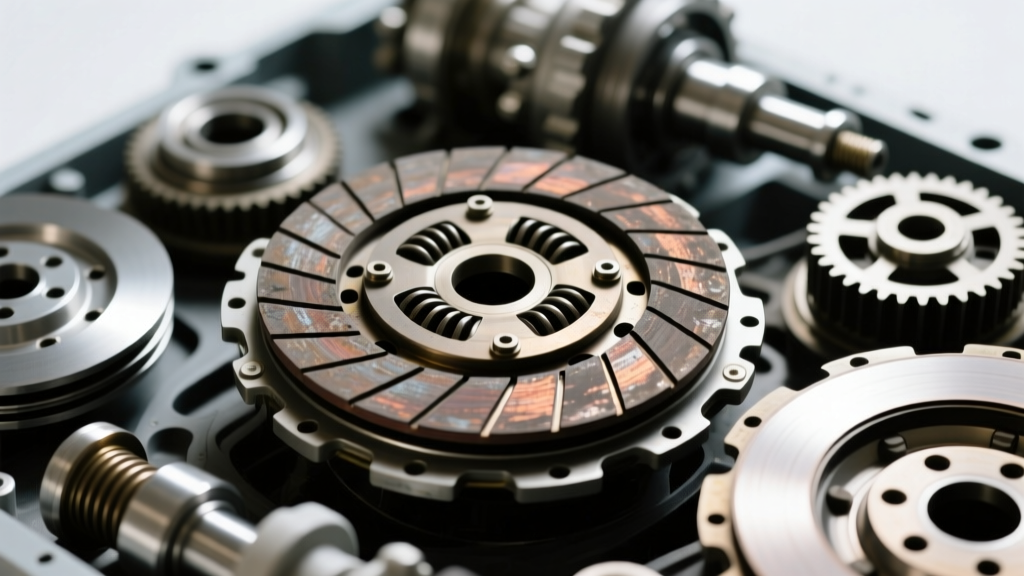
The most common 'pivot' issue on modern Yamaha gas and EFI golf carts occurs inside the secondary driven clutch. The sliding sheave is forced outward by a heavy torsion spring, but its rotational movement is dictated by three slider buttons (pivot pins) that track through the machined ramps of the helix cam. Over thousands of cycles, these pivot points wear, leading to severe drivability symptoms.
Symptoms of CVT Pivot Button Failure
- Low-End Hesitation and Belt Slip: As the pivot buttons wear, the sliding sheave develops lateral play. This prevents the clutch faces from clamping the drive belt evenly at low RPMs, resulting in a burnt belt smell and glazing.
- Deceleration Clunking: When you lift off the throttle, the secondary clutch must backshift rapidly. Worn pivot pins cause the sheave to bind and then snap back into the low-gear position, creating a violent 'clunk' from the rear transaxle.
- Erratic Top Speed: The helix cam relies on precise pivot tracking to achieve full overdrive compression. Worn buttons limit the sheave's outward travel, robbing the cart of 2-4 MPH at wide-open throttle.
Inspection Specifications and Wear Limits
Remove the secondary clutch from the transaxle input shaft using a 17mm socket on the center retaining bolt. Disassemble the clutch using a secondary clutch compression tool to safely relieve the torsion spring tension. Extract the three slider buttons (Yamaha OEM Part #JW1-46294-00). Measure the button thickness with a digital micrometer.
Expert Spec: A new Yamaha pivot slider button measures exactly 0.492 inches (12.5mm) in diameter. If your buttons measure below 0.475 inches, or if you can feel a 'step' or ridge worn into the side of the button, they must be replaced. Furthermore, inspect the helix cam grooves. If the aluminum grooves exhibit deep scoring exceeding 0.020 inches, the entire helix assembly (or the complete secondary clutch) requires replacement.
Transaxle Shift Fork and Pivot Ball Failures (Utility / Manual Models)
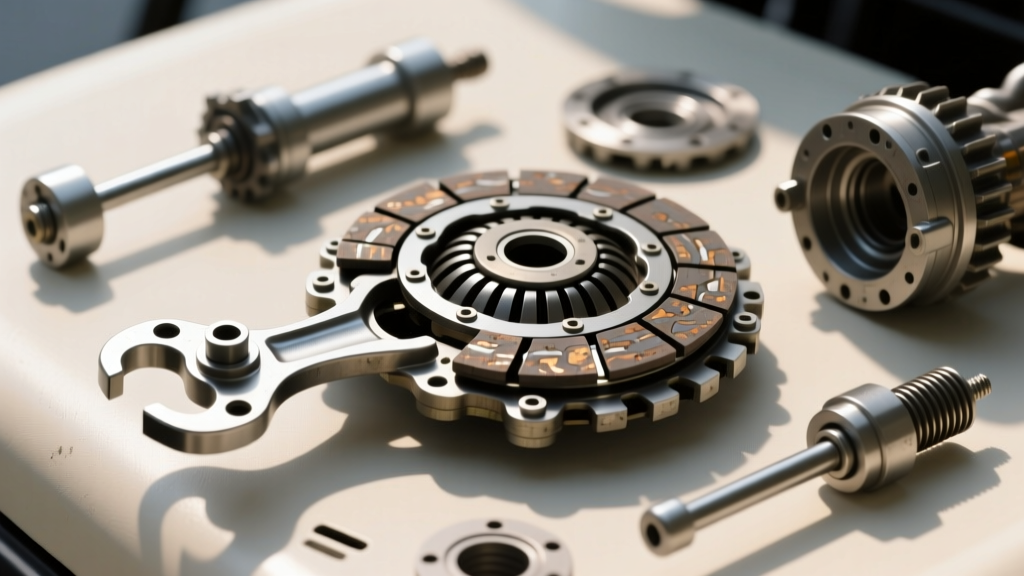
For Yamaha utility vehicles and older manual transaxles equipped with a traditional gear selector, the clutch fork (more accurately termed the shift fork) and its associated pivot ball are critical for positive gear engagement. These forks straddle the shift collars, sliding them along the main shaft to lock the selected gear.
Identifying Shift Fork and Pivot Wear
When the shift fork pads wear down, or the pivot ball/shaft becomes galled, the fork cannot push the shift collar fully into engagement. This results in the cart 'popping out' of gear under heavy load or deceleration. You may also experience a grinding noise when attempting to select reverse, as the collar only partially engages the reverse idler gear.
Measurement and Tolerance Data
Upon dropping the transaxle pan and removing the shift drum assembly, measure the thickness of the shift fork pads where they contact the shift collar groove.
- New Fork Pad Thickness: 0.240 inches
- Maximum Wear Limit: 0.225 inches (Replace if below this threshold)
- Shift Collar Groove Clearance: The gap between the fork pad and the collar groove should not exceed 0.025 inches. Excessive clearance causes delayed engagement and gear clash.
- Pivot Ball Detent Spring Tension: The spring pushing the detent plunger into the shift drum must exert 12-15 lbs of pressure. A fatigued spring will allow the transaxle to jump out of gear on inclines.
Comparative Diagnostic Matrix
Use the following matrix to quickly isolate whether your drivetrain complaint stems from the CVT pivot assembly or the mechanical transaxle shift fork.
| Symptom | Likely Culprit | Measurement / Spec Limit | OEM Part Reference |
|---|---|---|---|
| Belt slip at takeoff, burnt rubber smell | CVT Secondary Pivot Buttons | Button diameter < 0.475' | JW1-46294-00 |
| Violent clunk on deceleration | CVT Helix Cam / Pivot Binding | Groove scoring > 0.020' | JW1-46250-11 (Helix) |
| Popping out of forward/reverse gear | Transaxle Shift Fork Wear | Fork pad thickness < 0.215' | JW1-47311-00 (Fork) |
| Grinding when selecting gear | Shift Fork Pivot Ball / Detent | Detent spring tension < 10 lbs | 90280-05004 (Pin) |
Step-by-Step Teardown and Torque Specifications
Proper reassembly torque is just as critical as the diagnosis. Incorrect torque on the CVT center bolt will lead to the clutch shearing off the input shaft at high RPM, causing catastrophic transaxle case damage.
CVT Secondary Clutch Reassembly
- Clean the sliding sheave bore and the main shaft with brake cleaner. Ensure zero oil residue is present.
- Apply a thin layer of Yamaha Yamalube Molybdenum Disulfide (Moly) Grease to the pivot buttons and the helix cam ramps. Never use standard lithium chassis grease; it lacks the shear stability required for CVT friction points and will sling onto the drive belt, causing immediate slip.
- Align the sliding sheave with the torsion spring. Pre-load the spring according to your specific model's service manual (typically 35-45 lbs of rotational preload for G29/Drive models).
- Install the center retaining bolt with a single drop of Blue Loctite 242. Torque to 47 ft-lbs (64 Nm).
Transaxle Shift Fork Installation
- Lubricate the shift fork pivot shaft with 80W-90 gear oil.
- Ensure the shift fork pads are perfectly centered in the shift collar groove before tightening the pinch bolt.
- Tighten the shift fork pivot pinch bolt to 18 ft-lbs (24 Nm). Over-torquing will warp the fork, creating a permanent bind on the shift collar.
2026 Cost Breakdown: OEM vs. Aftermarket Solutions
When sourcing parts for your Yamaha golf cart clutch repair, balancing OEM reliability with aftermarket performance upgrades is key. Below is the current market pricing landscape for 2026.
- OEM Pivot Slider Buttons: $12 - $18 each (Requires 3). Total job cost is under $60 if the helix is undamaged.
- Aftermarket Billet Secondary Clutch: If your OEM cast aluminum helix is heavily scored, upgrading to a billet aluminum secondary clutch from manufacturers like Dalton or Comet ranges from $380 to $475. These units feature replaceable steel helix inserts and hardened pivot pins, effectively eliminating future wear.
- OEM Transaxle Shift Fork: $45 - $85 depending on the specific G-series transaxle model.
- Specialty Tools: A universal 3-jaw CVT puller costs roughly $35, while the OEM Yamaha secondary clutch compression tool (YM-33223 equivalent) runs about $65. Do not attempt to compress the secondary spring with makeshift clamps; the stored kinetic energy can cause severe injury.
Preventative Maintenance Best Practices
To maximize the lifespan of your CVT pivot components and transaxle shift mechanisms, implement the following maintenance protocols. First, always verify your drive belt deflection. With the belt installed and the engine off, apply 2.2 lbs of downward pressure on the top span of the belt between the primary and secondary clutches. The deflection should measure between 1.25 and 1.50 inches. A belt that is too tight will force the secondary pivot pins to bind constantly against the helix ramps, accelerating wear by up to 40%.
Secondly, maintain the CVT cooling system. The Yamaha Drive and G29 models utilize a cooling fan integrated into the primary clutch. If the primary clutch faceplate becomes clogged with grass clippings and dust, internal CVT temperatures will exceed 220°F. This extreme heat breaks down the Moly grease on the secondary pivot buttons, leading to dry metal-on-metal scoring. Blow out the CVT housing with compressed air every 100 hours of operation, and ensure the intake snorkel filter is clean and properly seated to prevent abrasive silica dust from entering the drivetrain enclosure.
For more in-depth community teardowns and transaxle schematics, reference the extensive archives at Buggies Gone Wild Yamaha Forums. Additionally, always cross-reference your specific chassis serial number with the/p>