The Hidden Enemy of Manual Transmissions: Heat
Every time you press the clutch pedal to shift gears in a manual transmission, you are witnessing a controlled energy transfer. The friction between the clutch disc, the flywheel, and the pressure plate generates an immense amount of thermal energy. In heavy stop-and-go traffic, or during aggressive track launches, surface temperatures on the friction material can easily exceed 700°F (370°C). If this heat is not managed, it leads to clutch fade, warped flywheels, and ultimately, catastrophic component failure.
For beginners stepping into the world of drivetrain maintenance, understanding thermal management is just as critical as understanding gear ratios. In this guide, we will break down the mechanics of clutch cooling, explore the different pressure plate types available on the market, and provide actionable selection advice for your specific build.
So, What Cools the Clutch Disc?
When automotive students and DIY mechanics first ask, what cools the clutch disc, they often assume there is a dedicated fluid cooling line or an external fan blowing directly onto the friction surfaces. In reality, the clutch assembly is housed inside a relatively sealed bellhousing. Cooling relies entirely on two principles of thermodynamics: conduction and convection.
- Conduction: Heat transfers from the friction material of the clutch disc directly into the massive cast-iron or steel flywheel, and outward into the pressure plate's heavy metal cover. The flywheel acts as a giant heat sink, absorbing thermal spikes.
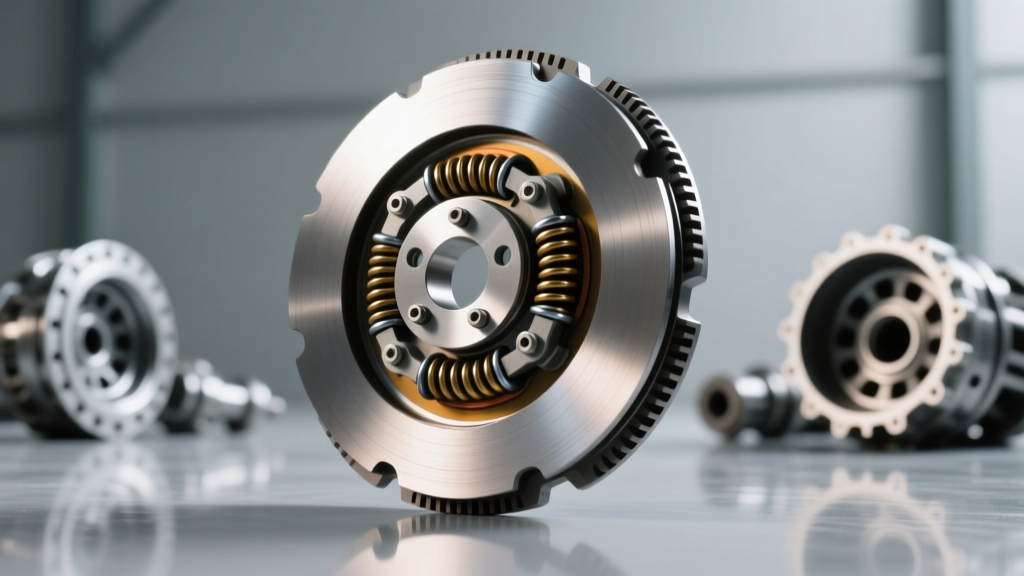
- Convection: This is where the pressure plate design becomes the star of the show. As the engine spins, the pressure plate cover rotates at engine RPM. Modern pressure plates are engineered with ventilation slots and angled spring fingers that act like a centrifugal fan. This design pulls cooler ambient air from the center of the transmission bellhousing and pushes it outward across the friction surfaces, dissipating heat into the bellhousing walls.
According to technical documentation from Schaeffler's REPxpert portal, the airflow generated by the pressure plate's diaphragm spring fingers is the primary mechanism for convective cooling in standard manual transmissions. Without this centrifugal pumping action, the clutch disc would rapidly overheat during minor slip events.
Pressure Plate Types: How Design Dictates Cooling
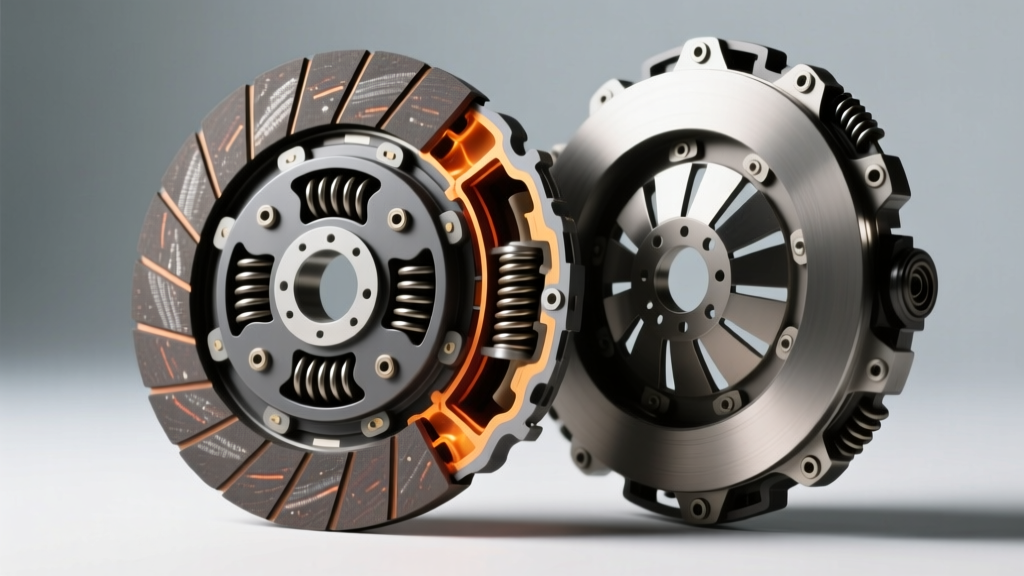
The pressure plate does more than just clamp the disc against the flywheel; its physical architecture dictates how well the system breathes. Let's look at the two primary designs you will encounter when shopping for a clutch kit.
1. The Diaphragm Pressure Plate (Modern Standard)
Introduced widely in the mid-20th century, the diaphragm pressure plate uses a single, large conical spring with multiple fingers extending from the center. These fingers (usually 18 to 24 on a standard 11-inch passenger car clutch) serve a dual purpose: they provide the leverage point for the throwout bearing to disengage the clutch, and they act as fan blades to pull air across the clutch disc. Diaphragm plates offer lighter pedal effort, smoother engagement, and superior convective cooling, making them the undisputed choice for 99% of street and light-track applications.
2. The Multi-Finger / Borg & Beck Style (Vintage & Heavy Duty)
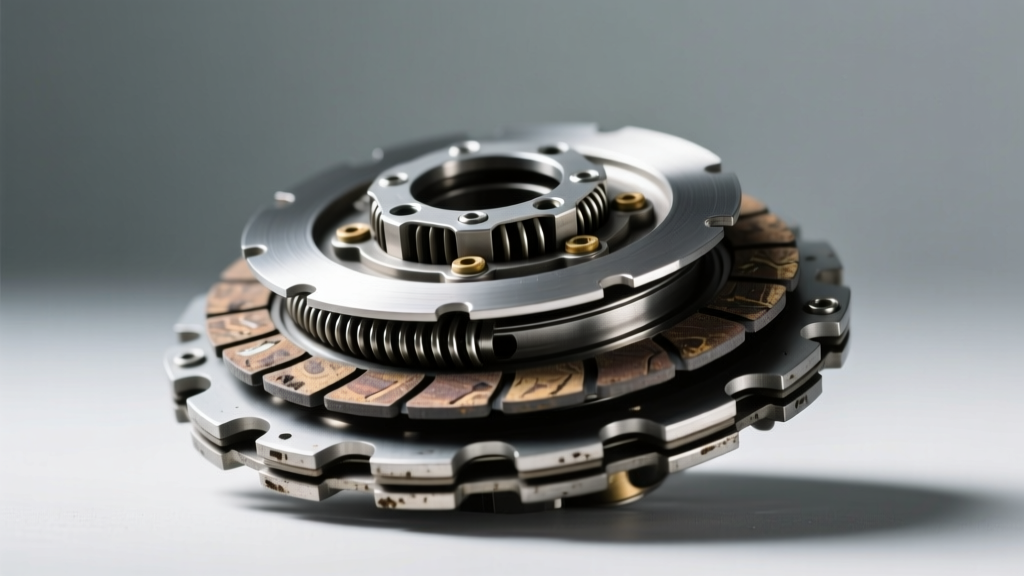
Often confused with the diaphragm, the traditional Borg & Beck design uses three to six heavy, distinct coil springs and separate release fingers. While incredibly robust and capable of holding massive clamping loads (often seen in heavy-duty trucks or vintage drag racing), the multi-finger design creates significant aerodynamic drag and disrupts airflow. Consequently, they run much hotter and require heavier pedal effort. They are rarely recommended for modern daily drivers.
3. Centrifugal Weight Pressure Plates (Performance)
For high-horsepower applications, manufacturers like Exedy and Sachs integrate centrifugal weights into the diaphragm spring assembly. As engine RPM increases, the weights pull outward, effectively multiplying the clamping force on the clutch disc without requiring a stiffer pedal at low speeds. However, these weights take up physical space inside the cover, which can slightly reduce the internal air volume available for cooling.
| Design Type | Spring Architecture | Airflow / Cooling Efficiency | Pedal Effort | Best Application |
|---|---|---|---|---|
| Standard Diaphragm | Single conical spring, 18-24 fingers | Excellent (High centrifugal pumping) | Light to Moderate | Daily Driving, Street Performance |
| Multi-Finger (Borg & Beck) | Multiple coil springs, 3-6 levers | Poor (Disrupts airflow) | Very Heavy | Vintage Restorations, Heavy Towing |
| Centrifugal Assist | Diaphragm with weighted levers | Good (Slightly reduced by weights) | Progressive (Light at low RPM) | Track Cars, High-HP Street/Strip |
Beginner’s Guide to Selecting the Right Pressure Plate
Selecting the correct pressure plate requires balancing clamping force, thermal capacity, and drivability. Here are three real-world examples tailored to different use cases, complete with current market pricing and part numbers.
The Daily Driver: LuK RepSet (GM LS1 / Tremec T56)
If you are replacing a worn clutch in a daily-driven Chevrolet Camaro or Corvette equipped with a Tremec T56 6-speed, the LuK RepSet (Part #04-169-1) is the gold standard. Priced around $185, this OEM-style diaphragm pressure plate provides factory-spec clamping force and optimal airflow for stop-and-go traffic. LuK's 18-finger diaphragm design ensures the clutch disc stays cool during routine commuting.
The Street/Strip Enthusiast: Exedy Stage 1 Organic
For a modified Ford Mustang GT (5.0L Coyote engine, MT-82 transmission) making around 450 horsepower, the Exedy Stage 1 Organic (Part #FM09SD) is an excellent upgrade. Costing approximately $260, it features a high-nodular cast iron cover plate for better heat dissipation and a slightly higher clamp load. The organic friction material is forgiving, and the pressure plate's ventilation slots are optimized for high-RPM cooling during hard launches.
The Dedicated Track Car: Sachs Performance
For dedicated track use where heat soak is a constant threat, the Sachs Performance Pressure Plate (Part #8830820009) (priced around $340) utilizes a reinforced diaphragm spring and high-grade alloy steel cover. While it sacrifices a bit of low-speed drivability, its thermal mass and structural rigidity prevent the cover from expanding ("ballooning") under extreme centrifugal forces at 7,000+ RPM, ensuring consistent pedal feel and continuous cooling airflow.
Crucial Installation Specs: Torque and Flywheel Mating
Even the most advanced, thermally efficient pressure plate will fail prematurely if installed incorrectly. The mating surface between the pressure plate and the flywheel must be perfectly flush to ensure even heat conduction. Always have your flywheel resurfaced or replaced when installing a new clutch kit.
When bolting the pressure plate to the flywheel, you must use a crisscross (star) pattern to draw the cover down evenly. Warping the cover during installation will permanently alter the diaphragm spring geometry, ruining its ability to act as a cooling fan. Below are the factory torque specifications for two of the most popular manual transmission platforms:
- GM LS-Series (M10x1.5 Flywheel Bolts): Torque to 25 Nm (18 lb-ft), then use an angle gauge to turn each bolt an additional 50 degrees. Always use new TTY (Torque-To-Yield) bolts.
- Ford 5.0L Coyote (M8 Flywheel Bolts): Torque to 22 lb-ft, then turn an additional 90 degrees. Apply a medium-strength threadlocker (like Loctite 243) to the threads before installation.
Expert Tip: Never use an impact wrench to draw down a pressure plate. The sudden shock loads can warp the thin steel cover plate, creating microscopic gaps between the pressure plate and the flywheel. These gaps act as thermal insulators, preventing the flywheel from absorbing heat from the clutch disc and accelerating friction material degradation.
Final Thoughts
Understanding what cools the clutch disc fundamentally changes how you approach drivetrain modifications. The pressure plate is not merely a clamping device; it is a vital thermal management component. By selecting a high-quality diaphragm-style pressure plate from reputable manufacturers like LuK, Exedy, or Sachs, and adhering to strict installation torque specs, you ensure that your manual transmission remains cool, responsive, and reliable for thousands of miles. For further technical reading on clutch dynamics and transmission pairing, consult the engineering guides available on Exedy's official technical portal.