Introduction: Ordering from the Drivetrain Menu
For a beginner, browsing through high-performance catalogs from brands like Centerforce or McLeod can feel exactly like trying to decipher a trendy clutch kitchen & pour house menu. You are bombarded with exotic terminology—'centrifugal assist,' 'nodular iron,' 'Belleville springs,' and 'finger-style'—and ordering the wrong combination for your vehicle's horsepower will leave a bad taste in your mouth, or worse, a shattered drivetrain. The pressure plate is the unsung hero of your manual transmission; it is the bouncer that dictates how much engine torque actually makes it to the transmission input shaft.
In 2026, with modern turbocharged four-cylinders pushing 400 lb-ft of torque and classic V8 swaps routinely exceeding 800 horsepower, selecting the correct pressure plate type is more critical than ever. This beginner-friendly explainer will break down the 'menu' of pressure plate designs, helping you match the right hardware to your specific driving style, torque output, and transmission setup.
The Core 'Menu' Options: Pressure Plate Types
At a fundamental level, all pressure plates share the same goal: clamping the friction disc against the flywheel. However, the mechanical method used to achieve this clamping force varies wildly. Here are the three primary types you will encounter.
1. Diaphragm (Belleville) Style: The Daily Driver Standard
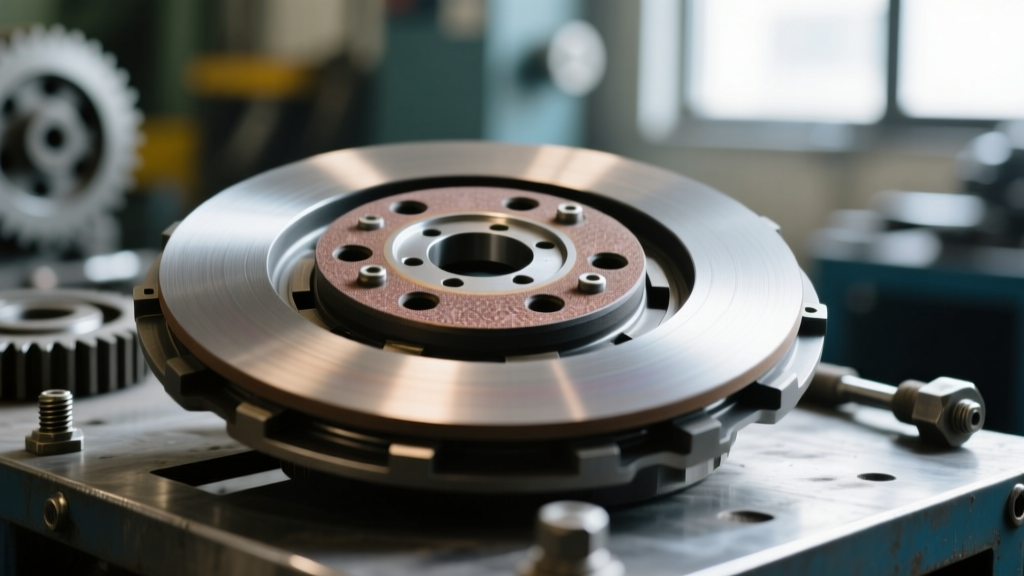
The diaphragm pressure plate uses a single, large conical spring known as a Belleville spring. When you press the clutch pedal, the release bearing pushes against the inner 'fingers' of this spring. Because of the fulcrum effect, a small movement at the bearing translates to a large movement at the outer edge, pulling the pressure plate away from the disc.
- Pros: Extremely smooth engagement, light pedal effort, and excellent durability for street use. The spring design naturally absorbs minor drivetrain harmonics.
- Cons: At very high RPMs (typically above 6,500 RPM), centrifugal force can pull the diaphragm fingers outward, inadvertently reducing clamp load and causing high-RPM slip.
- Best For: Daily drivers, weekend cruisers, and mild performance builds up to 500 wheel horsepower.
2. Finger (Multi-Spring) Style: The Vintage & Track Choice
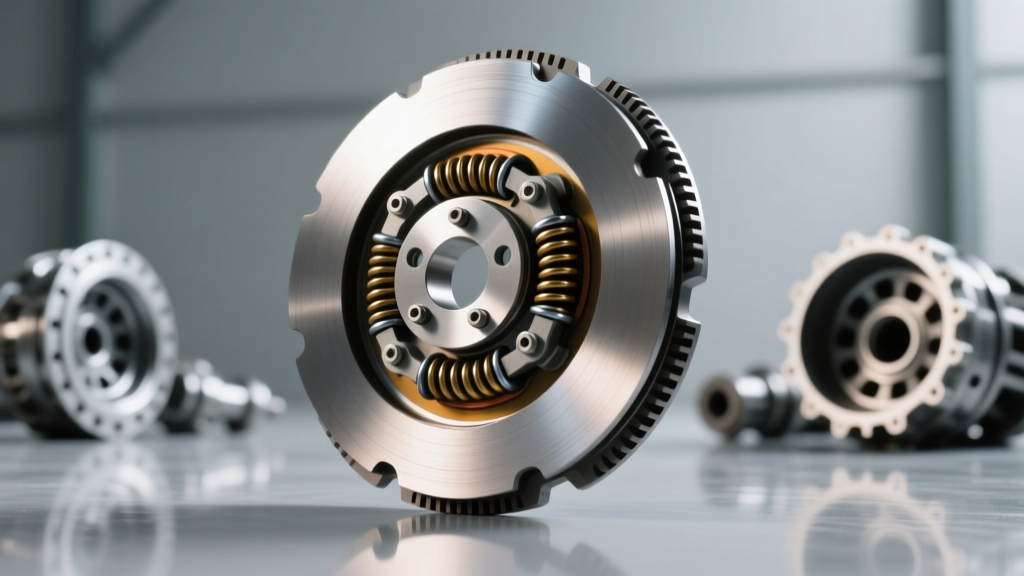
Often referred to as the Borg & Beck style, this design utilizes 18 to 24 individual coil springs arranged in a circle around the perimeter of the pressure plate. Instead of a single conical spring, multiple levers (fingers) are used to disengage the clutch.
- Pros: Massive static clamp load that remains completely consistent regardless of engine RPM. There is no centrifugal fade.
- Cons: Very heavy pedal effort (often requiring aftermarket hydraulic throwout bearings or dual-diaphragm master cylinders) and an abrupt, on/off engagement that can cause severe tire shock and drivetrain chatter on the street.
- Best For: Dedicated drag racing, vintage restorations, and high-RPM naturally aspirated track cars.
3. Centrifugal Assist: The Modern High-HP Compromise
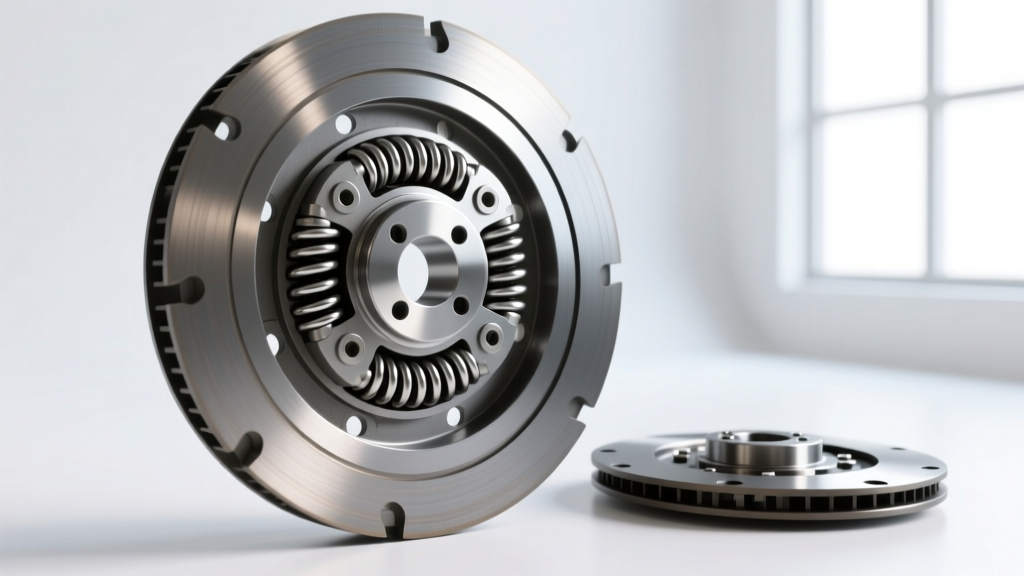
This is a highly engineered evolution of the diaphragm style. Brands like Centerforce pioneered this by adding small lead or tungsten weights to the tips of the diaphragm fingers. As engine RPM increases, centrifugal force throws these weights outward, which mechanically pulls the pressure plate tighter against the disc.
- Pros: Offers the light pedal effort of a diaphragm clutch at low RPMs for easy street driving, but dynamically increases clamp load at high RPMs to prevent slip under massive boost or nitrous.
- Cons: Higher cost, and the dynamic clamp load can sometimes make the clutch feel slightly 'grabby' near the redline if not paired with the correct friction material.
- Best For: High-horsepower street/strip cars, boosted applications (700+ HP), and restomods that see both highway and track duty.
Comparing the Options: A Data-Driven Breakdown
To help you visualize the differences, here is a comparison chart of the three main pressure plate types, including average 2026 market pricing and clamp load characteristics.
| Pressure Plate Type | Spring Mechanism | Pedal Effort | High-RPM Clamp Load | Best Application | Avg. Price Range |
|---|---|---|---|---|---|
| Diaphragm | Single Belleville | Light (Stock to +15%) | Decreases (Fade) | Daily / Mild Street | $180 - $350 |
| Finger (Borg & Beck) | Multiple Coil Springs | Heavy (+40% to +80%) | Static / Consistent | Dedicated Race / Drag | $250 - $500 |
| Centrifugal Assist | Belleville + Weights | Moderate (+20% to +30%) | Increases (Assist) | High-HP Street / Boosted | $400 - $750 |
Decoding the Specs: Clamp Load vs. Torque Capacity
A common beginner mistake is assuming that 'more clamp load is always better.' This is false. Excessive clamp load on a street car will lead to premature release bearing failure, bent clutch forks, and a fatigued left leg. You must match the pressure plate's torque capacity to your engine's actual output.
As a general rule of thumb, a standard organic friction disc requires about 7 to 9 lbs of clamp load per 1 lb-ft of engine torque. For example, if your modified 5.0L Coyote Mustang produces 450 lb-ft of torque, you need a pressure plate and disc combination rated for at least 3,150 to 4,050 lbs of clamp load. A popular choice for this application is the Centerforce DY335052 (Dual Friction kit), which utilizes a centrifugal assist diaphragm to provide roughly 3,800 lbs of dynamic clamp load while maintaining near-stock pedal feel.
For deeper technical specifications and torque rating charts, consulting manufacturer resources like the McLeod Racing technical library or the Centerforce application guides is highly recommended before making a purchase.
Matching the Flywheel and Transmission
Your pressure plate does not exist in a vacuum; it must perfectly mate with your flywheel and transmission input shaft. Here are the critical compatibility checks you must perform:
Flywheel Mating Surface: Flat vs. Stepped
Many GM LS and LT engines utilize a 'stepped' flywheel, where the friction surface is slightly raised relative to the mounting flange. If you mount a pressure plate designed for a flat flywheel onto a stepped flywheel, the clutch will not fully engage, resulting in catastrophic slip. Conversely, putting a stepped pressure plate on a flat flywheel will cause the disc to be crushed, preventing disengagement. Always verify the flywheel step height (usually between 0.020' and 0.040') with a machinist straightedge and feeler gauge before installation.
Transmission Input Shaft Splines
The pressure plate must accommodate the correct disc spline count. If you are upgrading an older muscle car from a standard T10 4-speed (10-spline) to a modern Tremec T56 Magnum (26-spline), you must ensure your new pressure plate kit includes a 26-spline alignment tool and matching disc. Forcing a mismatched spline will destroy the input shaft upon first engagement.
Real-World Installation: Torque Specs and Best Practices
Even the most expensive billet-steel pressure plate will fail if installed incorrectly. When bolting your selected pressure plate to the flywheel, follow these strict E-E-A-T verified procedures:
- Flywheel Prep: The flywheel mating surface must be surgically clean. Use acetone, not brake cleaner, as brake cleaner leaves a microscopic oily residue that will cause immediate clutch chatter.
- Pressure Plate Bolts: Most standard 10.5-inch and 11-inch pressure plates use 5/16-18 or M8x1.25 bolts. These should be torqued to 25 to 35 lb-ft in a strict criss-cross (star) pattern. Never use an impact wrench to seat these bolts; you will warp the pressure plate housing (the 'hat'), leading to uneven clamping and severe drivetrain vibration.
- Thread Locker: Always apply a medium-strength thread locker (like Loctite 243) to the pressure plate bolts. The harmonic vibrations of a high-horsepower V8 are more than enough to back out dry bolts over time.
- Alignment Tool: Never attempt to 'eyeball' the disc alignment. If the disc is off-center by even 0.030 inches, the transmission input shaft will bind, making it impossible to slide the bellhousing home without bending the shift forks or cracking the bellhousing.
Conclusion: Finalizing Your Order
Selecting the right pressure plate doesn't have to feel like guessing your way through a confusing clutch kitchen & pour house menu. By understanding the mechanical differences between diaphragm, finger, and centrifugal assist designs, and by carefully matching the clamp load to your engine's actual torque output, you can build a drivetrain that is both reliable and enjoyable to drive. Whether you are building a 300 HP daily driver or an 800 HP track monster, the right pressure plate is the foundation of a flawless manual transmission experience. Take the time to measure your flywheel step, verify your spline count, and torque your hardware to spec—your left leg and your wallet will thank you.