The Engineering Reality of Wet DCT Clutch Degradation
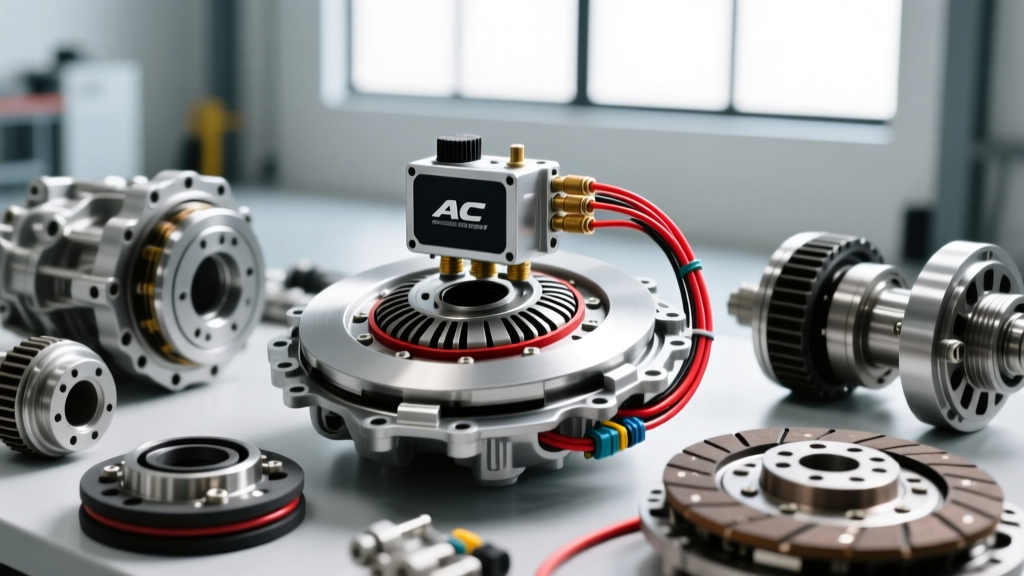
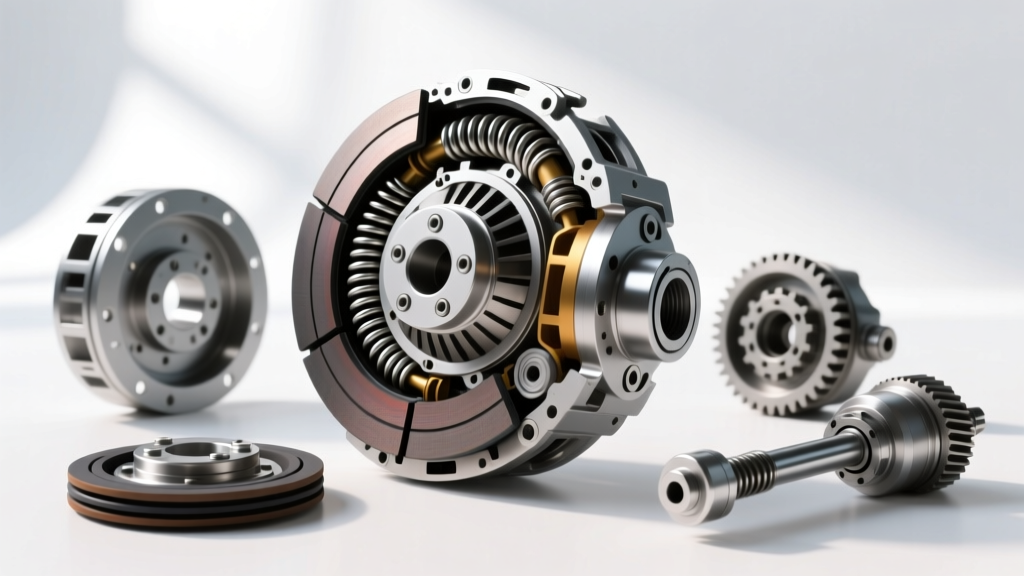
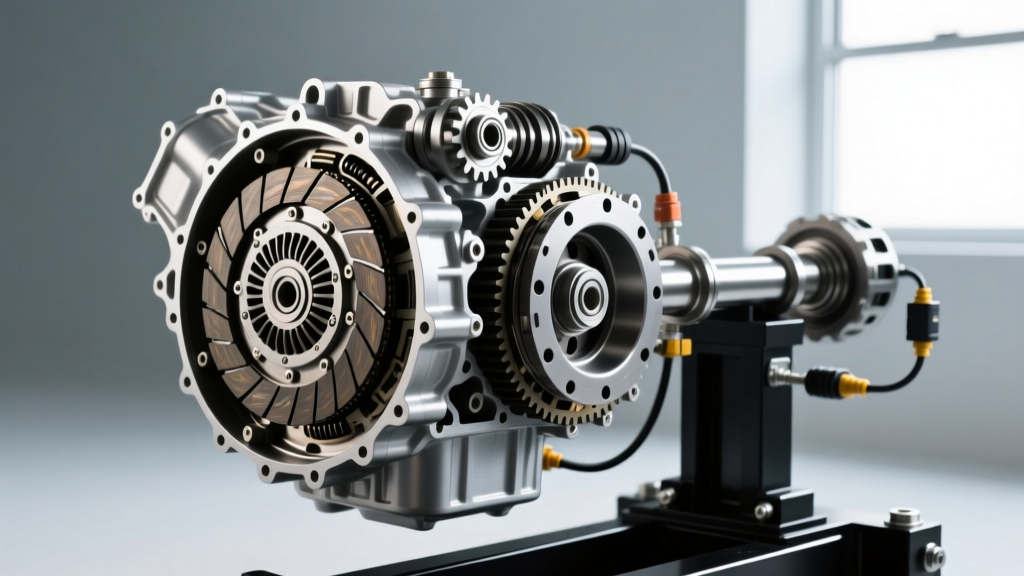
Unlike their dry counterparts, which rely on air cooling and are strictly limited to low-torque applications, a wet dual clutch transmission submerges its multi-plate clutch packs in specialized lubricant. This oil-bath design allows systems like the VW/Audi DQ250 (02E), the Getrag 6DCT450 (MPS6), and the Hyundai N8LF1 to handle torque loads exceeding 400 Nm without immediate thermal failure. However, this cooling advantage introduces a completely different failure paradigm. Instead of burning up from heat, wet clutch packs suffer from friction material shear, fluid additive depletion, and mechatronic contamination.
As we navigate the 2026 automotive landscape, diagnostic scan tools and telematics have become incredibly precise, yet physical wear inside the bellhousing remains a mechanical certainty. Understanding the exact lifespan indicators and wear signs of a wet DCT is critical for drivetrain specialists and informed owners alike. This technical deep-dive explores the OBD2 adaptation limits, physical teardown measurements, and fluid chemistry that dictate the true lifespan of these complex assemblies.
OBD2 Diagnostics: Tracking the 'Kiss Point' and Adaptation Limits
The most accurate early indicator of wet clutch wear is not a physical shudder, but rather the Transmission Control Unit's (TCU) internal adaptation data. The TCU continuously monitors and adjusts the solenoid current required to achieve the clutch 'Kiss Point'—the exact hydraulic pressure where the friction plates make initial contact with the steel separator plates.
As the BorgWarner or ZF Sachs friction material wears down, the hydraulic piston must travel further to engage the pack. The TCU compensates by altering the baseline current mapping. Eventually, the wear exceeds the software's adaptation window. According to Ross-Tech DSG Diagnostics, monitoring these measuring value blocks is the gold standard for non-invasive lifespan assessment.
| Diagnostic Parameter (VCDS/ODIS) | Normal Range | Wear / Failure Threshold | Required Action |
|---|---|---|---|
| Clutch 1 Touch Point Current | 250 - 380 mA | < 200 mA or > 480 mA | Perform Basic Settings; if failing, replace Clutch 1 pack. |
| Clutch 2 Touch Point Current | 250 - 380 mA | < 200 mA or > 480 mA | Perform Basic Settings; if failing, replace Clutch 2 pack. |
| Clutch Adaptation Status | OK / Within Limits | Limit Exceeded / Aborted | Mechanical replacement of the dual-clutch assembly required. |
| Transmission Fluid Temp Sensor | 80°C - 95°C (Operating) | > 115°C (Sustained) | Inspect external cooler, filter, and mechatronic flow circuits. |
When adaptation limits are exceeded, the TCU will typically log faults such as P17BF (Clutch 1 Position Sensor - Adaptation Limit Reached) or P17C0 (Clutch 2 Position Sensor). At this stage, no software reset can cure the mechanical wear; the clutch packs must be physically replaced.
Physical Symptoms: Shudder, Flares, and Drag
While scan tools provide the data, the driver experiences the wear through distinct physical symptoms. Because wet clutches operate in an oil bath, the friction modifiers in the fluid are just as important as the physical friction material itself.
1. Low-Speed Take-Off Shudder
Often misdiagnosed as a failing Dual Mass Flywheel (DMF), a low-speed shudder (typically between 1,200 and 1,800 RPM in 1st or 2nd gear) is a classic sign of uneven friction material deposits or glazing on the wet clutch plates. When the friction coefficient becomes inconsistent across the surface area of the plate, the clutch micro-slips and grabs hundreds of times per second, translating into a severe driveline shudder.
2. RPM Flares During Gear Overlaps
A wet DCT executes shifts by pre-selecting the next gear and cross-fading the two clutch packs. If the odd-gear clutch pack (Clutch 1) is worn, you will experience an RPM flare or 'slip' during the 1-2, 3-4, or 5-6 shifts. The TCU commands the release of Clutch 2 and the engagement of Clutch 1, but the degraded friction material fails to hold the torque load immediately, causing a momentary spike in engine RPM.
3. Delayed Engagement and 'Creep' Failure
When stopped at a light with the vehicle in 'D', the TCU keeps the clutch in a 'micro-slip' state to allow for smooth creeping. As the clutch packs wear and the hydraulic clearances increase, the mechatronic solenoids struggle to maintain this delicate slip. This results in a delayed engagement when lifting off the brake pedal, followed by a harsh 'clunk' as the clutch finally grabs.
Teardown Measurements: Quantifying Clutch Pack Lifespan
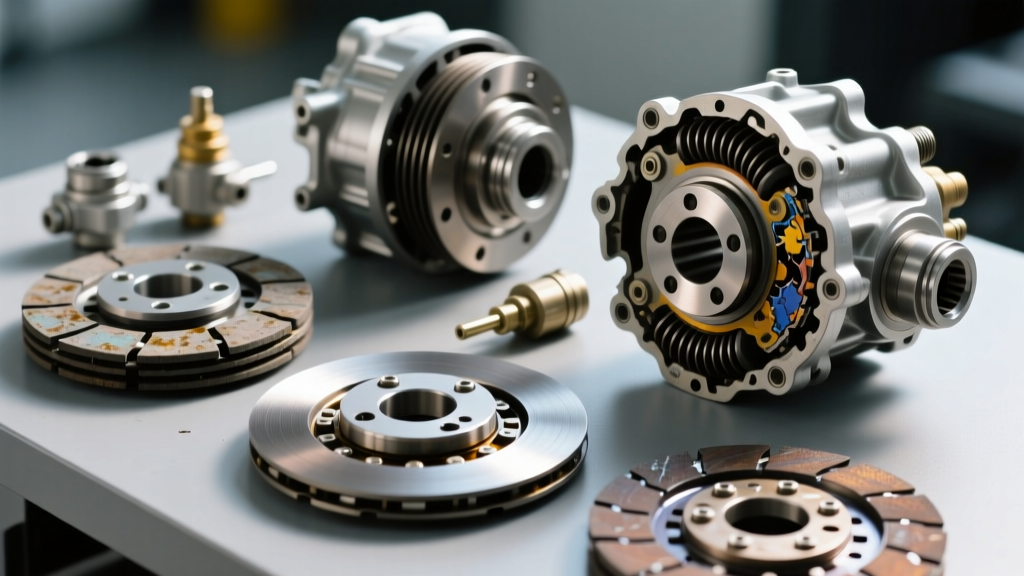
When a wet dual clutch transmission is removed from the vehicle and the bellhousing is opened, precise measurements dictate whether the clutch packs can be reused or must be scrapped. According to engineering guidelines from Magna Powertrain DCT Engineering, tolerances are measured in fractions of a millimeter.
Expert Teardown Note: Never reuse the original snap rings or thrust shims when reinstalling a wet clutch pack. The clearance must be reset to factory specifications using a dial indicator and a new selection of snap rings, which are typically available in 0.1mm increments from 2.0mm to 3.8mm.
Critical Measurement Specifications (VW DQ250 / 02E Reference)
- Friction Plate Thickness (New): ~2.00 mm
- Friction Plate Wear Limit: 1.50 mm (Measure at 4 equidistant points using a micrometer; if any point is below 1.50mm, the pack is condemned).
- Steel Separator Plate Distortion: Maximum 0.10 mm runout on a surface plate. (Wet clutches generate immense localized heat; warped steel plates will cause permanent shudder even with new friction discs).
- Total Pack Clearance: Typically 0.50 mm to 0.90 mm (varies by exact snap ring selection and OEM revision). Measured by pressing down on the clutch hub and measuring the travel with a dial indicator before the friction plates make contact.
Fluid Chemistry: The Hidden Lifespan Indicator
The lifespan of a wet dual clutch transmission is inextricably linked to its specialized fluid, such as VW's G 052 182 A2 (FFL-2 equivalent) or Ford's PowerShift Fluid for the Getrag 6DCT450. These fluids are not standard automatic transmission fluids (ATFs). They contain highly specific friction modifiers (often organic friction modifiers and specific ZDDP/borate anti-wear additive packages) designed to maintain a precise coefficient of friction under extreme shear.
Over 40,000 to 60,000 miles, the polymers in the fluid shear down, and the friction modifiers deplete. Furthermore, the microscopic shedding of the paper/Kevlar friction material suspends in the fluid, eventually clogging the 150-micron filters inside the mechatronic unit. When the fluid loses its anti-shudder properties, the clutches begin to chatter, accelerating physical wear by up to 40%. Strict adherence to a 40,000-mile fluid and filter service interval is the single most effective way to extend the lifespan of the clutch packs.
Mechatronic and Hub Torque Specifications
For technicians performing the physical replacement of the wet clutch assembly, adhering to exact torque specifications is non-negotiable. The input shafts and clutch hubs are subjected to massive torsional loads. Improper torque will result in stripped splines or catastrophic hub failure under high-boost conditions.
- Clutch Hub Retaining Nut (M22): 450 Nm. (Note: This requires a heavy-duty, transmission-specific holding tool, such as VAG T10374, to lock the dual-clutch assembly while torquing).
- Mechatronic to Transmission Housing Bolts (M6): 10 Nm. (Over-torquing these will crack the mechatronic valve body casting, leading to internal hydraulic cross-leaks).
- Oil Pan to Mechatronic Bolts: 10 Nm.
- Input Shaft Speed Sensors (G501/G502): 8 Nm.
- Bellhousing to Engine Block (M10): 60 Nm + 90 degrees torque-to-yield.
The Economics of Replacement: 2026 Market Realities
When OBD2 adaptation limits are breached and physical measurements confirm wear, replacement is the only option. As of 2026, the economics of wet DCT repair remain steep but predictable. An OEM replacement dual-clutch assembly (e.g., BorgWarner or Sachs for the DQ250) typically ranges from $900 to $1,400 for the part alone. If the Dual Mass Flywheel (DMF) shows excessive free-play (more than 3 teeth of rotational backlash), it must be replaced concurrently, adding another $800 to $1,100.
Combined with 6 to 9 hours of specialized labor, fluid, and adaptation software licensing, a complete wet DCT clutch overhaul generally lands between $2,400 and $3,800 at an independent specialist shop. While costly, this is vastly more economical than replacing the entire transmission assembly or swapping the vehicle, provided the mechatronic unit and gear sets remain undamaged. By monitoring the kiss point data and adhering to strict fluid service intervals, drivetrain specialists can accurately predict these failures long before the vehicle leaves the driver stranded.