The True Welded Differential Meaning in Modern Drivetrains
When enthusiasts, drifters, and budget-conscious rock crawlers search for the welded differential meaning, they are typically exploring a makeshift method of creating a locked rear axle. In the automotive aftermarket, a welded differential refers to the process of physically MIG or TIG welding the internal spider gears to the side gears inside an open or limited-slip differential carrier. This effectively creates a solid spool, forcing both left and right axles to turn at the exact same speed regardless of traction or cornering geometry.
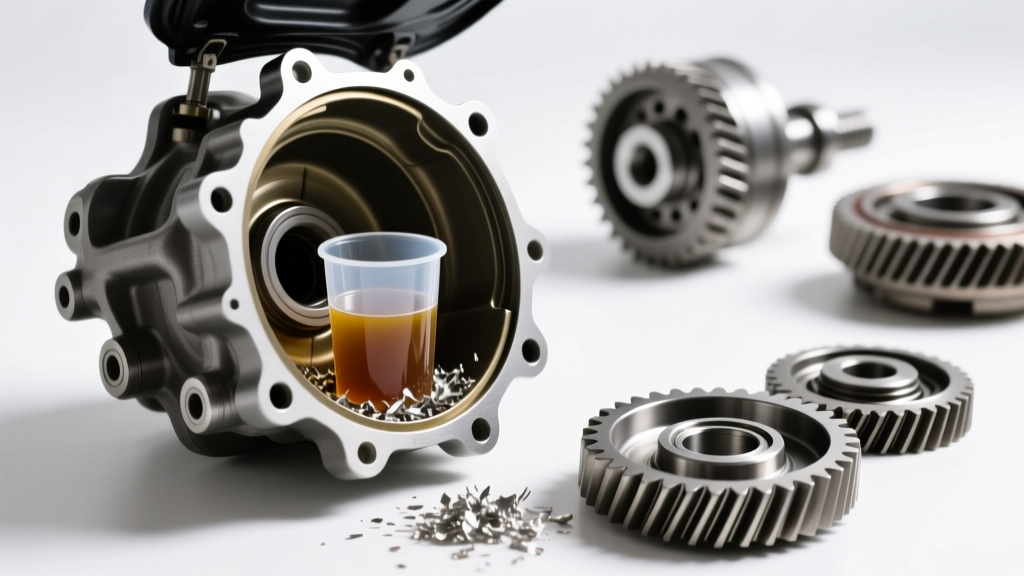
While this provides maximum forward bite on loose surfaces or predictable slip angles in drift cars, the welded differential meaning extends far beyond the modification itself—it represents a massive paradigm shift in drivetrain stress. Because the axles cannot differentiate, the chassis experiences severe binding on high-traction surfaces. This hopping and binding transfers violent shock loads directly through the axle shafts, into the carrier, and ultimately onto the ring and pinion (R&P) gear teeth. Furthermore, the spider gears were never engineered to handle continuous shear loads or the extreme heat of a weld pool. Over time, these welds can develop micro-fractures, shedding metallic slag directly into the gear oil.
Consequently, understanding the welded differential meaning is only the first step in axle management. The true test of survival for a welded, locked, or heavily abused differential lies in rigorous preventive maintenance—specifically, the continuous monitoring of differential fluid color and condition. The gear oil is the lifeblood of the axle, and its physical state provides a real-time diagnostic window into the metallurgical health of your drivetrain.
Decoding Differential Fluid Color and Condition
Differential gear oil operates under extreme pressure (EP). Unlike engine oil, which relies on splash lubrication and high-flow pumps, gear oil must cling to the hypoid gears as they violently scrape and slide against one another under thousands of pounds of torque. When a welded differential binds on pavement, localized friction spikes can push gear temperatures well past 250°F (121°C), rapidly degrading the fluid's chemical structure.
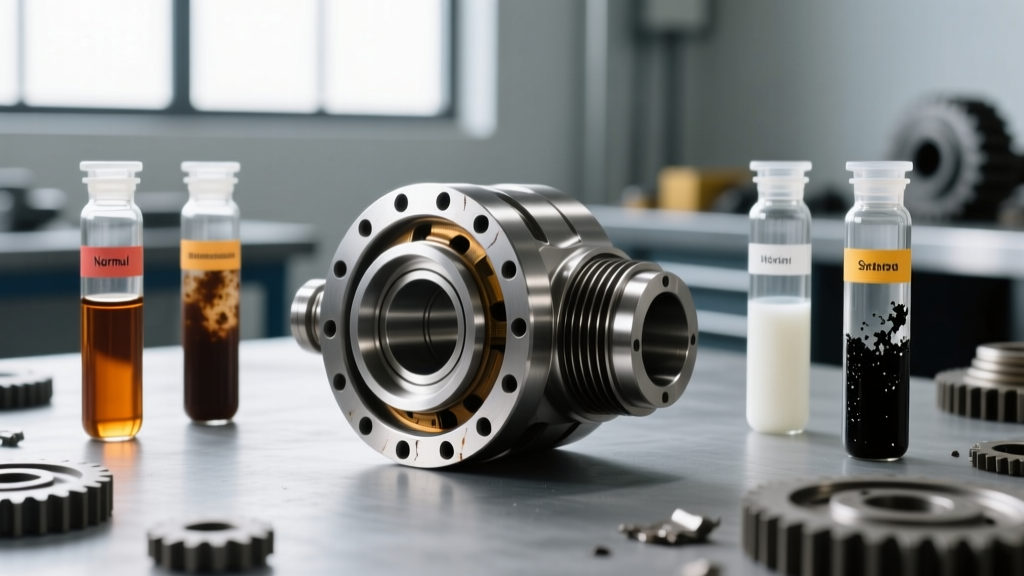
As part of a comprehensive preventive maintenance guide, you must know how to extract a fluid sample and interpret its visual and olfactory cues. Below is the definitive diagnostic matrix for differential fluid condition.
| Fluid Appearance | Odor Profile | Texture & Debris | Root Cause Diagnosis | Preventive Action Required |
|---|---|---|---|---|
| Amber / Translucent | Mild, chemical petroleum scent | Smooth, clean, no particulates | New or recently serviced fluid. Optimal EP additive health. | Continue standard mileage intervals (30k-50k miles). |
| Dark Brown / Opaque | Sharp, burnt toast or acrid smell | Slightly thicker, varnish-like on dipstick | Thermal breakdown. Common in welded diffs due to chassis binding and extreme heat. | Immediate fluid flush. Inspect for glazed R&P gear surfaces. |
| Milky / Chocolate Milk | Damp, musty, or no strong sulfur scent | Emulsified, frothy, coats housing walls | Water intrusion. Usually caused by a clogged axle breather tube or submerged axle. | Flush immediately. Clear axle breather hose. Inspect seals for rust. |
| Black with Glitter | Heavy metallic / blood-like iron scent | Gritty, contains fine metallic shimmer or flakes | Bearing spalling or ring/pinion gear wear. The oil is acting as a lapping compound. | CRITICAL: Drop the cover. Inspect carrier bearings and R&P backlash. |
| Grey Sludge / Chunky | Burnt metal and ozone | Contains physical chunks, weld slag, or teeth fragments | Catastrophic failure. Welded spider gears have cracked, or a gear tooth has sheared. | Do not drive. Complete differential teardown and rebuild required. |
The Hidden Danger: Water Intrusion and the Breather Tube
One of the most common issues misdiagnosed as internal gear failure is water contamination, resulting in a milky fluid appearance. When a welded differential is driven on the street, the constant binding generates immense internal heat, pressurizing the axle housing. If the axle's breather tube—typically a small rubber hose routed high up on the chassis from the driver's side axle tube—is clogged with mud or debris, the pressure will blow past the pinion seal or axle shaft seals.
When the axle cools down after parking, it creates a powerful internal vacuum. If you drive through a puddle or deep snow, the differential will literally suck water past the seals into the gear oil. This emulsifies the fluid, destroying its load-bearing film strength and leading to rapid rusting of the carrier bearings. According to installation and maintenance guidelines from Yukon Gear & Axle, ensuring the breather tube is clear and properly routed is one of the most vital, yet overlooked, aspects of axle preventive maintenance.
Preventive Maintenance: Post-Weld Inspection Protocol
If you are running a welded differential, standard 50,000-mile fluid intervals are entirely insufficient. The extreme stress demands inspection every 10,000 to 15,000 miles, or immediately following any heavy off-road excursion or drift event. Here is the professional protocol for extracting and evaluating your gear oil.
Step 1: The Syringe Extraction Method
Before dropping the differential cover and creating a mess, use a fluid extraction pump to pull a 4oz sample from the fill plug hole. Insert the extraction tube until it hits the bottom of the housing, as this is where heavy metallic debris and water (which sinks below the oil) will settle. Smear the sample on a white paper towel to accurately assess the color, glitter content, and water separation.
Step 2: Cover Removal and RTV vs. Gaskets
If the sample shows dark brown degradation or metallic glitter, the cover must come off for a full flush and magnet inspection. When resealing the differential, you have two primary choices:
- RTV Silicone: Permatex Ultra Black (Part #82180) is the industry standard for stamped steel covers. Apply a continuous 1/8-inch bead, allow it to skin over for 10 minutes, and torque the bolts immediately. Cure time is 24 hours before filling.
- Reusable Gaskets: Products like Lube-Locker offer elastomer-coated steel gaskets that require zero RTV and zero cure time. They are highly recommended for trail rigs or drift cars that require frequent differential inspections.
Step 3: Precision Torque Specifications
Overtightening differential cover bolts will warp stamped steel pans, leading to chronic leaks. Always use a calibrated inch-pound or low-range foot-pound torque wrench. Reference specs for common high-performance axles include:
- Ford 8.8-inch (10-bolt): Cover bolts to 20-25 lb-ft. Fill plug to 22-30 lb-ft.
- GM 8.5-inch 10-bolt: Cover bolts to 20-25 lb-ft. Fill plug to 25-35 lb-ft.
- Dana 44 / Dana 60: Cover bolts to 30-35 lb-ft. Fill plug to 25-40 lb-ft.
Always tighten cover bolts in a crisscross, star-pattern sequence to ensure even gasket compression.
Gear Oil Chemistry: Selecting Fluid for Welded Axles
The welded differential meaning dictates that your drivetrain will experience localized friction spikes that standard gear oils cannot survive. Standard 75W-90 gear oil is designed for open differentials or highway-driven limited-slip units. For a welded differential, you must step up to a 75W-140 Full Synthetic gear oil.
Heavy-duty synthetic fluids, such as those engineered by AMSOIL in their Severe Gear line, utilize advanced zinc dialkyldithiophosphate (ZDDP) and phosphorus extreme-pressure (EP) additives. These additives form a sacrificial chemical barrier on the 8620 chromoly or 9310 steel gear surfaces, preventing metal-on-metal contact even when the fluid film is sheared away by the violent binding of a locked axle.
Expert Drivetrain Note: Never use limited-slip friction modifiers in a welded differential. Friction modifiers are designed to allow clutch packs to slip smoothly in positraction units. In a solid welded spool, these modifiers offer zero benefit and can actually reduce the overall coefficient of friction on the ring and pinion gears, accelerating wear under high-torque loads.
2026 Cost Analysis: DIY Maintenance vs. Catastrophic Rebuilds
Ignoring the warning signs hidden in your differential fluid color is a fast track to a complete axle rebuild. The financial contrast between preventive maintenance and catastrophic failure is staggering in the current market.
Preventive Fluid Service Costs (DIY)
- 75W-140 Synthetic Gear Oil (2.5 Quarts): $60 - $95
- Lube-Locker Reusable Gasket: $25 - $35
- Fluid Extractor Pump: $15 - $25 (One-time purchase)
- Total DIY Preventive Cost: $100 - $155
Catastrophic Rebuild Costs (Neglected Maintenance)
If metallic glitter in the fluid is ignored, the gear oil will act as a lapping compound, destroying the ring and pinion contact pattern and shredding the carrier bearings. A full rebuild requires specialized tools, a hydraulic press, and precise backlash shimming.
- Ring and Pinion Gear Set (e.g., Yukon 4.10 or 4.56): $250 - $450
- Master Bearing Kit (Timken bearings, seals, shims): $120 - $180
- Professional Machine Shop / Driveline Labor: $600 - $1,200
- Total Rebuild Cost: $970 - $1,830+
Final Thoughts on Axle Longevity
Understanding the welded differential meaning is about acknowledging the extreme compromises made for traction at the expense of drivetrain harmony. A welded axle is a brute-force tool that requires meticulous, proactive care. By treating your differential fluid not just as a lubricant, but as a vital diagnostic fluid, you can read the color, smell, and texture of the oil to predict failures before they leave you stranded on the trail or the tarmac. Pull a sample, inspect the magnet on the differential cover, and ensure your EP additives are ready for the brutal forces your locked axle generates.