Two Clutches, One Machine: The UTV Diagnostic Dilemma
If you own an enclosed Side-by-Side (UTV) like a Polaris Ranger Crew or a Can-Am Defender with a cab enclosure, you are dealing with a machine that features two entirely different, yet equally critical, clutch systems. When summer hits and you find yourself sweating in the cabin, you might pull out your phone and search for ac clutch engages no cold air to figure out why your HVAC system is failing. However, as a beginner in powersports diagnostics, it is crucial to understand that your UTV also relies on a mechanical Continuously Variable Transmission (CVT) clutch system to move the wheels.
Beginners frequently confuse the audible 'click' and engine drag of an electromagnetic AC compressor clutch engaging with the mechanical chatter, slipping, or clicking of a failing CVT primary or secondary clutch. In this 2026 beginner-friendly explainer, we will break down exactly how to diagnose the 'AC clutch engages but no cold air' phenomenon, and then transition into the real drivetrain work: identifying and fixing ATV and UTV CVT clutch problems.
The HVAC Dilemma: Why the AC Clutch Engages But No Cold Air Blows
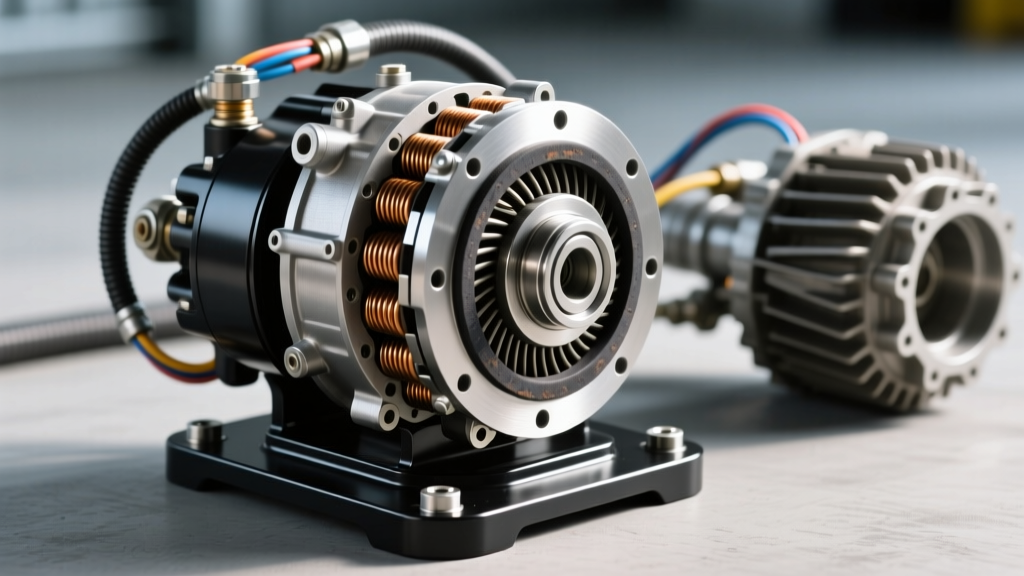
Modern enclosed UTVs utilize automotive-style HVAC systems. The AC compressor is driven by a serpentine or dedicated V-belt connected to the engine's crankshaft. The compressor pulley spins freely until the cabin thermostat calls for cooling, at which point an electromagnetic coil energizes, pulling the clutch plate against the pulley to turn the compressor's internal swashplate.
Step 1: Verify the Compressor Air Gap
If you hear the clutch clicking on and off rapidly (short-cycling) or engaging completely but the air remains warm, the first mechanical checkpoint is the air gap. Over time, the friction surfaces wear down, or the shim spacing shifts. The ideal air gap for most UTV compressors (including common Sanden and Denso units used in Polaris and Honda UTVs) is between 0.020' and 0.030' (0.5mm - 0.75mm). If the gap exceeds 0.040', the electromagnetic coil cannot generate enough magnetic force to pull the clutch plate in, especially when the engine bay is hot and electrical resistance increases.
Step 2: Electrical and Refrigerant Diagnostics
If the gap is correct but you still get no cold air, you must differentiate between an electrical failure and a refrigerant issue. By 2026, most new enclosed UTVs have transitioned to R1234yf refrigerant, though older models still use R134a. Both systems utilize a low-pressure cutoff switch. If your system has a micro-leak and refrigerant pressure drops below 25-30 PSI, the switch will prevent the clutch from engaging to save the compressor from running dry.
Pro-Tip: Use a digital multimeter to test the AC clutch coil resistance. Disconnect the clutch wiring harness and measure across the coil terminals. A healthy coil typically reads between 3.5 and 4.5 ohms at 68°F (20°C). If you read infinite resistance (OL), the internal thermal fuse has blown, and you will need to replace the clutch coil assembly (e.g., Polaris OEM part #4016423 or equivalent aftermarket).
The Drivetrain: Understanding ATV & UTV CVT Clutches
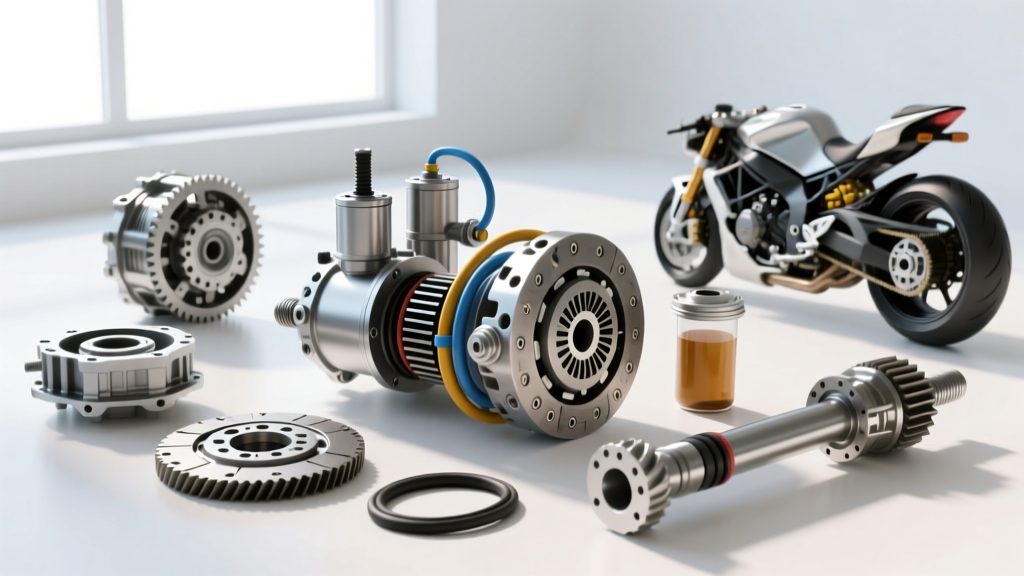
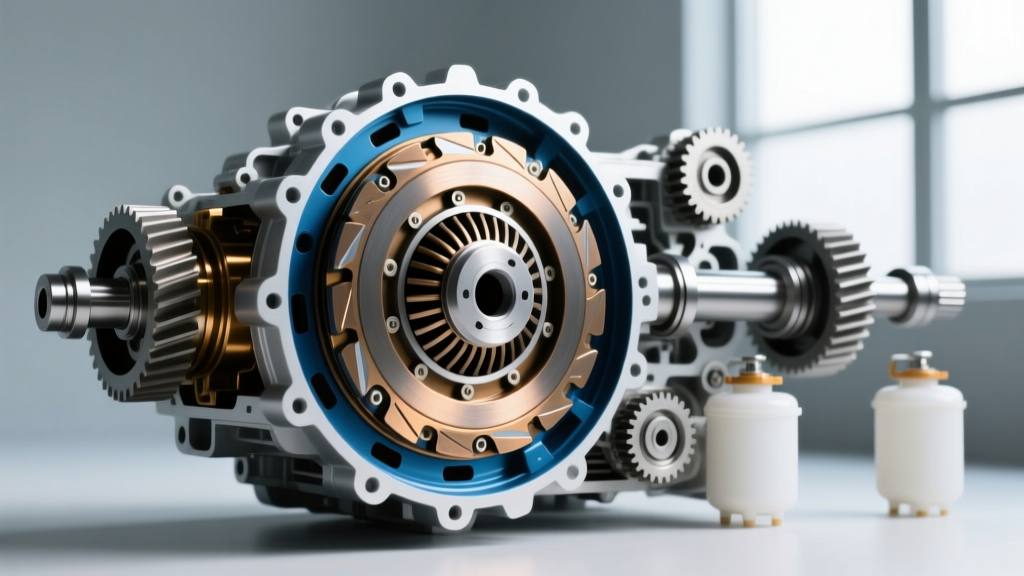
While the AC clutch keeps you cool, the CVT clutches keep you moving. ATVs and UTVs do not use traditional friction disc clutches like manual cars or wet-clutch packs like automatic motorcycles. Instead, they use a centrifugal belt-driven CVT system consisting of a Primary (Drive) Clutch and a Secondary (Driven) Clutch.
Primary (Drive) Clutch Symptoms
The primary clutch is mounted directly to the engine crankshaft. It uses centrifugal weights (rollers or sliders) and a large main spring to squeeze the sheaves together, pinching the drive belt to transfer power.
- Slipping Under Load: If the sheaves are glazed with belt dust or the main spring has sagged (lost its spring rate), the clutch will slip when climbing hills or towing. You will smell burning rubber and lose top-end speed.
- Stuck in Gear (EBS Failure):strong> Many modern Polaris UTVs feature Engine Braking System (EBS) one-way bearings inside the primary clutch. If this bearing seizes due to water intrusion or lack of grease, the UTV will jerk violently when coming to a stop and the engine will stall.
Secondary (Driven) Clutch Symptoms
The secondary clutch is mounted to the transmission input shaft. It uses a helix (a twisted ramp) and a torsion spring to apply lateral pressure on the belt.
- Chatter or Vibration: If the helix rollers develop flat spots or the secondary spring breaks, you will feel a severe vibration or 'chatter' during acceleration, usually between 15 and 30 MPH.
- Failure to Downshift: When you let off the throttle, the secondary clutch must open to allow the belt to drop to a lower ratio. If the secondary shaft is corroded or the grease has turned to a hard paste, the clutch sticks closed, resulting in sluggish acceleration from a stop.
Diagnostic Comparison Chart: AC Compressor vs. CVT Clutch
To help beginners separate the HVAC system from the drivetrain, refer to this diagnostic matrix:
| Symptom / Noise | System Affected | Primary Cause | Beginner Fix / Check |
|---|---|---|---|
| Loud 'Click' from engine bay, cabin air stays warm | HVAC AC Clutch | Low refrigerant or blown coil thermal fuse | Check manifold pressures; test coil ohms |
| High-pitched squeal when AC is turned on | HVAC AC Clutch | Seized compressor or loose serpentine belt | Spin compressor hub by hand; tension belt |
| Burning rubber smell, loss of top speed | CVT Primary Clutch | Glazed sheaves, worn weights, or weak spring | Disassemble, clean with brake cleaner, inspect rollers |
| Violent jerking when decelerating to a stop | CVT Primary Clutch (EBS) | Seized one-way bearing or broken EBS spring | Rebuild primary clutch, replace one-way bearing |
| Vibration / Chatter at 15-30 MPH | CVT Secondary Clutch | Flat-spotted helix rollers or worn slider buttons | Replace secondary rebuild kit (helix and rollers) |
Wrenching 101: CVT Clutch Removal & Torque Specs
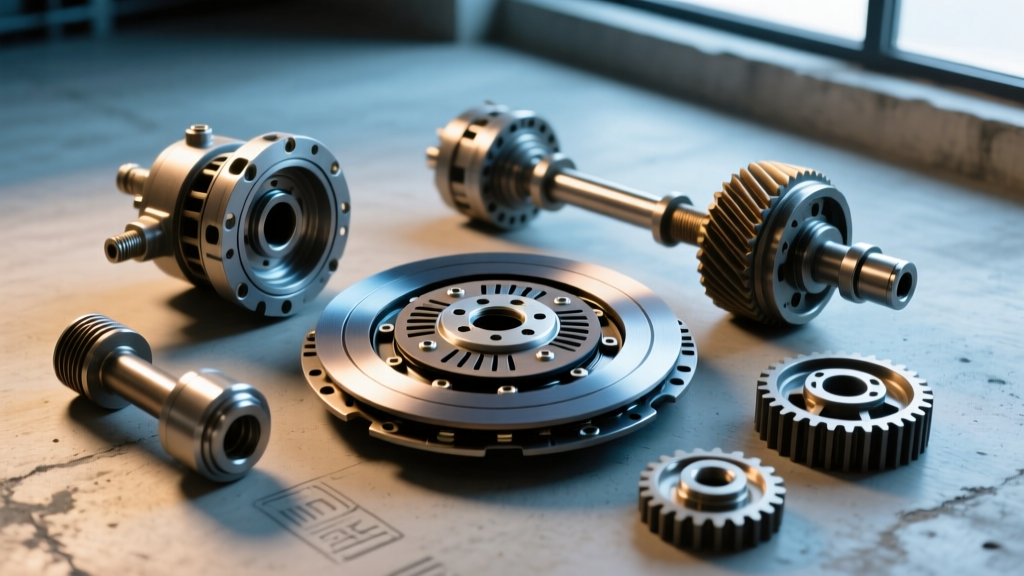
If you have diagnosed a mechanical CVT issue, removing the clutches requires specific tools and adherence to torque specifications. Never use an impact wrench to remove or install CVT clutch bolts, as the shock loading can shatter the internal castings or strip the crankshaft threads.
Essential Tools for the Job
- Clutch Puller Tool: You need a model-specific puller. For example, the Polaris primary clutch requires a specialized M14x1.5 puller bolt. Using a standard bolt will destroy the crankshaft threads.
- Clutch Compression Tool: Required to safely compress the secondary clutch spring when replacing the helix or torsion spring. The spring stores hundreds of pounds of kinetic energy; removing the retaining ring without a tool is a severe safety hazard.
- Digital Torque Wrench: Essential for reassembly.
Critical Torque Specifications (Polaris RZR / Ranger Reference)
Always consult your specific 2026 service manual, but here are the baseline specifications for modern Polaris XP 1000 and ProStar engines:
- Primary Clutch Bolt (M12 x 1.25): 65 ft-lbs (88 Nm). Always apply a medium-strength threadlocker (like Loctite 243) to prevent the bolt from backing out, which will destroy the crankshaft.
- Secondary Clutch Bolt (M10 x 1.25): 37 ft-lbs (50 Nm).
- CVT Belt Deflection: After reassembly and installing a new belt (such as a Gates Carbon Drive or OEM Polaris 3211180), push down on the belt midway between the clutches with 10 lbs of force. The deflection should be exactly 1 1/4 inches (32mm).
2026 Maintenance Costs & Part Sourcing
Understanding the financial side of clutch diagnostics helps you decide whether to wrench it yourself or visit a dealer. According to current parts catalogs on Partzilla and direct from Polaris, here is what you can expect to pay:
- AC Compressor Clutch Coil Assembly: $85 - $140. (Labor is minimal if you can access it without dropping the entire HVAC housing).
- CVT Primary Clutch Rebuild Kit: $120 - $180 (Includes weights, sliders, EBS bearing, and main spring).
- CVT Secondary Clutch Rebuild Kit: $90 - $130 (Includes helix, rollers, and spring).
- Premium CVT Drive Belt: $140 - $220. As noted by Gates Automotive, investing in a high-tensile aramid cord belt is critical for high-horsepower UTVs to prevent snapping under heavy load.
Final Thoughts for the Beginner Mechanic
Diagnosing clutch issues on modern ATVs and UTVs requires a split-brain approach. When the AC clutch engages but no cold air follows, treat it like an automotive HVAC issue: check the air gap, test the coil resistance, and verify your R1234yf or R134a pressures. Conversely, when the drivetrain chatters, slips, or jerks, grab your clutch puller, brake cleaner, and torque wrench to service the CVT system. By understanding the distinct mechanical and electromagnetic principles governing these two systems, you will save yourself hours of misdiagnosis and keep your Side-by-Side running flawlessly on the trails.