The Operational Reality of Tactical Drivetrains
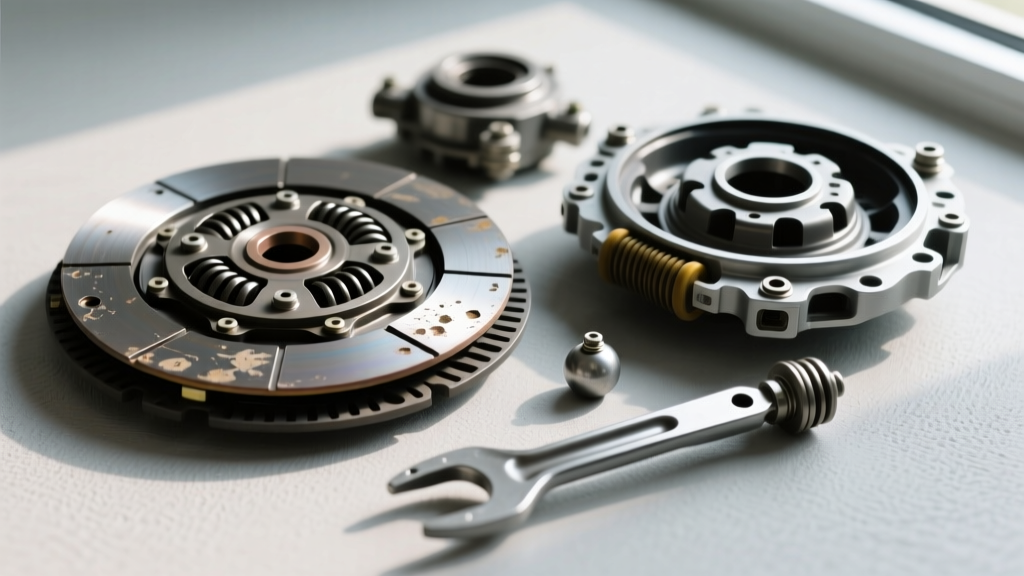
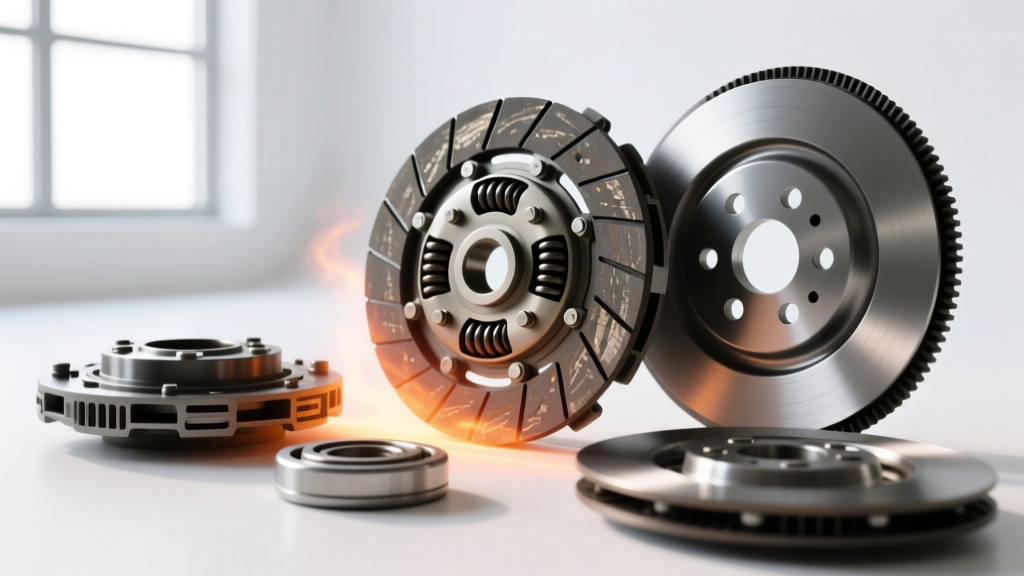
When outfitting expedition rigs, up-armored platforms, or heavy-duty tactical UTVs, the drivetrain is subjected to extreme shock loads and high gross vehicle weight ratings (GVWR). The Unity Tactical Clutch—a severe-duty assembly featuring Kevlar-reinforced ceramic pucks and high-clamp-load diaphragm springs (often exceeding 2,800 lbs of pressure)—is engineered for this exact abuse. However, the aggressive friction materials and heavy-duty pressure plates alter the acoustic baseline of the drivetrain. In 2026, fleet mechanics and off-road specialists must distinguish between normal heavy-duty operational harmonics and the early warning signs of catastrophic component failure.
Clutch noise diagnosis is not merely about comfort; it is a critical predictive maintenance tool. A high-frequency chirp or a low-end grind can indicate improper hydraulic preload, input shaft spline galling, or flywheel runout issues that will rapidly destroy a $3,000 tactical transmission. This expert guide breaks down the acoustic signatures of the Unity Tactical Clutch, providing actionable diagnostic matrices, precise torque specifications, and blueprinting protocols.
The Physics of Tactical Clutch Acoustics
Heavy-duty clutch assemblies transfer immense kinetic energy through rigid friction surfaces. Unlike organic street clutches that dampen noise via marcel springs and soft friction materials, tactical ceramic setups transmit drivetrain harmonics directly into the chassis. Understanding the origin of these frequencies is the first step in accurate diagnosis.
High-Frequency Chirping and Squealing
A sharp, high-pitched chirp or squeal that changes pitch with engine RPM is almost universally tied to rotational friction on the transmission input shaft or the release bearing. According to diagnostic data from AA1Car, squealing that occurs only when the pedal is lightly depressed (taking up the free play) points directly to the clutch release bearing (throw-out bearing) making initial contact with the pressure plate fingers.
In tactical applications using the Unity Tactical Clutch, this is often exacerbated by a lack of hydraulic preload. If the hydraulic master cylinder does not allow the release bearing to maintain constant, light contact with the diaphragm fingers (a setup preferred in heavy-duty rigs to prevent bearing spin-up lag), the bearing will skid rather than roll upon initial pedal actuation. Furthermore, a dry or failing pilot bearing will emit a similar squeal, but it will typically persist for 3 to 5 seconds after the clutch is fully depressed and the input shaft stops spinning.
Heavy Grinding and Metallic Crunching
Grinding is the sound of unlubricated metal-on-metal shear or structural fatigue. If you hear a harsh metallic crunch when the clutch pedal is pushed to the firewall, the issue is rarely the friction disc itself. Instead, inspect the clutch fork pivot ball and the release bearing collar. Under the extreme clamp loads of a tactical pressure plate, the clutch fork exerts hundreds of pounds of lateral force against the pivot ball. If the pivot ball shows galling or wear exceeding 0.020 inches, the fork will bind and grind against the transmission bell housing.
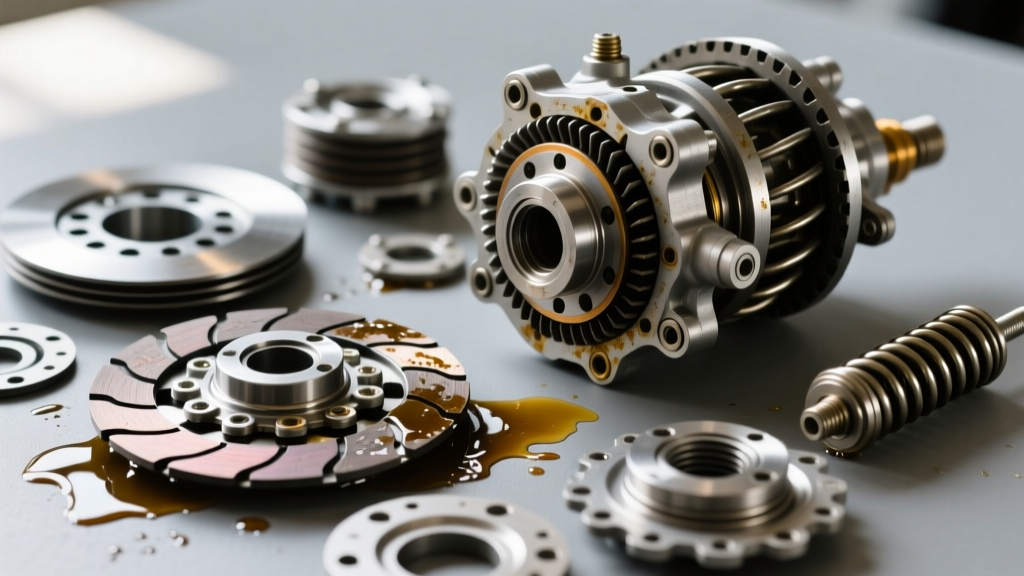
Another source of grinding specific to ceramic tactical clutches is the shattering of a ceramic puck. If a puck fractures due to improper engagement (e.g., shock-dropping the clutch in low-range 4WD), the ceramic debris becomes trapped between the flywheel and the pressure plate, creating a horrific grinding noise that mimics a failed transmission input bearing.
Diagnostic Matrix: Noise vs. Pedal Position
To accurately isolate the failure point, technicians must correlate the acoustic signature with the exact position of the clutch pedal. Use the following diagnostic matrix when evaluating a Unity Tactical Clutch assembly:
| Acoustic Signature | Pedal State | Primary Failure Point | Verification & Action Protocol |
|---|---|---|---|
| High-Pitch Chirp / Squeal | Lightly Depressed (Free-play zone) | Release Bearing (TOB) / Dry Input Splines | Verify hydraulic preload; apply high-temp molybdenum disulfide grease to splines. |
| Continuous Squeal | Fully Depressed (Engine Revving) | Pilot Bearing Failure | Listen near the bell housing; replace pilot bearing with sealed SKF unit. |
| Metallic Grinding / Crunch | Mid-Travel to Fully Depressed | Clutch Fork Pivot Ball / Collar Wear | Inspect pivot ball for galling; replace if wear exceeds 0.020 inches. |
| Rattle / Chatter at Idle | Released (Foot Off Pedal) | Dual-Mass Flywheel (DMF) / Loose Damper | Measure flywheel runout; check for secondary mass play > 0.040 inches. |
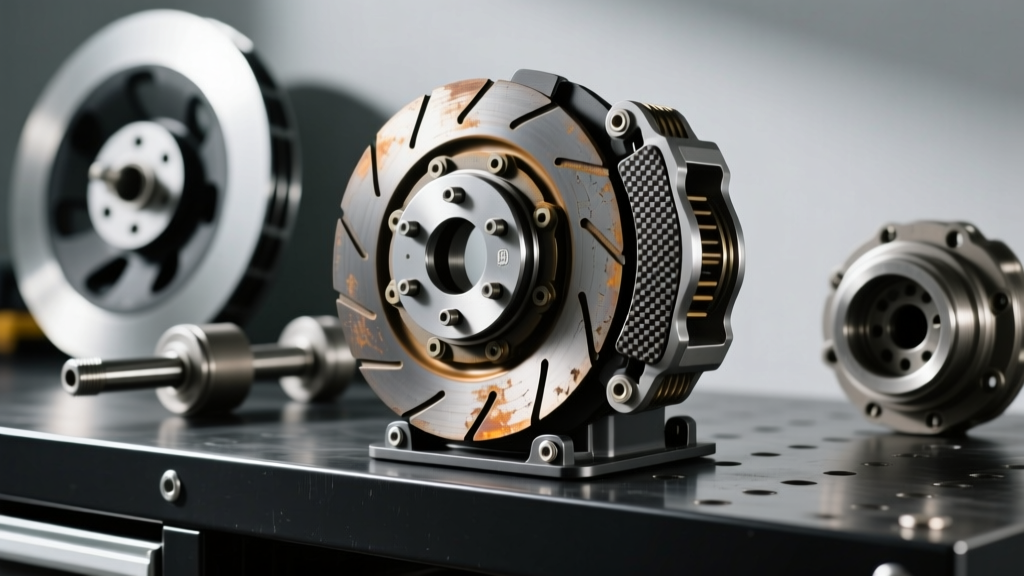
| Harsh Engagement Shudder | Friction Zone (Releasing Pedal) | Glazed Ceramic Pucks / Flywheel Hotspots | Inspect friction surface; machine or replace tactical flywheel. |
Expert Installation and Blueprinting Protocols
Many noise complaints following a Unity Tactical Clutch installation are not due to defective parts, but rather improper blueprinting and torque sequencing. Tactical vehicles require meticulous attention to clearances to prevent harmonic feedback and premature bearing failure.
Flywheel Runout and Torque Sequences
The foundation of a quiet, reliable tactical clutch is the flywheel. Before installing the clutch disc and pressure plate, you must measure the flywheel runout using a dial indicator mounted to the engine block. Maximum allowable runout for heavy-duty tactical applications is 0.005 inches. Anything beyond this will cause the clutch disc damper springs to rattle at idle and will lead to uneven wear on the ceramic pucks, eventually causing engagement shudder.
When securing the flywheel to the crankshaft (e.g., using ARP 250-2802 bolts on a GM LS-based tactical V8), the torque specification is critical. Bolts must be torqued to 95 lb-ft in a crisscross pattern. The Unity Tactical pressure plate bolts (typically 10mm x 1.5 or 3/8-24) must be torqued to 35 lb-ft using a strict star pattern to ensure the diaphragm spring is seated evenly. Uneven seating will result in a pulsating pedal feel and a rhythmic chirping noise as the release bearing tracks an uneven pressure plate surface.
Hydraulic Preload and Pivot Ball Geometry
Modern tactical rigs utilize hydraulic clutch actuation. Unlike cable setups, hydraulic systems are self-adjusting, which can mask wear until a failure occurs. For heavy-duty clutches, maintaining a slight preload on the release bearing is recommended to prevent the bearing from skidding when the diaphragm fingers move at high RPM. According to bearing specialists at SKF Automotive, constant-contact release bearings require zero free play at the fork, relying instead on the hydraulic system's internal return spring to maintain a 10 to 15 lb preload against the fingers.
Additionally, inspect the clutch fork pivot ball. If you are upgrading to a high-clamp-load Unity Tactical pressure plate, the stock stamped steel pivot ball will deform under the increased stress. Upgrade to a hardened chromoly pivot ball and apply a generous layer of high-temperature synthetic grease (such as Red Line CV-2) to the pivot contact patch and the release bearing collar to eliminate metallic crunching sounds.
2026 Cost Analysis and Replacement Thresholds
Ignoring early acoustic warnings in a tactical drivetrain will exponentially increase repair costs. Here is a realistic breakdown of 2026 market pricing and replacement thresholds for Unity Tactical Clutch systems and associated components:
- Unity Tactical Clutch Kit (Disc, Pressure Plate, HD Bearing): $650 - $850. Replace if ceramic pucks are cracked or if the diaphragm fingers show deep grooving from a worn bearing.
- Tactical Flywheel Resurfacing: $120 - $180. Only viable if the flywheel is a solid single-mass design and has not exceeded the minimum thickness spec (usually stamped on the edge). If heat checking (micro-cracks) is present, replacement is mandatory.
- Heavy-Dual Mass Flywheel (DMF) Replacement: $450 - $900. If your rig uses a DMF and exhibits idle rattle that disappears when the clutch is depressed, the internal springs have failed. DMFs cannot be resurfaced; they must be replaced or converted to a solid single-mass setup using a Sachs Performance conversion kit.
- Chromoly Pivot Ball & Upgraded Fork: $85 - $140. A mandatory upgrade for any tactical vehicle running over 2,400 lbs of clamp load to prevent bell-housing wear and grinding noises.
Final Diagnostic Takeaways
Diagnosing noise in a Unity Tactical Clutch requires a methodical approach that respects the severe-duty nature of the components. Do not dismiss a light chirp as normal ceramic clutch chatter; verify your hydraulic preload and input shaft lubrication. Never ignore a grinding noise during pedal actuation, as it is a direct indicator of pivot ball or fork failure that will eventually punch a hole through your bell housing. By adhering to strict torque sequences, measuring flywheel runout, and utilizing the diagnostic matrix above, fleet mechanics and off-road enthusiasts can ensure their tactical drivetrains remain reliable, quiet, and mission-ready in the most demanding environments.