The Hidden Culprit Behind Clutch Slipping
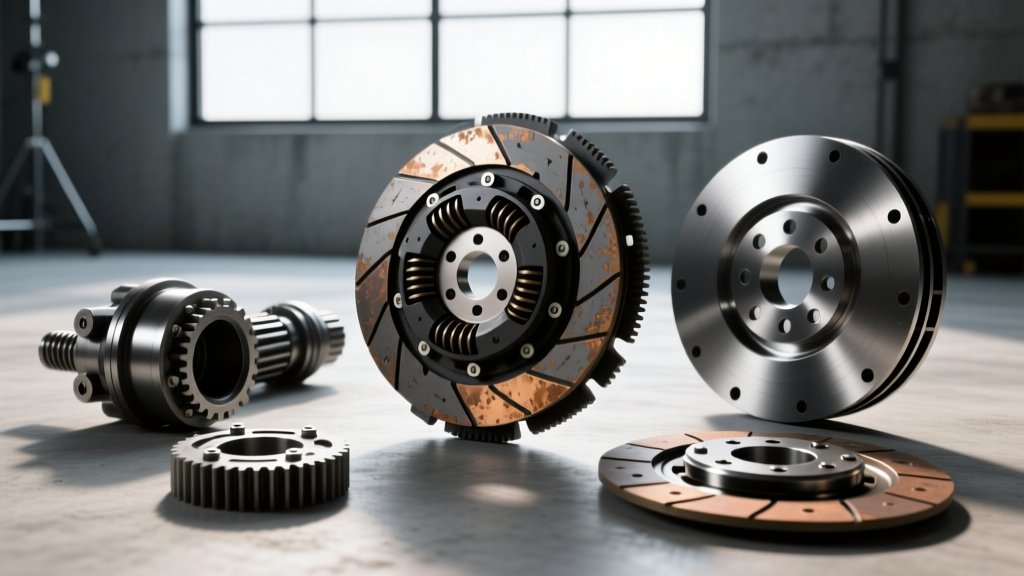
When a driver or junior technician asks, 'what does clutch slipping mean?', the immediate assumption is almost always a worn friction disc, a glazed flywheel, or a fatigued pressure plate diaphragm spring. While those are common failure points, an often-overlooked mechanical deficiency in the release mechanism can mimic these exact symptoms. Specifically, severe wear on the clutch fork and pivot ball (or pivot stud) alters the critical geometry of the clutch actuation system. When the fulcrum point shifts due to material loss, the mechanical advantage required to fully clamp the friction disc against the flywheel is compromised. The result? The pressure plate fails to exert its rated clamping force, and the clutch slips under load, even if the friction material has plenty of life left.
As manual transmissions continue to evolve to handle the massive torque outputs of modern performance engines, the stresses placed on stamped steel and cast aluminum release forks have reached critical thresholds. In this expert guide, we will bypass the basic 'check the pedal free-play' advice and dive deep into the metallurgy, geometry, and precise diagnostic protocols required to identify and rectify clutch fork and pivot ball wear.
Understanding Clutch Fork Geometry and Fulcrum Shift
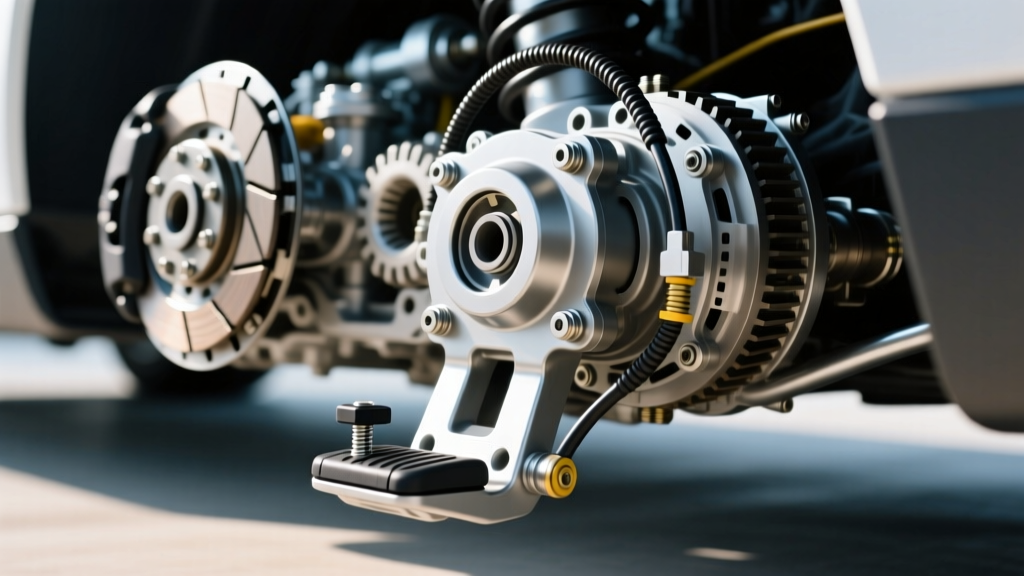
To diagnose the issue, you must first understand the physics of the release mechanism. The clutch fork acts as a Class 1 lever. The pivot ball serves as the fulcrum, the slave cylinder or throwout bearing applies the effort, and the fork tips apply the load to the pressure plate fingers. The ratio of this lever is meticulously engineered by the OEM or aftermarket manufacturer to ensure that the throwout bearing travels the exact distance required to disengage the clutch without over-stroking the diaphragm spring.
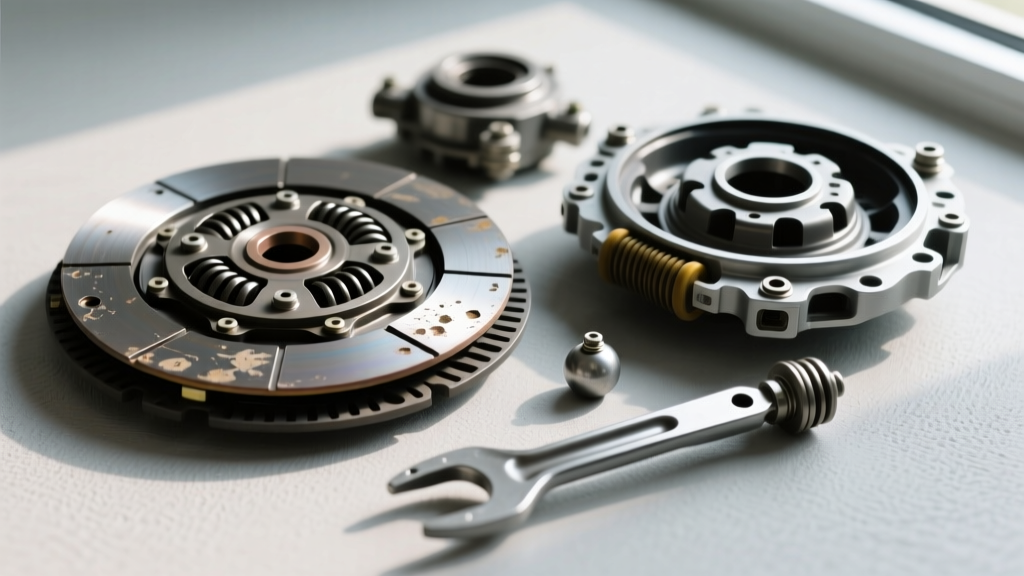
When the pivot ball or the corresponding pad on the clutch fork wears down, the fulcrum point physically moves. This phenomenon, known as 'fulcrum shift,' has two devastating effects on clutch operation:
- Loss of Clamping Force: As the pivot ball wears a groove into the fork pad (often called 'mushrooming' or 'cratering'), the effective length of the lever arm changes. This reduces the mechanical advantage, meaning the slave cylinder's hydraulic pressure is no longer sufficient to keep the pressure plate fully locked against the flywheel during high-torque events (like launching or pulling up a steep grade).
- Throwout Bearing Over-Extension: The altered geometry forces the slave cylinder to over-travel to achieve disengagement, which can bottom out the hydraulic piston or push the diaphragm spring past its yield point, leading to premature bearing failure and inconsistent pedal feel.
Material Science: Stamped Steel vs. Cast Aluminum
The wear profile depends heavily on the fork material. Stamped steel forks (common in Ford MT82, Tremec T56, and Honda K-Series applications) tend to develop deep, localized craters where the hardened steel pivot ball presses into the softer stamped pad. Conversely, cast aluminum forks (found in Porsche G50 and various Audi/VW transaxles) suffer from broader, galling-type wear and are highly susceptible to cracking at the pivot stress-riser if the pivot ball seizes due to lack of lubrication.
Step-by-Step Diagnostic Protocol (Expert Level)
Do not rely solely on pedal feel to diagnose pivot wear. By the time the pedal feels 'spongy' or the slip is obvious, secondary damage to the transmission bell housing or input shaft bearing retainer may have occurred. Follow this precise diagnostic sequence:
1. The Boroscope Inspection Method
Before dropping the transmission, remove the clutch fork dust boot or the bell housing inspection cover. Insert a high-definition articulating boroscope (minimum 1080p resolution with LED halo lighting) to visually inspect the pivot ball contact patch. Look for:
- Asymmetrical wear patterns indicating the fork is twisting on its pivot.
- Deep grooving on the pivot stud (a wear depth exceeding 0.030 inches is a hard failure point).
- Migration of grease onto the friction disc (more on this critical error below).
2. Measuring Free-Play at the Fork Tip
Using a dial indicator mounted magnetically to the bell housing, measure the physical free-play at the throwout bearing contact pad on the fork. While pedal free-play is typically 1 to 1.5 inches, the actual mechanical free-play at the fork tip should generally be between 0.080' and 0.120' (2.0mm - 3.0mm). If the hydraulic system is fully bled and adjusted, but fork free-play is excessive, the material loss is occurring at the pivot junction.
Technical Specifications & Wear Limits
Below is a reference table for common performance and OEM manual transmissions. Always verify with factory service manuals, but these represent the accepted industry baseline for high-performance clutch diagnostics.
| Transmission Model | Pivot Stud Thread / Size | Torque Spec | Max Wear Groove Depth | Fork Material |
|---|---|---|---|---|
| Tremec T56 Magnum | 1/2'-13 UNC | 28 lb-ft | 0.030' (0.76mm) | Stamped Steel |
| Porsche G50 (911) | M12 x 1.5 | 48 lb-ft (65 Nm) | 0.020' (0.50mm) | Cast Aluminum |
| Honda K-Series (Cable/Hyd) | M10 x 1.25 | 32 lb-ft (43 Nm) | 0.015' (0.38mm) | Stamped Steel |
| Ford MT82 (Mustang GT) | 1/2'-13 UNC | 30 lb-ft | 0.030' (0.76mm) | Stamped Steel |
Note: Torque specifications assume clean, dry threads unless otherwise specified by the OEM. Applying threadlocker (such as Loctite 243) to the pivot ball stud is highly recommended to prevent the stud from backing out under high-frequency vibration, which would instantly destroy the clutch fork.
The Lubrication Trap: Why Grease Causes Slipping
One of the most frequent mistakes made during a clutch replacement is over-lubricating the clutch fork pivot ball. Technicians often pack the pivot junction with heavy wheel bearing grease or anti-seize compound. This is a critical error.
When the transmission spins, the clutch fork and pivot ball are subjected to intense centrifugal force and high ambient heat from the exhaust and drivetrain. Heavy grease liquefies and flings off the pivot ball, migrating directly onto the friction disc and flywheel. If you are diagnosing a newly installed clutch that is slipping prematurely, and you find a greasy residue on the friction material, the pivot ball was over-lubricated.
Best Practice Lubrication Protocol
According to engineering guidelines from top aftermarket manufacturers like McLeod Racing Technical Articles, you should only use a high-temperature synthetic molybdenum disulfide (moly) grease or a dedicated PTFE dry-film lubricant. Apply a microscopically thin layer only to the pivot ball contact patch and the fork's throwout bearing pads. Wipe away any excess with a lint-free shop towel. For hydraulic throwout bearings, ensure no grease comes into contact with the bearing's internal seals.
Expert Repair & Upgrade Strategies
If your diagnosis confirms excessive wear on the clutch fork or pivot ball, simply replacing the OEM parts is often a temporary fix, especially in vehicles producing over 450 lb-ft of wheel torque. Implement the following upgrade strategies to ensure permanent resolution:
1. Install an Adjustable Pivot Ball
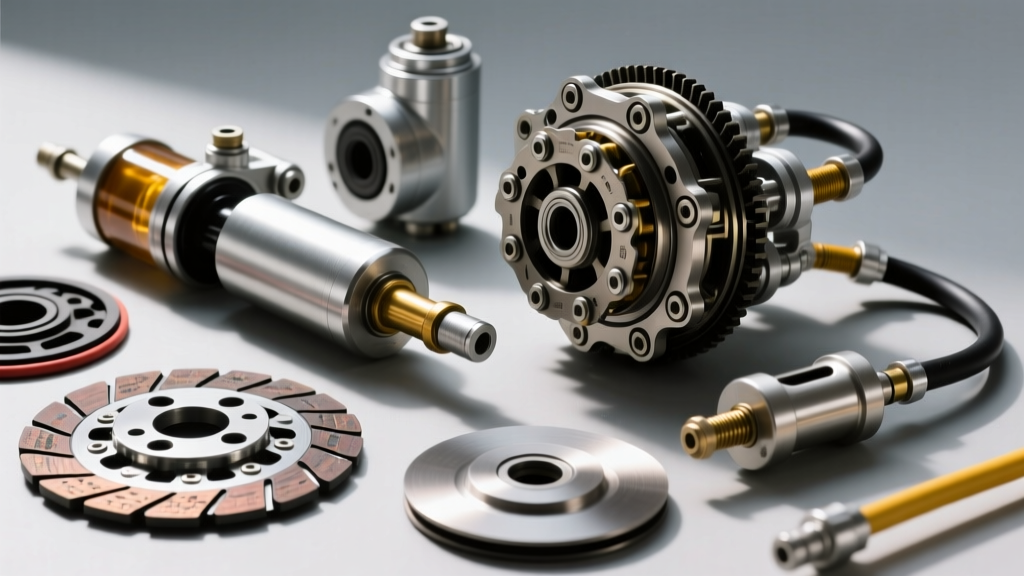
Aftermarket adjustable pivot balls (such as the McLeod Part #16-1010 or equivalent offerings found via RAM Clutches Tech Support) are essential when installing aftermarket clutch kits. Because aftermarket pressure plates often have different diaphragm spring heights than OEM units, an adjustable pivot ball allows you to dial in the exact fulcrum height. This restores the factory clutch fork geometry, ensuring optimal clamping force and preventing both slipping and incomplete disengagement.
2. Upgrade to a Forged or Billet Fork
For track vehicles or heavy-duty towing applications, replace the stamped steel OEM fork with a forged steel or CNC-machined billet aluminum fork. These units feature hardened, replaceable pivot pads and eliminate the flex inherent in stamped steel, providing a direct, 1:1 pedal feel and consistent engagement.
3. Real-World Cost Breakdown (2026 Estimates)
When budgeting for this specific repair, factor in the following realistic market rates:
- OEM Replacement Pivot Ball & Fork: $85 - $160 (Parts only)
- Aftermarket Adjustable Pivot Ball: $45 - $95
- Billet/Heavy-Duty Clutch Fork: $180 - $350
- Labor (Transmission R&R & Inspection): $900 - $1,600 (Varies heavily by drivetrain layout; AWD and transverse FWD applications command the higher end of the spectrum).
Final Diagnostic Takeaways
Answering the question 'what does clutch slipping mean?' requires looking beyond the friction surfaces. The clutch release mechanism is a precision instrument. A wear groove of just thirty-thousandths of an inch on a pivot ball can rob a pressure plate of hundreds of pounds of clamping force. By utilizing boroscopic inspections, adhering to strict torque specifications, and respecting the physics of lever geometry, you can accurately diagnose fork and pivot issues, saving the customer from premature clutch failure and repeat repair visits. Always measure twice, lubricate sparingly, and never ignore the fulcrum.