The Engineering of the TRX-4M Open Differential
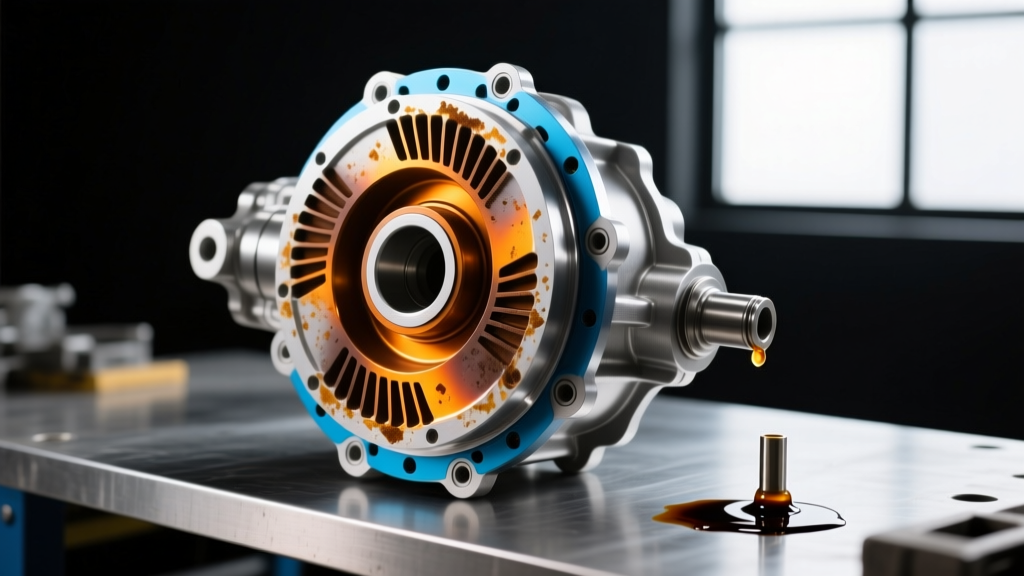
While full-size off-road trucks like the Ram TRX and Ford Raptor dominate automotive drivetrain discussions, the 1/18 scale Traxxas TRX-4M has revolutionized micro-crawling by scaling down complex automotive engineering into a highly detailed, fully functional chassis. At the heart of the TRX-4M's front and rear axles is a true micro open differential. Much like a standard automotive open differential found in a Dana 30 or a Toyota 8-inch axle, the TRX-4M unit utilizes a ring and pinion gear set, spider gears, side gears, and a cross-pin to distribute torque. However, because an open differential inherently routes power to the wheel with the least resistance, crawling over uneven terrain often results in a single spinning wheel while the rig remains stranded.
To solve this without the mechanical complexity and weight of a micro locking differential, Traxxas engineers designed the TRX-4M differential housing to be packed with high-viscosity silicone fluid or premium grease. This creates a shear-dependent limited-slip effect, allowing the wheels to differentiate at low speeds while effectively locking under high-torque crawling loads. Understanding how to properly service, drain, and tune this fluid is critical for maintaining drivetrain efficiency, preventing gear wear, and optimizing traction bias.
Why Petroleum 75W-90 Fails in Micro Drivetrains
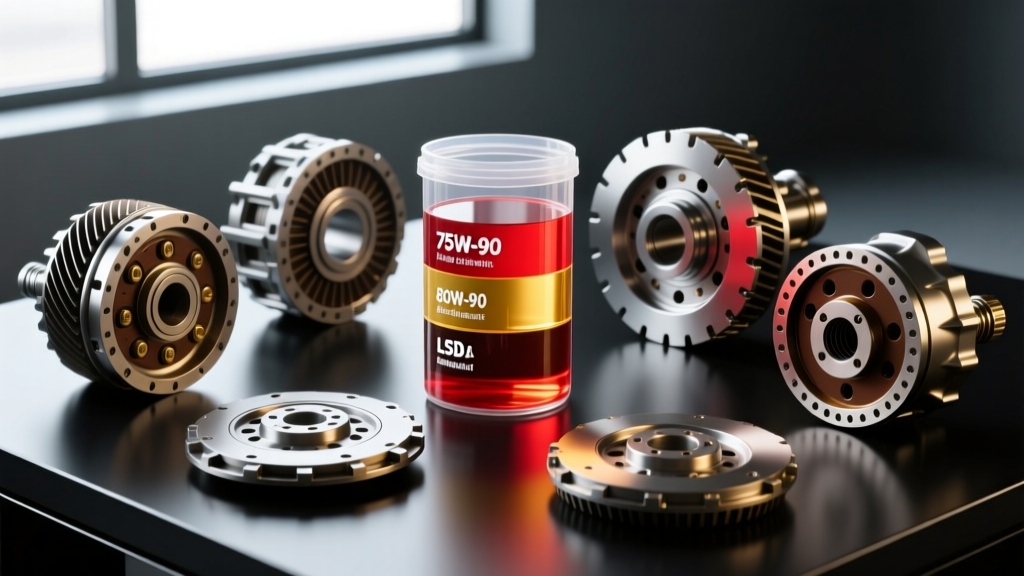
A common mistake made by enthusiasts transitioning from 1:1 scale automotive mechanics to high-end RC crawlers is attempting to use standard petroleum-based gear oils, such as 75W-90 or 80W-90 GL-5, in the TRX-4M differential. This is a catastrophic error for micro-drivetrains for several reasons:
- Viscosity Index and Shear Stability: Standard automotive gear oils rely on complex additive packages designed for high-temperature, high-RPM environments. In the low-speed, high-torque, low-RPM environment of a micro crawler, these fluids fail to maintain a protective hydrodynamic film on the sintered metal spider gears.
- Capillary Action and Leakage: Petroleum gear oils have a high capillary creep rate. They will rapidly wick past the micro O-rings and seal surfaces of the TRX-4M differential case, contaminating the slipper clutch and motor components.
- Yellow Metal Corrosion: Many GL-5 gear oils contain extreme pressure (EP) additives, such as sulfur-phosphorus compounds, which are actively corrosive to the brass and bronze bushings used in micro portal axles and outdrive cups.
Instead, the industry standard—and the manufacturer's strict recommendation—is to use specialized high-weight silicone differential fluids or synthetic lithium-based micro greases. According to the official Traxxas parts manuals, silicone fluids provide the exact shear-stability required to tune the differential's locking behavior without damaging the micro-tolerances of the axle housing.
TRX-4M Differential Tuning Matrix
Selecting the correct fluid weight is essentially tuning your rig's traction management system. The higher the centistokes (cSt) rating, the more the differential resists wheel spin, acting closer to a spool or locked axle. Below is a comprehensive tuning matrix based on independent drivetrain stress tests and community consensus featured on RC Driver and advanced crawler forums.
| Lubricant Type | Part Number | Viscosity / Weight | Crawling Behavior | Ideal Terrain |
|---|---|---|---|---|
| Silicone Diff Fluid | #8832 | 100,000 cSt | True Open Diff (High differentiation) | Flat trails, high-speed dirt, carpet |
| Silicone Diff Fluid | #8852 | 500,000 cSt | Limited Slip (Balanced crawling) | Moderate rock crawling, mixed dirt |
| Silicone Diff Fluid | #8892 | 1,000,000 cSt | Near-Locked (Minimal differentiation) | Steep rock ledges, extreme side-hilling |
| Premium Grease | #5041 | N/A (Semi-Solid) | Progressive Lock (Temp & Load dependent) | All-terrain, muddy conditions, water |
Note: Most TRX-4M owners prefer Traxxas Premium Grease (#5041) or 500,000 cSt silicone fluid for the best balance of steering radius and forward crawling traction.
Required Tools and Consumables
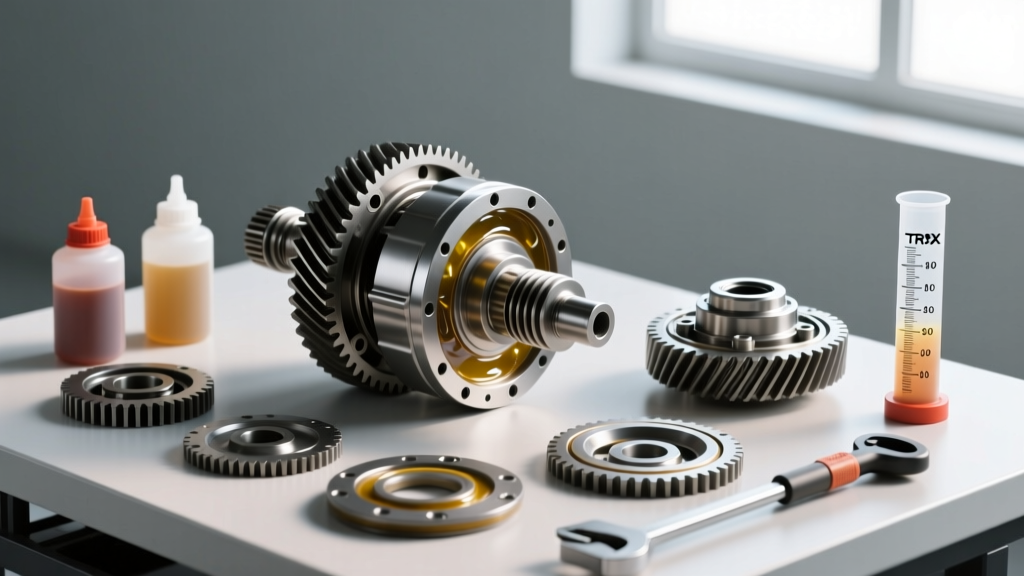
Before beginning the teardown, ensure your workbench is equipped with the proper micro-mechanics tools. Using improper tooling will strip the soft M2 hardware and ruin the differential casing.
- Hex Drivers: High-quality 2.0mm and 1.5mm steel hex drivers (Ti-Ni coated preferred).
- Torque Driver: A calibrated micro torque screwdriver capable of measuring 0.5 Nm to 2.0 Nm (approx. 4 to 18 in-oz).
- Cleaning Agents: 99% Isopropyl Alcohol (IPA) and lint-free microfiber swabs.
- Consumables: Traxxas Silicone Diff Fluid (#8852) or Premium Grease (#5041), replacement diff O-rings (#8848), and replacement M2x10mm case screws if originals are fatigued.
- Precision Calipers: For checking gear lash and spider gear wear.
Step-by-Step TRX-4M Differential Service Procedure
Step 1: Axle Assembly Removal
Begin by removing the wheels using a 7mm nut driver. Next, detach the axle housing from the chassis. You will need to unbolt the upper and lower suspension links (using the 2.0mm hex) and disconnect the driveshaft from the transfer case output yoke. Carefully slide the complete axle assembly out of the chassis. This provides unobstructed access to the differential pumpkin.
Step 2: Splitting the Differential Case
The TRX-4M differential is housed in a two-piece clamshell design secured by four M2x10mm Phillips/hex screws. Using your precision driver, remove these four screws in a crisscross pattern to relieve tension evenly. Gently pry the two halves of the differential case apart using a plastic spudger. Do not use metal screwdrivers to pry the case halves, as scoring the mating surface will result in permanent fluid leaks and structural weakness.
Step 3: Component Extraction and Inspection
Once the case is open, carefully extract the ring gear assembly, the spider gear cross-pin, the four spider gears, and the two side gears. Pay close attention to the micro shims located behind the side gears; these dictate your gear lash and must not be lost. Inspect the sintered metal spider gears for galling or chipped teeth. The cross-pin should be smooth; any scoring indicates that the differential was previously run dry or with degraded fluid, necessitating a full gear replacement kit.
Step 4: Deep Cleaning
Thoroughly clean all metal components, the inside of the differential case halves, and the outdrive cups using 99% Isopropyl Alcohol. Old silicone fluid and grease will leave a sticky residue that prevents the new fluid from seating properly. Use a soft-bristled brush to clean the ring and pinion teeth. Allow all components to air dry completely; any trapped moisture will degrade the new silicone fluid over time.
Step 5: Packing and Sealing
If using Silicone Fluid (e.g., 500k cSt), apply a generous bead to the spider gears and cross-pin before assembling them into the side gears. Once the gear cluster is inserted into the differential case half, fill the remaining cavity until the fluid is level with the axis of the cross-pin. Do not overfill, as hydraulic lock will prevent the case from sealing and can crack the plastic housing under torque. If using Premium Grease, pack the grease directly into the spider gear teeth and smear a layer inside the case halves. Grease is less prone to leaking and is highly recommended for rigs that frequently encounter water or deep mud.
Step 6: Reassembly and Torque Specifications
Replace the differential O-ring with a new one, lightly coating it with a dab of grease to ensure it seats without pinching. Mate the two case halves together, ensuring the ring gear aligns perfectly with the pinion gear in the axle housing. Insert the four M2x10mm case screws. Using your micro torque driver, tighten the screws in a star pattern to exactly 1.2 Nm (10.6 in-oz). Over-torquing will strip the threads or warp the case, causing the spider gears to bind and the drivetrain to cog.
Service Intervals and Preventative Maintenance
Unlike full-size automotive differentials that can run 50,000 miles between fluid changes, the TRX-4M's micro-drivetrain operates under extreme load relative to its size and is highly susceptible to environmental contamination. Adhere to the following maintenance schedule to ensure optimal drivetrain longevity:
- Standard Dry Crawling: Inspect and replace fluid/grease every 15 to 20 hours of runtime.
- Wet or Muddy Conditions: Service immediately after exposure. Water ingress will emulsify grease and destroy the shear properties of silicone fluid, leading to rapid gear wear.
- Post-Rebuild Break-In: After installing a brand new ring, pinion, or spider gear set, perform an initial fluid change after just 2 hours of runtime to flush out microscopic metallic wear particles from the manufacturing process.
By treating the TRX-4M open differential with the same mechanical rigor and precision as a full-size automotive axle, you ensure consistent crawling performance, predictable traction bias, and a significantly extended lifespan for your micro-drivetrain components. For further exploded diagrams and part schematics, always refer to the official TRX-4M product support page.