Why Heavy-Duty Axles Demand an Auto Differential Blood Test
In the world of truck and SUV performance, enthusiasts obsess over dyno sheets, turbo spool times, and suspension travel. Yet, the final link in the drivetrain—the differential—is often ignored until it catastrophically fails on the trail or highway. For modern trucks and SUVs pushing massive torque, towing heavy loads, or turning oversized tires, standard maintenance intervals are no longer sufficient. This is where the auto differential blood test comes into play.
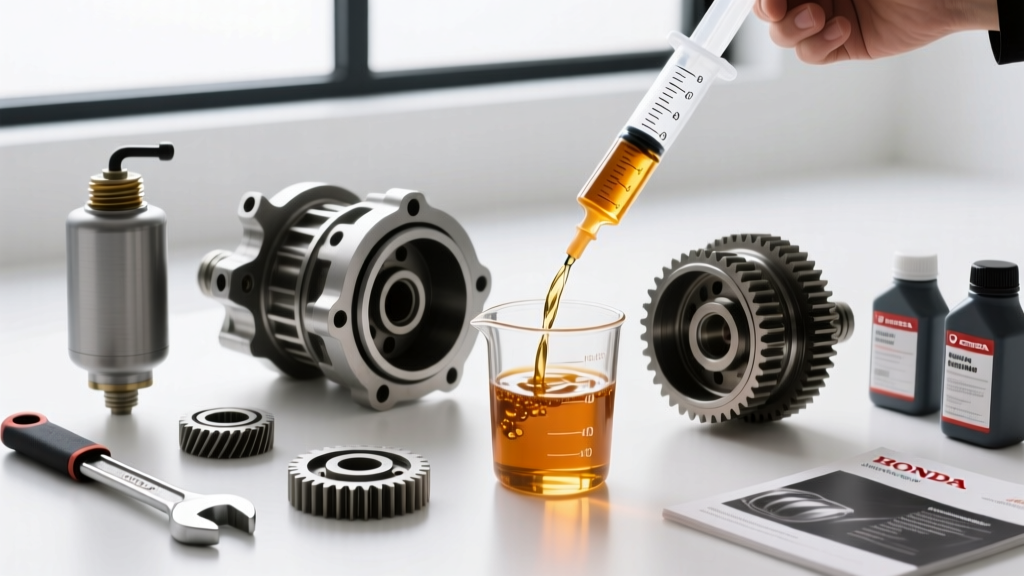
Borrowing a concept from aviation and heavy industry, an auto differential blood test is more formally known as Used Oil Analysis (UOA). Just as a medical blood test reveals hidden cholesterol or organ stress long before a heart attack occurs, UOA analyzes your gear oil at a microscopic level. It detects wear metals, water intrusion, and additive depletion, giving you a precise, data-driven look at the health of your ring and pinion, bearings, and limited-slip clutches.
Whether you are running a Dana 60 in a Jeep Wrangler Rubicon, an AAM 11.5-inch in a Chevy Silverado 2500HD, or a Ford 10.5-inch in an F-250, performing an auto differential blood test is the ultimate proactive performance upgrade. It dictates whether you need to switch to a higher-viscosity synthetic, install an extended breather kit, or prepare for a full differential rebuild.
Decoding the Auto Differential Blood Test Results
When you send a 3-ounce sample of your differential gear oil to a lab like Blackstone Laboratories, they run it through a spectrometer. Understanding the results is critical for truck and SUV owners who subject their axles to high GAWR (Gross Axle Weight Rating) loads and off-road abuse.
| Element | Source Component | Normal Range (PPM) | Warning Threshold | What It Means for Your Truck |
|---|---|---|---|---|
| Iron (Fe) | Ring & Pinion Gears, Axle Shafts | 20 - 120 | > 250 | High iron indicates gear wear. Common in new axles (break-in), but a spike in an older Dana 60 means the gear mesh is failing or lubrication is breaking down under towing loads. |
| Copper (Cu) | Thrust Washers, Bearings | 10 - 40 | > 80 | Copper is used in differential side gears and bearing cages. Elevated copper points to aggressive clutch-pack wear in LSDs or failing pinion bearings. |
| Lead (Pb) | Bearing Solder, Gear Coatings | 0 - 15 | > 30 | Often found in older axle bearing alloys. A spike means a bearing is disintegrating and needs immediate replacement before it scores the axle housing. |
| Silicon (Si) | Dirt, Dust, Sealant | 0 - 15 | > 25 | Silicon is dirt. High levels mean your axle breather is clogged, or water/mud is being sucked past the axle seals during water crossings. |
| Water (H2O) | Environmental Intrusion | 0 - 0.5% | > 1.0% | Water turns gear oil into an acidic sludge. If your UOA shows water, you need extended axle breather kits and new seals immediately. |
Performance Fluid Upgrades Based on UOA Data
The factory-recommended 75W-90 gear oil is engineered for stock trucks with stock tires cruising at highway speeds. Once you add a leveling kit, 35-inch mud-terrain tires, and a tuning module, the thermal load on the ring and pinion increases exponentially. According to engineering data from Spicer Parts (Dana), larger tires effectively lower your numerical gear ratio, forcing the differential to operate at higher temperatures and lower in the powerband, generating immense friction.
When to Upgrade to 75W-140 Synthetic
If your auto differential blood test shows high Iron and a drop in oil viscosity, it is time to upgrade to a 75W-140 full synthetic. Heavy-duty fluids maintain their hydrodynamic film strength at the extreme pressures generated between the hypoid gear teeth.
- Amsoil Severe Gear 75W-140: Excellent for heavy towing and off-roading. Contains high levels of extreme pressure (EP) additives to protect the ring and pinion under shock loads.
- Red Line 75W140 NS (Non-Slip): Crucial for trucks equipped with Detroit Lockers, Lockright lunchbox lockers, or full spools. Standard gear oils contain friction modifiers that can cause improper engagement or chatter in mechanical lockers.
- Mobil 1 Delvac 1 Gear Oil 75W-140: A commercial-grade staple for fleet trucks and heavy-duty SUVs that see constant highway towing.
The Friction Modifier Dilemma
If your truck features a clutch-type Limited Slip Differential (LSD)—such as the Ford Trac-Lok, GM G80 (Eaton Gov-Lock uses a different mechanism, but clutch-based Eaton Positrac units require it), or Mopar Trac-Lok—you must add a friction modifier. Without it, the clutch packs will bind, resulting in tire chirping during low-speed turns and rapid clutch degradation (which will show up as high Copper in your next blood test).
OE Part Numbers to keep in your garage:
- Ford XL-3 Friction Modifier Additive (Part # E9FZ-19B546-A)
- GM Limited Slip Axle Lubricant Additive (Part # 1052358)
- Mopar Friction Modifier (Part # 04318083AB)
Step-by-Step: Extracting the Sample and Upgrading
Performing the service correctly ensures accurate UOA results and prevents stripped threads on expensive axle housings. Do not rely on the 'drain and pray' method; use a fluid evacuator to pull the sample from the bottom of the housing where heavy metals and sludge settle.
Tools Required
- Mityvac 7300 Fluid Evacuator (or similar pneumatic/manual pump)
- 1/4-inch OD clear tubing (to reach the bottom of the differential pan)
- Blackstone Labs UOA Test Kit
- Torque wrench (inch-pounds and foot-pounds)
Heavy-Duty Axle Torque Specifications
Stripping a fill plug on an aluminum or thin-walled steel differential housing is a costly mistake. Always adhere to OE torque specifications when resealing the axle. Below are the standard specs for popular truck and SUV axles:
- Dana 60 / Dana 70 (Jeep HD, Ford Super Duty, Dodge Ram):
- Cover Bolts: 35 - 40 lb-ft (Use a criss-cross pattern)
- Fill Plug: 25 - 35 lb-ft
- GM AAM 11.5-inch (Silverado/Sierra 2500HD/3500HD):
- Drain Plug: 25 lb-ft
- Fill Plug: 25 lb-ft
- Ford 10.5-inch (F-250/F-350 Super Duty):
- Fill Plug: 35 lb-ft
- Cover Bolts (if equipped, most are drain/fill plug only): 30 lb-ft
Pro-Tip for Off-Road SUVs: If you frequently run deep water crossings, replace your factory differential cover bolts with ARP 2000 series stainless studs. Factory bolts often rust into the housing, and extracting a snapped bolt from a Dana 44 or Dana 60 cover requires drilling and tapping, risking metal shavings entering the gear oil.
Addressing the Root Cause: Axle Breather Modifications
If your auto differential blood test reveals high Silicon (dirt) or Water, the issue is rarely the fluid itself—it is the axle breather. Factory breathers are often simple one-way valves located low on the axle tube or differential housing. When you plunge a hot axle into cold water, the rapid temperature drop creates a vacuum inside the housing. This vacuum sucks water and mud directly past the axle seals and into the gear oil.
The Upgrade: Install an extended axle breather kit. These kits route the breather line from the axle housing up into the engine bay or under the bed rail, terminating in a high-flow, water-resistant filter (similar to a PCV valve filter). This simple $40 modification equalizes pressure without allowing contaminants to enter, ensuring your next UOA comes back with pristine Silicon and Water metrics.
Conclusion: Data-Driven Drivetrain Longevity
Upgrading your truck or SUV's drivetrain isn't just about bolting on bigger gears or locking differentials; it is about ensuring those components survive the abuse you throw at them. By integrating an auto differential blood test into your annual maintenance routine, you transition from reactive repairs to predictive performance management. For less than the cost of a single tank of gas, a UOA provides the empirical data needed to select the right 75W-140 synthetic, diagnose failing pinion bearings, and keep your rig on the trail and out of the repair shop. Consult technical resources from Red Line Synthetic Oil to match your specific differential type with the correct chemistry, and let the data guide your next axle service.