The Z34 R200 Differential: A Preventive Maintenance Philosophy
As of 2026, the Nissan 370Z (Z34 chassis) remains a benchmark for analog sports car enthusiasts, but its aging drivetrain components demand rigorous preventive maintenance. At the heart of the Z34’s rear axle lies the robust R200 differential. While the R200 housing itself is nearly bulletproof, the internal Viscous Limited Slip Differential (VLSD) and the external mounting hardware are highly sensitive to thermal degradation and mechanical shock. Understanding your differential fluid color and condition is the single most effective diagnostic tool you have to predict internal wear before it cascades into catastrophic chassis-level failures.
Unlike modern electronic clutch-pack differentials found in newer sports cars, the 2014 370Z utilizes a fluid-coupled VLSD. This system relies heavily on the thermal stability of the surrounding gear oil to manage the intense heat generated by the internal silicone-based viscous coupling. When gear oil degrades, its heat-transfer properties plummet, leading to a chain reaction of drivetrain destruction that often ends with destroyed differential mounts.
Decoding Differential Fluid Color and Condition
The most critical step in any preventive maintenance guide is learning to read the story your gear oil tells. Differential fluid is subjected to extreme shear forces between the hypoid ring and pinion gears, which operate on a sliding friction plane rather than a rolling one. This requires specialized Extreme Pressure (EP) additives—typically sulfur-phosphorus compounds—that sacrifice themselves to protect the metal.
| Fluid Appearance | Odor Profile | Technical Diagnosis | Required Action |
|---|---|---|---|
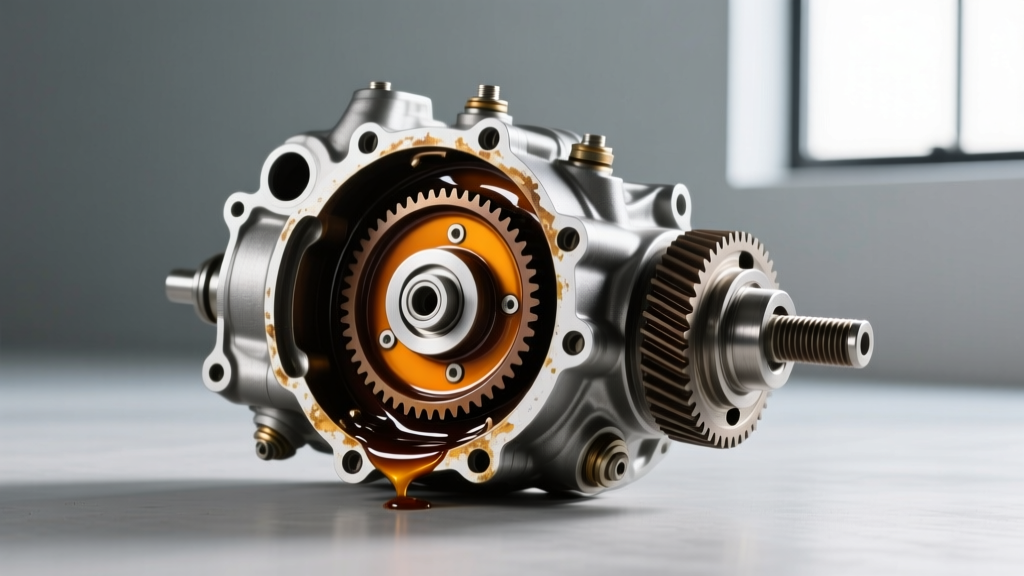
| Translucent Amber / Honey | Mild, sulfurous (normal) | Fresh or lightly used GL-5 gear oil. EP additives are fully intact. | No action required. Continue standard 30k-mile intervals. |
| Opaque Dark Brown / Black | Sharp, acrid, burnt toast | Thermal breakdown. EP additives are depleted. High risk of VLSD coupling failure due to poor heat dissipation. | Immediate drain and fill. Inspect drain plug for excessive metallic paste. |
| Milky / Chocolate Milk | Musty, damp | Water intrusion. Emulsification has occurred, destroying the oil's hydrodynamic boundary layer. Often caused by failing axle seals or submerged rear-end driving. | Immediate flush. Replace axle seals and inspect vent tube for blockages. |
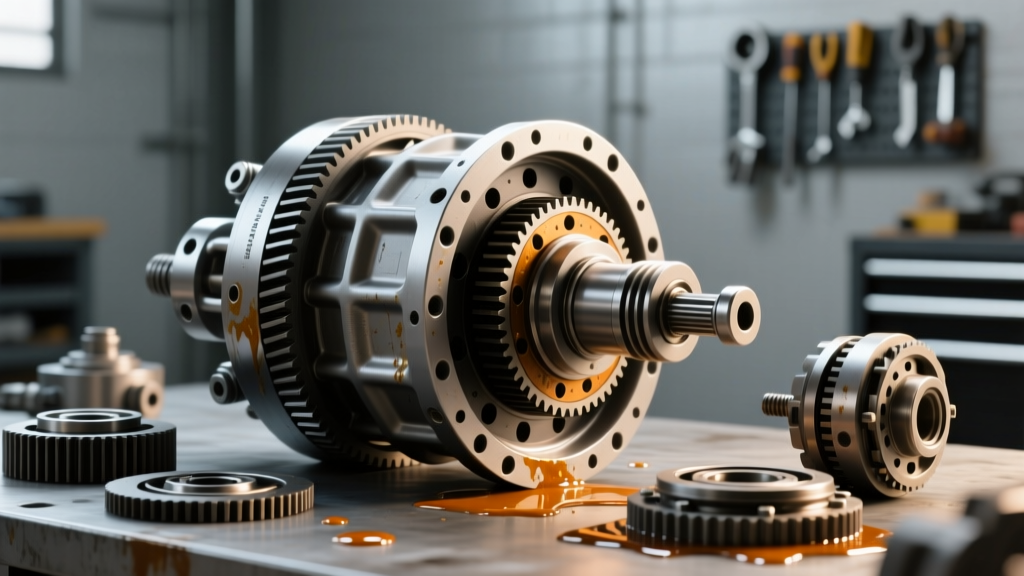
| Grey with Metallic Glitter | Heavy metallic / iron scent | Active hypoid gear wear or VLSD clutch drum degradation. The 'glitter' is suspended bearing or gear material. | Drain immediately. Magnetic plug analysis required. Prepare for R200 rebuild or OS Giken upgrade. |
The Bushing Connection: Why Fluid Degradation Destroys Mounts
It is a common scenario in the Z34 community: an owner experiences violent wheel hop under hard acceleration or a jarring clunk during 1st-to-2nd gear shifts. Consequently, they spend hours online searching for a 2014 Nissan 370Z rear differential bushing replacement instructions diagram to address the physical symptoms. While replacing the OEM rubber differential bushings (and the associated rear subframe inserts) is necessary to restore chassis rigidity, it is often treating the symptom rather than the disease.
When differential fluid degrades and the internal VLSD begins to slip or bind erratically due to thermal saturation, it introduces severe harmonic shock and drivetrain lash into the rear axle assembly. The OEM rubber bushings are designed to absorb minor NVH (Noise, Vibration, and Harshness), not the violent torsional twisting caused by a failing limited-slip mechanism. By neglecting to monitor your differential fluid condition, you are effectively allowing the R200 to act as a sledgehammer against your chassis mounts. Preventive fluid analysis is, therefore, the first line of defense in preserving your differential bushings and subframe geometry.
R200 Fluid Specifications, Capacity, and Torque Data
To maintain the structural integrity of the VLSD and the hypoid gear set, strict adherence to Nissan’s fluid specifications is mandatory. The R200 differential requires an API GL-5 rated gear oil. Using GL-4 is strictly prohibited, as it lacks the necessary sulfur-phosphorus EP additives required for the high-sliding friction of hypoid gears, which will lead to rapid pitting and spalling of the ring gear teeth.
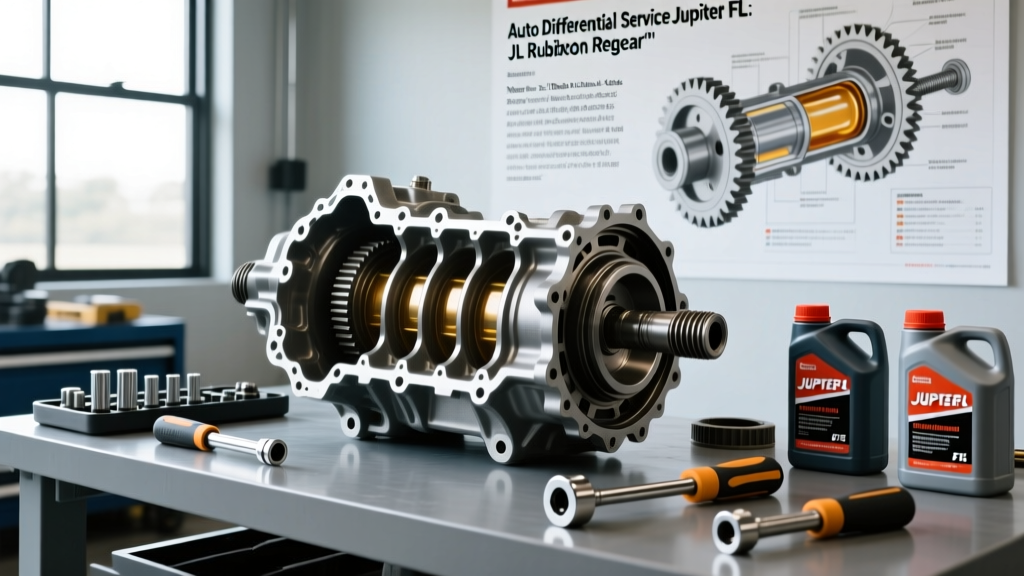
- Recommended Fluid: Nissan OEM GL-5 75W-90 (Part # 999MP-L2759P) or Motul Gear 300 75W-90 (Fully Synthetic).
- Total Capacity: 1.2 Liters (1.27 US Quarts). Purchase two quarts to allow for pumping overflow during the fill procedure.
- Drain Plug Torque: 35 Nm (26 lb-ft).
- Fill Plug Torque: 35 Nm (26 lb-ft).
- Tool Requirement: 10mm Hex (Allen) socket for both drain and fill plugs.
"Never open the drain plug before confirming the fill plug is loose. If the fill plug is seized or stripped, draining the differential will leave your 370Z stranded on the lift until the housing can be removed and machined." — Senior Drivetrain Technician, Z1 Auto Drivetrain Department
Step-by-Step Fluid Condition Check & Preventive Service
Performing a condition-based analysis requires more than just a visual glance. Follow this exact procedure to accurately assess the health of your Z34’s rear axle:
- Temperature Normalization: Drive the vehicle for 15-20 minutes to bring the differential fluid to operating temperature (approx. 140°F - 160°F). Warm fluid suspends metallic particles and flows more completely during the drain.
- Vehicle Elevation: Raise the 370Z on a level hoist or four jack stands. The differential must be perfectly level to ensure an accurate fill later.
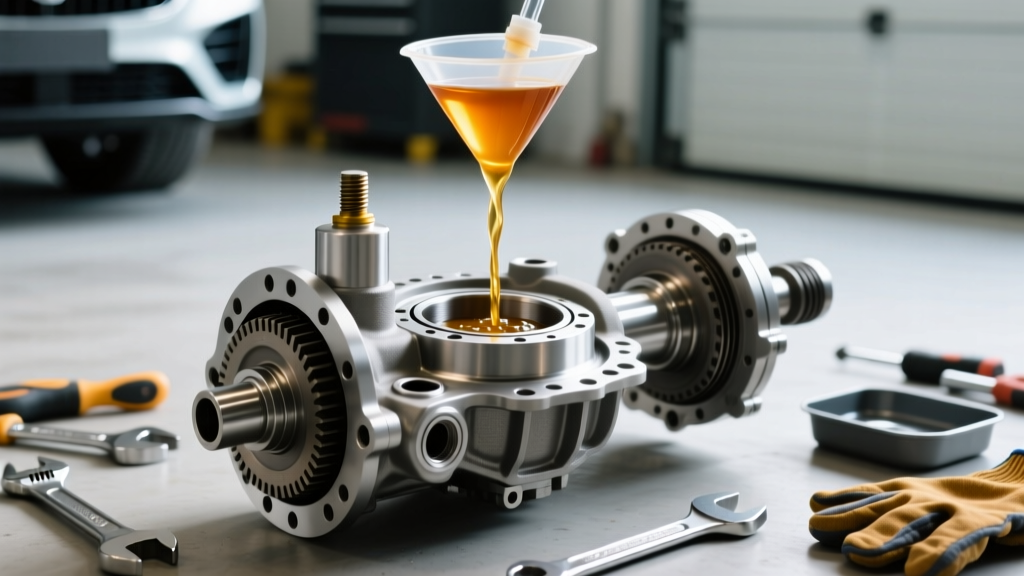
- Extraction and Catch Analysis: Remove the fill plug first, followed by the drain plug. Drain the fluid into a clean, white or translucent catch pan. The white background is crucial for spotting fine metallic glitter and assessing the true color of the oil.
- Magnetic Plug Inspection: Wipe the magnetic drain plug with a white paper towel. A fine, dark grey paste is normal wear from the clutch packs and gear mating. Chunky metal shards or recognizable needle bearings indicate catastrophic internal failure.
- Refill Procedure: Reinstall and torque the drain plug to 26 lb-ft. Using a fluid transfer pump, inject the 75W-90 GL-5 fluid into the fill hole until it begins to weep out of the opening. This confirms the fluid level is exactly at the internal dam weir.
Sourcing Parts and Real-World Costs (2026 Pricing)
Whether you are simply performing a preventive fluid exchange or preparing for a full bushing overhaul due to previous neglect, understanding current market pricing is essential for budgeting your Z34 maintenance. According to parts data from Concept Z Performance, here is what you can expect to spend in 2026:
- Premium Synthetic Gear Oil (2 Quarts): $35 - $55
- OEM Drain/Fill Plug Crush Washers: $4 - $8
- Aftermarket Polyurethane Diff Bushing Inserts (e.g., SPL Parts): $120 - $180
- Complete Subframe & Diff Bushing Kit (Z1 Auto / Energy Suspension): $250 - $400
- Professional Labor (Fluid Service): $80 - $120
- Professional Labor (Subframe Drop & Bushing Press): $600 - $950
Conclusion: The Preventive Advantage
The 2014 Nissan 370Z is a precision machine that rewards meticulous owners with unparalleled driving dynamics. By treating differential fluid condition analysis as a core pillar of your preventive maintenance schedule, you protect not only the internal VLSD and hypoid gears but also the external chassis components that bear the brunt of drivetrain abuse. Read the oil, respect the torque specs, and you will keep your Z34 planted, predictable, and free from the dreaded wheel hop for years to come.