The Real Cost of Honda Real Time AWD Maintenance in 2026
Honda’s Real Time AWD system, found in popular models like the CR-V, Pilot, Ridgeline, Element, and HR-V, relies on a highly specialized rear differential to distribute torque. Unlike traditional mechanical limited-slip differentials or heavy-duty locking units found in off-road trucks, Honda utilizes a hydraulically actuated wet-clutch system. This system is incredibly efficient but entirely dependent on the chemical integrity of its lubricant. As we navigate 2026 service pricing, understanding the true cost of maintaining your Honda rear differential is critical for preventing catastrophic drivetrain failures. Neglecting this relatively inexpensive preventive maintenance can lead to clutch pack glazing, binding, and eventual differential replacement—a repair that routinely exceeds $1,800 at modern dealership labor rates.
2026 Service Pricing Breakdown: Dealership vs. Independent vs. DIY
The cost of a rear differential drain-and-fill varies wildly depending on where you take your vehicle. In 2026, dealership flat-rate labor averages between $160 and $220 per hour, while independent shops generally hover around $110 to $150 per hour. Below is a comprehensive cost comparison for a standard Honda Dual Pump II differential fluid service.
| Service Provider | Parts Cost (OEM) | Labor Rate / Time | Estimated Total (2026) |
|---|---|---|---|
| Authorized Honda Dealership | $30 - $38 | $180/hr (1.0 hr flat rate) | $210 - $258 |
| Independent Import Specialist | $25 - $35 | $130/hr (0.6 hr) | $103 - $148 |
| DIY (Driveway Service) | $28 (Fluid + Washers) | Free (45 mins) | $28 - $45 (with tool amortization) |
While the dealership route offers OEM documentation and peace of mind, the DIY route is exceptionally cost-effective. The rear differential on a Honda is easily accessible, and the drain-and-fill procedure requires only basic hand tools, making it one of the highest-ROI preventive maintenance tasks an owner can perform.
Why Honda Dual Pump II (DP-II) Fluid is Non-Negotiable
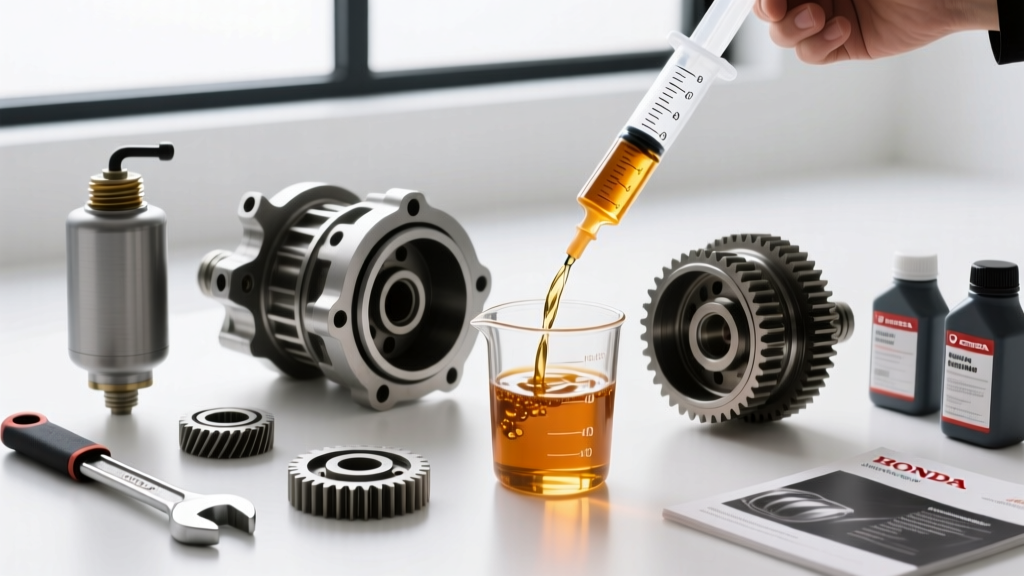
The most common mistake owners make is attempting to substitute Honda Dual Pump II fluid with generic 75W-90 gear oil or standard Automatic Transmission Fluid (ATF). This is a fatal error for the Real Time AWD system. According to the Honda Owners Portal, the rear differential requires fluid that meets the exact DP-II specification (OEM Part Number 08200-9007, which supersedes the older 08200-9003).
To understand why, you must understand the mechanics. The Honda dual-pump assembly features two hydraulic pumps: one driven by the front axle via the transfer case, and one driven by the rear axle. Under normal cruising conditions, both pumps spin at the same speed, maintaining equal hydraulic pressure, and the rear clutch pack remains disengaged (FWD mode). When the front wheels lose traction and spin faster than the rears, a pressure differential is created. This pressure forces the wet-clutch pack to engage, seamlessly sending torque to the rear wheels.
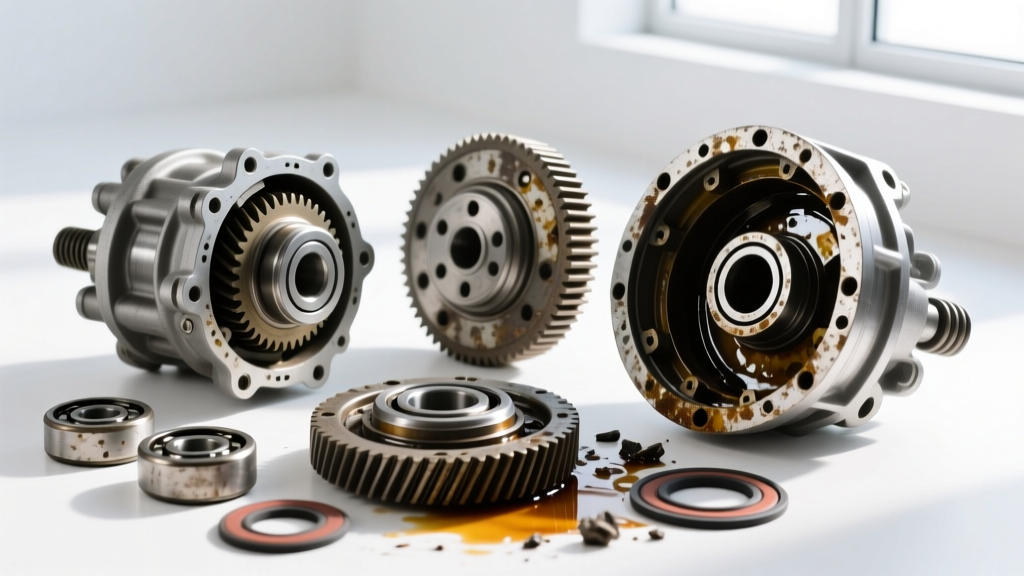
DP-II fluid contains highly specific friction modifiers designed exclusively for these wet clutches. Standard gear oil lacks these modifiers, causing the clutches to grab aggressively, chatter, and eventually glaze over. If you use the wrong fluid, you will experience the infamous 'tight turn groan'—a shuddering, binding sensation when turning at low speeds, such as pulling into a parking space. Once the clutch pack is glazed from improper fluid, a simple fluid change will not fix the issue; the differential must be rebuilt or replaced.
DIY Service Guide: Capacities, Torque Specs, and Tool Costs
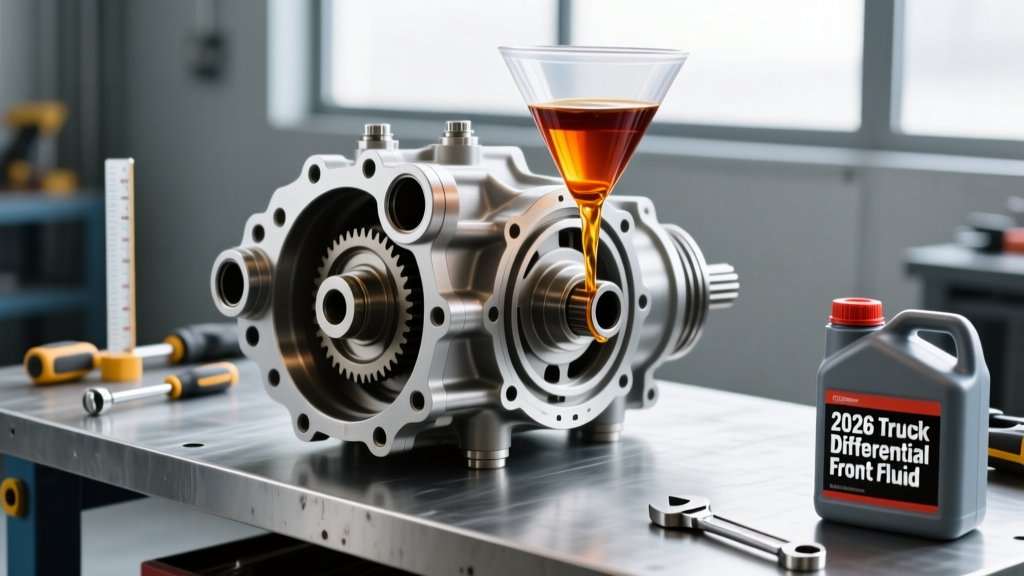
If you opt for the DIY route, you must adhere to strict mechanical specifications. Sourcing the fluid is straightforward; retailers like Honda Parts Now or local dealerships typically charge between $12 and $16 per quart for OEM DP-II fluid. You will need to purchase two quarts, as the system requires approximately 1.2 quarts (1.14 Liters) for a complete drain and fill.
Required Tools and Materials
- Fluid: 2 Quarts of Honda Dual Pump II (08200-9007)
- Crush Washers: Four 18mm aluminum crush washers (Part # 90471-PX4-000) — approx. $2 each
- Tools: 3/8-inch or 1/2-inch square drive ratchet (depending on model year), fluid transfer pump, drain pan, and a 10mm socket (for some newer skid plate fasteners)
Critical Torque Specifications
Both the fill plug and the drain plug are located on the rear differential housing. The fill plug is positioned higher up on the differential, while the drain plug is at the lowest point. Always remove the fill plug first. If you drain the fluid and then discover the fill plug is seized or stripped, you will be left with an immobile vehicle. After draining the old fluid and reinstalling the drain plug with a new crush washer, torque it to exactly 33 lb-ft (45 Nm). Fill the differential with the new DP-II fluid until it begins to weep out of the fill hole, reinstall the fill plug with a new washer, and torque it to 33 lb-ft (45 Nm).
Preventive Maintenance Intervals: When Should You Pay for This?
Honda’s official maintenance minder system does not always explicitly track rear differential fluid life under 'normal' driving conditions, often suggesting inspection rather than replacement. However, as drivetrain experts, we strongly advise treating the rear differential as a 'severe service' component. The Real Time AWD system engages frequently in rain, snow, or during aggressive acceleration, subjecting the fluid to high shear forces and thermal degradation.
- Severe Conditions (Towing, Snow, Off-Road, City Driving): Replace every 15,000 to 20,000 miles.
- Normal Highway Driving: Replace every 30,000 to 45,000 miles.
- Break-in Period: The first fluid change should occur at 15,000 miles to remove microscopic metallic particulates from the initial wear-in of the clutch plates and ring-and-pinion gears.
If you begin to hear a groaning or moaning noise from the rear of the vehicle during low-speed, full-lock steering maneuvers, the friction modifiers in your DP-II fluid have broken down. Performing two back-to-back drain-and-fill services (driving the vehicle for a few miles between each service to circulate the fluid through the clutch pack) can often revive a groaning differential if caught early.
Dealership Upsells to Avoid: The 'Flush' Myth
When seeking professional service, be highly suspicious of any shop that offers a 'differential flush' using a pressurized machine. The Honda Real Time AWD rear differential is not designed to be flushed under pressure. Pressurized fluid can force contaminants into the delicate hydraulic pump clearances or damage the internal seals of the clutch pack actuator. Furthermore, a machine flush uses significantly more fluid, artificially inflating your parts cost from $30 to over $80. Always insist on a manual 'drain-and-fill' service. This guarantees the correct fluid volume is used, allows the technician to inspect the magnetic drain plug for excessive metallic shavings, and ensures the system is serviced exactly as Honda engineers intended.
Final Thoughts on Drivetrain Longevity
In 2026, the cost of replacing a failed Honda rear differential assembly can easily surpass the $2,000 mark when factoring in OEM parts and dealership labor rates. Conversely, a preventive drain-and-fill using genuine Honda Dual Pump II fluid costs less than $40 in parts and takes under an hour of DIY labor. By adhering to strict 30,000-mile service intervals, utilizing the correct 33 lb-ft torque specifications, and refusing to compromise on OEM fluid chemistry, you ensure your Real Time AWD system remains responsive, silent, and reliable for the lifetime of your vehicle.