Decoding the Drivetrain: What Are Differentials on a Truck?
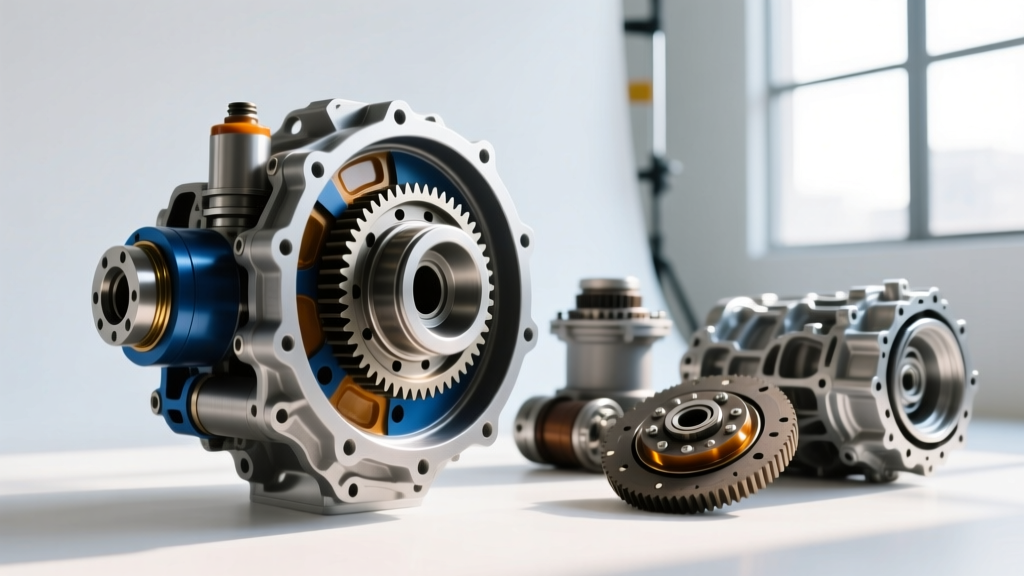
When off-road builders, heavy-duty towers, and performance enthusiasts ask, 'what are differentials on a truck,' the answer extends far beyond a simple metal housing at the end of the driveshaft. In a truck or SUV, the differential is the critical final reduction point in the drivetrain. It multiplies the rotational torque generated by the engine and transmission, while simultaneously allowing the left and right wheels to rotate at different speeds during cornering. For heavy-duty applications—such as towing 12,000-pound fifth-wheel trailers or crawling over 37-inch mud-terrain tires—the differential acts as a massive torque multiplier and, consequently, a severe heat sink.
Understanding the internal hypoid gear geometry and the fluid dynamics required to keep it alive is the cornerstone of truck performance maintenance. In this 2026 performance and upgrade guide, we bypass the generic owner's manual advice and dive deep into high-load differential maintenance, thermal management upgrades, and regearing strategies for popular truck axles.
The Chemistry of Hypoid Gear Protection: Beyond Stock Fluids
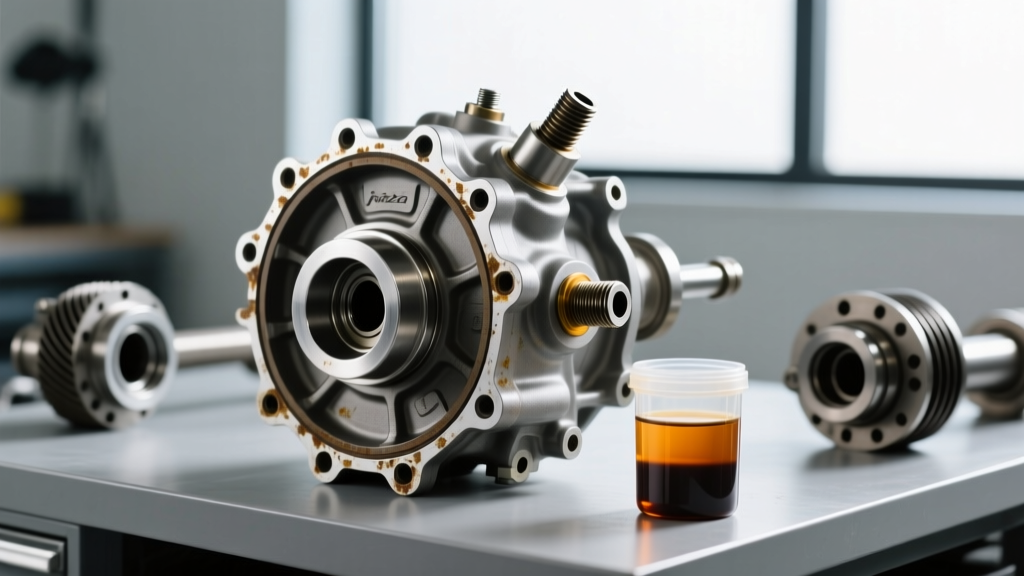
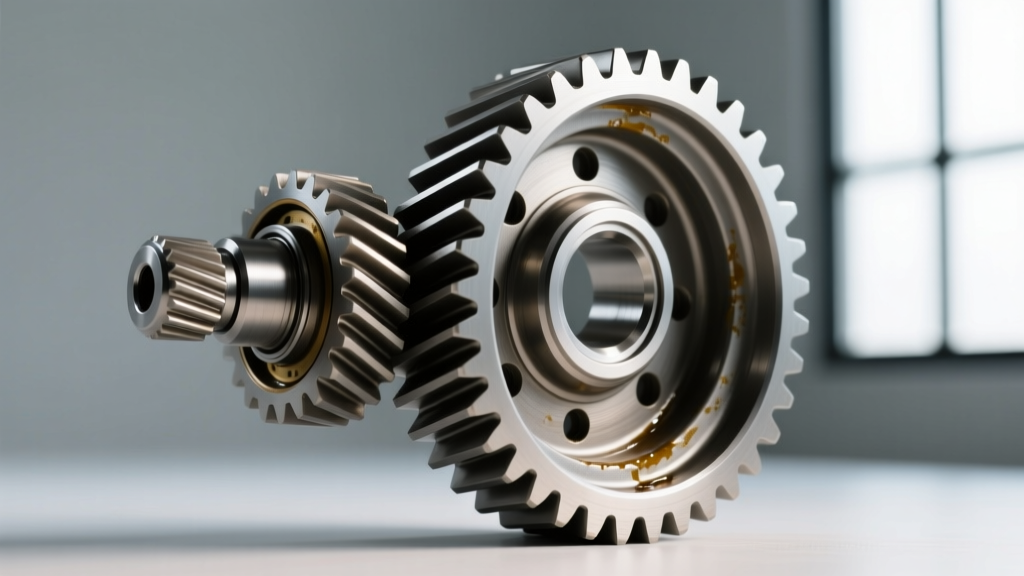
Most factory truck differentials utilize a hypoid ring and pinion gear set. Unlike standard spur gears, hypoid gears feature an offset pinion centerline, creating a massive amount of sliding friction along the gear teeth. This sliding action requires Extreme Pressure (EP) additives—specifically sulfur-phosphorus compounds found in API GL-5 rated gear oils—to prevent the protective oil film from shearing under load.
Viscosity Upgrades for Towing and Off-Road
While many modern light-duty SUVs and half-ton trucks leave the factory with 75W-85 or 75W-90 synthetic gear oil to maximize fuel economy, these lower viscosities are inadequate for sustained heavy towing or aggressive off-roading. When differential sump temperatures exceed 230°F (110°C), a 75W-90 fluid can lose its hydrodynamic film strength, leading to metal-on-metal contact and catastrophic ring gear galling.
The Performance Standard: Upgrading to a high-quality 75W-140 full synthetic GL-5 gear oil is the single most cost-effective performance maintenance step you can take. Synthetic base stocks (such as Polyalphaolefin or PAO) resist thermal breakdown far better than conventional petroleum oils, maintaining stable viscosity at 250°F+.
Limited-Slip Differentials and Friction Modifiers
If your truck is equipped with a clutch-type Limited Slip Differential (LSD)—such as the Ford Trac-Lok, GM Positraction, or Auburn Gear LSD—you must address clutch chatter. These differentials use carbon or Kevlar friction clutches that require a specific coefficient of friction to engage smoothly. Running straight GL-5 without a friction modifier will cause aggressive binding, tire chirping, and premature clutch pack destruction. Always add the manufacturer-specified modifier (e.g., Ford XL-3 or GM LSD additive) before topping off with your 75W-140 base fluid.
Heavy-Duty Axle Fluid Capacity & Specification Matrix
Maintenance precision requires exact specifications. Overfilling a differential can lead to fluid aeration and foaming, which destroys lubricity, while underfilling starves the pinion bearings. Below is a performance-oriented specification matrix for the most common heavy-duty truck axles on the road today.
| Axle Model | Common Application | Performance Fluid | Capacity (Approx) | Cover Bolt Torque |
|---|---|---|---|---|
| Dana 60 / Super 60 | Ford Super Duty, Dodge RAM HD | 75W-140 Synthetic GL-5 | 3.0 - 3.5 qts | 30 - 35 lb-ft |
| Sterling 10.5 | Ford F-250/F-350 (1999-2019) | 75W-140 + LSD Modifier | 3.5 - 4.0 qts | 33 lb-ft |
| GM 11.5 AAM | Chevy/GMC 2500HD/3500HD | 75W-140 Synthetic GL-5 | 3.8 - 4.2 qts | 25 lb-ft |
| Dana 80 | Dually / Heavy Commercial | 85W-140 Synthetic GL-5 | 4.0 - 4.5 qts | 35 lb-ft |
Note: Always verify exact fill levels via the fill-hole plug. The fluid should be level with the bottom of the fill hole threads when the axle is cold and on level ground.
Thermal Management: Upgrading Differential Covers
Fluid chemistry can only do so much if the heat cannot escape the axle housing. Stamped steel factory differential covers act as insulators. For trucks subjected to continuous mountain-grade towing or desert racing, upgrading the differential cover is a mandatory performance modification.
- Cast Aluminum Finned Covers: Brands like Mag-Hytec and PPE (Pacific Performance Engineering) offer cast aluminum covers with deep cooling fins. These increase fluid capacity by 1.5 to 2.5 quarts and utilize ambient airflow to drop sump temperatures by 15°F to 25°F. Expect to spend between $180 and $320 per axle.
- Internal Baffles and Sump Extensions: High-performance covers feature internal baffles that channel fluid directly over the ring gear and carrier bearings, preventing oil starvation during steep off-road articulation or heavy braking.
- Active Differential Coolers: For extreme-duty commercial or competition trucks, pump-driven external coolers (routing fluid to a front-mounted heat exchanger) are required. These systems cost upwards of $1,200 installed but keep fluid temps under 180°F regardless of load.
Regearing for Performance: Ring and Pinion Upgrades
No discussion on truck differential performance is complete without addressing effective gear ratios. When you install larger diameter tires on a truck, you effectively lengthen the final drive ratio, robbing the engine of its mechanical advantage. This forces the transmission (e.g., the 6L80, 10L80, or Aisin AS69RC) to constantly hunt for gears, generating excessive transmission heat and destroying fuel economy.
The Regearing Math
To find your target gear ratio, use the standard drivetrain formula:(Target RPM x Tire Diameter) / (MPH x 336) = Required Gear Ratio
For example, if you want your truck to cruise at 75 MPH with 37-inch tires at 1,900 RPM (the sweet spot for modern turbo-diesel torque curves), the math dictates a 4.56 or 4.88 ring and pinion set.
Cost and Precision Requirements
Regearing is not a simple bolt-on modification; it requires precision machining and setup. A high-quality Ring and Pinion set from Yukon Gear & Axle or Motive Gear will cost between $280 and $450. However, the installation requires a Master Bearing Kit (featuring Timken or Koyo bearings) costing around $160, plus specialized setup tools.
The pinion depth, carrier backlash (typically 0.006' to 0.010'), and gear tooth contact pattern must be perfect. A poorly setup gear set will whine under load and fail within 5,000 miles. Professional installation labor typically ranges from $800 to $1,400 per axle, but it is a non-negotiable investment for heavy trucks.
The Ultimate 10-Point Performance Differential Service Protocol
When performing your 30,000-mile or post-break-in (first 3,000 miles) differential service, follow this exact protocol to ensure longevity:
- Prep and Drain: Remove the fill plug *before* draining the fluid. (If the fill plug is seized or stripped, you do not want to be stranded with an empty axle).
- Cover Removal: Loosen the cover bolts in a crisscross pattern. Use a specialized gasket scraper or a plastic trim tool to break the RTV seal without gouging the mating surfaces.
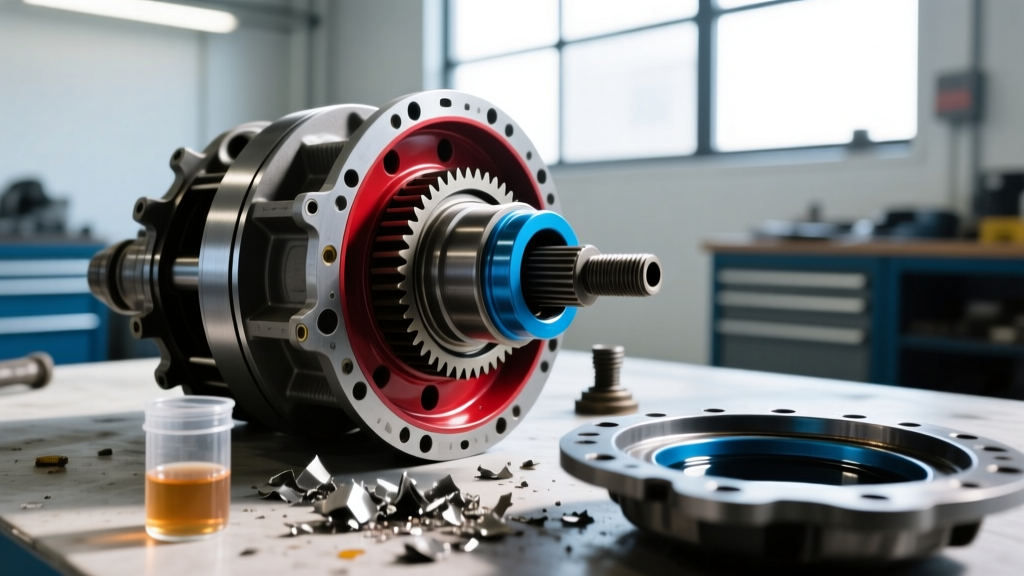
- Debris Analysis: Inspect the fluid and the housing magnet. Fine, grey metallic paste is normal wear. Shiny metallic flakes or chunks of spalled gear material indicate imminent bearing or gear failure.
- Chemical Cleaning: Spray the inside of the housing and the mating flange with non-chlorinated brake cleaner. Wipe completely dry with lint-free shop towels. Any leftover solvent will contaminate the new GL-5 fluid.
- RTV Application: Discard cork or paper gaskets. Use a high-temp, sensor-safe RTV silicone like Permatex Ultra Black or The Right Stuff. Apply a continuous 3mm bead, ensuring complete circles around every bolt hole.
- Curing Time: Allow the RTV to skin over (usually 15-30 minutes) before mating the cover, and wait at least 2 hours before filling with fluid to prevent the silicone from extruding into the gear mesh.
- Torque Sequence: Reinstall cover bolts and torque them in a star pattern to the exact specifications listed in the matrix above. Overtorquing will warp thin stamped steel covers and cause immediate leaks.
- Fluid Fill: Pump the 75W-140 synthetic fluid until it reaches the bottom of the fill hole threads.
- Friction Modifier: If equipped with a clutch-type LSD, add the exact dose of friction modifier, then top off with gear oil.
- Post-Service Test: Drive the truck and perform 10-15 tight, slow-speed figure-eight turns in an empty lot. This forces the clutch packs to engage and disengage, bedding the modifier into the friction material and eliminating chatter.
Conclusion: Protecting the Drivetrain Bottleneck
Understanding what differentials on a truck actually endure under heavy loads changes how you approach maintenance. By upgrading to severe-duty 75W-140 synthetic fluids, installing finned aluminum differential covers, and ensuring your ring and pinion ratios match your tire size, you transform the axle from a liability into a reliable performance asset. For authoritative technical data on axle components and gear setups, always consult engineering resources from Spicer Parts and your specific OEM service documentation.