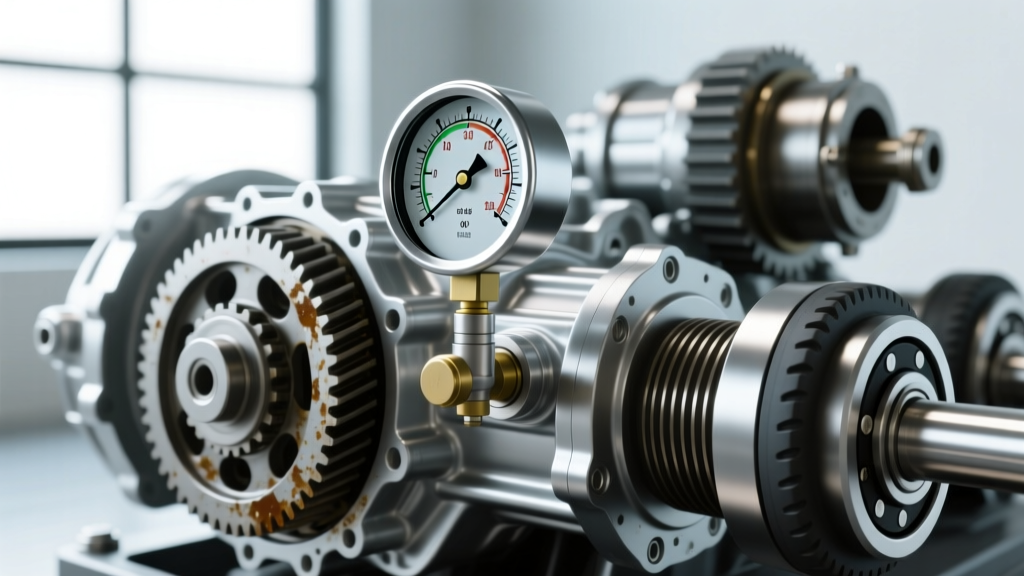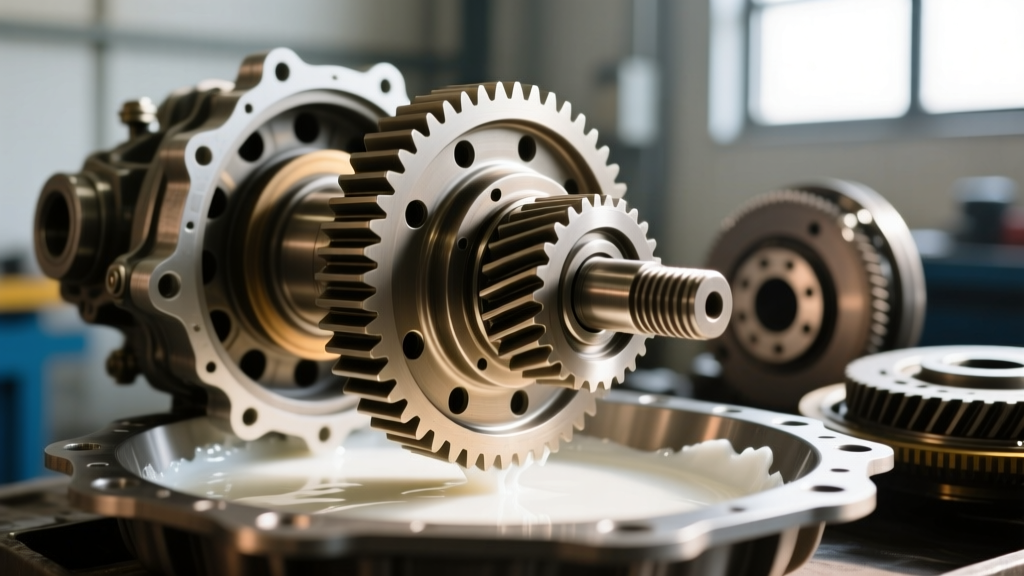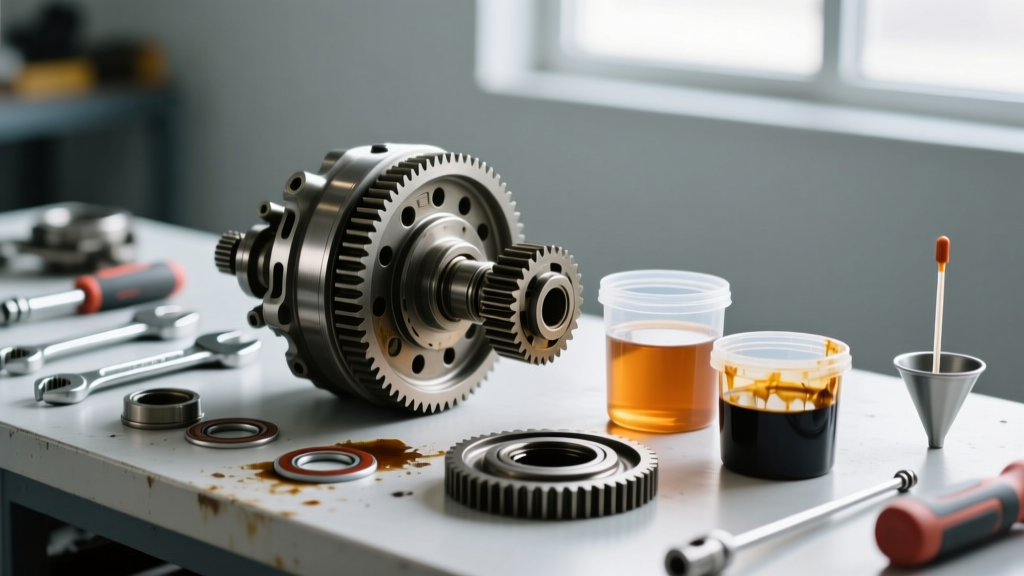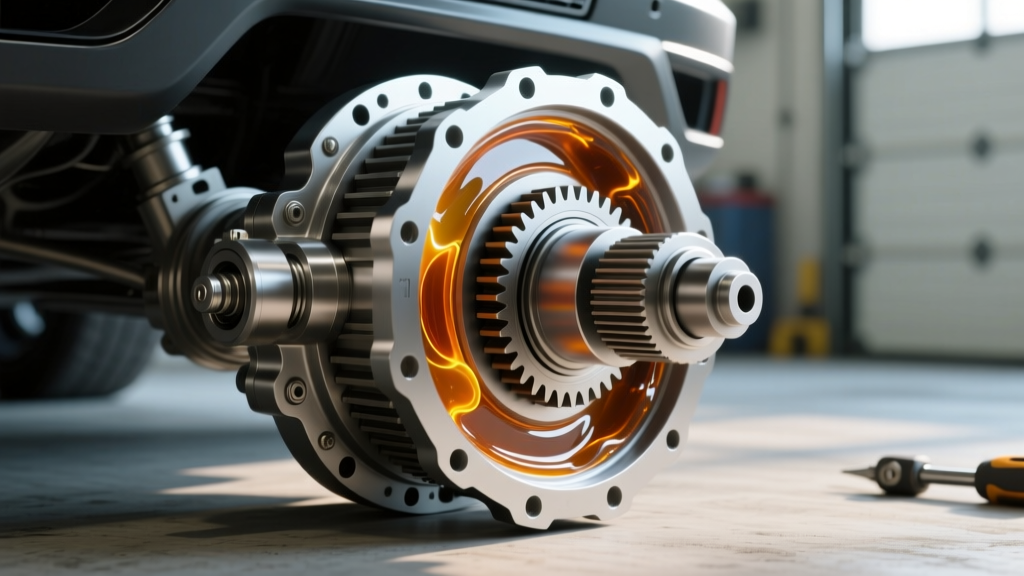
For beginners stepping into the world of four-wheel-drive (4WD) vehicles, the underside of a truck or SUV can look like a tangled mess of heavy metal tubes and fluid-filled housings. Two of the most critical—and most frequently confused—components in this system are the transfer case and the differentials. While they work in perfect harmony to get you up a rocky trail or through a snowbank, they serve entirely different mechanical purposes. Furthermore, because of their distinct locations and functions, they require completely different maintenance routines and protective upgrades, such as a heavy-duty ARB differential cover.
In this beginner-friendly explainer, we will demystify the transfer case and differential relationship. We will trace the flow of power from the engine to the pavement, explain why part-time 4WD systems 'bind' on dry pavement, and detail exactly how to protect your axle housings for the 2026 off-road season.
The Drivetrain Hierarchy: Where Does Power Go?
To understand how these components interact, you must first understand the sequence of power delivery. When you press the accelerator, power travels through the following path:
- Engine: Generates rotational force (torque).
- Transmission: Multiplies torque and provides gear ratios (e.g., ZF 8HP, GM 6L80).
- Transfer Case: Splits power between the front and rear axles.
- Driveshafts: Transmit the split power to the axles.
- Differentials: Distribute power to the left and right wheels while allowing them to spin at different speeds.
The Transfer Case: The Power Splitter
Bolted directly to the rear of the transmission, the transfer case is the heart of any 4WD or AWD system. Common models include the New Process NP231 (found in older Jeeps) and the BorgWarner 4406 (found in Ford Super Duties). The transfer case takes a single input shaft from the transmission and splits it into two output shafts: one pointing to the rear driveshaft, and one pointing to the front driveshaft. In 2WD mode, it sends 100% of the power to the rear. In 4WD High or Low, it locks the front and rear output shafts together, forcing them to spin at the exact same speed.
The Differential: The Cornering Compensator
Located in the center of the front and rear axles (e.g., Dana 44, Ford 10.5-inch, GM 14-bolt), the differential takes the rotational power from the driveshaft and turns it 90 degrees to spin the wheels. More importantly, it allows the outside wheel to spin faster than the inside wheel when turning a corner. Without an open or limited-slip differential, your tires would chirp, skip, and destroy the drivetrain every time you turned the steering wheel.
The 4WD Binding Phenomenon: A Beginner's Trap
The relationship between the transfer case and the differentials is best understood by looking at what happens when they fight each other. This is known as 'drivetrain binding' or 'wind-up'.
When you engage a part-time 4WD system (locking the transfer case), the front and rear driveshafts are forced to rotate at the exact same RPM. However, when driving on dry, high-traction pavement, the front and rear axles travel slightly different distances due to steering angles, tire wear, and road crowns. The front and rear differentials can compensate for left-to-right wheel speed differences, but they cannot compensate for front-to-rear axle speed differences. Because the transfer case is locked, the drivetrain has nowhere to release this stress. The result is severe binding, making the steering wheel difficult to turn and potentially snapping U-joints or cracking transfer case housings.
The Golden Rule: Only lock your transfer case in 4WD mode on low-traction surfaces (dirt, snow, mud, sand) where the tires can slip to relieve the binding stress between the front and rear differentials.
Component Comparison: Transfer Case vs. Differential
| Feature | Transfer Case | Differential (Axle) |
|---|---|---|
| Primary Function | Splits power Front-to-Rear | Splits power Left-to-Right |
| Location | High, tucked behind transmission | Low, hanging beneath the axles |
| Common Fluid | ATF (Dexron VI / ATF+4) or Specialty Fluid | 75W-90 or 85W-140 GL-5 Gear Oil |
| Trail Vulnerability | Low (Protected by frame/crossmembers) | High (Prone to rock strikes) |
| Avg. Fluid Capacity | 2.0 to 3.5 Quarts | 2.5 to 4.5 Quarts (per axle) |
Protecting the Endpoints: Why You Need an ARB Differential Cover
As the comparison table highlights, the transfer case is generally safely tucked up inside the vehicle's frame rails. The differentials, however, represent the lowest hanging points on your rig. When navigating rocky terrain, the differential housing acts as a sled, taking brutal impacts that can crack cast iron housings, snap cover bolts, and instantly drain your gear oil onto the trail.
For the 2026 off-road season, upgrading to a heavy-duty ARB differential cover is one of the most cost-effective insurance policies you can buy. According to ARB 4x4 Accessories, their differential covers are engineered from high-strength nodular iron or aerospace-grade aluminum, designed to deflect rocks rather than absorb the impact.
Real-World Specs and Installation
Let's look at the popular ARB RD269 (designed for Dana 44 and GM 10-bolt front axles) and the ARB RD270 (for Dana 60 axles). Retail pricing generally ranges from $175 to $230, depending on the retailer and specific axle application.
- Material: Nodular Iron (provides superior tensile strength compared to stamped steel OEM covers).
- Integrated Dipstick: Many ARB covers feature a built-in dipstick, eliminating the guesswork of checking fluid levels on uneven ground.
- Magnetic Drain Plug: Captures microscopic metallic shavings from the ring and pinion gears before they circulate through the bearings.
- Torque Specs: When installing an ARB cover on a Dana 44, the 3/8-inch cover bolts must be torqued to exactly 30 to 35 lb-ft in a crisscross pattern. Over-torquing can warp the mating surface and cause chronic leaks.
Expert Tip: Never use cheap silicone RTV to seal an ARB differential cover if a reusable gasket is provided. If you must use RTV, use a high-temp sensor-safe black or grey silicone, apply a continuous 1/8-inch bead, and let it tack up for 10 minutes before mating the surfaces.
Fluid Dynamics: Don't Cross the Streams
Because the transfer case and differentials are part of the same 4WD system, beginners often mistakenly believe they use the same fluid. Mixing these up can lead to catastrophic failure.
Differential Gear Oil
Differentials rely on hypoid gear sets (the ring and pinion), which generate immense sliding friction and heat. They require thick, extreme-pressure (EP) gear oils, typically 75W-90 or 85W-140 GL-5. The 'GL-5' designation means the fluid contains sulfur-phosphorus additives that bond to the metal under high pressure, preventing the gears from welding together. As noted by Spicer Parts (Dana), using anything less than GL-5 in a hypoid differential will result in rapid gear wear and whining noises within a few hundred miles.
Transfer Case Fluid
Conversely, most chain-driven transfer cases (like the NP231 or NV241) do not contain hypoid gears. They use roller chains and planetary gear sets that operate best with lighter, friction-modified fluids. Most require standard ATF (Automatic Transmission Fluid), such as Dexron VI or ATF+4. Putting thick 75W-90 gear oil into an ATF-lubricated transfer case will cause the chain to stretch prematurely, the planetary gears to overheat, and the shift forks to bind due to the fluid's high viscosity at cold temperatures.
The Beginner's Drivetrain Maintenance Checklist
To keep the relationship between your transfer case and differentials healthy, follow this baseline maintenance schedule every 30,000 miles (or immediately after deep water submersion):
- Inspect the ARB Cover: Check for rock gouges, ensure the magnetic drain plug is seated, and verify the dipstick is secure.
- Check the Breather Vents: Both the transfer case and differentials have breather tubes. Ensure these tubes are routed high into the engine bay. If a hot differential is submerged in cold water with a low breather, it will create a vacuum and suck water past the axle seals, turning your gear oil into a milky, destructive emulsion.
- Drain and Fill the Differentials: Remove the ARB cover (or drain plug), clean the mating surface, and refill with the manufacturer-specified GL-5 gear oil. (e.g., Dana 44 capacity is roughly 2.5 quarts).
- Drain and Fill the Transfer Case: Locate the fill plug first, then remove the drain plug. (If you drain it first and the fill plug is seized, your truck is stranded). Refill with the correct ATF.
By understanding how the transfer case splits the load and the differentials manage the corners, you can drive with confidence. And by armoring those vulnerable differentials with an ARB cover, you ensure that your drivetrain's endpoints survive the harshest trails the 2026 season has to offer.