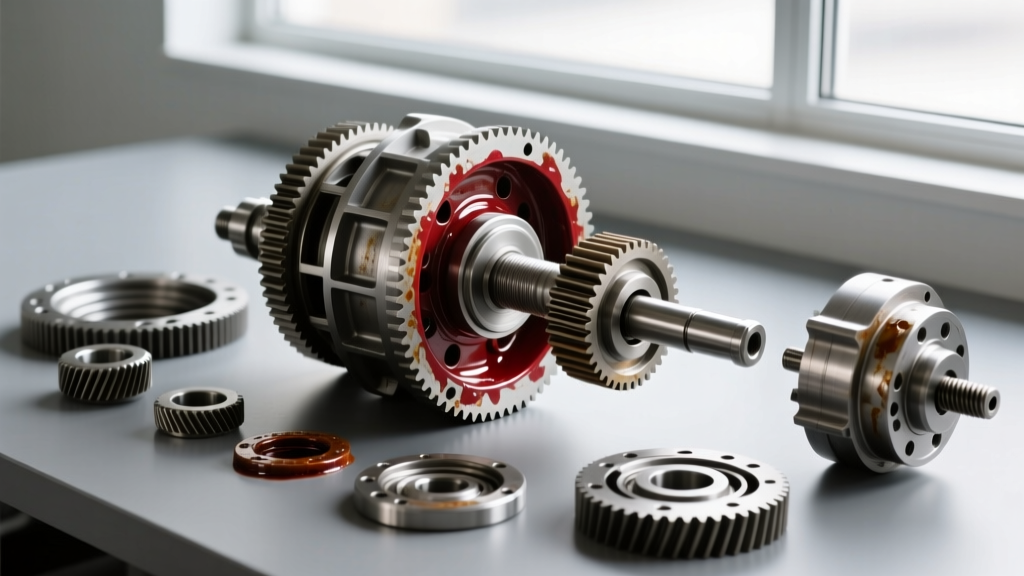
The Forced-Lube Paradigm in Modern Heavy-Duty Axles
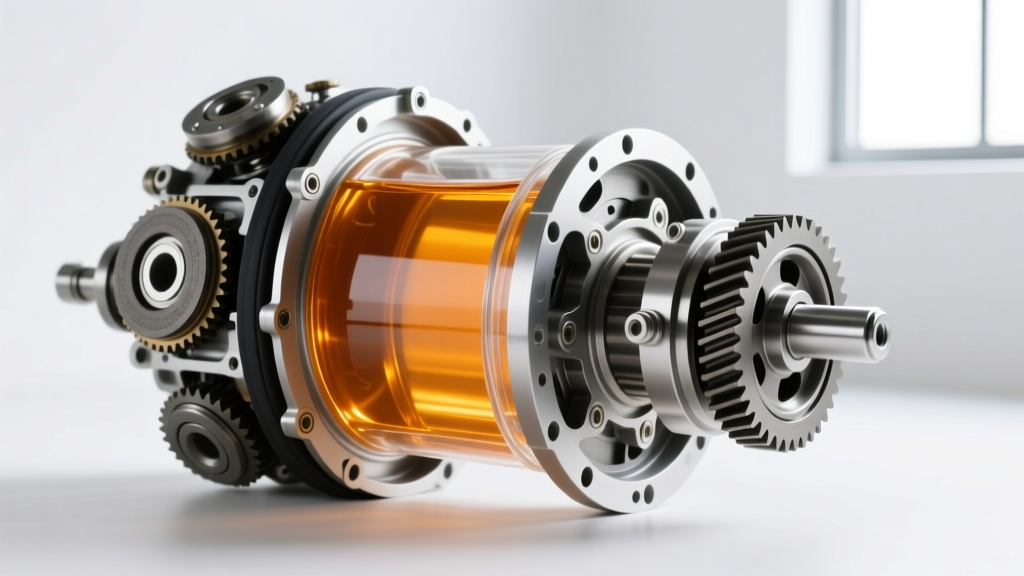
When most passenger vehicle mechanics think of differential maintenance, they picture draining 75W-90 gear oil and refilling it. However, in the realm of heavy-duty commercial axles (such as the Dana Spicer AdvanTEK S170 or Meritor RT-40-145) and modern high-output EV e-axles, splash lubrication is insufficient. These systems utilize forced-lube hydraulic pumps and inline filtration networks to manage extreme thermal loads. This architectural shift has introduced a vital diagnostic component to the axle housing: the differential pressure gauge.
For powertrain specialists, understanding how to read these gauges is no longer optional—it is the key to predicting catastrophic bearing degradation and scheduling differential bearing and seal replacement before a highway-stranding failure occurs. In this 2026 expert guide, we bridge the gap between hydraulic pressure diagnostics and precision mechanical rebuilds.
Why Differential Pressure Gauges Are Your Best Diagnostic Tool
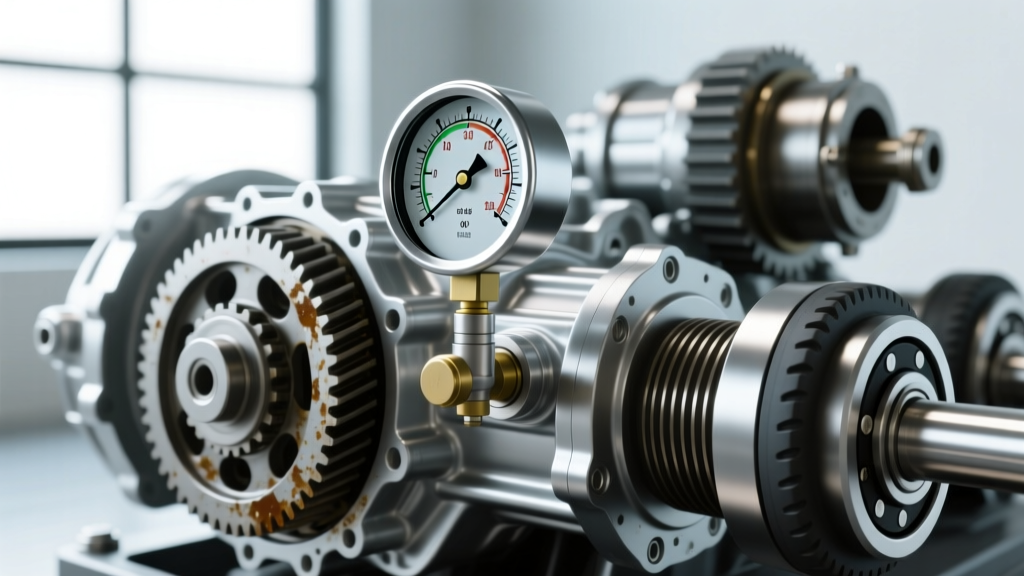
A differential pressure gauge (often referred to as a Delta-P gauge) in a forced-lube axle system measures the pressure drop across the differential’s inline lube filter. It does not measure the gear oil’s absolute pressure; rather, it measures the restriction caused by debris accumulation.
When pinion or carrier bearings begin to spall or brinell, they shed microscopic ferrous and non-ferrous particulates into the oil stream. While the magnetic drain plug catches larger chunks, fine metallic paste circulates directly into the filter element. As the filter loads with bearing debris, the restriction increases. The differential pressure gauge spikes, providing an early-warning telemetry alert long before the bearing seizes or the pinion seal blows out from localized overheating.
Interpreting the Delta-P Readings
- 0 to 3 PSI (Normal): Clean filter, healthy bearing surfaces, optimal lube flow to the pinion nose and carrier journals.
- 4 to 7 PSI (Monitor): Normal filter loading over 150,000+ miles. Schedule standard fluid and filter service.
- 8 to 12 PSI (Warning): High restriction. Often indicates abnormal bearing wear, gear spalling, or severe clutch pack degradation in locking differentials. Immediate teardown inspection is required.
- 15+ PSI (Critical Bypass): The internal filter bypass valve has opened. Unfiltered, debris-laden oil is now circulating, guaranteeing rapid seal scoring and total bearing collapse.
The Cascade Failure: From Spalled Bearings to Blown Seals
Why do we pair pressure gauge diagnostics with seal replacement? Because bearing failure and seal failure are intrinsically linked in forced-lube axles. When the Delta-P gauge indicates a severe restriction, the lube flow to the pinion nose bearing drops. This starves the bearing of cooling oil, causing thermal expansion. The expanded bearing alters the pinion depth and gear mesh pattern, accelerating wear. Simultaneously, the excessive heat transfers down the pinion yoke, baking the nitrile or PTFE lip of the pinion seal. By the time the driver notices a gear oil leak on the pavement, the bearing is already destroyed. Replacing the seal without addressing the bearing preload and root-cause debris is a guaranteed comeback.
Expert Protocol: Differential Bearing and Seal Replacement
Executing a heavy-duty axle overhaul requires precision tooling and strict adherence to torque specifications. Here is the master-level workflow for replacing differential bearings and seals in a pressurized system.
Phase 1: Teardown and Root Cause Analysis
Before unbolting the driveshaft, record the final reading on the differential pressure gauges to confirm your diagnostic hypothesis. Once the axle is on the bench, pull the pinion yoke using a specialized 3-jaw puller (e.g., OTC 7249). Inspect the seal contact surface on the yoke. If you feel a fingernail-catching groove worn into the steel by the old seal lip, the yoke must be replaced or repaired with a stainless steel Speedi-Sleeve. Installing a new seal on a grooved yoke will result in an immediate leak.
Phase 2: Precision Bearing Installation
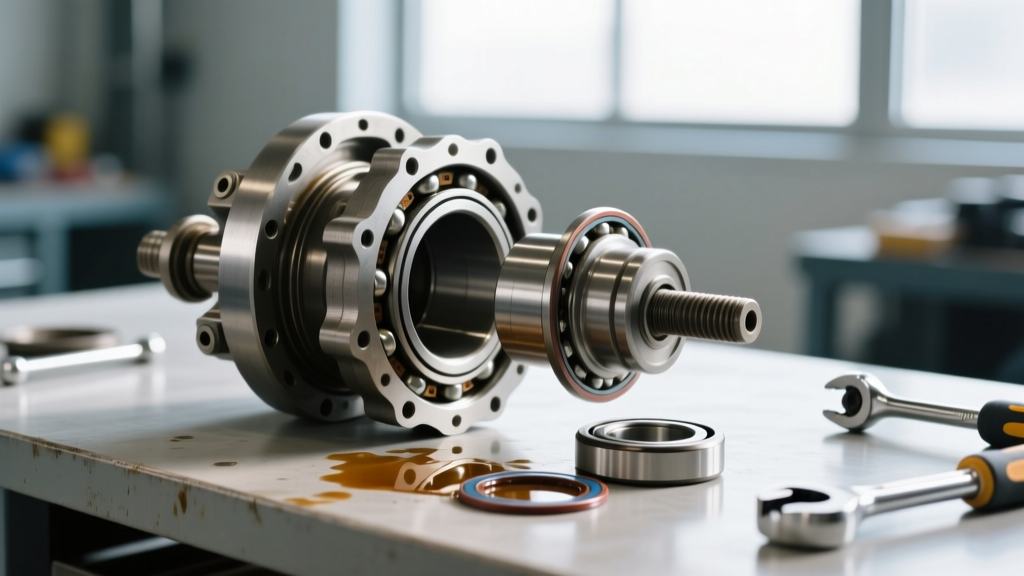
Never press bearings cold, and never use a torch. Heating a bearing unevenly with a torch destroys the metallurgical temper. Use an induction bearing heater to bring the new Timken or SKF bearing cones to exactly 225°F (107°C). This allows them to drop effortlessly onto the pinion shaft and carrier journals. Once seated, hold the bearing square against the shoulder until it cools and shrinks to prevent a "hung bearing" condition, which will ruin your preload calculations.
Phase 3: Setting Pinion and Carrier Preload
This is where amateur mechanics fail. Bearing preload is not set by cranking the pinion nut with an impact wrench until it "feels tight." It is a precise measurement of rolling resistance.
- Install the pinion without the seal or yoke.
- Tighten the pinion nut incrementally while measuring the rotating torque with an inch-pound dial torque wrench.
- For new heavy-duty pinion bearings, target a rotating preload of 25 to 45 in-lbs. For reused bearings, target 15 to 25 in-lbs.
- Once preload is achieved, mark the nut and threads, remove the nut, install the new seal and yoke, and reinstall the nut to the exact same depth, verifying with a torque wrench (typically 450-600 lb-ft final clamp load).
Heavy-Duty Axle Component Specifications (Dana S170 / Meritor RT-40)
| Component | Part Number Example | Torque / Preload Spec | Est. Cost (2026) |
|---|---|---|---|
| Pinion Bearing Cone | Timken HM89449 | 25-45 in-lbs (Rotating) | $185 - $240 |
| Pinion Seal | SKF 450x480x15 HMSA10 | N/A (Press-fit) | $45 - $75 |
| Carrier Bearing Set | Timken SET 1365 | 15-30 in-lbs (Rotating) | $210 - $290 |
| Pinion Nut (Prevailing) | Dana 348G119 | 450 - 600 lb-ft (Clamp) | $35 - $50 |
| Inline Lube Filter | Fleetguard HF35302 | Hand Tight + 3/4 Turn | $40 - $65 |
Seal Installation: Avoiding the $2,000 Comeback
When pressing in the new pinion seal, use a machined aluminum seal driver that matches the exact outer diameter of the seal casing. Driving the seal in crooked will deform the internal garter spring. Furthermore, always pack the lip of the new seal with the exact same synthetic gear oil (e.g., 75W-90 or 80W-140 full synthetic) used in the axle. A dry-start on a heavy-duty pinion yoke spinning at 3,000 RPM will flash-burn the PTFE sealing lip in under three seconds.
Expert Insight: According to the Dana Spicer Commercial Vehicle Service Guidelines, failing to lubricate the seal lip prior to initial startup is the number one cause of premature seal failure in AdvanTEK axles, often misdiagnosed as a defective part.
System Flush and Gauge Reset
Replacing the bearings and seals is only half the battle. If you do not address the forced-lube circuit, the new bearings will be starved of oil. You must flush the axle housing with a low-viscosity flushing oil to remove the metallic paste trapped in the cooling fins and oil galleries. Replace the inline filter, and mechanically or electronically reset the differential pressure gauges to zero. If your axle utilizes an electronic Delta-P sensor tied to the chassis CAN bus, ensure the code is cleared via your diagnostic tablet so the fleet management software registers the new baseline.
2026 Cost Analysis: Overhaul vs. Preventative Maintenance
Ignoring the warnings provided by differential pressure gauges turns a manageable maintenance event into a catastrophic failure. A preventative bearing and seal replacement, including a system flush, new filter, and premium synthetic fluid, typically costs between $1,200 and $1,800 in parts and labor at a specialized commercial driveline shop. Conversely, if the bearing seizes and destroys the ring and pinion, cracks the carrier casting, and ruins the yoke, you are looking at a complete axle remanufacture or replacement, easily exceeding $6,500 to $9,000 in 2026 pricing.
For fleet managers and heavy-duty technicians, the differential pressure gauge is not just an accessory; it is the ultimate arbiter of axle health. Pairing hydraulic telemetry with precision mechanical rebuild protocols ensures maximum uptime and drivetrain longevity.
For further reading on heavy-duty bearing tolerances, refer to the Timken Commercial Vehicle Bearing Catalog and the SKF Heavy-Duty Seal Engineering Guide.