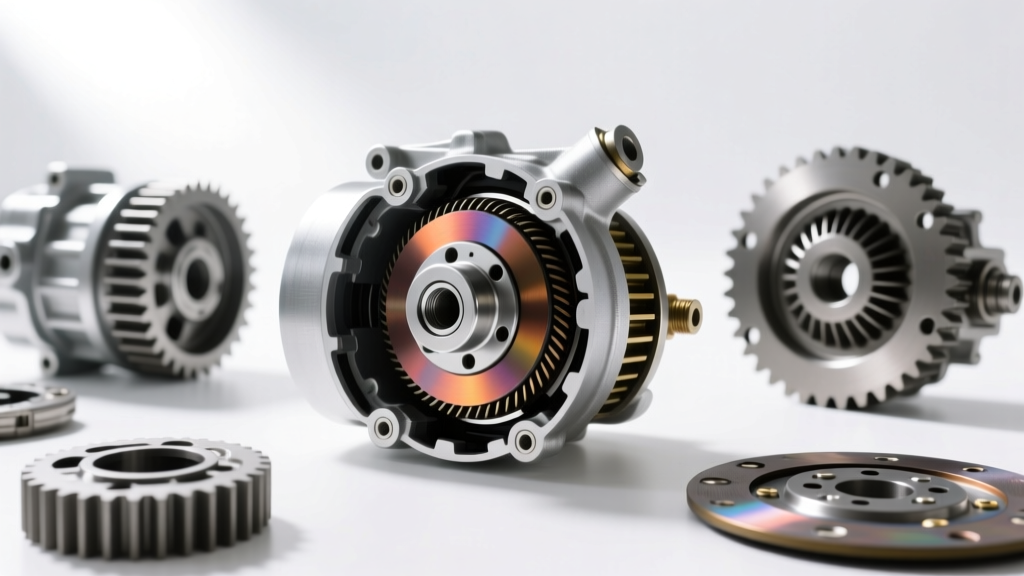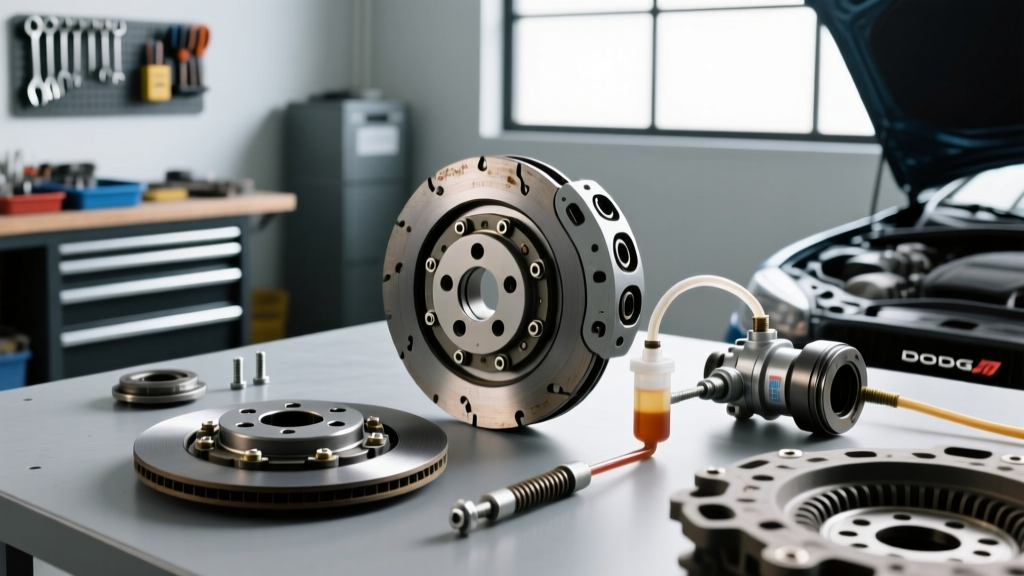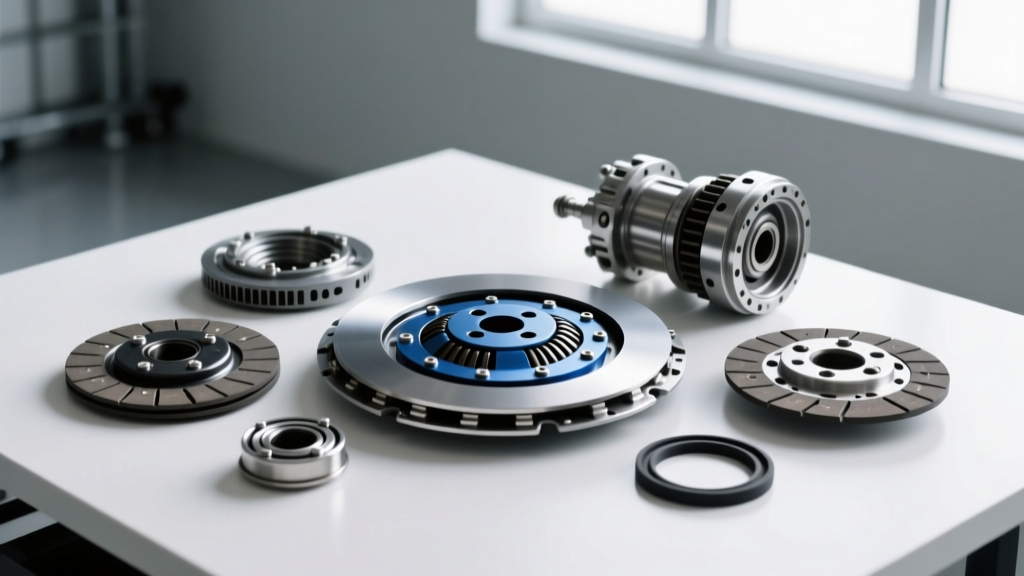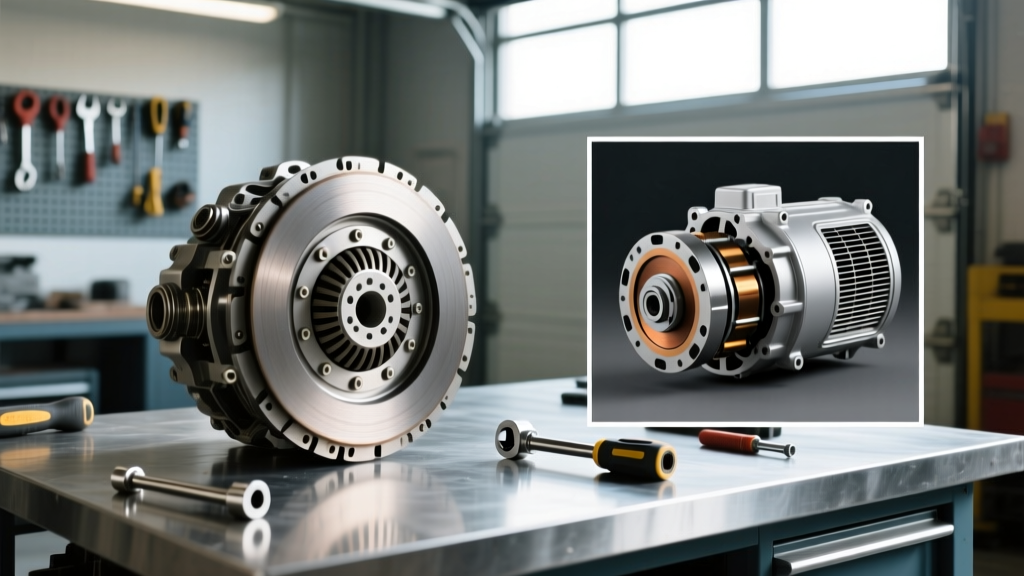
The Drivetrain Anchor: Clutch Replacement and Transmission Removal
When automotive enthusiasts and professional technicians evaluate major vehicle service, few jobs command as much respect—and shop time—as a manual transmission clutch job. In 2026, the complexity of modern drivetrains means that clutch replacement and transmission removal is rarely a simple unbolt-and-swap procedure. Whether you are pulling a Tremec T56 Magnum from a GM performance vehicle or dropping a Porsche G50 transaxle, the process demands precision tooling, strict torque sequences, and an intimate understanding of drivetrain harmonics.
The core of this heavy-duty service revolves around the flywheel and pressure plate assembly. According to Tremec's official service guidelines, misalignment during transmission mating can lead to catastrophic input shaft wear or pilot bearing failure. For a standard GM LS-application flywheel, torque specifications are notoriously exact: typically 74 lb-ft followed by an additional 90 degrees of rotation, requiring a specialized flywheel holding tool like the Schley 96700 to prevent the crankshaft from turning. Furthermore, the flywheel friction surface must be machined to an Ra finish of 16 to 32 micro-inches; anything rougher will chew through a modern organic clutch disc, while anything smoother will cause slippage under heavy load.
Bellhousing alignment is another critical, often overlooked variable. Using a dial indicator to check bellhousing runout is mandatory. If runout exceeds 0.005 inches, offset dowel pins must be installed to correct the alignment. Failing to do so will bind the transmission input shaft, leading to premature wear and difficult gear engagement. High-quality clutch kits from manufacturers like LUK or Sachs include the release bearing, alignment tool, and sometimes the pilot bushing, ensuring all mating surfaces wear uniformly.
The Accessory Perimeter: Air Conditioner Compressor Clutch Replacement
On the opposite end of the mechanical spectrum sits a highly localized, accessory-driven repair: the air conditioner compressor clutch replacement. While it does not require dropping a 150-pound transmission, this job demands an entirely different set of diagnostic skills and micro-measurement tools. The AC clutch is an electromagnetic friction device that engages the compressor pulley to the internal swashplate or scroll mechanism.
Most modern vehicles utilize compressors like the Denso 10S17C or the Sanden SD7V16. When the clutch fails, it is rarely a random event; it is usually the result of an incorrect air gap, coil burnout, or a blown thermal protection fuse. According to HVAC specialists at ACKits, the air gap between the clutch friction plate and the pulley rotor must be strictly maintained between 0.3mm and 0.6mm. If the gap is too wide, the electromagnetic coil cannot pull the plate in, resulting in a no-engagement scenario. If the gap is too tight, the clutch will drag, generating immense friction heat that will eventually melt the coil winding insulation and cause a short circuit.
Diagnosing the clutch coil requires a digital multimeter. A healthy 12-volt AC clutch coil should read between 3.0 and 5.0 ohms of resistance at room temperature (20°C). A reading of infinite resistance (OL) indicates an internal break, necessitating a full air conditioner compressor clutch replacement. Unlike the brute force required for transmission removal, this job relies on snap-ring pliers, specialized clutch pullers, and precise feeler gauges to shim the hub to the exact thousandth of an inch.
2026 Cost, Tooling, and Complexity Matrix
To help DIYers and independent shop owners allocate their time and budget, we have mapped out the distinct differences between these two extremes of automotive repair.
| Metric | Transmission Clutch Job | AC Compressor Clutch Job |
|---|---|---|
| Average Time | 6 to 14 hours | 1 to 3 hours |
| Parts Cost (2026) | $250 - $800 (Kit + Flywheel) | $80 - $250 (Clutch Assembly) |
| Primary Skillset | Heavy lifting, torque sequencing, alignment | Electrical diagnostics, micro-shimming |
| Critical Tooling | Trans jack, engine support bar, dial indicator | Feeler gauges, clutch puller, multimeter |
| Risk Factor | High (Drivetrain binding, personal injury) | Low (Refrigerant venting if lines disturbed) |
When These Two Worlds Collide: Transverse FWD Layouts
While a longitudinal RWD setup keeps the transmission and the AC compressor in completely different zip codes, modern transverse Front-Wheel-Drive (FWD) platforms force these two systems into close proximity. In vehicles like the Honda K-Series chassis or the GM Ecotec platform, the AC compressor is often mounted directly to the front of the engine block or the lower transmission bellhousing area.
If you are performing clutch replacement and transmission removal on a FWD vehicle, you will likely need to drop the front subframe. This maneuver frequently requires unbolting the AC compressor to clear the transmission case. While you may not need a full air conditioner compressor clutch replacement, you must manage the refrigerant lines properly. Disconnecting the AC lines requires a certified recovery machine (like the Robinair 34788) to evacuate the R-1234yf or R-134a refrigerant. Furthermore, whenever an AC line is disconnected, the factory O-rings must be replaced with new HNBR (Hydrogenated Nitrile Butadiene Rubber) O-rings lubricated with PAG oil to prevent future micro-leaks.
Pro-Tip: If the transmission is already out of a transverse FWD car, take the opportunity to inspect the AC compressor clutch coil wiring harness. These wires often become brittle from engine heat and can break internally, mimicking a dead clutch coil.
Buyer’s Guide: Essential Tool Investments
If you plan to tackle either of these jobs in your home garage in 2026, investing in the correct tooling is non-negotiable. Cheap tools lead to stripped fasteners and misaligned components.
For the Transmission & Clutch Job
- Transmission Jack with Tilt Head: A standard floor jack is unsafe for balancing a transmission. A dedicated trans jack with an adjustable tilt head allows you to match the exact angle of the engine block for smooth input shaft insertion.
- Engine Support Bar: When removing the transmission crossmember, the rear of the engine will droop. An engine support bar spanning the fender wells keeps the powertrain level and relieves stress on the motor mounts.
- Clutch Alignment Tool: While many kits include a plastic pilot tool, investing in a machined aluminum alignment tool specific to your input shaft spline count ensures the disc is perfectly centered, preventing installation nightmares.
For the AC Clutch Job
- Universal AC Clutch Puller/Installer Set: Prying the clutch plate off with screwdrivers will gouge the friction surface. A threaded puller set applies even pressure to remove the hub without damaging the compressor nose cone.
- Brass Feeler Gauge Set: Steel gauges can scratch the pulley rotor. Brass or plastic gauges are required to measure and set the 0.3mm - 0.6mm air gap accurately.
- Digital Manifold Gauge Set: If the clutch is slipping due to high-side system pressure (often caused by a clogged condenser or overcharge), a digital manifold gauge set from Snap-on or Mastercool will help you diagnose the root cause before replacing the clutch.
Final Verdict: DIY or Delegate?
Both clutch replacement and transmission removal and the more nuanced air conditioner compressor clutch replacement represent excellent opportunities for DIY savings, provided you respect the engineering tolerances involved. The transmission job is a test of physical endurance, spatial awareness, and mechanical sympathy. The AC clutch job is a test of patience, electrical logic, and precision measurement. By understanding the distinct requirements, torque specs, and tooling needs of each, you can confidently approach your 2026 project car build or daily driver repair with professional-grade expertise.