The Anatomy of the 2013 Dodge Dart Manual Transmissions
The 2013 Dodge Dart is a unique vehicle in the compact sedan segment, primarily due to its powertrain lineage. When undertaking a 2013 Dodge Dart clutch replacement, the first critical step is identifying the exact transmission bolted to the engine. The 1.4L MultiAir Turbo engine is mated to the Fiat-sourced C635 6-speed manual transmission, while the 2.0L and 2.4L Tigershark engines utilize the Chrysler-derived T355 6-speed manual.
While the T355 operates like a conventional domestic transaxle, the C635 is a highly specialized, tightly packaged unit that shares its architecture with the Fiat 500 Abarth and Alfa Romeo MiTo. Treating the C635 like a standard Honda or Toyota manual transmission is the fastest way to destroy a new clutch kit, ruin a flywheel, or leave the vehicle with a spongy, inoperable clutch pedal. Below, we detail the four most catastrophic mistakes mechanics and DIYers make when servicing the Dart's manual transmissions, with a heavy emphasis on the notoriously complex C635.
Mistake #1: Resurfacing the Dual Mass Flywheel (DMF)
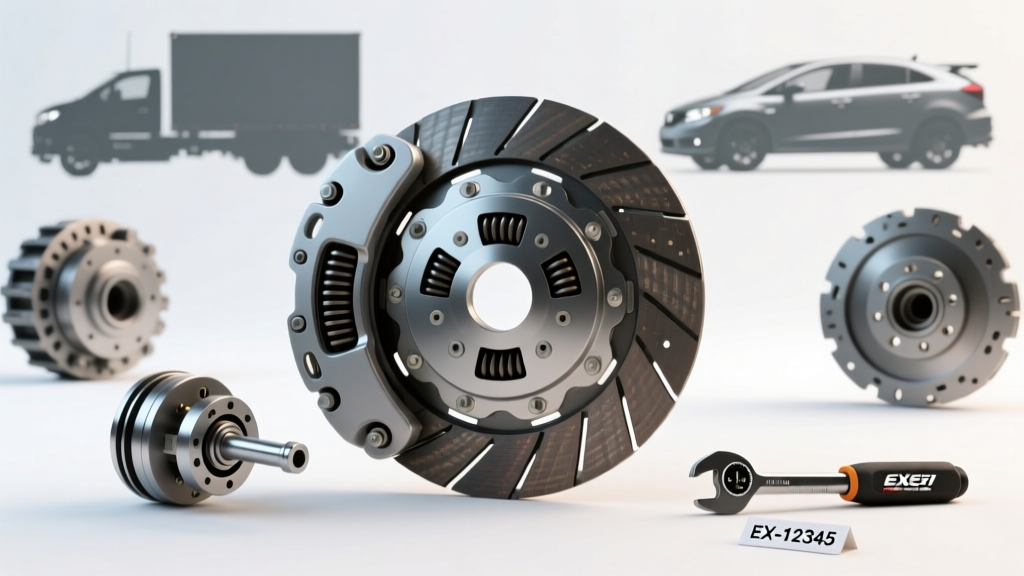
The 1.4L MultiAir Turbo generates aggressive low-end torque spikes that would easily shatter the gear teeth of a standard transaxle. To mitigate this, the C635 utilizes a Dual Mass Flywheel (DMF). A DMF consists of two separate masses connected by heavy-duty internal arc springs and a friction ring, designed to absorb torsional vibrations before they reach the transmission input shaft.
The Fatal Error: Many general repair shops attempt to save the customer money by sending the DMF to a machine shop for resurfacing. Never resurface a DMF. The heat from the grinding process destroys the internal grease, weakens the arc springs, and alters the precise mass balance. According to Schaeffler (parent company of LuK), a resurfaced DMF will inevitably lead to severe clutch chatter, premature release bearing failure, and potential transmission casing damage due to unchecked harmonic resonance.
The Correct Protocol: You must replace the DMF as an assembly. If the owner is looking to eliminate future DMF failure points, a Single Mass Flywheel (SMF) conversion kit (such as the LuK RepSet DMF-to-SMF conversion) is an option. However, be warned: SMF conversions in the Dart will noticeably increase cabin NVH (Noise, Vibration, and Harshness) and introduce a distinct gear rattle at idle.
Mistake #2: Botching the Concentric Slave Cylinder (CSC) Bleed
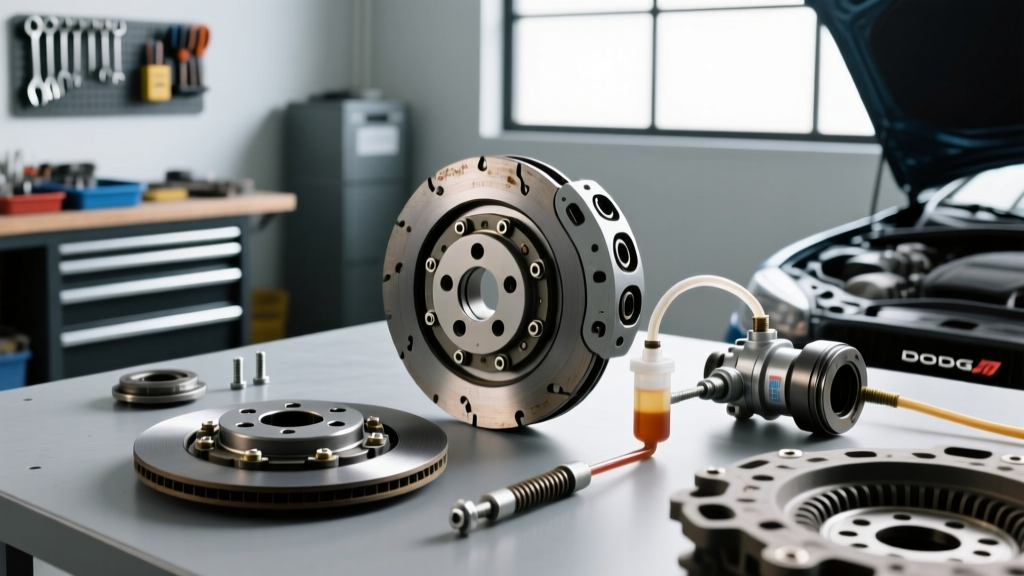
The C635 and T355 both utilize a hydraulic Concentric Slave Cylinder (CSC) integrated directly into the transmission bellhousing. The CSC wraps around the input shaft and eliminates the need for a traditional external throwout bearing and fork pivot ball.
The Fatal Error: Attempting to gravity-bleed the CSC or using a standard vacuum bleeder at the slave cylinder nipple. The internal geometry of the CSC traps air bubbles in the upper annular chamber. If air remains in the CSC, the clutch will not fully disengage, leading to gear grinding, difficulty shifting into reverse, and premature wear on the clutch disc marcel springs.
The Correct Protocol: You must use a pressure bleeder (like a Motive Products bleeder) set to exactly 15-20 PSI on the master cylinder reservoir. Use OEM-specified Mopar DOT 4 or Fiat Tutela Top 4 brake fluid. The bleeding process requires a two-person operation: one maintaining pressure and fluid levels, and the other slowly cycling the clutch pedal to the floor and back up 20 to 30 times, pausing for 3 seconds at the bottom of each stroke to allow trapped air to migrate up the hard line to the master cylinder.
Mistake #3: Input Shaft Binding and Bellhousing Misalignment
The C635 bellhousing is cast from lightweight aluminum and relies on two precision steel alignment dowels to mate perfectly with the engine block. The input shaft splines are exceptionally fine and susceptible to galling.
The Fatal Error: Using the transmission jack to force the bellhousing onto the engine block when the clutch disc is slightly misaligned. Forcing the transaxle will bend the C635 input shaft, crack the clutch disc hub, or strip the aluminum threads of the bellhousing bolts. Furthermore, failing to replace the pilot bearing (or ignoring the lack of one, as some Fiat setups rely on the input shaft tip riding directly in the crankshaft bore with a bushing) will cause immediate input shaft wobble.
Expert Tip: Always use a dedicated Fiat C635 clutch alignment tool. If the transmission stops 1/4 inch from the block, stop pushing. Lower the transaxle, remove it, and verify the alignment tool seats perfectly in the crankshaft pilot bore. Lubricate the input shaft splines with a microscopic amount of high-temperature moly grease—never over-apply, as excess grease will sling onto the friction material and ruin the new clutch.
Mistake #4: Ignoring the Clutch Pedal Position (CPP) Sensor Reset
Modern drive-by-wire throttle systems, including the 2013 Dart's MultiAir and Tigershark ECUs, rely on the Clutch Pedal Position (CPP) sensor to determine clutch engagement status. This dictates idle air control, rev-matching (if equipped), and cruise control cancellation.
The Fatal Error: Replacing the clutch and flywheel without recalibrating the CPP sensor. A new clutch disc and pressure plate alter the physical bite point of the pedal. If the ECU still thinks the clutch engages at the top of the pedal travel based on old wear data, the vehicle will buck violently when pulling away from a stop, and the ECU may throw a P0805 (Clutch Position Sensor Circuit) or P0806 code, triggering a limp mode.
The Correct Protocol: Following the physical installation and hydraulic bleed, you must connect an advanced OBD2 bi-directional scanner (such as Chrysler's wiTECH 2, or an aftermarket tool like AlfaOBD for Fiat/Chrysler architectures) and perform the Clutch Pedal Position Sensor Relearn Procedure. This forces the ECU to log the new physical top and bottom dead centers of the hydraulic circuit.
C635 & T355 Fastener Torque Specifications
Proper torque is non-negotiable, especially on the Fiat-sourced C635 where aluminum casting yields easily. Below are the critical torque specs for the 2013 Dart manual transmission clutch replacement.
| Component | Fastener Size / Type | Torque Specification | Notes |
|---|---|---|---|
| Flywheel to Crankshaft (C635 DMF) | M10 x 1.25 (TTY) | 60 Nm (44 lb-ft) + 90° | Must use new TTY bolts. Tighten in a star pattern. |
| Pressure Plate to Flywheel | M8 x 1.25 | 22 Nm (16 lb-ft) | Tighten gradually in a crisscross pattern to prevent warping. |
| Bellhousing to Engine Block | M10 / M12 Mixed | 50 Nm (37 lb-ft) | Verify alignment dowels are seated before tightening. |
| Front Axle Hub Nuts | M22 (Prevailing Torque) | 195 Nm (144 lb-ft) | Must use new OEM Mopar axle nuts. Never reuse. |
| Hydraulic Line Banjo Bolt (Master) | M10 Banjo | 18 Nm (13 lb-ft) | Use new copper crush washers to prevent fluid weeping. |
2026 Cost Analysis: Dealership vs. Independent vs. DIY
Pricing for a 2013 Dodge Dart clutch replacement varies wildly depending on the chosen repair path and whether a DMF or SMF kit is utilized. Below is a realistic breakdown of current market rates.
| Repair Path | Parts Cost (OEM/LuK) | Labor Cost | Total Estimated Cost | Warranty Coverage |
|---|---|---|---|---|
| Dealership (Mopar) | $650 - $850 | $900 - $1,200 | $1,550 - $2,050 | 12 Mo / 12,000 Mi |
| Independent Euro/Fiat Specialist | $350 - $500 (LuK/Sachs) | $700 - $950 | $1,050 - $1,450 | 24 Mo / 24,000 Mi |
| DIY (Home Garage) | $350 - $500 (LuK/Sachs) | $0 (Plus $40 tool rental) | $350 - $540 | Parts Only |
Final Technical Verdict
The 2013 Dodge Dart clutch replacement is not a beginner-friendly weekend project. The integration of the hydraulic CSC, the necessity of pressure bleeding, and the strict torque-to-yield requirements of the C635 flywheel demand patience and specialized tooling. For further teardown data and community-sourced troubleshooting on the C635 platform, the Fiat500USA C635 Teardown Thread remains an invaluable resource for Dart and Fiat owners alike. Always source your replacement components directly from Mopar Official Parts or authorized Schaeffler/LuK distributors to avoid the catastrophic failure rates associated with cheap, white-box aftermarket friction materials.