Decoding the 2003 Trailblazer 3.73 Front Differential Complete Diagram
When diagnosing thermal degradation or planning a drivetrain overhaul on the GMT360 platform, locating an accurate 2003 trailblazer 3.73 front differential complete diagram is only the first step. The 2003 Chevrolet Trailblazer, equipped with the 8.25-inch Independent Front Suspension (IFS) axle and the 3.73 gear ratio (RPO GU6), presents a unique set of thermal management challenges. Unlike traditional solid-axle trucks where the differential cover acts as a primary heat sink, the Trailblazer’s front IFS architecture relies on a complex interplay between the cast aluminum housing, the structural front cover, and the gear oil itself to dissipate extreme friction loads.
In this technical deep-dive, we will deconstruct the front differential housing, analyze the metallurgy of the IFS cover, and outline the precise fluid dynamics required to keep the hypoid gear mesh from succumbing to heat soak in modern 2026 driving conditions.
Anatomy of the GMT360 8.25" IFS Front Housing
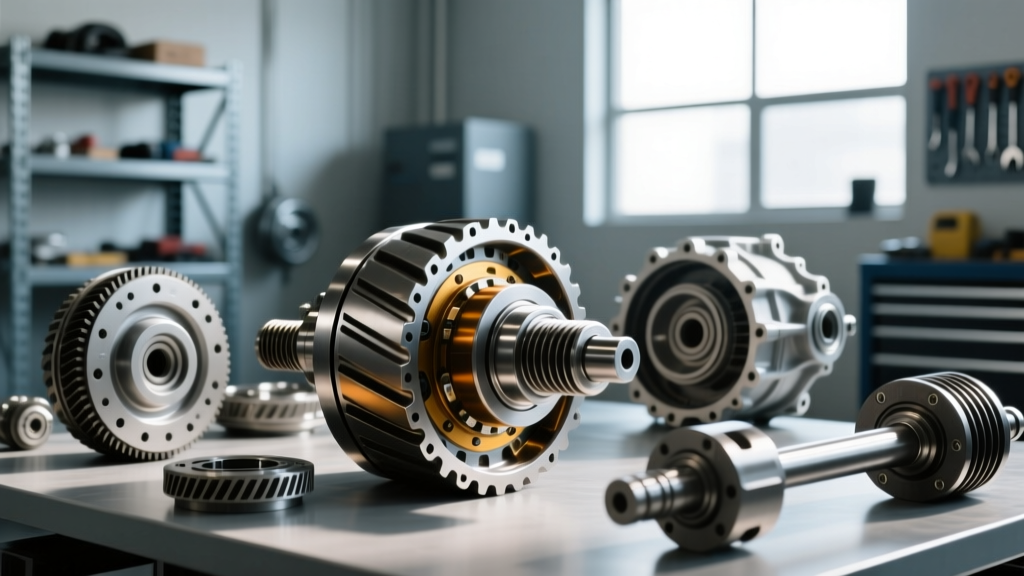
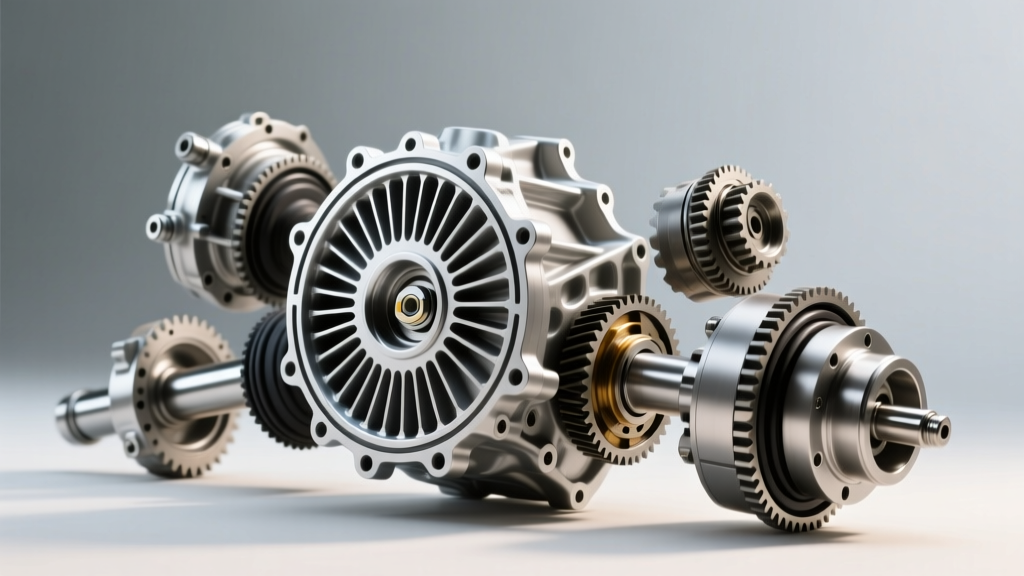
To understand how cooling works in this axle, we must first map the internal components as they relate to the outer shell. The 2003 Trailblazer front differential is not a standalone 'pumpkin' bolted to a steel tube; it is an integrated aluminum drop-out carrier housed within a structural cradle. The complete diagram consists of the following thermal transfer zones:
- Pinion Yoke and Seal Deflector: The entry point for rotational energy. Friction at the pinion bearing generates localized heat that transfers directly into the forward-facing aluminum cover.
- Front Cover / Housing Mating Surface: Sealed with RTV or a specific gasket, this forward-facing plate encloses the pinion gear and front carrier bearing. It acts as the primary convective cooling surface exposed to ambient undercarriage airflow.
- Ring Gear and Carrier Assembly: The 3.73 hypoid gear set operates with a high degree of sliding friction. Heat generated at the tooth contact patch is transferred to the 75W-90 gear oil, which then carries the thermal load to the outer aluminum walls.
- Right-Side Axle Disconnect Housing: Unique to the GMT360 IFS, the passenger-side axle tube features an electronic actuator and a secondary fluid reservoir. This extended aluminum tube acts as a crucial secondary heat sink, increasing the overall thermal mass of the front drivetrain.
The 'Cover' Misconception in IFS Axles
Enthusiasts transitioning from solid-axle platforms (like the Dana 44 or GM 14-bolt) often search for an aftermarket finned differential cover for the 2003 Trailblazer. However, the 8.25-inch IFS front differential does not utilize a traditional stamped-steel or bolt-on rear cover. The 'cover' in this context refers to the front-facing structural housing plate and the carrier bearing caps that enclose the ring gear assembly.
Metallurgy and Thermal Conductivity
General Motors utilized A356-T6 cast aluminum for the GMT360 front differential housing. This specific alloy was chosen for its high strength-to-weight ratio and excellent thermal conductivity (approximately 151 W/m·K). Because the front differential is tucked tightly into the engine cradle—often in close proximity to the exhaust crossover and catalytic converters—ambient heat soak is a severe issue. The aluminum housing must not only dissipate internal gear friction but also resist thermal saturation from the adjacent exhaust system.
Expert Insight: The lack of a traditional bolt-on cover means you cannot simply upgrade to a high-capacity finned pan to increase fluid volume or surface area. Thermal management in the Trailblazer IFS must be achieved through advanced fluid chemistry and strict maintenance intervals, rather than external hardware modifications.
Thermal & Fluid Specifications Data Table
Proper cooling relies on maintaining the exact fluid volume and understanding the thermal limits of the factory components. Below are the critical specifications for the 2003 Trailblazer 3.73 front IFS axle.
| Parameter | Specification / Measurement | Thermal / Mechanical Note |
|---|---|---|
| Ring Gear Diameter | 8.25 Inches | Smaller mass heats up faster than 9.5" rear axle. |
| Gear Ratio (RPO) | 3.73 (GU6) | Higher RPM at highway speeds increases shear heat. |
| Fluid Capacity | 1.5 Pints (0.71 Liters) | Low volume requires high shear-stability synthetic. |
| Factory Fluid Spec | 75W-90 GL-5 Synthetic | Mandatory for hypoid gear boundary lubrication. |
| Fill Plug Torque | 15 - 20 lb-ft | Over-torquing cracks the aluminum housing threads. |
| Continuous Temp Limit | 250°F (121°C) | Mineral oils oxidize rapidly above 220°F. |
Fluid Dynamics: The True Cooling System
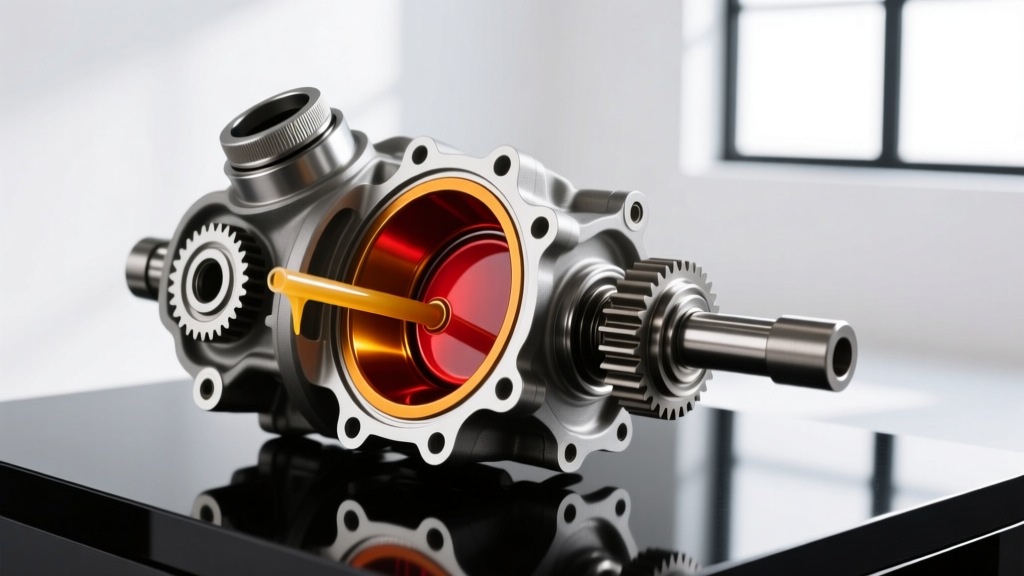
Because the IFS housing cover cannot be easily modified for external airflow, the 75W-90 synthetic gear oil serves as the primary liquid cooling system. The hypoid gear mesh in a 3.73 ratio generates immense sliding friction, which relies on Extreme Pressure (EP) additives like zinc dialkyldithiophosphate (ZDDP) and sulfur-phosphorus compounds to prevent metal-to-metal contact.
Why Synthetic is Non-Negotiable in 2026
As these vehicles age, internal clearances in the carrier bearings and pinion shims may increase, leading to higher parasitic drag and localized heat spikes. Conventional 80W-90 mineral oils suffer from rapid viscosity shear and oxidation when subjected to the heat-soak environment of the Trailblazer's engine cradle. Upgrading to a high-performance synthetic like AMSOIL Severe Gear 75W-90 provides a uniform molecular structure that maintains its hydrodynamic film strength even when the aluminum housing reaches 230°F.
Furthermore, premium synthetics contain advanced friction modifiers that reduce the coefficient of friction at the ring and pinion contact patch. By generating less friction, the gear set inherently produces less heat, reducing the thermal burden on the front housing cover and the right-side disconnect actuator.
Step-by-Step Cover Service and Fluid Exchange
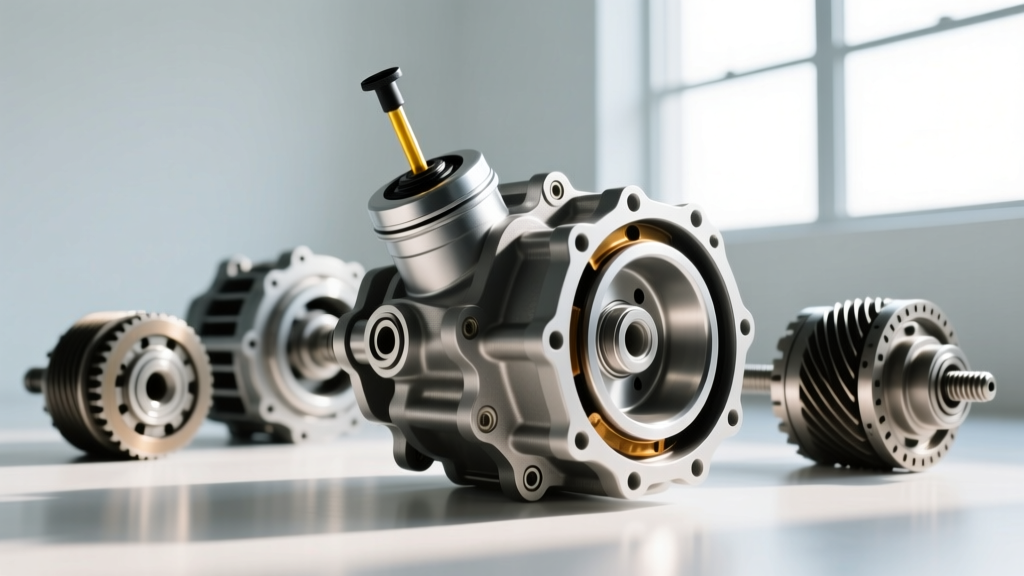
Servicing the front differential on the 2003 Trailblazer is notoriously frustrating due to a critical design omission: there is no drain plug on the front IFS housing. To perform a complete fluid exchange without dropping the entire differential assembly or removing the front cover, technicians must use a fluid extraction method.
The Extraction and Refill Procedure
- Vehicle Preparation: Raise and support the Trailblazer on jack stands. Ensure the vehicle is perfectly level; the 1.5-pint capacity is highly sensitive to pitch and roll, which can lead to under-filling and subsequent pinion bearing starvation.
- Locate the Fill Plug: Clean the area around the fill plug on the front/side of the aluminum housing. Remove the plug using a 3/8-inch or 1/2-inch square drive ratchet. Inspect the plug threads for aluminum galling.
- Extract the Old Fluid: Insert the hose of a Mityvac or similar pneumatic/manual fluid extractor down into the fill hole. Push the hose to the lowest point of the sump. Extract exactly 1.5 pints of the degraded 75W-90 fluid. Pro-Tip: Warm up the front differential by driving the vehicle in 4WD High on a dry surface for 10 minutes prior to extraction. This lowers the fluid viscosity and suspends metallic particulates, ensuring a more complete evacuation.
- Refill with Precision: Using a clean transfer pump, fill the housing with fresh 75W-90 GL-5 Synthetic until the fluid level is exactly at the bottom edge of the fill plug threads. Do not overfill; excess fluid will cause aeration and foaming, which destroys the oil's cooling capabilities and can blow out the pinion seal.
- Torque and Seal: Reinstall the fill plug. Apply a single wrap of PTFE tape or a dab of liquid thread sealant if the threads are worn. Torque the plug to 15-20 lb-ft. Over-torquing will strip the soft A356-T6 aluminum housing, requiring a costly helicoil repair or housing replacement.
Diagnosing Cover and Seal Heat Damage
When reviewing the differential diagram for troubleshooting, pay close attention to the pinion seal and the front cover mating surface. If the front differential has been subjected to prolonged thermal overload (often caused by towing in 4WD or using incorrect fluid), the first point of failure is usually the pinion seal. Heat causes the nitrile rubber lip to harden and crack, leading to gear oil weeping onto the exhaust system—a distinct burning smell that often precedes total differential failure due to fluid loss.
Additionally, inspect the structural cover bolts. Thermal cycling can cause the factory fasteners to lose their clamping load, resulting in microscopic weeping at the RTV gasket line. If a rebuild is necessary, always replace the crush sleeve and pinion shims, as the heat that degrades the fluid also alters the metallurgical hardness of the shims, leading to pinion depth drift and catastrophic gear whine.
Final Thoughts on IFS Thermal Management
The 2003 Trailblazer 3.73 front differential is a robust piece of engineering, provided its thermal limitations are respected. By understanding the complete diagram and recognizing that the fluid itself is the primary cooling medium, owners can prevent the premature failure of the IFS carrier and right-side disconnect actuator. Stick to strict 30,000-mile synthetic fluid intervals, utilize extraction tools to bypass the lack of a drain plug, and monitor the front housing for signs of heat-induced seal degradation.