The Short Answer: Do All Cars Have a Differential?
When newcomers to the automotive world ask, "do all cars have a differential?", the short answer is an unequivocal yes. Whether packaged inside the transaxle of a front-wheel-drive commuter car or housed in the solid rear axle of a heavy-duty truck, a differential is mechanically mandatory. It allows the outside wheel to rotate faster than the inside wheel during cornering, preventing tire scrubbing, axle binding, and drivetrain damage. However, the more critical question for enthusiasts, off-roaders, and performance buyers is not if a vehicle has a differential, but what kind it has.
As we navigate the automotive landscape in 2026, the divide between factory-equipped open differentials and performance-oriented Limited Slip Differentials (LSDs) remains the most significant factor in a vehicle's traction capabilities. This buyer's guide breaks down the mechanical differences, real-world upgrade costs, and precise maintenance requirements to help you make an informed drivetrain decision.
The Mechanical Divide: Open vs. Limited Slip
The Open Differential: Predictable but Limited
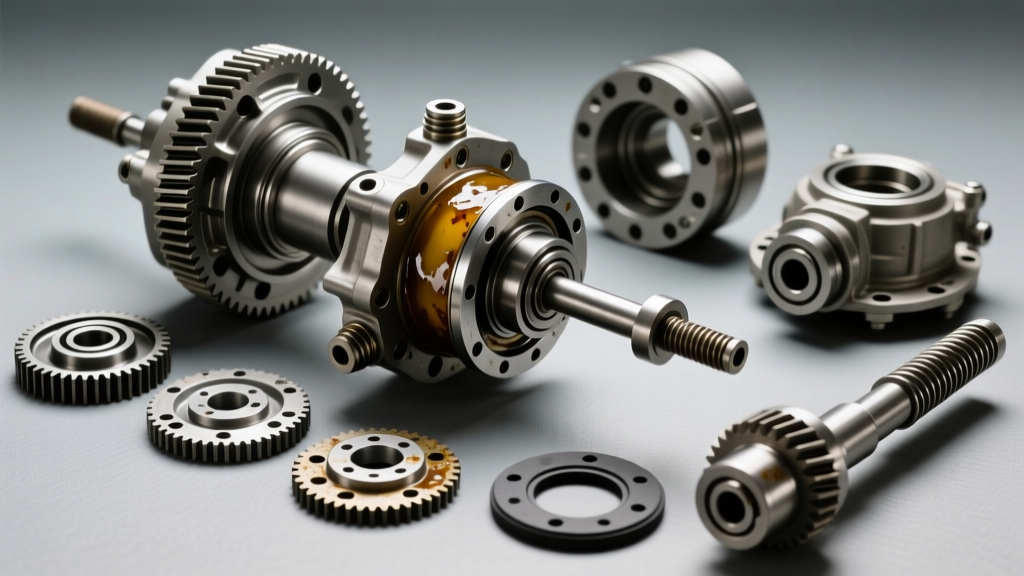
The open differential is the default equipment on 90% of passenger vehicles, from the Honda Civic to base-model Ford F-150s. Its internal architecture relies on a set of spider gears that distribute torque equally to both axles. While this ensures smooth, predictable handling on dry pavement, it operates on the principle of the "path of least resistance." If one wheel loses traction (due to ice, mud, or aggressive cornering weight transfer), the spider gears send 100% of the available power to the slipping wheel, leaving the vehicle stranded or severely limiting acceleration.
The Limited Slip Differential (LSD): Traction on Demand
A Limited Slip Differential mitigates the open diff's fatal flaw by mechanically linking the two axles when a speed differential is detected. According to Eaton's differential engineering portal, modern LSDs generally fall into two categories:
- Clutch-Type (e.g., Auburn, Eaton Positraction): Utilizes a series of friction discs and clutch packs that lock the axles together under load. These are highly tunable but require specific friction modifiers in the gear oil to prevent "chatter" during low-speed turns.
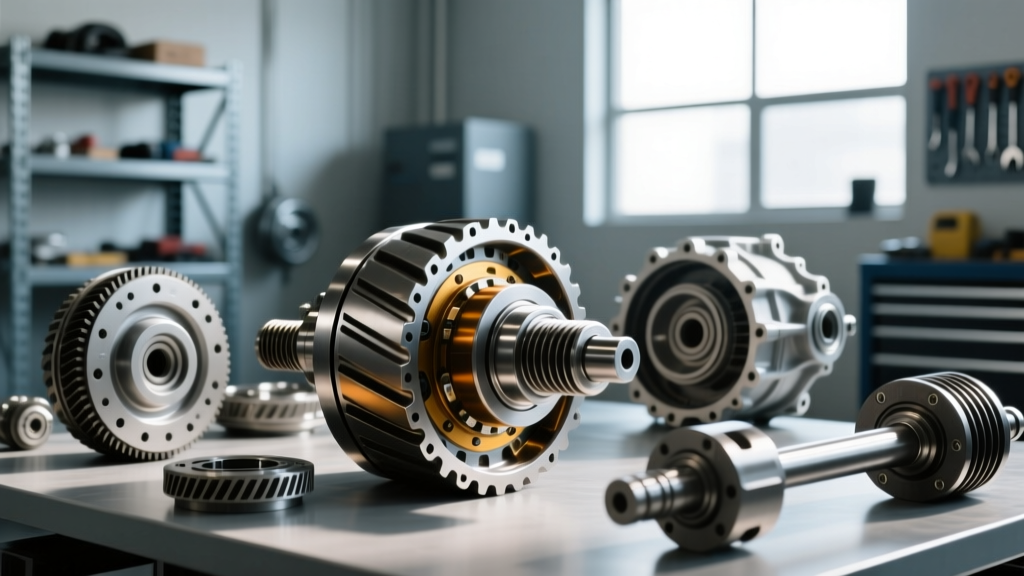
- Helical Gear-Type (e.g., Eaton Detroit Truetrac, Torsen): Uses complex worm-gear sets to create a torque-biasing effect without the need for clutch packs or special friction additives. These are virtually maintenance-free and operate seamlessly, making them the top choice for modern track and off-road builds.
Head-to-Head Comparison Matrix
| Feature | Open Differential | Clutch-Type LSD | Helical Gear LSD (Truetrac) |
|---|---|---|---|
| Torque Bias Ratio | 1:1 (Equal) | 2.5:1 to 4:1 | 2.5:1 to 3.5:1 |
| Ideal Application | Highway commuting, tire longevity | Drag racing, dedicated track cars | Daily driving, autocross, off-road |
| Fluid Requirement | Standard 75W-90 GL-5 | 75W-90/140 GL-5 + Friction Modifier | Standard 75W-90 GL-5 Synthetic |
| Average Parts Cost (2026) | $150 - $300 (OEM replacement) | $550 - $700 | $750 - $950 |
| Maintenance Interval | 30,000 - 50,000 miles | 15,000 - 30,000 miles (Clutch wear) | 50,000+ miles (Gear wear) |
2026 Buyer’s Guide: Upgrading Your Differential
If you are purchasing a used sports car or planning a drivetrain overhaul for a project vehicle, upgrading from an open diff to an LSD yields the highest traction-per-dollar return of any bolt-on modification. Let's look at a real-world scenario: upgrading a popular Ford 8.8-inch solid rear axle.
Cost Breakdown: Parts, Fluids, and Labor
Assuming you are sourcing high-quality components in 2026, here is what a professional LSD upgrade entails:
- Eaton Detroit Truetrac (Part #910A589 for 31-spline): ~$825
- Timken Master Rebuild Kit (Bearings, seals, shims): ~$165
- Ring Gear Bolts & Loctite: ~$25
- Fluids (3 Quarts Synthetic 75W-90): ~$60
- Professional Setup Labor: $450 - $700
Total Estimated Cost: $1,525 - $1,775. While clutch-type LSDs like the Auburn Pro Series are slightly cheaper upfront (~$650), the Truetrac's lack of required friction modifiers and its infinite lifespan under normal driving conditions make it the superior long-term investment for 95% of builders.
Crucial Fluid Dynamics and Friction Modifiers
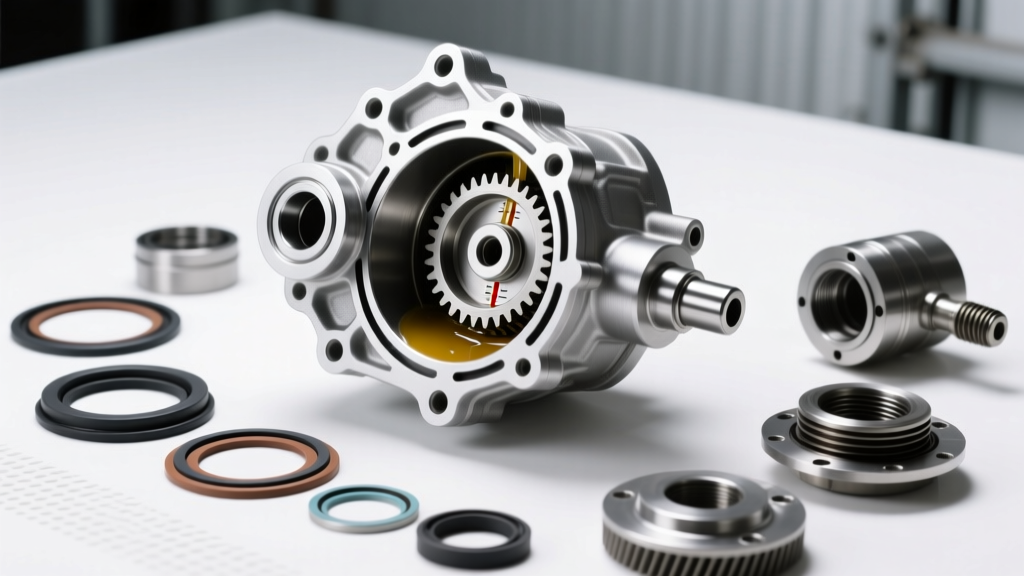
One of the most common mistakes DIYers make when servicing differentials is ignoring the chemical requirements of the clutch packs. Standard open differentials thrive on high-quality synthetic GL-5 gear oil, such as Mobil 1 75W-90. However, if you install a clutch-type LSD, GL-5 alone will cause severe "chatter"—a violent shuddering sensation caused by the clutch discs sticking and slipping rapidly against the steel separator plates during low-speed cornering.
To combat this, a Limited Slip Friction Modifier must be added. As detailed in Red Line Oil's friction modifier specifications, these additives alter the coefficient of friction on the clutch surfaces, allowing them to engage smoothly. The Golden Rule for Clutch LSD Service:
- Fill the differential with 75W-140 or 75W-90 GL-5 gear oil, leaving room for the modifier.
- Add 2 to 4 ounces of friction modifier (e.g., Motorcraft XL-3 or Red Line Equivalent).
- Top off with gear oil to the bottom of the fill hole.
- Perform the "Figure-Eight" test: Drive the vehicle in slow, tight figure-eights in an empty parking lot for 10-15 minutes. This works the modifier into the porous friction material of the clutch discs.
- If chatter persists, add 1 ounce of modifier at a time. Do not over-add, or the LSD will act like an open diff and fail to lock under hard acceleration.
Installation Realities: Torque Specs and Setup Benchmarks
Whether you are retaining an open differential or upgrading to an LSD, the setup process requires precision. Improper gear mesh will result in catastrophic ring and pinion failure within the first 500 miles. When consulting Dana's official drivetrain documentation or OEM service manuals, adhere strictly to the following benchmarks for common axles:
Ford 8.8-Inch Setup Specs
- Ring Gear to Case Bolts: 70 - 85 lb-ft (Always use red Loctite and new OEM bolts; never reuse stretched ring gear bolts).
- Bearing Cap Bolts: 70 - 85 lb-ft.
- Target Backlash: 0.008" - 0.012" (Measured via dial indicator on the ring gear face).
- Pinion Bearing Preload: 8 - 14 in-lbs (New bearings) using a crush sleeve eliminator kit is highly recommended over the factory crush sleeve for repeatability.
Dana 44 Setup Specs
- Ring Gear to Case Bolts: 55 - 65 lb-ft (Left-hand thread on some reverse rotation models; verify before torquing).
- Target Backlash: 0.006" - 0.010".
- Pinion Bearing Preload: 14 - 19 in-lbs (New bearings).
Final Verdict: Which Differential Fits Your Build?
So, do all cars have a differential? Yes. But if your vehicle left the factory with an open unit, you are leaving massive performance potential on the table. For dedicated drag racers or those running drag radials, a clutch-type or fully locking spool/Locker is mandatory to handle extreme shock loads. However, for the modern enthusiast who drives their car to the track, navigates rainy commutes, and occasionally hits a canyon road, the helical gear LSD (like the Truetrac) is the undisputed king of 2026. It requires no special fluid additives, operates silently, and provides the mechanical grip necessary to put modern horsepower to the pavement safely.