The GMT360 Platform: Understanding the 7.2-Inch IFS Front Differential
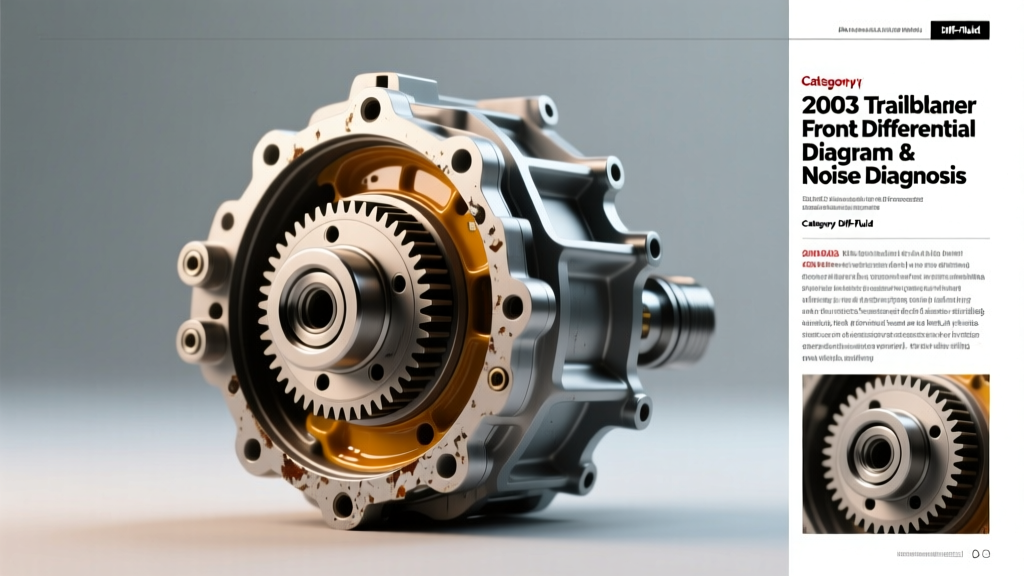
When diagnosing drivetrain anomalies on the GMT360 platform, having access to an accurate 2003 Trailblazer front differential diagram is the difference between a targeted repair and a costly misdiagnosis. The 2003 Chevrolet Trailblazer, alongside its GMC Envoy and Buick Rainier siblings, utilizes a GM 7.2-inch Independent Front Suspension (IFS) front differential. Unlike the solid rear axle, this front unit is integrated into the front crossmember and features an electronic disconnect actuator to engage the front axle shafts during 4WD operation.
As these vehicles age well past the two-decade mark, the front differential becomes a primary source of drivetrain noise. Whines, clunks, and grinding noises are frequently misattributed to the front wheel bearings, the CV axles, or even the NP236/NP246 transfer case. By mapping the auditory symptoms directly to the internal components shown in the factory service diagrams, technicians and advanced DIYers can isolate failures with surgical precision.
Decoding the 2003 Trailblazer Front Differential Diagram
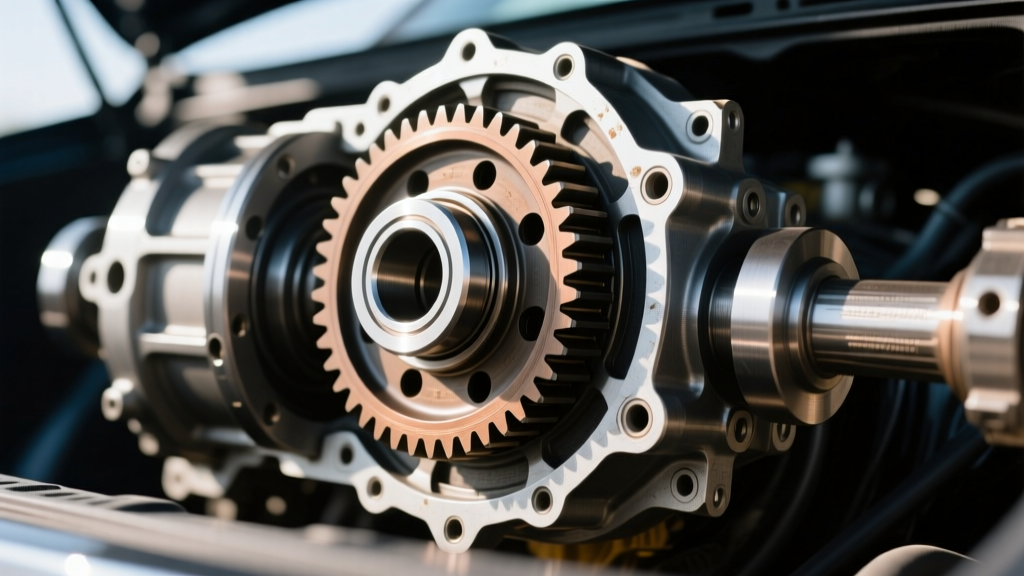
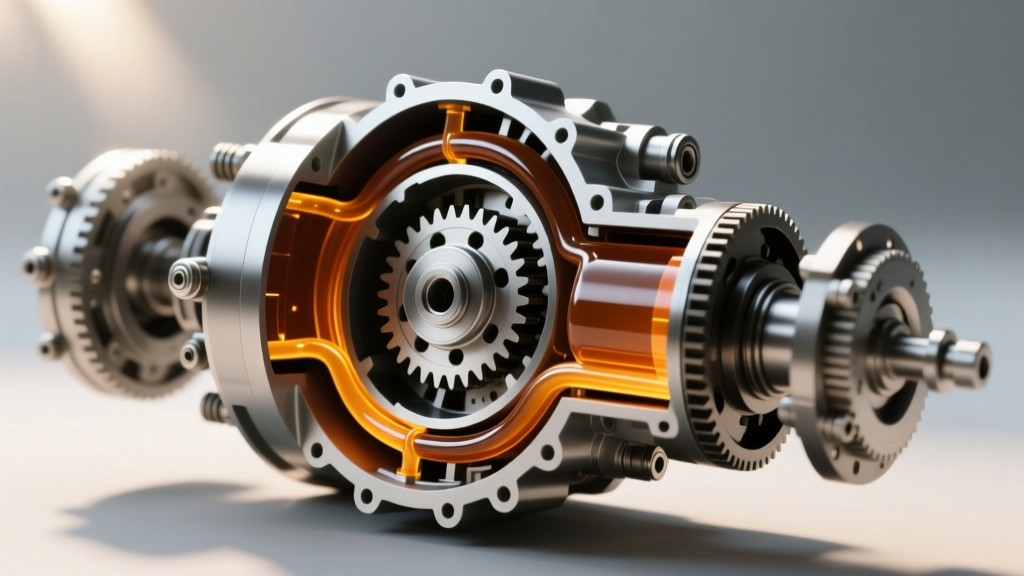
Before tearing into the differential cover or dropping the entire IFS assembly, it is critical to understand the internal architecture. When consulting a 2003 Trailblazer front differential diagram, the internal layout reveals several high-wear areas specific to GM's IFS design.
Key Internal Components to Map
- Ring and Pinion Gear Set: The hypoid gear set is responsible for the 90-degree power transfer. In the 7.2-inch IFS, the pinion gear is supported by two tapered roller bearings (inner and outer). Wear here manifests as high-pitched whining.
- Side Bearings and Carrier: The differential carrier houses the spider and side gears. The carrier is supported by two side bearings pressed into the aluminum housing. Improper preload or bearing spalling causes rotational rumble.
- Electronic Disconnect Actuator & Shift Fork: Unique to the GMT360 front end, an electric motor drives a shift fork that locks an internal collar to the passenger-side axle shaft. If this collar binds or the motor fails mid-stroke, it results in severe grinding or failure to engage 4WD.
- Pinion Seal and Flange: The front prop shaft connects directly to the pinion flange. A worn pinion seal not only leaks 75W-90 gear oil but allows debris ingress, accelerating pinion bearing failure.
Noise Diagnosis Matrix: Sound vs. Internal Failure
Differential noise is highly dependent on load and vehicle dynamics. Use the following diagnostic matrix to cross-reference the noise you are hearing with the specific components identified in the differential diagram.
| Noise Type | Driving Condition | Suspect Component (per Diagram) | Estimated Repair Cost (2026) |
|---|---|---|---|
| High-Pitched Whine | Deceleration (Coasting) | Pinion Bearing (Inner/Outer) or Low Fluid | $450 - $700 (Bearing R&R) |
| Howling / Whining | Acceleration (Under Load) | Ring & Pinion Gear Wear / Backlash Error | $800 - $1,200 (Full Rebuild) |
| Metallic Grinding | Engaging 4WD or Turning | Actuator Shift Fork / Disconnect Collar | $250 - $400 (Actuator Motor) |
| Heavy Clunk | Shifting from Reverse to Drive | Excessive Ring Gear Backlash / Worn Spider Gears | $600 - $900 (Carrier Rebuild) |
| Rotational Rumble | Constant Speed (45-60 MPH) | Carrier Side Bearings / Spalling | $500 - $800 (Bearing Replacement) |
Expert Step-by-Step Troubleshooting Best Practices
Diagnosing the front differential requires a process of elimination. The front prop shaft, transfer case chain, and front CV axles all rotate in unison when 4WD is engaged. Follow these expert steps to isolate the differential as the true culprit.
Step 1: Drivetrain Isolation (The Prop Shaft Test)
Before blaming the front differential for a clunk or whine, you must rule out the transfer case. The NP246 (Auto 4WD) and NP236 (Active 4WD) transfer cases are notorious for chain stretch and planetary gear wear, which can mimic front diff noise.
The Test: Safely lift the vehicle on a four-post lift or jack stands. Remove the front prop shaft from the transfer case output flange. Put the transfer case in 4WD and spin the front output shaft by hand. If the grinding or binding persists without the front diff connected, your issue is inside the transfer case. If the transfer case output spins smoothly, but spinning the front pinion flange yields roughness or noise, the fault lies within the 7.2-inch IFS differential.
Step 2: Actuator & Disconnect Fork Evaluation
If your Trailblazer exhibits a grinding noise specifically when the '4WD' button is pressed, or if the front end fails to lock in, suspect the electronic disconnect actuator. According to extensive teardowns documented by the GM Truck Club community, the internal plastic shift fork and the metal collar inside the differential housing frequently wear out or bind due to old, contaminated gear oil.
Best Practice: Do not immediately drop the differential. First, remove the actuator motor (located on the passenger side of the diff housing) and inspect the fork engagement. If the motor spins but the collar doesn't move, the internal fork is broken, requiring a differential cover removal and internal collar replacement.
Step 3: Fluid Inspection and the 75W-90 Baseline
Gear oil degrades over time, losing its extreme pressure (EP) additives and shear stability. A low fluid level will cause the pinion bearings to starve, leading to rapid heat generation and a deceleration whine.
Drain the front differential and inspect the fluid. Normal: Dark amber, slight sulfur smell. Critical Failure: Glitter or metallic flakes suspended in the oil indicate bearing cage disintegration or ring/pinion gear shedding. If you find large metal chunks on the magnetic drain plug, a full teardown and rebuild using a master bearing kit (Timken or SKF) is mandatory. For comprehensive parts sourcing and OEM cross-references, databases like RockAuto remain invaluable for locating specific GMT360 carrier and pinion shims.
Crucial Torque Specs, Fluid Capacities, and Reassembly Data
When performing maintenance or a full rebuild on the 2003 Trailblazer front differential, adhering to factory torque specifications is non-negotiable. The aluminum IFS housing is susceptible to thread stripping if over-torqued, and under-torqued ring gear bolts will result in catastrophic failure under load.
Factory Specifications & Fluid Data
- Fluid Type: 75W-90 Synthetic Gear Oil (API GL-5). High-quality options like Mobil 1 Synthetic Gear Lube provide superior cold-weather flow and high-heat shear protection.
- Fluid Capacity: 1.6 Pints (0.75 Liters). Note: Do not overfill. Fill until the fluid is level with the bottom of the fill plug threads.
- Friction Modifier: NOT REQUIRED. The front IFS differential is an open differential. Friction modifiers are only used in the rear axle if equipped with the G80 locking differential.
- Fill / Drain Plug Torque: 18 lb-ft (24 Nm). Use a new crush washer or wrap the threads with PTFE tape to prevent seepage.
- Actuator Motor Mounting Bolts: 18 lb-ft (25 Nm).
- Ring Gear to Carrier Bolts: 70 lb-ft (95 Nm) with medium-strength threadlocker (e.g., Loctite 243). Must be tightened in a star pattern.
- Pinion Nut (Crush Sleeve): Torque to achieve 12-18 in-lbs of rotational preload (new bearings). Warning: This is a measured rotational drag, not a standard ft-lb torque spec.
Final Thoughts on GMT360 Front Axle Longevity
The 2003 Trailblazer front differential is a robust unit when properly maintained, but its integration with the electronic disconnect system adds a layer of complexity not found in traditional solid-axle trucks. By leveraging a detailed 2003 Trailblazer front differential diagram and applying systematic noise diagnosis, you can accurately pinpoint whether a failure stems from a simple fluid starvation issue, a faulty actuator motor, or a worn ring and pinion set. Regular 30,000-mile fluid intervals using premium 75W-90 synthetic oil remains the single most effective practice for ensuring the longevity of the GMT360 front drivetrain.