The Intersection of Fluid Chemistry and Hydraulic Metering
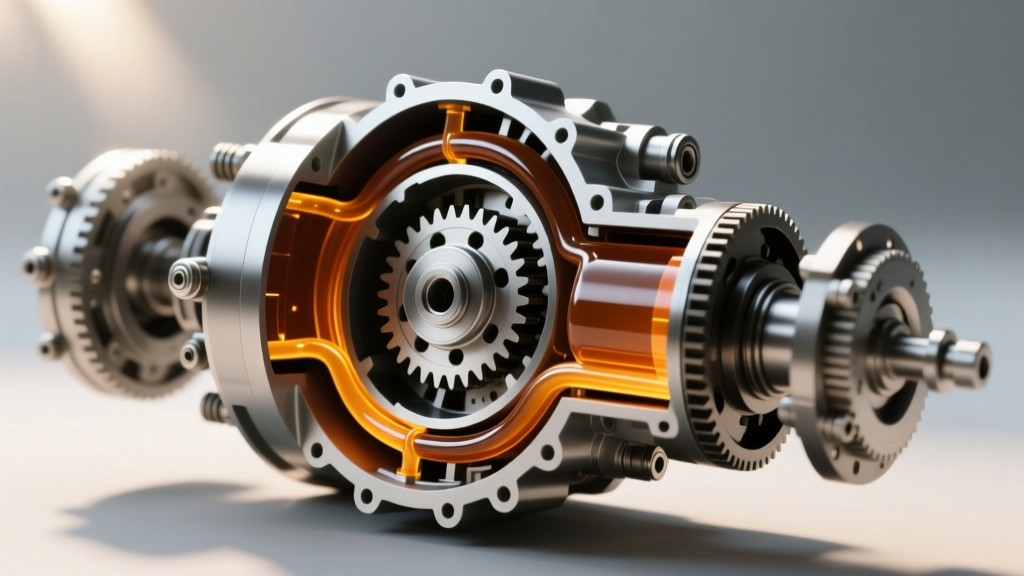
In the modern automotive landscape of 2026, all-wheel-drive (AWD) systems have evolved far beyond simple mechanical limited-slip differentials. Today's active torque-vectoring axles and electro-hydraulic coupling systems rely on complex fluid dynamics to distribute power. At the heart of these systems is differential pressure flow metering, a sophisticated method by which the vehicle's control module monitors hydraulic pressure differentials across clutch packs and metering valves to modulate torque transfer in milliseconds.
However, the accuracy of differential pressure flow metering is entirely dependent on one critical, often-overlooked variable: differential fluid color and condition. As a preventive maintenance guide, understanding the visual and chemical degradation of gear and hydraulic oils is essential for diagnosing AWD binding, clutch chatter, and catastrophic electro-hydraulic pump failures before they occur.
How Fluid Condition Sabotages Flow Metering Algorithms
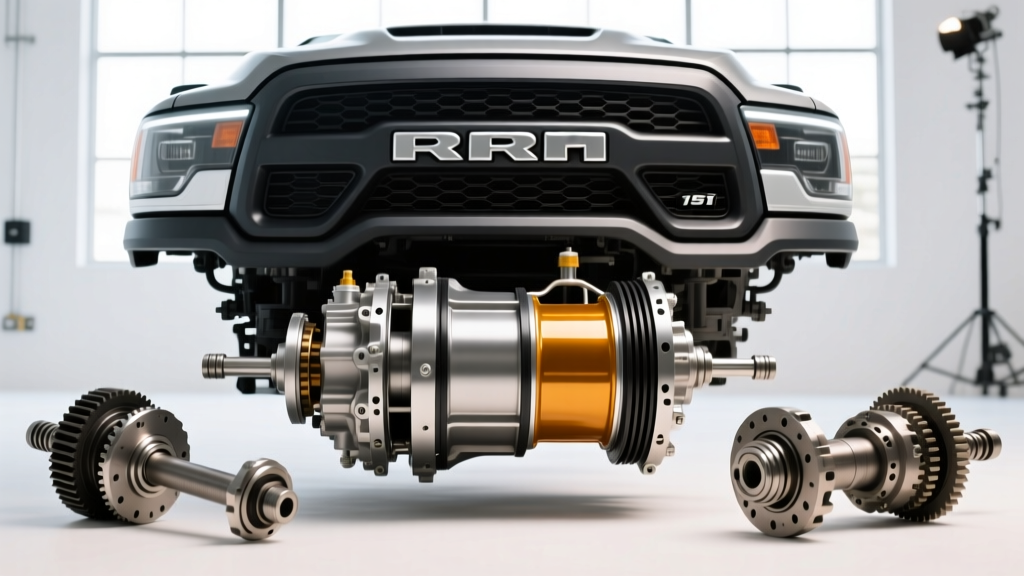
Active differentials, such as the Haldex Gen 5/6, ZF Active Kinematics, and Dana Twinster systems, utilize specialized hydraulic fluids that double as gear lubricants and clutch actuation mediums. The electro-hydraulic pump generates baseline pressure, while solenoid-operated metering valves fine-tune the clamping force on the multi-plate clutch packs.
Differential pressure flow metering algorithms calculate the expected flow rate based on the fluid's known kinematic viscosity (typically measured in centistokes, cSt, at 100°C). When differential fluid degrades, its viscosity index drops. If the fluid becomes contaminated with microscopic clutch friction material or suffers from severe shear, the actual flow rate deviates from the metering valve's expected parameters. The control module interprets this discrepancy as a mechanical fault, often triggering limp-mode AWD lockups or inducing severe driveline shudder during low-speed cornering.
Diagnostic Matrix: Decoding Differential Fluid Color
Visual inspection of the differential fluid remains the most cost-effective preventive maintenance tool available to technicians and DIY enthusiasts. Below is a comprehensive diagnostic matrix correlating fluid color and condition to specific differential pressure flow metering faults.
| Fluid Color & Condition | Chemical / Physical State | Impact on Flow Metering & Drivetrain | Corrective Action |
|---|---|---|---|
| Clear / Honey-Amber | Optimal viscosity, high shear stability, no particulate suspension. | Baseline differential pressure flow metering operates perfectly. Clutch engagement is seamless. | Continue standard interval monitoring (every 10,000 miles). |
| Dark Brown / Opaque | Oxidation and thermal breakdown. Viscosity index improvers have sheared. | Metering valves overcompensate for thinning fluid, leading to delayed torque transfer and slight clutch slip. | Immediate flush and filter/strainer cleaning. |
| Grey / Metallic Sheen | Suspension of cellulose/Kevlar clutch friction material and bearing wear metals. | Particulates clog metering orifices and solenoid screens. Differential pressure sensors read false high-pressure spikes. | Flush system, replace electro-hydraulic pump strainer, inspect clutch packs. |
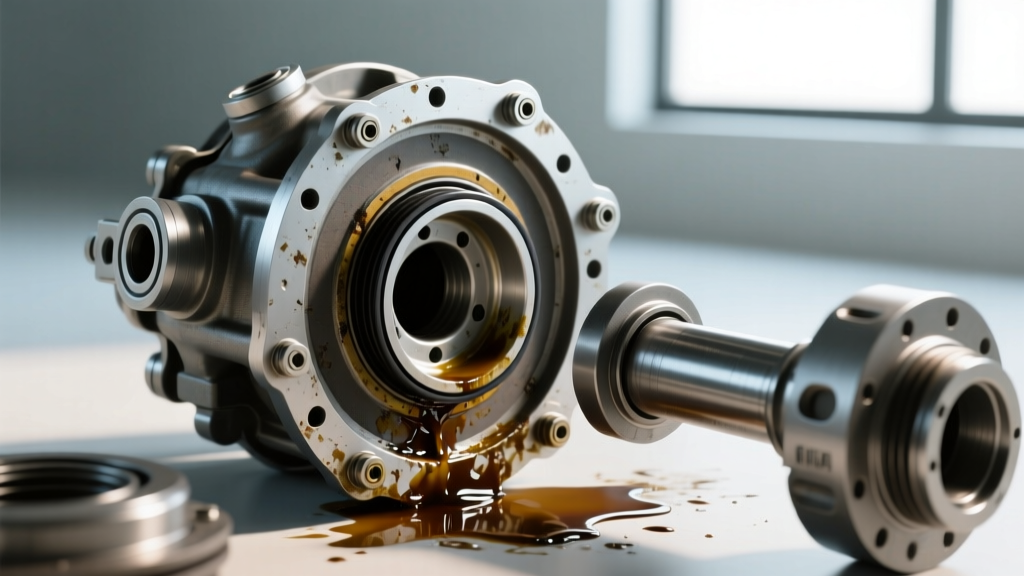
| Milky / Chocolate Emulsion | Water ingress through compromised axle seals or condensation buildup. | Emulsified fluid destroys hydraulic incompressibility. Metering fails completely; severe clutch chatter occurs. | Identify seal breach, replace fluid, inspect bearings for water-induced spalling. |
| Black / Burnt Odor | Extreme thermal runaway. Base oil carbonization and friction plate glazing. | Complete loss of hydraulic boundary protection. Metering valves stick open/closed. High risk of pump seizure. | Full differential teardown, clutch pack replacement, and pump assembly swap. |
Platform-Specific Vulnerabilities and Specifications
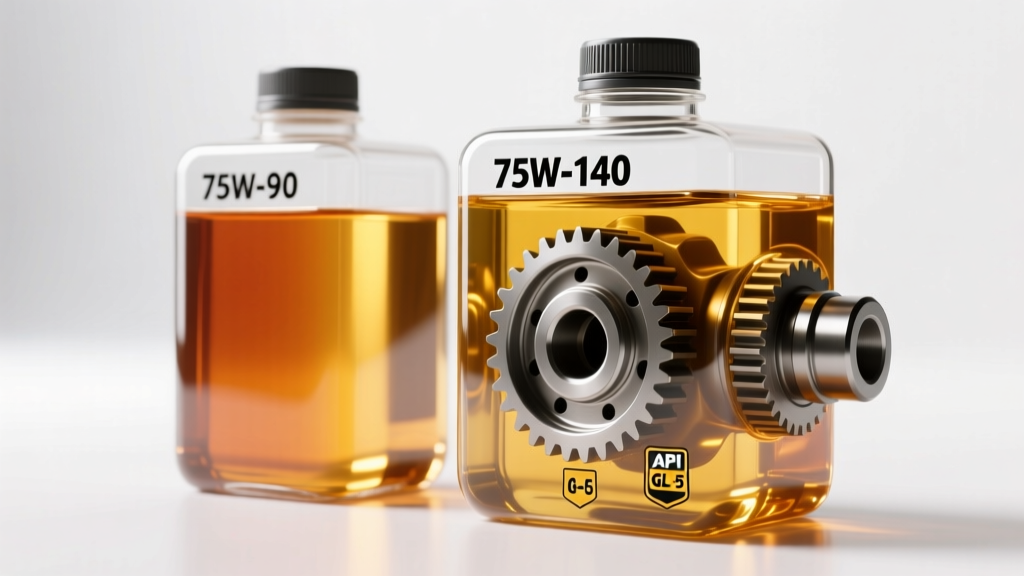
To properly execute preventive maintenance, one must understand the specific fluid requirements and mechanical vulnerabilities of modern active differentials. Using the incorrect fluid alters the baseline differential pressure flow metering calibration, as the solenoid duty cycles are mapped to specific fluid densities and friction modifiers.
VAG Haldex Gen 5 / Gen 6 (Golf R, Audi S3, Tiguan)
The Haldex system is notorious for pump failures caused by neglected fluid condition. Unlike older generations, Gen 5 and 6 units lack a traditional replaceable inline filter, relying instead on a small pump suction strainer. When the fluid turns grey or dark brown due to clutch wear, this strainer clogs. The pump starves, differential pressure drops, and the AWD system defaults to FWD.
- OEM Fluid Spec: VAG G 060 175 A2 (or updated regional equivalent).
- Capacity: ~0.65 Liters (requires precise filling via pump until overflow).
- Torque Specs: Drain plug 15 Nm; Fill plug 30 Nm.
- Preventive Interval: Every 20,000 miles for track/tuned vehicles; 30,000 miles for stock daily drivers.
Dana Twinster / Ford PTU (Focus RS, Explorer, Lincoln Corsair)
The Dana Twinster system utilizes a unique active torque vectoring rear axle that can over-speed a wheel. The differential pressure flow metering in this unit is highly sensitive to fluid shear. If the fluid turns black and smells burnt, the internal wet brakes and clutch packs will glaze, resulting in a noticeable 'hop' or binding sensation during tight parking lot maneuvers.
- OEM Fluid Spec: Motorcraft XY-75W146-QL (or specific Dana Twinster fluid).
- Capacity: ~1.1 Liters (Rear Axle/PTU combined varies by exact housing).
- Torque Specs: Drain/Fill plugs typically 28 Nm (verify per specific housing casting).
- Cost Factor: Fluid costs ~$35/liter; a replacement electro-hydraulic actuator assembly exceeds $1,200.
ZF Active Kinematics (Alfa Romeo Stelvio, BMW xDrive variants)
ZF's approach to active differentials integrates deeply with the vehicle's chassis control module. According to ZF Aftermarket technical bulletins, utilizing non-approved fluids with incorrect friction modifiers will cause the differential pressure flow metering sensors to detect micro-slip, triggering erroneous torque reductions via the engine management system.
- OEM Fluid Spec: ZF LifeguardFluid DT 1 or specific OEM-branded transfer case/diff fluid.
- Preventive Insight: ZF units are highly sealed. Fluid condition sampling requires extracting via the fill port using a pneumatic vacuum pump to inspect color without dropping the subframe.
The Preventive Maintenance Protocol: Sampling and Flushing
Relying solely on the manufacturer's 'lifetime fluid' claim is a guaranteed path to premature drivetrain failure, especially for vehicles subjected to towing, track use, or harsh climates. A robust preventive maintenance protocol involves both visual and tactile fluid analysis.
Step 1: The Extract-and-Inspect Method
Before committing to a full drain, use a fluid extraction pump with a narrow PTFE tube to pull 50ml of fluid from the differential fill port. Wipe the fluid onto a white lint-free shop towel. Check for the metallic sheen indicative of clutch wear, and rub the fluid between your fingers to feel for silica-like particulates. If the fluid is milky, water intrusion has already compromised the differential pressure flow metering baseline, and immediate service is mandatory.
Step 2: Thermal Cycling and Strainer Service
Fluid must be sampled or drained when the differential is at operating temperature (approx. 80°C / 176°F). This ensures that suspended friction materials and metallic particulates are agitated and drain out completely, rather than settling at the bottom of the axle housing. For Haldex-equipped vehicles, removing the electro-hydraulic pump to clean the brass mesh strainer is non-negotiable. A clogged strainer mimics low fluid viscosity, completely invalidating the flow metering algorithms.
Step 3: Precision Refilling and Adaptation Reset
Modern active differentials require exact fluid volumes. Overfilling causes aeration (foaming), which introduces compressible gas into the hydraulic circuit. This aeration destroys the incompressibility required for accurate differential pressure flow metering, leading to spongy clutch engagement and erratic torque vectoring. Use a digital scale or precision syringe to measure the exact OEM capacity. Finally, on vehicles equipped with OBD-II adaptation routines for the AWD coupling, use a bi-directional scan tool to reset the clutch wear and hydraulic pressure adaptations, allowing the module to relearn the flow characteristics of the fresh fluid.
Industry Standards and Further Research
Understanding the rheology of drivetrain fluids requires referencing established engineering standards. The SAE International J306 standard for axle and manual transmission gear oils, alongside J300 for engine/hydraulic oils, dictates how viscosity is measured under extreme shear. Furthermore, consulting OEM-specific engineering portals, such as Dana Automotive's technical resource library, provides critical insight into how specific friction modifiers interact with the cellulose and steel clutch plates found in modern active torque-vectoring differentials.
By treating differential fluid not merely as a lubricant, but as a vital hydraulic component essential to differential pressure flow metering, technicians and enthusiasts can extend the life of complex AWD systems, maintain optimal vehicle dynamics, and avoid catastrophic electro-hydraulic repair bills.