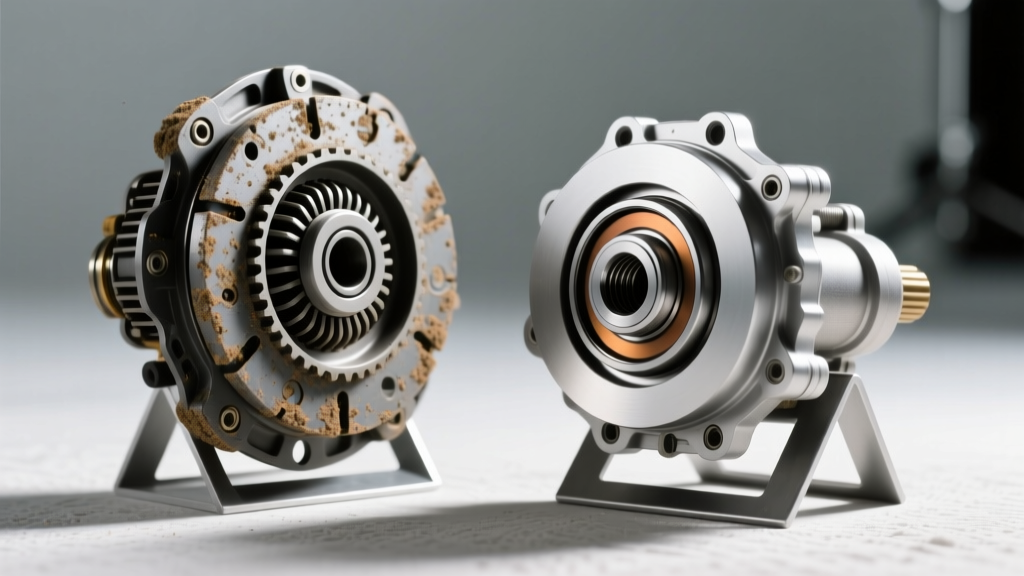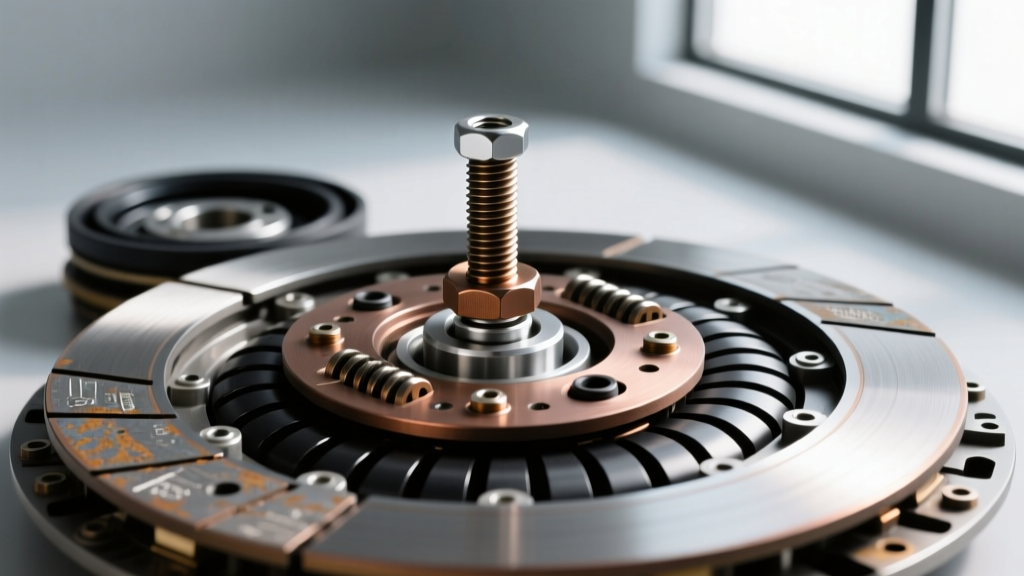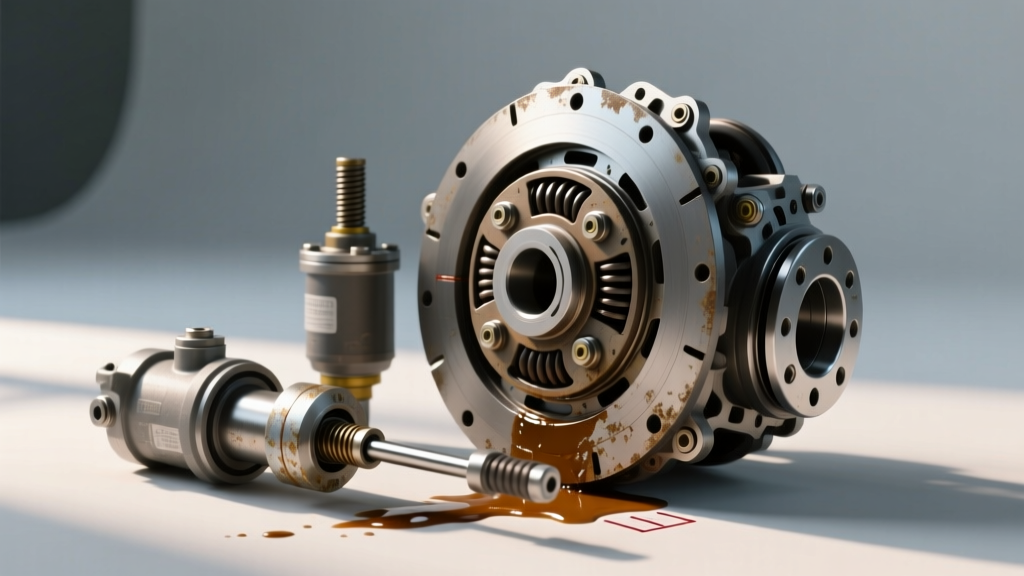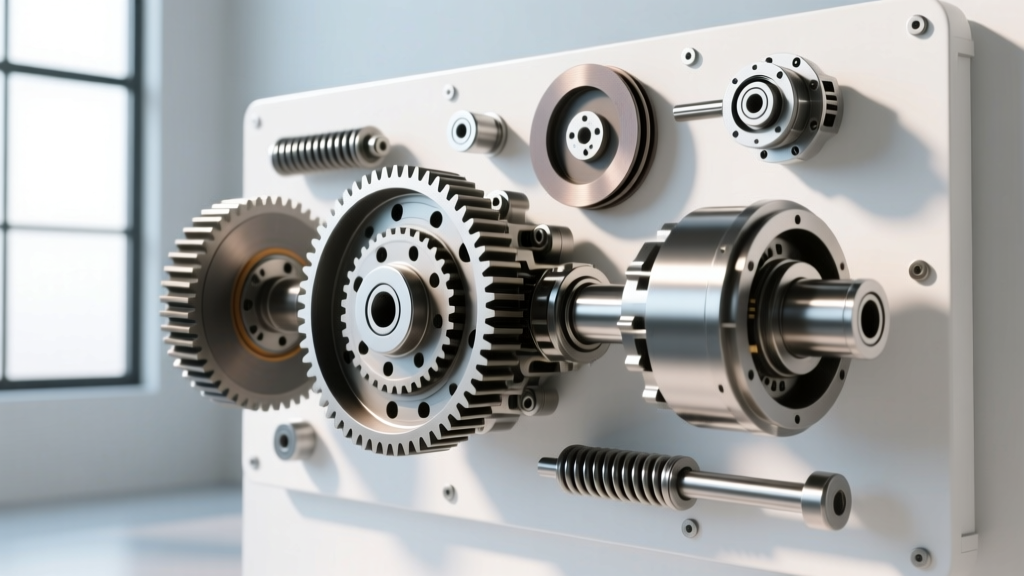
There are few things more financially damaging to an agricultural operation or heavy equipment repair shop than a tractor PTO clutch failure immediately following a major transmission overhaul. When a repair bill for an independent Power Take-Off (PTO) system exceeds $4,000, a comeback is not just a mechanical inconvenience; it is a severe liability. In 2026, with heavy-duty agricultural labor rates frequently pushing $160 to $190 per hour and modern tractors relying on complex electro-hydraulic modulation, understanding the root causes of post-repair PTO clutch problems is essential for protecting your bottom line.
Whether you are operating a John Deere 8R series, a Case IH Magnum CVX, or a Kubota M7, the symptoms of a failing post-repair PTO clutch often mimic the original failure. Slipping under heavy auger loads, violent engagement chatter, or a complete loss of independent drive can all reappear if the underlying systemic issues are not addressed during the initial teardown. This comprehensive cost analysis and diagnostic guide breaks down the exact pricing, failure modes, and assembly tolerances required to get the repair right the first time.
The True Cost of a Tractor PTO Clutch Replacement
Before diagnosing a comeback, it is critical to understand the baseline costs associated with PTO clutch system repairs. Unlike automotive manual clutches, heavy tractor PTO clutches are typically multi-plate, oil-cooled friction packs located deep inside the transmission housing or rear axle. Accessing them usually requires a 'tractor split' (separating the engine and bell housing from the rear transmission), which drives up labor costs exponentially.
| Component / Service | OEM Part Cost | Aftermarket Cost | Avg. Labor Time | Total R&R Cost (2026) |
|---|---|---|---|---|
| PTO Clutch Pack (Friction/Steel Plates) | $450 - $850 | $220 - $380 | 8 - 14 hrs | $1,730 - $3,510 |
| PTO Solenoid / Modulation Valve | $210 - $420 | $110 - $180 | 1 - 3 hrs | $370 - $990 |
| Internal Hydraulic Feed Tube & Seals | $85 - $160 | $40 - $75 | Included in Split | $85 - $160 |
| PTO Output Shaft & Bearing Kit | $700 - $1,400 | $400 - $750 | 4 - 8 hrs | $1,340 - $2,920 |
| Full Tractor Split & Overhaul (Shop Rate) | $1,800+ (Kits) | $950+ | 24 - 36 hrs | $5,640 - $8,640 |
As noted by agricultural machinery analysts at TractorData, the downtime cost during peak harvest or planting seasons can easily eclipse the physical repair bill, making accurate first-time diagnostics paramount.
Top 4 Post-Repair PTO Clutch Failures (And Why They Happen)
When a recently replaced tractor PTO clutch begins to exhibit symptoms, the root cause is rarely a defective new part. Instead, it is almost always a procedural error during assembly, calibration, or bleeding. Here are the most common post-repair failure modes.
1. Electronic Calibration Bypass (Premature Slipping)
Modern powershift and Continuously Variable Transmissions (CVT) use electronically modulated hydraulic solenoids to engage the PTO clutch pack smoothly. If a mechanic physically replaces the clutch pack but fails to run the 'Clutch Fill and Adapt' routine via the dealer diagnostic software (e.g., John Deere Service Advisor or Case IH AFS), the Transmission Control Unit (TCU) will attempt to engage the new, tight clutch pack using the stale hydraulic adaptation values from the old, worn pack. The result is an under-pressurized engagement that causes severe slipping, glazing the new friction plates within the first 10 hours of operation. Fix Cost: $180 for a software recalibration if caught early; $3,500+ for another tractor split if the plates are burnt.
2. Internal Hydraulic Cross-Leakage (Loss of Drive Under Load)
During a tractor split, the internal hydraulic feed tube that routes high-pressure oil from the rear axle valve body to the independent PTO clutch must be perfectly aligned. If the O-ring (typically a standard AS568-222 fluorocarbon seal) gets pinched or rolled during the mating of the bell housing, the system will suffer from internal cross-leakage. The PTO will engage smoothly with no implement attached, but the moment a heavy load (like a 1,000-gallon liquid fertilizer pump) is applied, the pressure drops below the 250 PSI threshold, and the clutch slips. Fix Cost: $12 for the O-ring, plus $2,800 in labor to re-split the tractor.
3. PTO Engagement Chatter and Shudder
Violent shuddering upon PTO engagement immediately after a repair is usually caused by two factors: air trapped in the hydraulic modulation circuit, or the use of incorrect hydraulic fluid viscosity. Ag mechanics must bleed the PTO clutch circuit by cycling the PTO on and off at specific RPMs (usually 1,200 RPM) while monitoring the hydraulic test port. Furthermore, using a generic ISO 46 hydraulic fluid instead of the manufacturer-specified fluid (like John Deere Hy-Gard or Kubota UDT2) alters the friction modifiers in the oil, causing the clutch plates to grab and release rapidly. According to safety and maintenance guidelines from Purdue University Extension, improper fluid usage is a leading cause of premature drivetrain wear in agricultural equipment.
4. Spline Binding & End-Play Errors
If the PTO output shaft bearing preload is set incorrectly during reassembly—often due to reusing crushed shims or failing to measure thermal expansion tolerances—the splines can bind against the clutch hub. As the transmission reaches operating temperature (180°F+), the shaft expands, eliminating the required 0.005-inch to 0.010-inch end-play. This causes the clutch pack to remain partially engaged even when the solenoid is de-energized, leading to parasitic drag, overheating, and eventual seizure of the PTO shaft.
Diagnostic Protocol: Pressure Testing vs. Guesswork
To avoid throwing expensive solenoids or control modules at a post-repair problem, technicians must perform a physical hydraulic pressure test. Locate the PTO clutch pressure test port on the rear axle housing (refer to the specific OEM service manual, as locations vary between the John Deere 8R and Kubota M7 series).
- Equipment: Connect a 0-600 PSI liquid-filled hydraulic test gauge.
- Procedure: Start the tractor and raise engine RPM to 2,200.
- Specification: Upon engaging the PTO via the cab switch, pressure should spike from 0 to 280-310 PSI within 0.4 to 0.6 seconds.
- Diagnosis: If pressure is slow to build, the modulation valve is clogged with debris from the previous failure. If pressure peaks at only 180 PSI, the internal feed tube O-ring is compromised, or the clutch piston seal is blown.
Adhering to ASABE (American Society of Agricultural and Biological Engineers) standards for PTO driveline safety and testing ensures that the implement receives consistent power without destructive harmonic feedback.
OEM vs. Aftermarket PTO Clutch Components
When managing repair costs, the debate between OEM and aftermarket friction materials is fierce. OEM clutch packs typically utilize advanced paper/cellulose friction materials bonded to steel cores, designed specifically for the friction modifiers in the manufacturer's proprietary hydraulic fluids. Aftermarket brands (such as Sparex or A&I Products) often offer sintered bronze or Kevlar-lined alternatives at a 40% discount.
While aftermarket plates are highly durable and excellent for high-heat applications, they require different hydraulic fluid friction modifiers to prevent chatter. If an aftermarket clutch pack is installed but the transmission is filled with standard OEM fluid, the mismatch in the coefficient of friction will almost guarantee engagement shudder. Always match the friction material to the fluid specification, or budget for a complete 60-quart fluid and filter flush during the clutch replacement.
Critical Torque Specs & Assembly Tolerances
Preventing post-repair failures requires strict adherence to torque specifications. A loose PTO retaining nut will allow the clutch hub to oscillate, destroying the internal splines in a matter of hours. Below are general benchmark specifications for modern high-horsepower ag tractors (always verify with the specific model service manual):
- PTO Output Flange Retaining Nut: 280 - 320 lb-ft (380 - 435 Nm). Must be applied with high-strength threadlocker (e.g., Loctite 271) and torqued using a calibrated hydraulic torque multiplier or heavy-duty click-type wrench.
- Internal Hydraulic Feed Tube Fittings (JIC O-Ring Face Seal): 35 - 45 lb-ft. Over-torquing these fittings during a blind assembly inside the bell housing will crack the cast aluminum valve body, resulting in a catastrophic internal leak.
- Clutch Pack Piston Bolts: 18 - 22 lb-ft (24 - 30 Nm). These must be torqued in a star pattern to ensure the piston sits perfectly flush, preventing uneven pressure distribution across the friction plates.
Conclusion
A tractor PTO clutch replacement is a major capital investment. By understanding the intricate relationship between electronic calibration, hydraulic fluid chemistry, and precise mechanical tolerances, operators and mechanics can eliminate the root causes of post-repair failures. Investing an extra two hours in software adaptation, thorough hydraulic bleeding, and precise end-play measurement will save thousands of dollars in secondary teardowns and prevent devastating crop losses during critical farming windows.