The Acoustic Signature of Clutch Failure
In the modern automotive repair landscape of 2026, manual transmission diagnostics still rely heavily on acoustic feedback. When a vehicle rolls into the bay with complaints of a chirping, squealing, or grinding clutch, novice technicians often jump straight to recommending a full bellhousing teardown. However, expert drivetrain specialists know that the root cause of these noises frequently lies outside the transmission tunnel. Specifically, an improperly set clutch adjustment screw on the master cylinder pushrod or at the mechanical clutch fork pivot can mimic catastrophic internal failure, leading to unnecessary $2,000+ repair bills.
Before dropping a transmission, a thorough understanding of clutch acoustics and pedal geometry is mandatory. Below is a diagnostic matrix correlating specific noises with pedal position and engine RPM.
| Noise Type | Pedal Position | RPM Dependency | Primary Suspect | Adjustment Screw Impact |
|---|---|---|---|---|
| Chirping | Released (At Rest) | Follows Engine RPM | Pilot Bearing / Input Shaft | Too tight (causes constant bearing preload) |
| Squealing | Slightly Depressed | Follows Engine RPM | Throwout (Release) Bearing | Too tight (eliminates freeplay, rides fingers) |
| Grinding | Fully Depressed | Independent of RPM | Incomplete Disengagement | Too loose (wastes stroke on slack) |
| Clunking | Releasing (Engaging) | Low RPM / Idle | Clutch Chatter / Worn Hub | Incorrect pedal engagement point |
The Clutch Adjustment Screw: Your First Diagnostic Stop
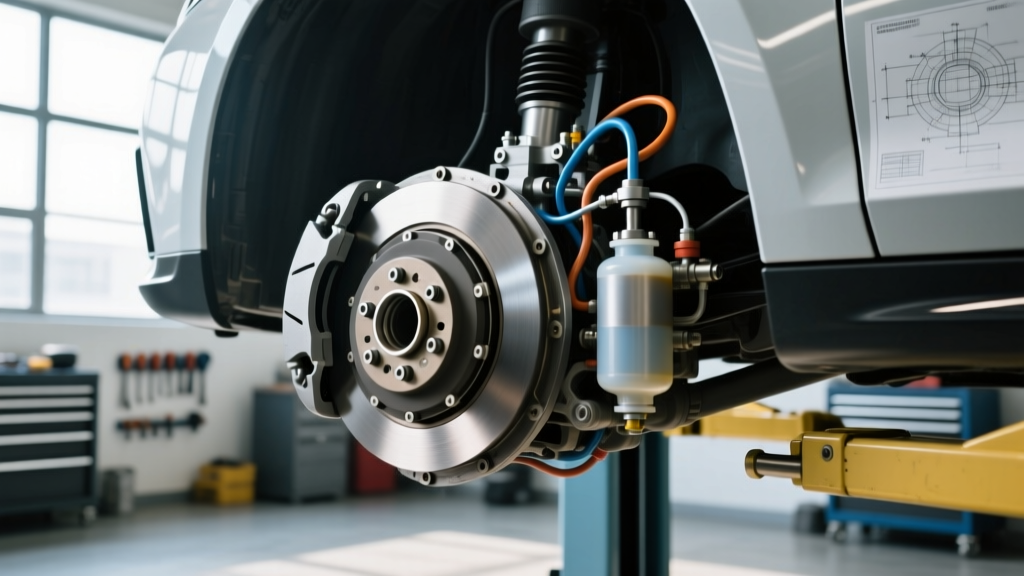
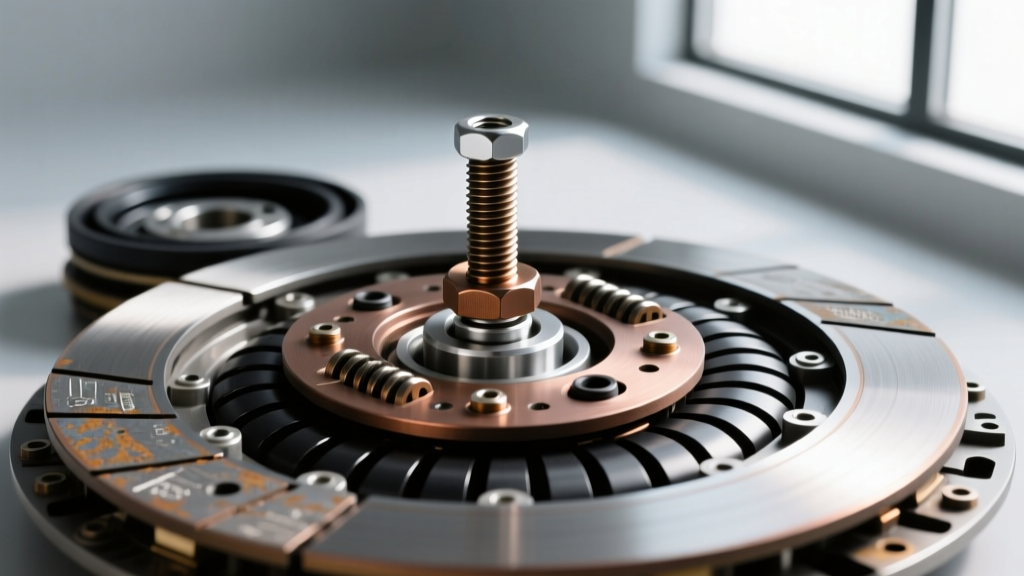
The clutch adjustment screw is the critical linkage point that dictates the resting position of the clutch release mechanism. In hydraulic systems, this is typically located on the master cylinder pushrod. In cable-actuated or heavy-duty mechanical systems (like PTO setups or classic Porsche G50 linkages), it is found at the clutch fork pivot ball or cable adjuster.
The Physics of Hydraulic Preload and the Compensation Port
According to technical bulletins from Schaeffler REPXPERT, the most common cause of premature throwout bearing failure in hydraulic systems is the elimination of pedal freeplay. The master cylinder pushrod features a clutch adjustment screw and a locknut. This screw must be calibrated to leave a precise air gap—typically 0.5mm to 1.0mm—between the pushrod and the master cylinder piston.
If the clutch adjustment screw is turned inward too far, the piston never fully returns to its resting state. This blocks the master cylinder's internal compensation port. As the hydraulic fluid heats up during normal driving, it expands. With the compensation port blocked, the expanding fluid has nowhere to go but down the hydraulic line, inadvertently applying pressure to the slave cylinder. This forces the throwout bearing to ride constantly against the spinning diaphragm spring fingers of the pressure plate, generating a high-pitched squeal and destroying the bearing in a matter of weeks.
Step-by-Step Noise Diagnosis & Adjustment Protocols
Let us break down the exact diagnostic procedures for the three most common clutch noises, focusing on how the clutch adjustment screw resolves them.
Scenario A: Chirping at Idle (Pedal Released)
A rhythmic chirping sound that disappears when you press the clutch pedal an inch into its travel is the classic signature of a failing pilot bearing or an input shaft bearing issue. However, before condemning the internal bearings, check the pushrod.
- The Test: Measure the pedal freeplay. For most modern manual transmissions (e.g., Tremec T-56 Magnum, ZF S6-650), you need 1.0 to 1.5 inches of freeplay at the pedal pad before hydraulic pressure builds.
- The Fix: If freeplay is zero, loosen the locknut on the master cylinder pushrod and back out the clutch adjustment screw until the specified 10-15mm of freeplay is achieved. Torque the locknut to 15-20 Nm.
- Result: If the chirping was caused by hydraulic expansion lightly dragging the release bearing against the pressure plate, backing off the screw will silence the noise immediately.
Scenario B: Squealing on Pedal Depression
A metallic squeal that occurs only when the clutch pedal is pressed (taking up the slack) points directly to the throwout bearing (release bearing) or the pivot ball. In high-performance applications using aftermarket clutches (like a LuK RepSet or Sachs Performance kit), the diaphragm spring fingers can wear a groove into the bearing face if the pivot geometry is wrong.
While the clutch adjustment screw does not directly fix a worn bearing, an overly aggressive adjustment can accelerate the wear. Furthermore, on mechanical linkages, the clutch adjustment screw at the fork dictates the resting distance of the bearing. If the screw is set so the bearing rests less than 1/8-inch from the fingers, engine harmonics and thermal expansion will cause them to kiss, resulting in a squeal. Always verify the manufacturer's exact resting gap specification before ordering a $150 SKF release bearing and paying for 6 hours of labor to install it.
Scenario C: Grinding During Gear Engagement
Grinding when shifting into 1st or Reverse is a symptom of clutch drag—the friction disc is still partially engaged with the flywheel despite the pedal being on the floor. While warped discs or air in the hydraulic line are common culprits, an improperly adjusted pushrod is equally to blame.
If the clutch adjustment screw is backed out too far (excessive freeplay), the first 2 inches of pedal travel does nothing but take up mechanical slack. The master cylinder piston runs out of stroke before the slave cylinder can fully retract the pressure plate fingers.
- Turn the clutch adjustment screw inward to reduce freeplay to the minimum specification (usually 0.5 inches at the pedal).
- Bleed the hydraulic system using a pressure bleeder set to 15 PSI to ensure no air is masking the true stroke length.
- Verify that the slave cylinder pushrod achieves its maximum stroke (consult service data; for a Tremec TR-6060, full slave stroke is typically around 11-13mm).
2026 Drivetrain Maintenance Best Practices & Costs
As manual transmissions become more specialized, relying on precision adjustments is more critical than ever. Here are the expert best practices and cost expectations for clutch linkage diagnostics:
Expert Insight: Never adjust the clutch pedal stopper bolt under the dash to change the engagement point without simultaneously adjusting the master cylinder clutch adjustment screw. Doing so alters the over-center spring geometry and can lead to pedal binding or incomplete master cylinder return.
Component Cost & Replacement Data
| Component | OEM / Premium Aftermarket | Estimated Cost (Parts) | Labor Time |
|---|---|---|---|
| Master Cylinder Pushrod (w/ Screw) | Wilwood / OEM Hydraulic | $35 - $85 | 0.3 Hours |
| Throwout Bearing (e.g., SKF, LuK) | OEM Equivalent | $45 - $160 | 4.0 - 7.0 Hours (Trans Removal) |
| Adjustable Billet Pivot Ball | Tick Performance / McLeod | $60 - $120 | 4.0 - 7.0 Hours (Trans Removal) |
| Full Clutch Kit (RepSet) | Sachs / LuK | $250 - $600 | 4.0 - 7.0 Hours (Trans Removal) |
Diagnosing clutch noise accurately saves customers thousands of dollars. By understanding the vital role of the clutch adjustment screw, technicians can differentiate between a simple 15-minute linkage calibration and a catastrophic internal bearing failure. Always measure freeplay first, listen to the acoustic signature second, and let the physics of the hydraulic compensation port guide your wrench.