The Rise of the Enclosed UTV: Why AC Clutches Matter Off-Road
As of the 2026 model year, the line between automotive comfort and off-road utility has completely blurred. Enclosed Side-by-Sides (UTVs) like the Polaris Ranger NorthStar Edition, Can-Am Defender HD10, and Honda Pioneer 1000-5 now feature full HVAC systems. For beginners and seasoned mechanics alike, diagnosing these systems requires a paradigm shift. If you are transitioning from automotive repair, you might assume a UTV system is identical to a standard car ac compressor clutch setup. However, off-road environments introduce extreme variables that completely change how these electromagnetic clutches fail.
Furthermore, while standard motorcycles do not feature air conditioning, the electromagnetic clutch technology used in UTV AC compressors is the exact same technology found in motorcycle starter/magneto clutches and ATV PTO (Power Take-Off) winch clutches. Understanding the diagnostic principles of the AC clutch will directly translate to troubleshooting magnetic clutches across the entire powersports spectrum.
Electromagnetic Clutch Architecture: UTV vs. Car
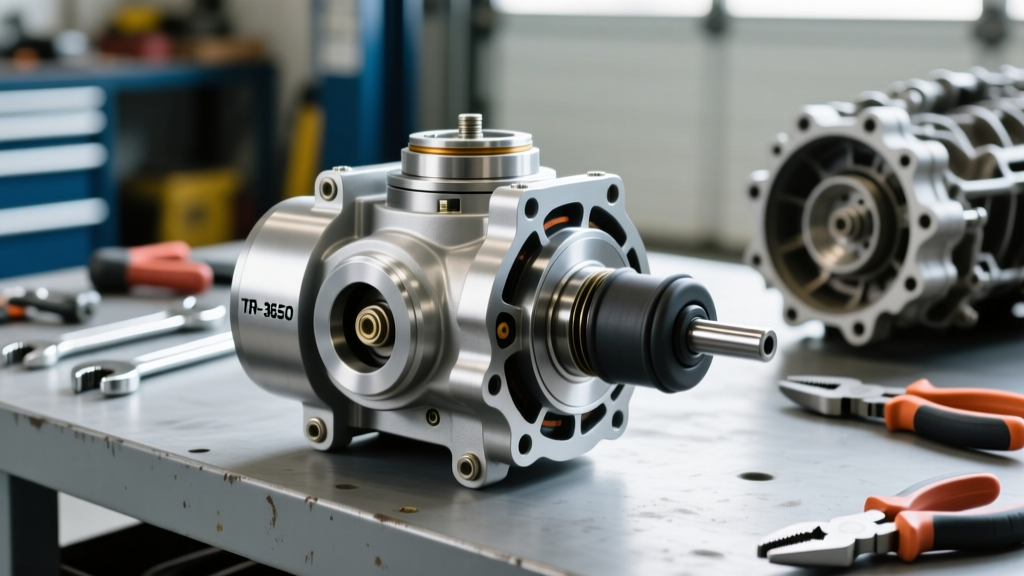
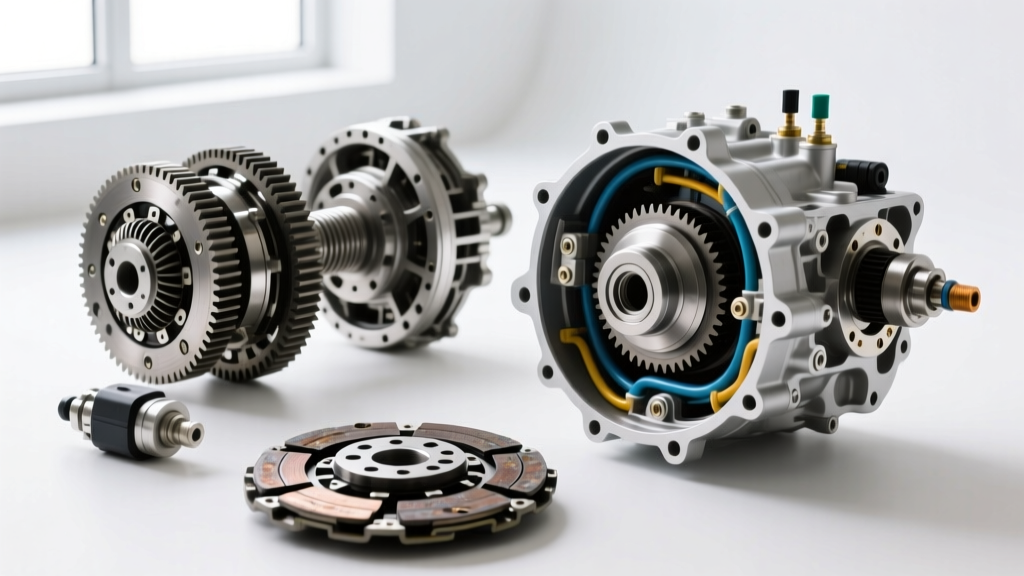
At its core, an AC compressor clutch is an electromagnetic switch. When the cabin thermostat calls for cooling, a 12V signal is sent to a copper wire coil, creating a magnetic field that pulls a steel friction plate (the hub) against the spinning pulley. This locks the compressor shaft to the engine's serpentine belt, circulating refrigerant.
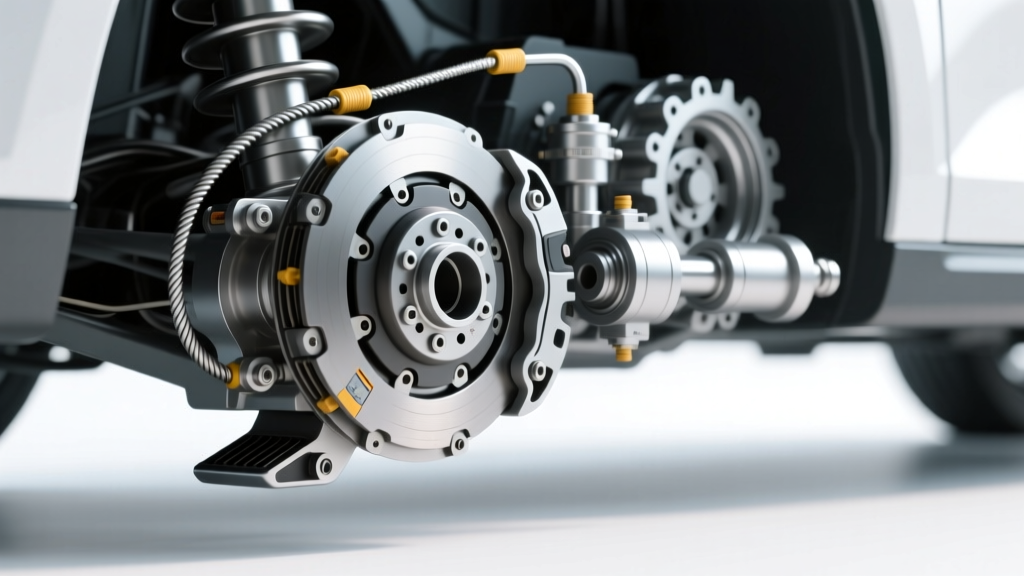
However, comparing a UTV setup to a car ac compressor clutch reveals critical engineering differences designed to handle harsh environments.
| Feature | Standard Car AC Compressor Clutch | UTV / ATV AC Compressor Clutch |
|---|---|---|
| Operating Environment | Sealed engine bay, minimal dust/water exposure | Exposed undercarriage/rear cab, high silt and mud |
| Voltage Stability | High-output alternator (13.5V - 14.5V constant) | Stator-dependent; voltage drops at low RPMs |
| Clutch Diameter | Typically 110mm - 140mm | Compact 90mm - 115mm (packaging constraints) |
| Bearing Sealing | Standard rubber lip seals | Double-lip or labyrinth seals for water submersion |
The 3 Most Common UTV and ATV AC Clutch Failures
When a UTV AC system blows warm air, beginners often assume the system is low on refrigerant. In reality, the electromagnetic clutch is the primary point of failure in powersports applications. Here are the specific failure modes you will encounter.
1. Silt Ingress and Friction Plate Lapping
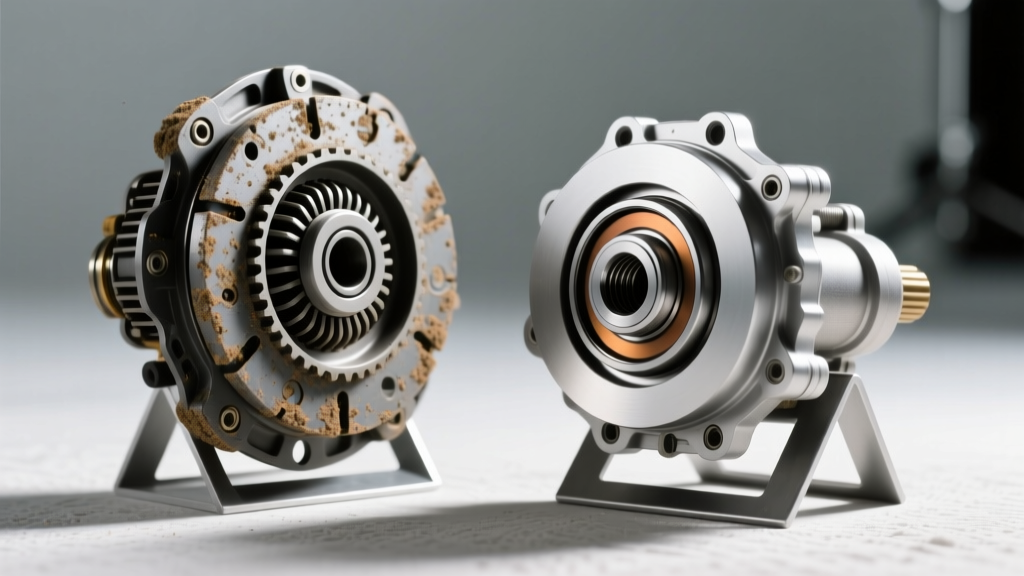
In a standard car ac compressor clutch, the friction surfaces remain relatively clean. On a UTV like the Polaris Ranger, fine silt and rock dust bypass the primary dust covers. This dust acts as a lapping compound between the pulley face and the clutch hub. Over time, the friction material wears smooth, causing the clutch to slip under the high torque loads of the AC compressor. You will hear a distinct 'chirping' or 'squealing' noise from the rear cab area when the AC kicks on, followed by warm air from the vents.
2. Stator Voltage Drop and Clutch Chatter
Unlike a car's high-output alternator, UTVs rely on stators to generate power. When idling through technical trails or running heavy accessories (light bars, winches), system voltage can drop below 11.5V. The electromagnetic coil requires a minimum threshold to maintain a rigid magnetic lock. When voltage dips, the clutch rapidly engages and disengages—a symptom known as clutch chatter. This not only halts cooling but generates immense heat, eventually melting the coil's internal winding insulation and causing an open circuit.
3. Pulley Bearing Seizure from Water Submersion
The clutch pulley rides on a sealed ball bearing. While automotive bearings are protected by fenders, UTV and ATV clutches are frequently submerged in mud and water. Hydrostatic pressure forces water past the bearing seals, washing out the synthetic grease and causing rapid corrosion. If the bearing seizes, the serpentine belt will snap, or worse, the friction plate will shear off the compressor shaft.
The Motorcycle and ATV Connection: Starter and PTO Clutches
The diagnostic logic applied to UTV AC clutches is universally applicable to other powersports magnetic clutches. For instance, the electromagnetic starter clutch on a modern dirt bike or the PTO clutch on an ATV's winch system operates on the exact same 12V coil principle. If your ATV winch clutch is slipping, or your motorcycle's magneto starter clutch is chattering, you will use the exact same multimeter resistance and air-gap diagnostic steps outlined below. The off-road culprits—water intrusion, mud ingress, and stator voltage starvation—remain identical across all these components.
Step-by-Step Diagnostic Guide for Beginners
Before ordering expensive replacement compressors, perform this 4-step diagnostic sequence to isolate the clutch assembly.
- Step 1: The Visual and Spin Test. With the engine off, reach behind the cab and spin the AC clutch pulley by hand. It should spin freely with a slight, smooth drag from the bearing. If you feel grinding, notchiness, or it won't spin, the pulley bearing is destroyed. Next, try to wiggle the front friction plate. Any lateral play indicates a worn hub bearing.
- Step 2: The Air Gap Measurement. Use a metric feeler gauge to measure the gap between the friction plate and the pulley face. The specification for almost all Denso and Sanden UTV compressors is 0.3mm to 0.6mm. If the gap exceeds 0.8mm, the magnetic field cannot bridge the distance, resulting in slipping. You can fix this by removing the center bolt and taking out a spacer shim.
- Step 3: Coil Resistance Test (Ohms). Disconnect the 2-pin wiring harness leading to the clutch coil. Set your digital multimeter to the Ohms (Ω) setting. Place the probes on the two pins of the clutch-side connector. A healthy 12V coil should read between 3.0 and 5.0 ohms. A reading of 'OL' (Open Loop) means the internal wire is broken. A reading near 0.0 means the coil is shorted internally.
- Step 4: The Voltage Drop Test. Reconnect the harness and back-probe the connector with your multimeter set to DC Volts. Start the UTV and turn the AC to MAX. You must see at least 11.8V at the clutch connector. If you see 10.2V, your stator, voltage regulator, or a corroded ground wire is starving the clutch of power.
Repair Costs, Part Numbers, and Torque Specifications
Replacing the clutch components requires precision. Over-torquing the center hub bolt can crack the friction plate, while under-torquing the mounting bolts will cause the compressor to vibrate and snap the mounting ears.
| Component / Vehicle | Typical Part Number / Spec | Estimated Cost (2026) | Installation Torque Spec |
|---|---|---|---|
| Polaris Ranger XP 1000 AC Clutch Coil | Polaris 2411463 (Kit) / Denso 447200 | $110 - $165 | N/A (Press-fit / Snap-ring) |
| Can-Am Defender HD10 Full Compressor | BRP 715002045 | $650 - $850 | Mounting Bolts: 22 Nm (16 lb-ft) |
| Standard Car AC Clutch Coil (e.g., Honda Civic) | Four Seasons 65123 | $45 - $85 | N/A (Snap-ring) |
| Universal Clutch Hub Center Bolt (M10) | Grade 10.9 Steel | $2 - $5 | 15 Nm (11 lb-ft) + Loctite 243 |
Pro-Tip: Shimming the Air Gap
If your coil tests perfectly (3.5 ohms) and your voltage is strong (13.2V), but the clutch still slips, the air gap is too wide. Do not immediately buy a new clutch. Remove the center M10 bolt securing the friction hub. Behind the hub, you will find thin metal spacer washers (shims). Remove one 0.2mm shim, reinstall the hub, and torque the center bolt to 15 Nm. Re-measure the air gap with your feeler gauge to ensure it falls squarely in the 0.4mm sweet spot. This 10-minute fix saves hundreds of dollars in misdiagnosed parts.
Final Thoughts on Off-Road HVAC Maintenance
While the fundamental physics of a UTV's AC clutch mirror those of a car ac compressor clutch, the brutal reality of off-road use demands a more rigorous maintenance schedule. For beginners, investing in a basic digital multimeter and a metric feeler gauge set is the most cost-effective step you can take. By understanding the unique vulnerabilities of stator voltage drops and silt ingress, you can keep your Polaris, Can-Am, or Honda cab cool, while applying the exact same electromagnetic diagnostic logic to your motorcycle and ATV winch clutches for years to come.
For further reading on mobile air conditioning standards and off-road HVAC servicing, consult the Mobile Air Climate Systems Association (MACS) or review engineering guidelines from Denso Thermal Systems.