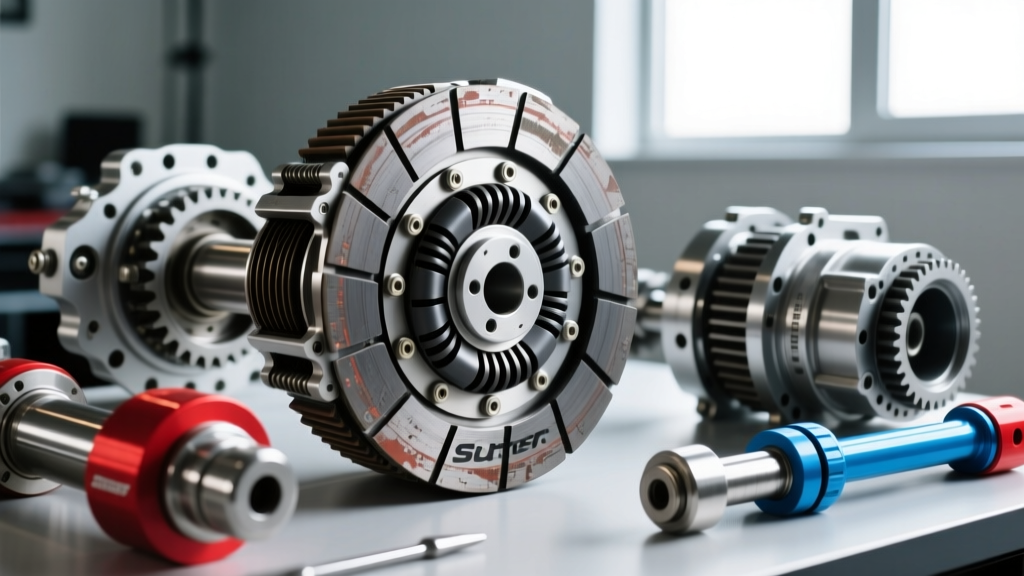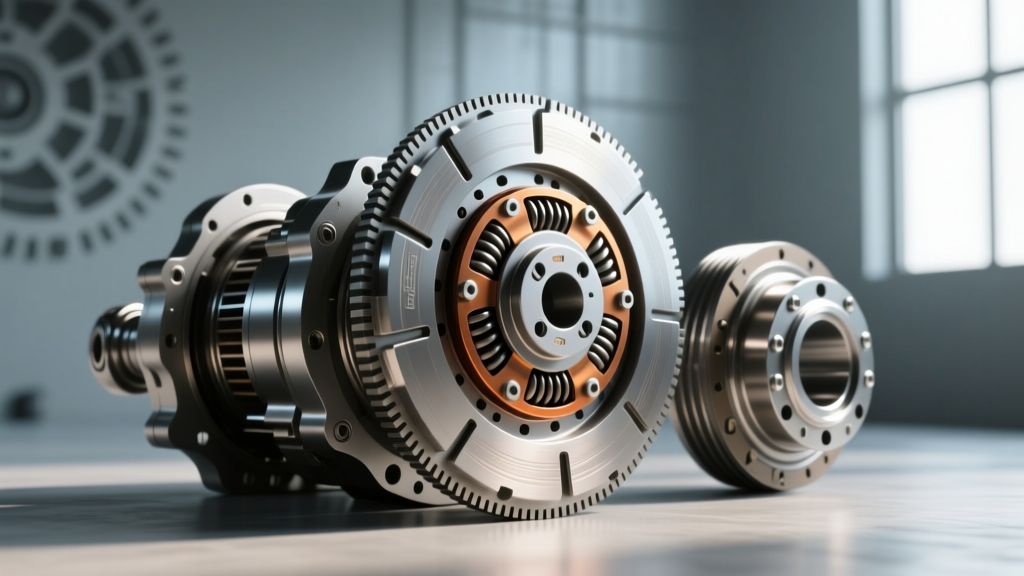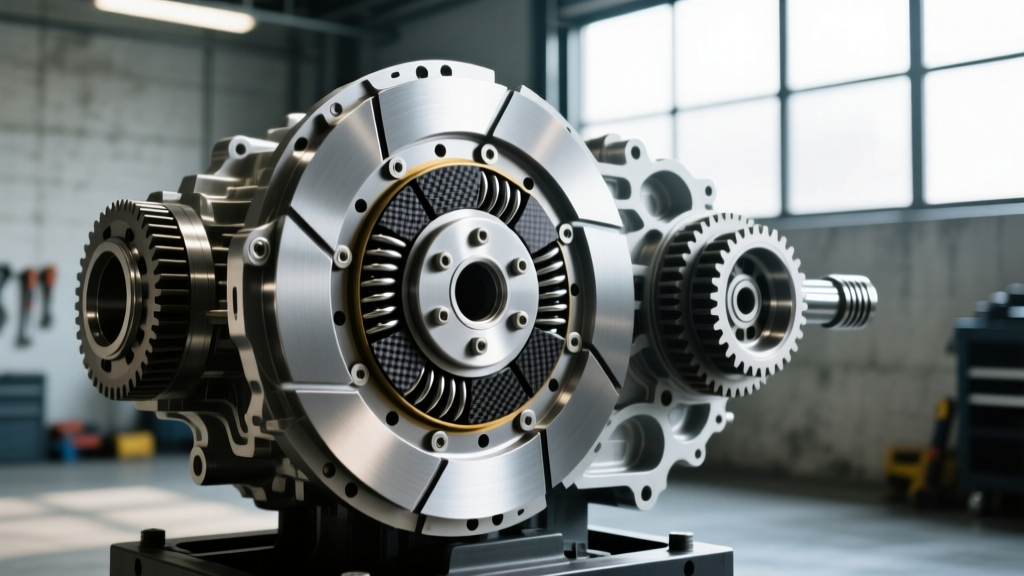
When preparing a vehicle for the rigors of the circuit, the drivetrain becomes the critical bottleneck between engine output and forward momentum. As we analyze setup trends for the 2026 track season, one of the most frequently misunderstood topics in the paddock is the hierarchy of clutch stages. Unlike OEM replacements, performance clutches are categorized by aftermarket manufacturers into 'stages' to denote their torque capacity, friction material, and pedal effort. However, because there is no industry-wide standardized metric for these stages, selecting the right clutch for a track day vehicle requires looking past the marketing and understanding the underlying metallurgy and clamp load dynamics.
The Marketing Myth vs. Engineering Reality
In the performance aftermarket, a 'Stage 1' clutch from one manufacturer might offer a completely different torque rating and engagement profile than a 'Stage 1' from a competitor. Generally, the progression of clutch stages dictates two variables: the friction material (organic, Kevlar, ceramic, sintered iron) and the diaphragm spring clamp load. For track day vehicles—where heat management and repeated high-RPM engagement are paramount—understanding these material thresholds is non-negotiable.
Clutch Stages and Material Breakdown
| Stage Level | Typical Friction Material | Clamp Load Increase | Track Application | Thermal Limit (Approx) |
|---|---|---|---|---|
| Stage 1 | Heavy-Duty Organic | +10% to +20% | HPDE Novice / Street-Track | 450°F |
| Stage 2 | Kevlar / Carbon Composite | +20% to +35% | Intermediate HPDE / Time Attack | 600°F |
| Stage 3 | Ceramic / Cerametallic | +40% to +60% | Advanced HPDE / Sprint Racing | 850°F |
| Stage 4+ | Sintered Iron (Multi-Disc) | +80% to +150% | Wheel-to-Wheel / Endurance | 1000°F+ |
Platform-Specific Clutch Stage Selection
Choosing the correct clutch stage is heavily dependent on your specific transmission architecture and the torque curve of your engine. Let us examine three popular track day platforms and the exact clutch setups required to keep them hooked up.
Ford Mustang (Tremec T-56 Magnum / MT-82)
For naturally aspirated 5.0L Coyote or supercharged Gen 3 Coyote builds pushing 550 to 850 wheel horsepower, the Tremec T-56 Magnum is the gold standard. However, the MT-82 and Magnum input shafts are sensitive to aggressive, unsprung ceramic pucks (often mislabeled as generic Stage 3 clutches). The abrupt engagement of full-face ceramic discs can shatter the input shaft splines under heavy launch loads.
Expert Recommendation: Utilize a twin-disc setup with organic/carbon friction, such as the McLeod RXT (Part #75216, approx. $1,450). This provides the torque capacity of a 'Stage 4' multi-disc but retains the dampening and engagement modulation required to protect the Tremec gearbox during pit-lane launches.
BMW M3 E46 (ZF S6-53 / S54 Engine)
The S54 inline-six revs to 8,000 RPM, meaning the clutch must handle rapid rotational acceleration. The ZF S6-53 transmission is robust, but the OEM dual-mass flywheel (DMF) is a track day liability, prone to internal spring failure under sustained lateral G-loads and high heat.
Expert Recommendation: Delete the DMF and step up to an ACT (Advanced Clutch Technology) Heavy Duty pressure plate with a 6-puck sintered iron disc (Kit SB3-XR6, approx. $780). The sintered iron material excels in high-heat environments typical of 20-minute track sessions, offering zero fade even when slipping the clutch to rotate the car mid-corner.
Porsche 996 / 997 (G50 / 996 6-Speed)
Porsche transaxles require careful consideration of rotational mass. Moving to an aggressive Stage 3 ceramic clutch without adjusting the hydraulic leverage ratio often results in a pedal so stiff it causes driver fatigue over a 15-lap stint. For track-focused 997s, a sprung-hub cerametallic disc paired with a lightweight steel flywheel (not aluminum, to retain necessary rotational inertia for the flat-six's firing pulses) is the optimal Stage 2.5 compromise.
Hydraulic System Optimization for High-Stage Clutches
Upgrading to higher clutch stages increases diaphragm spring pressure, which directly translates to heavier pedal effort and slower hydraulic actuation. If you install a Stage 3 or Stage 4 clutch without addressing the hydraulics, you will experience incomplete disengagement, leading to synchro grinding on downshifts.
- Remove the Clutch Delay Valve (CDV): Most modern manual cars (including the BMW F8X M3 and Ford Mustang S550) feature a CDV in the slave cylinder line to smooth out engagement for novice drivers. On track, this valve restricts fluid flow, causing slow disengagement and missed shifts. Delete it immediately.
- Master Cylinder Bore Sizing: If your Stage 3 clutch requires over 600 lbs of clamp load at the pedal, consider stepping down the master cylinder bore size (e.g., from 3/4' to 5/8'). This increases hydraulic leverage, reducing pedal effort at the cost of slightly longer pedal travel.
- Braided Lines and Fluid: Replace rubber hoses with stainless braided lines and flush the system with high-temp DOT 4 fluid (like Motul RBF 660) to prevent vapor lock in the slave cylinder during extended track sessions.
Installation Torque Specs and Best Practices
Track day vehicles endure extreme vibrations and thermal cycling. Relying on 'hand tight' or generic torque specs is a recipe for catastrophic failure. Always use a calibrated torque wrench and thread locker where specified.
Critical Torque Specs (Common Track Platforms):
Ford 5.0L Coyote Flywheel to Crank (ARP 254-2503): 80 lb-ft + 90 degrees.
BMW S54 Flywheel to Crank (M10x1.25): 74 lb-ft (Apply blue Loctite).
Tremec T-56 Magnum Bellhousing to Block: 37 lb-ft.
Pressure Plate to Flywheel: Typically 25-30 lb-ft (Always follow manufacturer spec, tightening in a star pattern).
The Break-In Protocol: Street vs. Track
The most common failure mode for newly installed Stage 3 and Stage 4 clutches is glazing, caused by improper bedding. Organic and Kevlar materials require a 500-mile gentle street break-in to transfer a layer of friction material to the flywheel and pressure plate faces.
However, sintered iron and ceramic materials do not require a gentle street break-in. In fact, slipping a sintered iron clutch in stop-and-go traffic will overheat and warp the iron pucks. Sintered materials require a 'heat cycle' break-in. Perform 5 to 10 controlled, moderate-RPM launches on a closed surface, allowing the clutch to cool completely between each cycle. This seats the metallic pores and establishes the necessary friction coefficient for track abuse.
Summary: Choosing Your Stage Wisely
Do not blindly purchase the highest 'Stage' available. A Stage 4 sintered iron multi-disc clutch is miserable for a street-driven track car and can destroy OEM synchronizers due to aggressive engagement. Match the clutch stage to your actual torque output, your transmission's input shaft limitations, and your hydraulic system's capabilities. By prioritizing material science and proper installation protocols over marketing terminology, you will build a drivetrain that survives the checkered flag in 2026 and beyond.