The Reality of Drag Racing Shock Loads
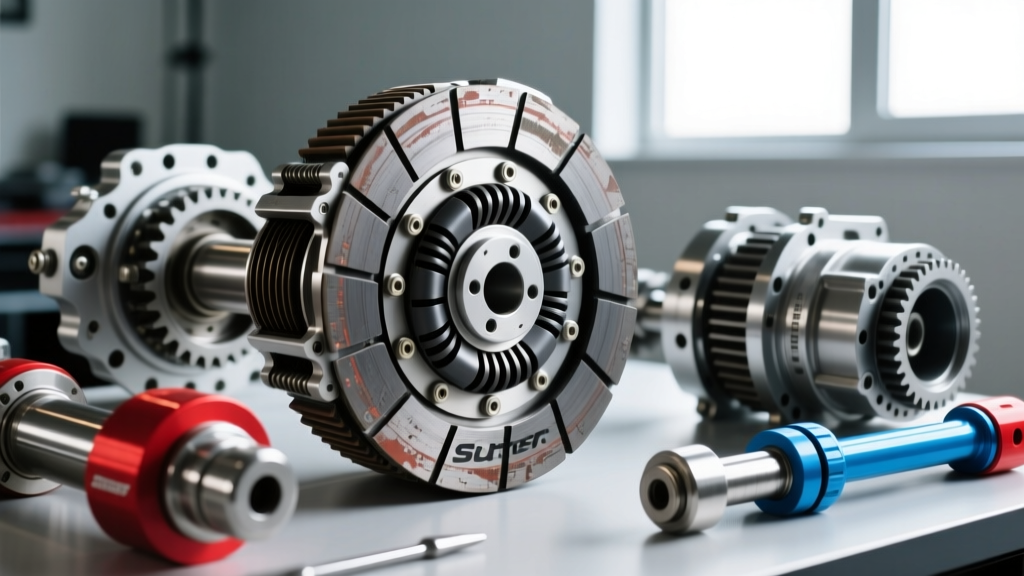
Drag racing is an exercise in controlled violence. Unlike road racing or circuit applications where clutch engagement is modulated and sustained, a drag launch subjects the drivetrain to catastrophic, instantaneous shock loads. When you dump the clutch on a high-horsepower drag bike or a specialized automotive sequential setup, the transmission input shaft experiences thousands of foot-pounds of torque in a fraction of a second. For elite competitors running Pro Stock Motorcycle, Super Twin, or high-horsepower sportbike drag builds, the Suter racing clutch is a benchmark for precision. However, even the most advanced CNC-machined billet aluminum and carbon-fiber setups require rigorous, pass-based preventive maintenance to survive the punishing environment of the drag strip.
Understanding the Suter Architecture in Drag Applications
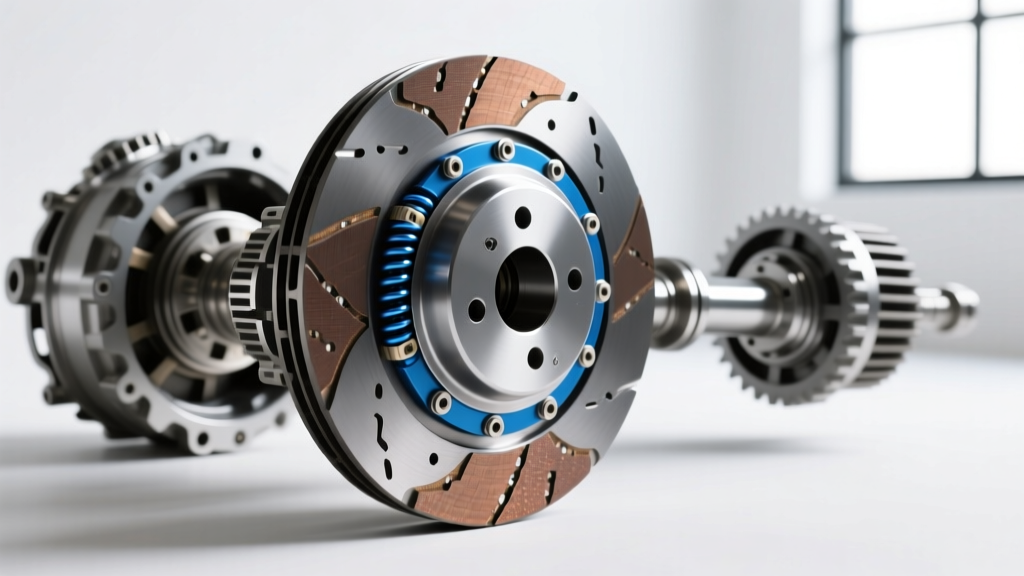
Suter Industries has built its reputation on ultra-precise multi-plate slipper clutches. In a drag racing context, the slipper mechanism—which is designed to prevent rear-wheel hop during aggressive downshifts on a road course—must be carefully managed. Many drag racers heavily pre-load or completely lock out the slipper ramps to ensure a rigid, 1:1 lockup during the high-RPM, wide-open-throttle shifts of a sequential dog-box transmission (such as those built by MRE or OPS). Preventive maintenance on a Suter racing clutch therefore focuses not just on friction material wear, but on the structural integrity of the pressure plate, the slipper ramp bearings, and the precise tuning of stack clearance to manage launch slip.
Pass-Based Teardown Intervals
Street-driven performance vehicles might see clutch inspections every 30,000 miles. In drag racing, maintenance intervals are measured in individual passes. Depending on your horsepower level and the aggressiveness of your launch control or clutch slip tuning, a complete teardown should occur at the following intervals:
- Top-Tier / Pro Mod Motorcycle (800+ HP): Inspect every 10-15 passes. Friction plates and steels are often consumable items at this level.
- Sportsman / Bracket Racing (200-400 HP): Inspect every 25-50 passes, or immediately following any unexplained tire spin or erratic 60-foot times.
- Post-Crash or Over-Rev: Immediate teardown required to check for warped steels and basket notching.
Measuring the Friction and Steel Stack
The core of any drag racing clutch maintenance routine is measuring the friction pack. Suter clutches typically utilize high-grade carbon, Kevlar, or sintered bronze friction materials paired with hardened steel separator plates. You cannot rely on visual inspection alone; a digital micrometer and a machinist's surface plate are mandatory tools in your pit box.
Inspection Tolerances and Wear Limits
| Component | New Specification | Drag Racing Service Limit | Measurement Tool |
|---|---|---|---|
| Carbon Friction Plate | 3.00 mm | 2.75 mm | Digital Micrometer |
| Sintered Bronze Plate | 3.50 mm | 3.20 mm | Digital Micrometer |
| Steel Separator Plate Warp | 0.00 mm | 0.10 mm (Max) | Surface Plate & Feeler Gauge |
| Clutch Spring Free Length | 42.50 mm | 40.00 mm | Vernier Caliper |
Pro-Tip: If your steel separator plates show a bluish-purple heat tint, they have exceeded 400°C during a slip event. Even if they measure within flatness tolerances, the metallurgy has been compromised and they must be replaced to prevent catastrophic shattering inside the clutch basket at 10,000+ RPM.
Slipper Ramp and Bearing Maintenance
Even if you have locked out the slipper function for your drag setup, the Suter ramp mechanism must be serviced. The extreme axial loads generated during a drag launch push the pressure plate against the ramp bearings with immense force. During teardown, wash the ramp bearings in mineral spirits and inspect them under a magnifying glass. Any brinelling (indentations) or flat-spotting on the needle bearings requires immediate replacement. Repack the ramp mechanism with a high-molybdenum, high-temperature grease (such as Red Line CV-2 or a dedicated Suter spec grease) to prevent galling between the aluminum pressure plate and the steel ramp gears.
Inspecting the Inner Hub and Outer Basket
The silent killer of drag racing consistency is clutch basket notching. When the clutch engages violently off the trans-brake, the friction plate tabs slam into the fingers of the outer aluminum basket and the inner steel hub. Over time, this impact creates microscopic divots or 'notches.' If notching occurs, the friction plates will hang up during engagement, causing erratic lockup, unpredictable tire spin, and inconsistent 60-foot times.
The Fingernail Test: Run your fingernail lightly across the basket fingers and inner hub splines. If your nail catches in a groove, the component is condemned. While some road racers might file down minor notches, drag racing demands perfection. Suter's hard-anodized 7075-T6 billet aluminum baskets are incredibly durable, but once the anodizing is breached and the raw aluminum is notched, the basket must be replaced. Expect to invest roughly $850 to $1,100 for a replacement Suter billet basket assembly.
Shimming for Launch Slip: The Drag Racing Secret
In drag racing, the clutch is not just an on/off switch; it is a secondary launch control device. Tuning the total stack clearance dictates how much the clutch slips off the trans-brake before fully locking up. Suter multi-plate setups typically require a total stack clearance between 1.0mm and 1.5mm depending on the specific application and track conditions.
Tuning Framework: If the bike bogs or spins excessively off the line, the clutch is slipping too long. Remove a 0.1mm shim from under the pressure plate to decrease clearance and increase clamp load. If the bike wheelies uncontrollably or hooks too violently and shakes the tires, add a 0.1mm shim to allow for a smoother, more progressive slip transition. Always measure total clearance with the slipper ramps fully compressed.
Reassembly Torque Specifications and Staking
Reassembling a Suter racing clutch requires strict adherence to torque specifications. The inner hub nut is the most critical fastener in the assembly. A loose hub nut will allow the inner hub to fret against the transmission input shaft, destroying both the shaft splines and the hub.
- Hub Nut Torque: Typically 60 Nm (44 lb-ft) for most high-performance motorcycle drag applications. Always verify with the specific Suter service manual for your exact model.
- Threadlocker: Apply a single drop of Loctite 262 (High-Strength Red) to the input shaft threads before installing the nut.
- Staking: Once torqued, you must stake the nut using a dedicated staking tool and a brass drift to prevent rotation under harmonic vibration. Never reuse a previously staked nut.
Fluid Shearing and Post-Race Analysis
Finally, preventive maintenance extends to the transmission fluid. In wet-clutch drag setups, the friction material sheds microscopic particles that suspend in the oil. After every race weekend, drain the fluid and inspect it under a bright LED light. A fine, shimmering glitter is normal wear from the steel plates and basket. However, if you find chunky metallic debris or a burnt, acrid smell, it indicates severe clutch slip or bearing failure. Replacing a $350 friction kit is a standard operating expense; ignoring fluid analysis will lead to a $4,000 sequential transmission rebuild. By treating your Suter racing clutch as a precision, tunable instrument rather than a static wear item, you ensure consistent, pass-after-pass performance on the drag strip.