The Importance of the Tacoma IFS Front Differential
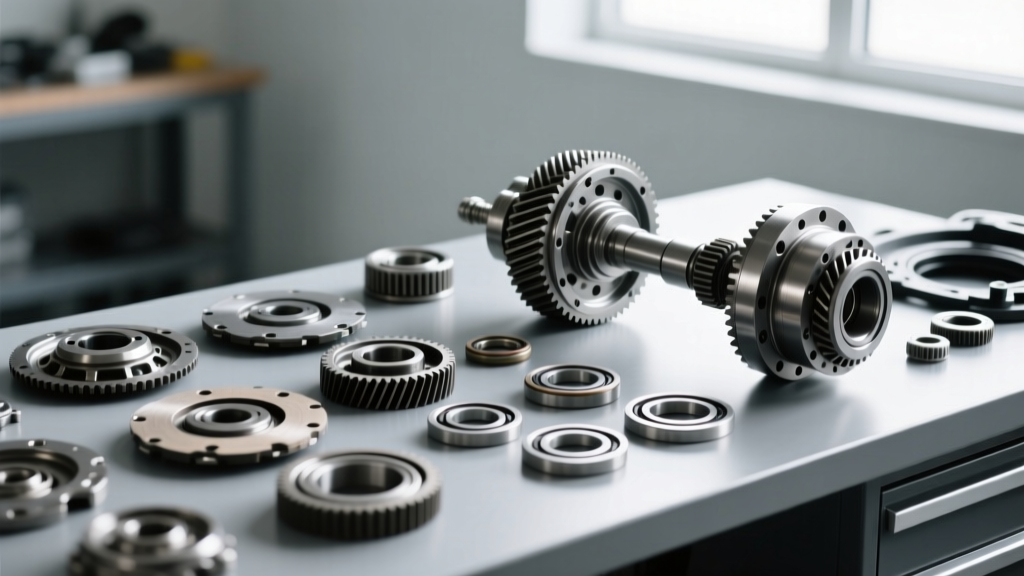
When maintaining a 4x4 mid-size truck, selecting the correct Toyota Tacoma front differential fluid type is critical for the longevity of your independent front suspension (IFS) drivetrain. Unlike the solid rear axle, the Tacoma’s front differential is a complex, reverse-rotation hypoid gearset housed in an aluminum clamshell. This assembly manages the torque split from the transfer case while accommodating the extreme articulation and CV axle angles inherent to the IFS design.
Because the front differential only engages when the transfer case is shifted into 4WD, the fluid often goes unchanged for tens of thousands of miles. However, when it is engaged—whether crawling over rocks, pushing through snow, or towing in 4-High on slippery surfaces—the ring and pinion gears generate immense friction and heat. In this 2026 buyer’s guide, we break down the exact OEM specifications, compare the top aftermarket synthetic gear oils, and provide the precise torque specs you need to service your Tacoma’s front diff correctly.
OEM Specifications: What Does Toyota Actually Recommend?
Toyota’s factory fill for the 3rd generation (2016-2023) and the new 4th generation (2024-2026) Tacoma front differential is a 75W-85 API GL-5 hypoid gear oil. The shift from the traditional 80W-90 or 75W-90 down to 75W-85 was primarily driven by CAFE (Corporate Average Fuel Economy) standards; a slightly lower viscosity reduces parasitic drag on the drivetrain, yielding marginal improvements in highway fuel economy.
The critical specification here is API GL-5. The Tacoma’s front differential utilizes a hypoid gear design, where the pinion gear intersects the ring gear below the centerline. This creates a severe sliding action between the gear teeth. GL-5 fluids contain high levels of extreme pressure (EP) additives, typically zinc dialkyldithiophosphate (ZDDP) or sulfur-phosphorus compounds, which prevent the metal surfaces from welding together under heavy load. Never use a GL-4 fluid in the Tacoma front diff, as it lacks the necessary EP additives to protect the hypoid cut.
The official OEM part number for Toyota Genuine Hypoid Gear Oil 75W-85 is 08885-81010. While it is an excellent baseline fluid, many off-road enthusiasts and heavy towers opt for higher-capacity synthetic alternatives.
Front Differential Capacity and Torque Specifications
Before purchasing fluid, you must know exactly how much your specific generation requires. Overfilling the front IFS clamshell can lead to blown axle seals due to thermal expansion, while underfilling will starve the pinion bearing. Below is the definitive specification table for 4x4 Tacoma models.
| Generation | Model Years | Fluid Capacity | Plug Size | Drain/Fill Torque Spec |
|---|---|---|---|---|
| 2nd Gen (N20/N30) | 2005 - 2015 | 1.11 Liters (1.17 qt) | 24mm Hex | 29 ft-lbf (39 N-m) |
| 3rd Gen (N40) | 2016 - 2023 | 1.10 Liters (1.16 qt) | 24mm Hex | 29 ft-lbf (39 N-m) |
| 4th Gen (N50) | 2024 - 2026 | 1.15 Liters (1.21 qt) | 24mm Hex | 29 ft-lbf (39 N-m) |
Note: Always verify torque specs with your specific year’s factory service manual. The rear differential plug torque is significantly higher (typically 39 ft-lbf), so do not confuse the two.
Comparing the Top Gear Oils for Your Tacoma Front Diff
Whether you are running a stock TRD Off-Road or a heavily modified Trailhunter, the right fluid makes a difference. We tested and reviewed the most popular options on the market to help you choose the best Toyota Tacoma front differential fluid type for your build.
1. Toyota Genuine OEM 75W-85 GL-5
- Viscosity: 75W-85
- Estimated Price: $12 - $15 per quart
- Best For: Stock trucks, daily drivers, and warranty compliance.
This is the safest bet for purists. It provides the exact friction modification and viscosity profile Toyota engineers designed the IFS clearances around. It flows exceptionally well in sub-zero temperatures, ensuring the front diff is lubricated immediately upon engaging 4WD in winter conditions. However, its high-temperature shear stability falls slightly short of premium synthetics when subjected to sustained, low-speed rock crawling.
2. Amsoil Severe Gear 75W-90
- Viscosity: 75W-90
- Estimated Price: $22 - $26 per quart
- Best For: Heavy towing, aggressive off-roading, and aftermarket lockers.
Amsoil Severe Gear is a favorite in the off-road community. According to Amsoil’s technical data, this fluid utilizes a proprietary synthetic base stock with an extra-high concentration of EP additives. It maintains a robust fluid film even when the differential housing exceeds 220°F during slow-speed technical crawling. If you have installed an ARB Air Locker or a Detroit Locker in your front IFS, this fluid’s shock-load protection is unparalleled.
3. Red Line 75W-90 Standard Gear Oil
- Viscosity: 75W-90
- Estimated Price: $19 - $23 per quart
- Best For: High-RPM desert running and extreme heat environments.
Red Line uses a polyol ester base stock, which naturally clings to gear surfaces better than standard PAO (Polyalphaolefin) synthetics. This “cling” factor is vital for the Tacoma’s front pinion bearing, which sits high in the clamshell and relies on fluid splash for lubrication. Red Line’s formula ensures that even at extreme angles, the bearing remains coated.
4. Mobil 1 Synthetic Gear Lube 75W-90
- Viscosity: 75W-90
- Estimated Price: $13 - $17 per quart
- Best For: Budget-conscious synthetic upgrades and easy retail availability.
Widely available at big-box auto parts stores, Mobil 1 offers a solid, middle-of-the-road synthetic GL-5 fluid. It meets the API GL-5 and MT-1 specifications, providing reliable protection for standard trail use and highway driving. While it may not have the extreme shear strength of Amsoil, it is a massive step up from conventional mineral oils and is highly cost-effective for frequent fluid changers.
The 75W-85 vs. 75W-90 Viscosity Debate
A common question on TacoWorld forums is whether running a 75W-90 in a differential designed for 75W-85 will cause damage or sluggish engagement. The short answer is no. The internal clearances of the Toyota 8-inch IFS clamshell are perfectly compatible with the slightly higher operating viscosity of a 75W-90.
The “W” (Winter) rating of 75 means both fluids will flow similarly at cold temperatures. The difference lies in the high-temperature operating range (the second number). A 90-weight fluid provides a thicker hydrodynamic film at 100°C (212°F). For trucks equipped with larger-than-stock tires (e.g., 33-inch or 35-inch mud-terrains), the increased rotational mass generates more heat in the ring and pinion. Stepping up to a 75W-90 synthetic provides a necessary buffer against thermal breakdown, far outweighing the microscopic loss in fuel economy.
Step-by-Step Service Tips for the Tacoma IFS Front Diff
Servicing the front differential on a Tacoma requires a few specific tools and techniques due to the packaging of the IFS subframe.
- Open the Fill Plug First: This is the golden rule of differential service. If you drain the fluid and then find your fill plug is seized or stripped, your truck is permanently immobilized. The front fill plug is tucked high up on the driver’s side of the aluminum pumpkin.
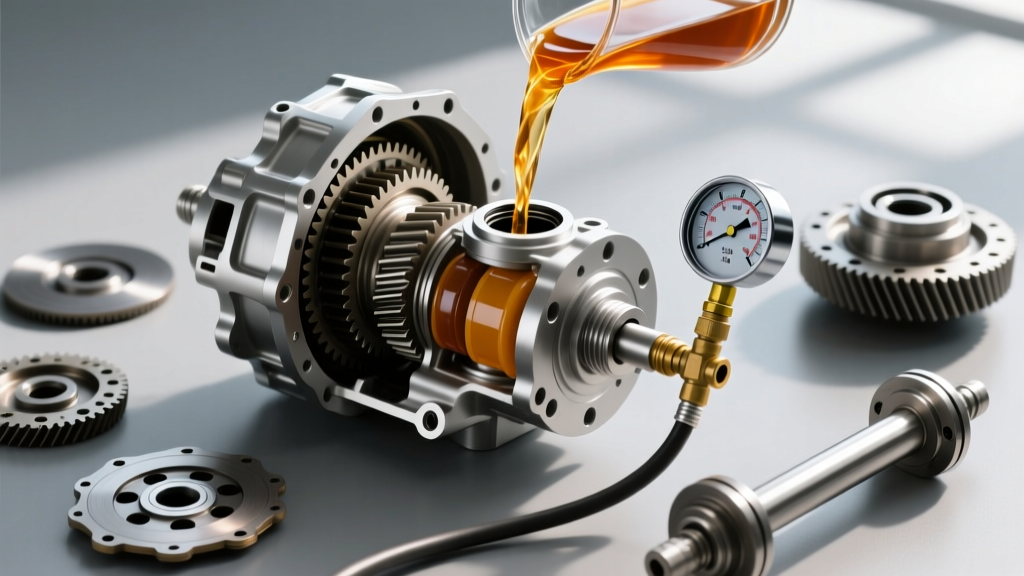
- Use a Hand Pump: Because the fill hole is angled upward and space is restricted by the CV axle and control arms, squeezing bottles will not work. Invest in a $15 manual fluid transfer pump with a hose long enough to reach from the bottle on the ground up to the fill port.
- Replace the Crush Washers: Toyota uses aluminum crush washers on the differential plugs to prevent galvanic corrosion and ensure a leak-free seal. The OEM part number for the 24mm plug gasket is 90430-18008. They cost less than $1 each at the dealership; never reuse them.
- Fill to the Brim: Pump fluid into the fill hole until it begins to weep back out. The fluid level should be exactly even with the bottom threads of the fill port.
- Torque to Spec: Use a calibrated torque wrench to tighten both the drain and fill plugs to 29 ft-lbf. Over-torquing can crack the aluminum housing or strip the threads, resulting in a costly clamshell replacement.
Diagnosing Front Differential Noise
Understanding how your differential sounds can help you catch failures before they strand you. If you hear a coast-down whine (noise when you let off the throttle while in 4WD), it typically indicates pinion bearing wear or incorrect gear backlash. If you hear a drive whine (noise under acceleration), the ring gear side of the teeth may be worn, or the fluid level is critically low. Finally, a sharp clunk upon engagement often points to excessive backlash or worn splines where the CV axle mates with the differential side gears. If you notice any of these symptoms, drop the drain plug immediately and inspect the fluid for metallic glitter or chunky shavings.
Final Verdict
Choosing the right Toyota Tacoma front differential fluid type ultimately depends on how you use your truck. For daily drivers and light trail rigs, the OEM Toyota 75W-85 (08885-81010) is perfectly adequate and cost-effective. However, if you are turning larger tires, towing heavy loads, or subjecting your IFS to the brutal shock loads of technical rock crawling, upgrading to a robust synthetic like Amsoil Severe Gear 75W-90 or Red Line 75W-90 is a cheap insurance policy for your drivetrain. Stick to the 30,000-mile service interval, use a hand pump, torque your plugs to 29 ft-lbf, and your Tacoma’s front diff will easily outlast the rest of the truck.