The Thermal Bottleneck of the Mazda 7-Inch Torsen
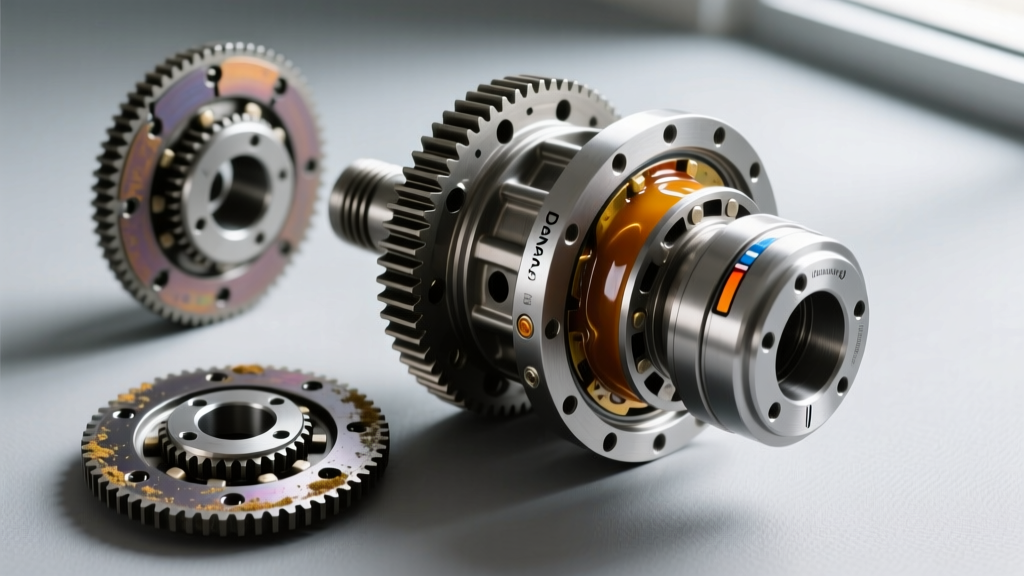
For Mazda MX-5 enthusiasts pushing their cars on the road course or in competitive autocross, the torsen differential miata setup is both a blessing and a thermal liability. The NA 1.8L and NB-generation Miatas utilize the legendary Torsen (Torque Sensing) Type I and Type II limited-slip differentials. While these helical gear-driven units provide seamless torque biasing without the harsh locking characteristics of clutch-type LSDs, they generate immense internal friction when actively biasing torque. Under high-load cornering, the Torsen’s Torque Bias Ratio (TBR) of 2.5:1 to 3.0:1 forces the worm and side gears to slide against one another, converting kinetic energy directly into heat.
The primary issue is the Mazda 7-inch ring gear housing itself. It was designed for a lightweight, low-torque street car, meaning the internal fluid volume is remarkably small—hovering right around 0.55 quarts (0.52 liters). With such a low thermal mass, gear oil temperatures can easily spike past 280°F (137°C) during a 20-minute track session at venues like Laguna Seca or VIR. Once gear oil exceeds its thermal stability threshold, the additive packages begin to shear, leading to accelerated gear wear and catastrophic differential failure. Upgrading the differential cover and optimizing your fluid cooling strategy is not just a track-day luxury; it is a mechanical necessity.
Convection vs. Radiation: How Finned Differential Covers Work
The stock Mazda rear differential cover is typically a smooth, stamped steel or basic cast-iron piece. From a thermodynamic perspective, smooth steel acts as an insulator rather than a heat sink. To extract heat from the differential housing, we must rely on convection—transferring heat from the hot gear oil to the aluminum housing, and then from the housing to the ambient air flowing beneath the car.
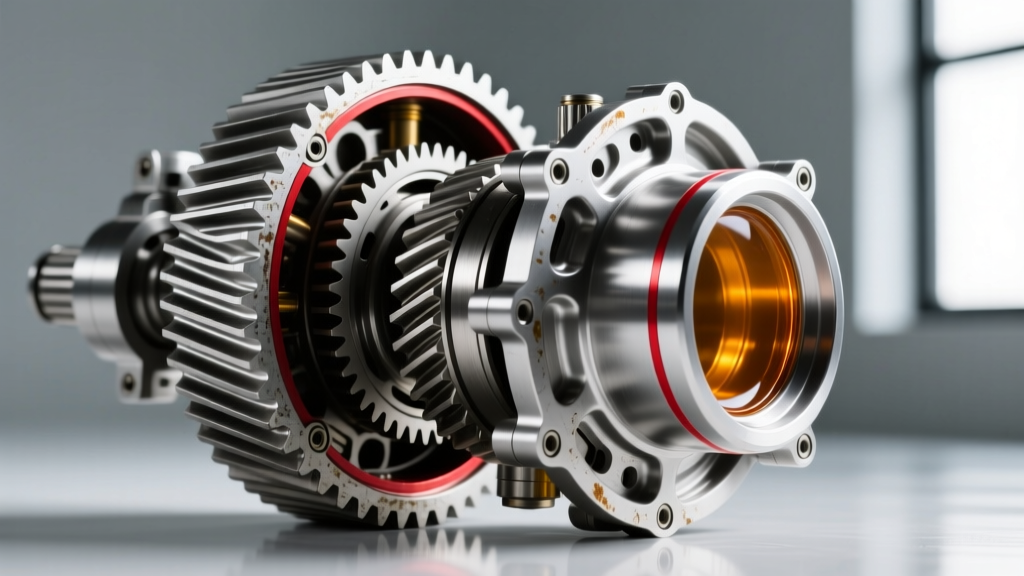
Aftermarket finned differential covers increase the exterior surface area of the housing by 300% to 500%. However, simply bolting on a finned cover is only half the battle. The Miata’s underbody aerodynamics dictate how much air actually reaches the rear axle. If your Miata is equipped with a full flat undertray or diffuser, you may actually starve the differential of the high-velocity, low-pressure air required to make the cooling fins effective. Track-prepped Miatas often utilize NACA ducts or strategic undertray cutouts to channel ambient air directly across the rear differential cover fins.
Material Science: Cast vs. Billet Aluminum
When shopping for a cooling cover, you will encounter two primary manufacturing methods:
- Sand-Cast Aluminum: Offered by companies like Maruha Motors and various JDM specialty shops. Cast aluminum has excellent thermal conductivity and is relatively lightweight. However, the casting process limits how thin and dense the cooling fins can be. Expect to pay between $150 and $250.
- CNC Billet Aluminum: Premium brands like Garage Vary and Roadster Agency machine their covers from solid blocks of 6061-T6 aluminum. Billet covers allow for razor-thin, tightly spaced fin arrays that maximize surface area within the confined space of the Miata’s rear subframe. These typically range from $350 to $600 but offer superior heat dissipation and structural rigidity.
Fluid Dynamics: Capacity, Viscosity, and Heat Transfer
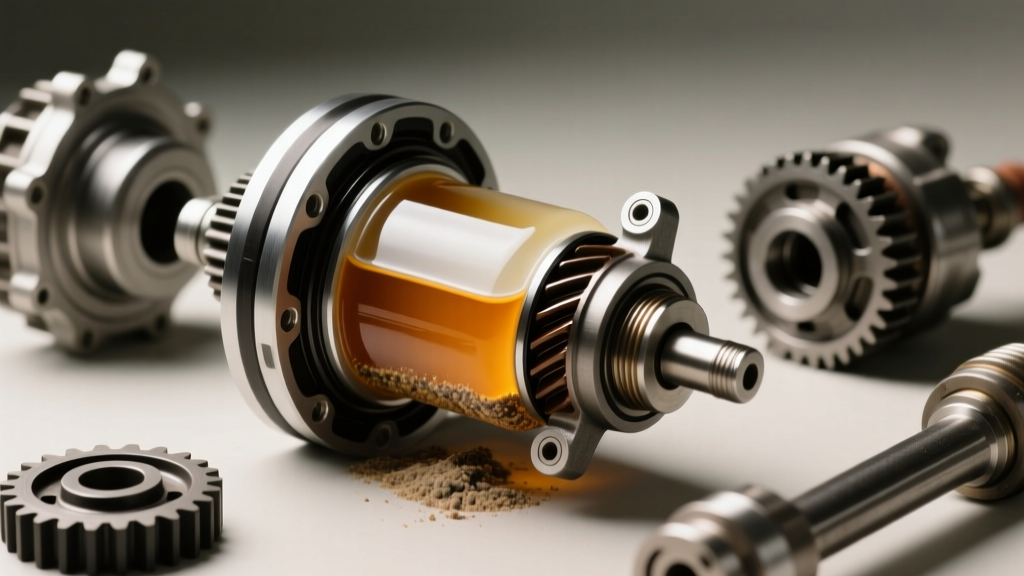
Because this upgrade inherently involves draining and refilling the axle, we must address the diff-fluid synergy. A finned cover is only a heat exchanger; the gear oil is the medium transporting the heat. Many aftermarket deep-sump finned covers increase the fluid capacity from the stock 0.55 quarts to roughly 0.80 quarts. This 45% increase in fluid volume drastically delays thermal saturation, giving the oil more time to circulate and shed heat into the aluminum fins.
As of 2026, modern synthetic ester-based 75W-90 GL-5 fluids remain the gold standard for Torsen differentials. Torsen units do not require the friction modifiers needed by clutch-type LSDs; in fact, adding LSD friction modifiers to a Torsen diff can cause gear chatter and reduce the efficiency of the helical mesh. According to tribology data from Red Line Synthetic Oil, a high-quality 75W-90 GL-5 maintains its film strength up to 300°F (148°C), whereas conventional 80W-90 mineral oils begin to oxidize and varnish at 220°F (104°C).
| Cover Type | Material | Fluid Capacity | Surface Area Multiplier | Est. Cost (USD) |
|---|---|---|---|---|
| OEM Mazda (NA/NB) | Stamped Steel / Cast Iron | 0.55 qts (0.52 L) | 1.0x (Baseline) | $45 - $75 |
| Aftermarket Cast Finned | Sand-Cast Aluminum | 0.65 qts (0.61 L) | 2.5x | $150 - $250 |
| Deep-Sump Billet Finned | CNC 6061-T6 Aluminum | 0.80 qts (0.75 L) | 4.2x | $350 - $600 |
| Active Cooler Sandwich Plate | Billet Aluminum w/ AN Fittings | 0.85 qts (0.80 L) + Lines | N/A (Liquid Cooled) | $800 - $1,200 |
Step-by-Step Installation & Torque Specifications
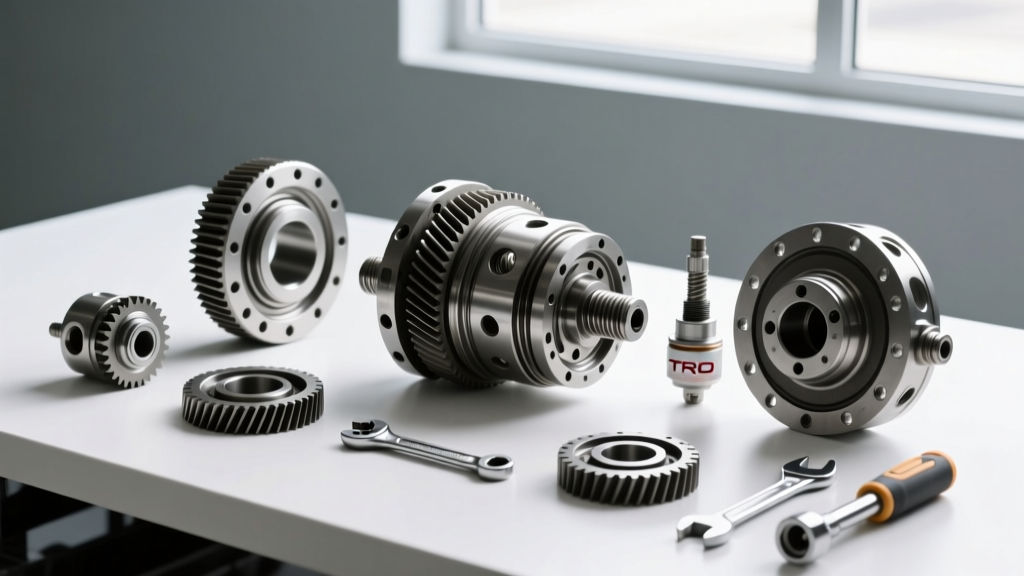
Installing a finned differential cover on an NA or NB Miata is a straightforward process, but improper sealing is the leading cause of post-installation failure. The mating surface between the differential housing and the cover is prone to warping and pitting on high-mileage chassis.
- Drain and Clean: Remove the stock fill and drain plugs. Drain the old fluid and inspect for metallic glitter (a sign of Torsen gear wear). Spray the mating surface with non-chlorinated brake cleaner.
- Surface Prep: Use a Scotch-Brite pad to gently remove old gasket material from the cast iron housing. Do not use a rotary wire wheel, as it can gouge the soft iron and create permanent leak paths.
- Sealant Application: The OEM Mazda specification calls for ThreeBond 1217E. If unavailable, Permatex Ultra Black RTV is an acceptable alternative. Apply a continuous 2mm bead around the cover, ensuring you circle the inside of all bolt holes to prevent oil from weeping up the bolt threads.
- Torque Sequence: Install the cover and hand-thread the M8 flange bolts. Tighten in a criss-cross pattern to ensure even clamping force. The factory torque specification for the rear differential cover bolts is 16 to 22 ft-lbs (22 to 30 Nm). Over-torquing will strip the threads in the cast iron housing or warp the aluminum cover.
- Fill and Cure: Allow the RTV to cure for a minimum of 12 hours before filling with your chosen 75W-90 GL-5 synthetic fluid. Fill until the fluid is level with the bottom of the fill hole (approx. 0.80 quarts for a deep-sump cover).
Active vs. Passive Cooling: When a Finned Cover Isn't Enough
While a finned billet cover and high-temp synthetic fluid will solve 90% of track-day overheating issues, extreme applications require active cooling. If you are running a turbocharged Miata making over 250 wheel horsepower, or competing in 24-hour endurance races like the Lucky Dog or ChampCar series, passive convection will not suffice.
Active differential cooling involves tapping the differential housing (or using a billet cover pre-drilled with -6 AN ORB ports) to circulate gear oil to an external heat exchanger. A Peterson or Mocal 12V fluid pump draws hot oil from the bottom of the diff, pushes it through a Setrab or Mocal aluminum plate-and-fin cooler mounted in the rear bumper ducting, and returns it to the top of the diff housing. This setup can drop peak differential temperatures by 60°F to 80°F. For detailed plumbing schematics and community-tested pump flow rates, the Miata.net Tech & DIY Forums remain the most comprehensive archive of active cooling builds.
Final Verdict for the Track-Prepped Miata
Upgrading the differential cover on your Torsen-equipped Miata is one of the highest-ROI reliability modifications you can perform. By combining a deep-sump CNC billet aluminum cover with a high-ester 75W-90 GL-5 gear oil, you effectively increase the thermal mass and convective surface area of the rear axle. Whether you are running a 1.8L NA at local SCCA autocross events or pushing a highly built NB through the high-speed sweepers of Road America, managing differential heat is the key to keeping the Torsen biasing torque and keeping you on the podium. Always verify your specific chassis torque specs via Mazda Motorsports Competition Resources before turning a wrench, and ensure your underbody aero is feeding fresh air to those expensive cooling fins.