The Dana 60 Architecture: A Benchmark in Axle Durability
The Dana 60 rear differential remains one of the most robust and highly regarded axle assemblies in the automotive and off-road aftermarket. Recognized by its massive 9.75-inch ring gear and standard 35-spline axle shafts, the Dana 60 is engineered to handle extreme torque loads from high-output diesel engines, forced-induction V8s, and aggressive off-road crawling. When equipped with a limited slip differential (LSD) such as the Spicer Trac-Lok or the heavy-duty Dana Powr-Lok, the axle transforms from an open, single-wheel-drive unit into a torque-biasing powerhouse. However, the mechanical advantage of an LSD is entirely dependent on precise internal clearances, clutch-pack preload, and meticulous fluid maintenance. In this technical deep-dive, we explore the internal operation of the Dana 60 LSD, the critical chemistry of gear oils and friction modifiers, and the exact service protocols required to maintain peak traction and eliminate drivetrain chatter.
Clutch-Pack Dynamics: How the Dana 60 LSD Operates
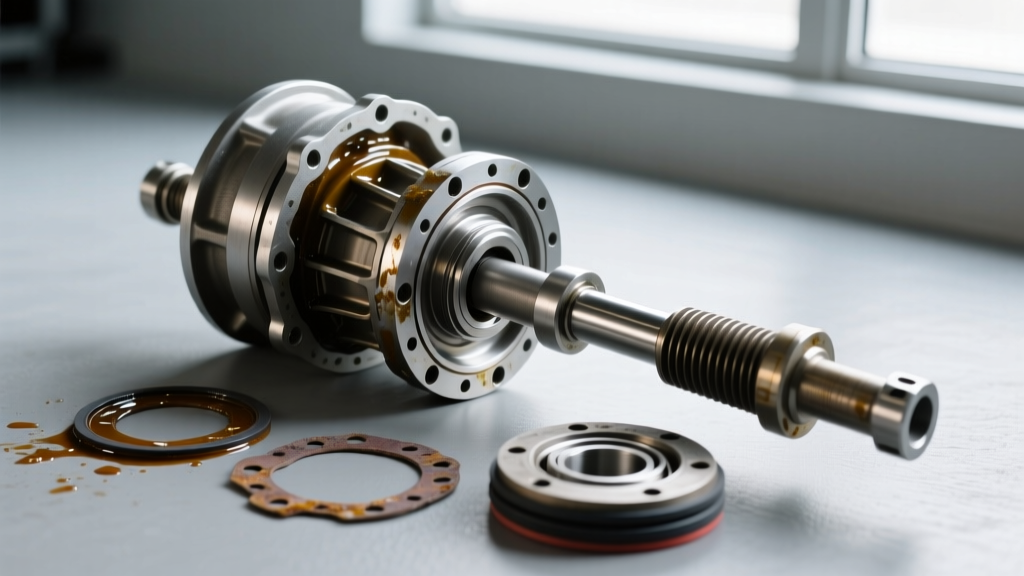
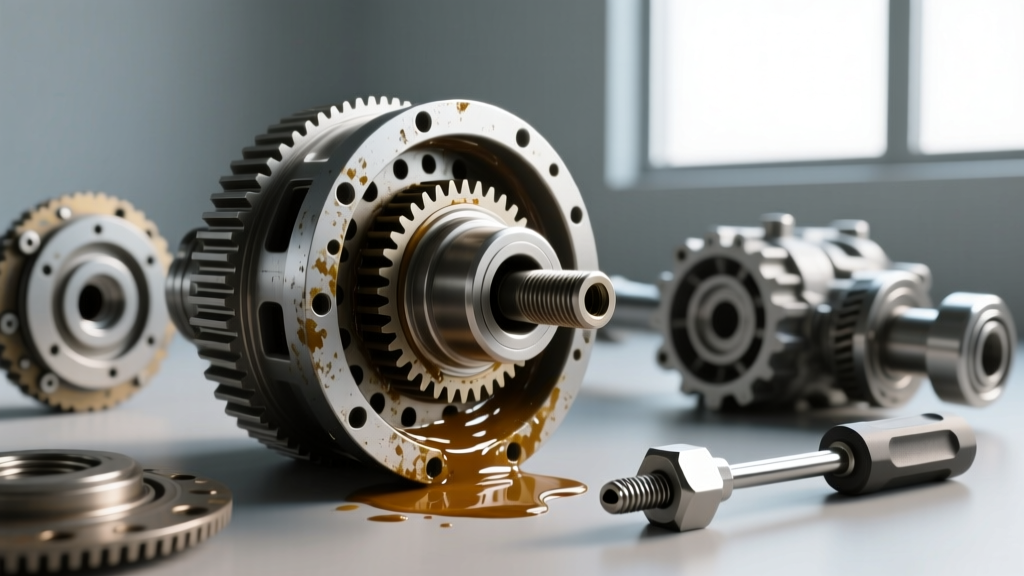
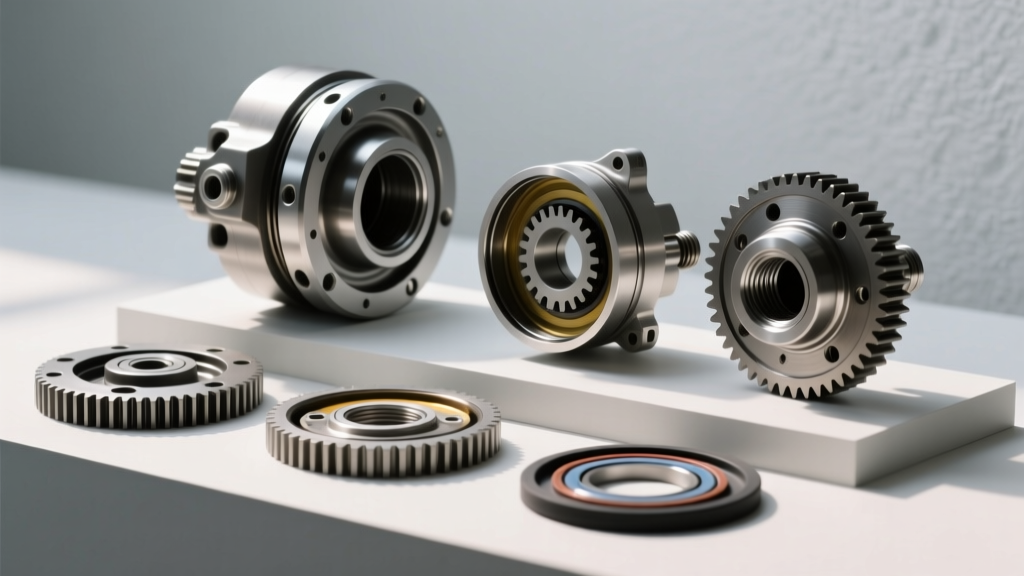
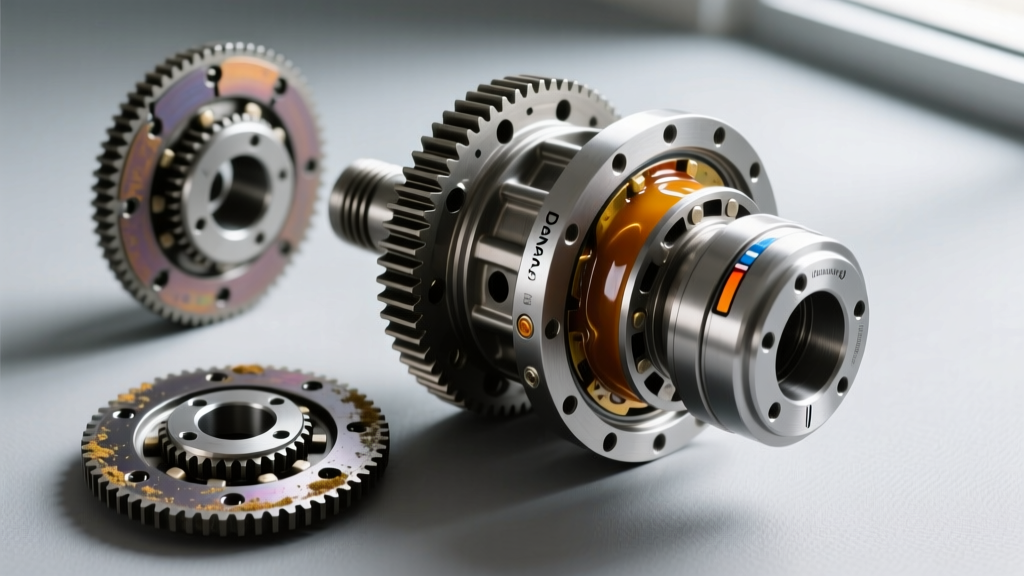
Unlike helical gear-driven systems (such as the Torsen or Detroit TrueTrac) that rely on gear separation forces to create torque bias, the traditional Dana 60 clutch-pack LSD utilizes a mechanical preload combined with hydraulic friction to manage wheel slip. Inside the differential carrier, the side gears are splined to the axle shafts and are flanked by alternating sets of friction and steel clutch plates.
When the vehicle travels in a straight line, both axle shafts turn at the same speed. The spider gears (pinion gears) do not rotate on their cross-pins, and the entire carrier assembly spins as a single unit. However, when a wheel loses traction and attempts to spin faster than the opposite wheel, the spider gears begin to walk around the side gears. This walking action generates outward thrust, which compresses the clutch packs against the carrier housing. The friction generated by this compression resists the slipping wheel, effectively transferring torque to the wheel that still has grip.
The baseline clamping force is provided by a heavy-duty S-spring (or preload springs in the Powr-Lok) situated between the side gears. If the S-spring loses tension over time, or if the clutch packs wear beyond their shimmed tolerance, the differential will behave like an open unit under load, resulting in a one-wheel peel despite the LSD badge on the differential cover.
Fluid Specifications and the Chemistry of Friction Modifiers
The fluid inside a Dana 60 rear differential serves three distinct purposes: it dissipates the immense heat generated by the hypoid ring and pinion gear mesh, it protects the bearing surfaces from microscopic pitting, and it acts as the hydraulic medium for the LSD clutch packs. For a standard Dana 60, the factory fill and general recommendation is an API GL-5 rated 75W-90 or 80W-90 gear oil. For vehicles subjected to heavy towing, extreme ambient heat, or sustained off-road crawling, stepping up to a 75W-140 full synthetic is highly recommended to maintain film strength at the ring gear contact patch.
According to Spicer Parts, the Dana 60 rear differential typically requires between 3.0 and 3.5 quarts of fluid, though exact capacity varies based on the specific axle tube diameter, brake backing plate depth, and whether a deep-sump aftermarket differential cover is installed.
The Stick-Slip Phenomenon and Modifier Additives
The most common complaint among Dana 60 LSD owners is 'chatter' or 'judder' during low-speed, tight-radius turns. This is not a mechanical failure; it is a fluid chemistry issue. When the vehicle turns, the outside wheel must rotate faster than the inside wheel. In an LSD, this forces the clutch packs to slip continuously against one another.
Standard GL-5 gear oils contain high levels of extreme pressure (EP) additives, primarily sulfur-phosphorus compounds, designed to prevent gear welding. However, these compounds create a coefficient of friction that is too high for the organic or Kevlar-lined clutch plates in a Trac-Lok or Powr-Lok. Without a friction modifier, the clutch plates will grab, release, grab, and release in rapid succession—known as stick-slip friction. This translates to a violent shuddering felt through the chassis. To resolve this, a specialized limited slip friction modifier (such as Ford XL-3 or Red Line 60103) must be added. These modifiers contain long-chain organic polymers that coat the clutch plates, lowering the static coefficient of friction just enough to allow smooth, progressive slip during cornering without sacrificing lockup under heavy straight-line acceleration.
Step-by-Step Dana 60 LSD Fluid Service Protocol
Proper maintenance of the Dana 60 rear differential requires more than just draining and filling. Follow this exact protocol to ensure longevity and optimal LSD operation:
- Preparation and Cleaning: Before breaking the seal, wire-brush and degrease the differential cover and housing mating surfaces. Introducing abrasive dirt into the carrier will rapidly destroy the spider gear thrust washers.
- Cover Removal: Remove the ten 3/8-inch (or 10mm) cover bolts. Pry the cover off carefully. Do not use a screwdriver on the mating surface of the cast-iron housing, as scoring the metal will cause permanent leaks.
- Inspection: Inspect the drained fluid. A slight metallic sheen is normal due to hypoid gear break-in. However, visible chunks of metal or a milky, chocolate-milk appearance indicates water intrusion or catastrophic bearing failure.
- Surface Prep: Scrape all old RTV silicone from both the cover and the housing. Wipe down with brake cleaner. If using a reusable gasket (like a Lube Locker), ensure the mating surfaces are bone-dry and oil-free.
- Refill and Modifier Addition: If your chosen synthetic gear oil does not explicitly state it contains LSD modifiers, add exactly 4 to 6 ounces of friction modifier first. Using a fluid pump, fill the axle with 75W-90 or 75W-140 GL-5 gear oil until it reaches the bottom of the fill hole threads.
- Torque Specifications: Reinstall the cover. If using RTV, allow a 10-minute skin-over period before tightening. Torque the cover bolts in a crisscross pattern to 30-35 lb-ft. Overtorquing these small bolts will strip the threads in the cast-iron housing or warp the stamped steel cover.
Dana 60 LSD Troubleshooting Matrix
Diagnosing Dana 60 rear differential issues requires isolating mechanical wear from fluid-related anomalies. Use the following matrix to pinpoint your specific symptom:
| Symptom | Probable Cause | Fluid / Mechanical Action Required |
|---|---|---|
| Chatter/Binding in tight turns | Depleted friction modifier or glazed clutch plates | Drain fluid, add 4oz modifier. If chatter persists, perform 10 figure-8 turns in a parking lot to burnish plates. |
| One-wheel spin under heavy load | Worn clutch packs or fatigued S-spring | Fluid change will not fix this. Carrier must be removed to measure clutch pack clearance and install thicker shims. |
| Howling noise on deceleration | Pinion bearing preload loss or worn ring/pinion coast side | Check for metal in fluid. Requires teardown, pinion nut retorquing (crush sleeve) or solid spacer conversion. |
| Whining noise on acceleration | Ring gear deflection or improper gear backlash | Verify ring gear bolt torque. Check backlash with a dial indicator (Spec: 0.006' - 0.010'). |
Advanced Rebuild Metrics: Clutch Preload and Ring Gear Torque
When a Dana 60 LSD requires a rebuild due to clutch wear, precision is paramount. As outlined in the Yukon Gear & Axle Tech Guides, rebuilding a clutch-pack LSD is not simply a matter of dropping in new friction discs. The clutch packs must be shimmed to achieve a specific drag torque. Using a specialized clutch pack holding tool and a torque wrench, the assembled side gear and clutch pack should exhibit a rotational drag of roughly 40 to 60 inch-pounds before the S-spring is even installed.
Furthermore, when reassembling the Dana 60 carrier, the ring gear bolts are a critical failure point if neglected. The Dana 60 utilizes 1/2'-20 ring gear bolts. These must be cleaned, coated with a high-strength threadlocker like Loctite 272 (Red), and torqued to 110-120 lb-ft in a star pattern. Failure to use threadlocker or achieve proper torque will result in the ring gear shifting on the carrier under high-torque loads, instantly destroying the gear teeth and the carrier itself.
Conclusion
The Dana 60 rear differential is a masterpiece of heavy-duty engineering, but its limited slip variant requires a symbiotic relationship between mechanical preload and specialized fluid chemistry. By understanding the stick-slip dynamics of the clutch packs, adhering to strict API GL-5 and friction modifier protocols, and respecting precise torque specifications during service, you can ensure your Dana 60 delivers maximum traction and reliability for hundreds of thousands of miles. Whether you are daily driving a heavy-duty truck or crawling rocks on the weekend, treating your differential fluid maintenance as a critical drivetrain service—not an afterthought—is the key to unlocking the true potential of the Dana 60.