The Modern Transmission Dilemma: Fluid Health and TCC Survival
As of 2026, the automotive landscape is dominated by highly efficient 8, 9, and 10-speed automatic transmissions. While these units offer exceptional fuel economy, they place unprecedented thermal and mechanical stress on the torque converter clutch (TCC). To mask Noise, Vibration, and Harshness (NVH), modern Engine Control Units (ECUs) command continuous micro-slip—often between 20 and 40 RPM—during TCC apply. This constant friction generates microscopic clutch debris that rapidly degrades Automatic Transmission Fluid (ATF). When this debris alters the fluid's frictional characteristics, drivers experience the most common of all faulty torque converter symptoms: the dreaded 45-mph highway shudder.
If you are experiencing early-stage shudder, slipping, or delayed lockup, a mechanical failure isn't always the culprit. Often, it is a maintenance deficit. This comprehensive buyer's guide and technical comparison will help you select the right flush method, OEM fluid, and friction-modifying additives to restore TCC operation and prevent catastrophic drivetrain failure.
Why Fluid Degradation Triggers Faulty Torque Converter Symptoms
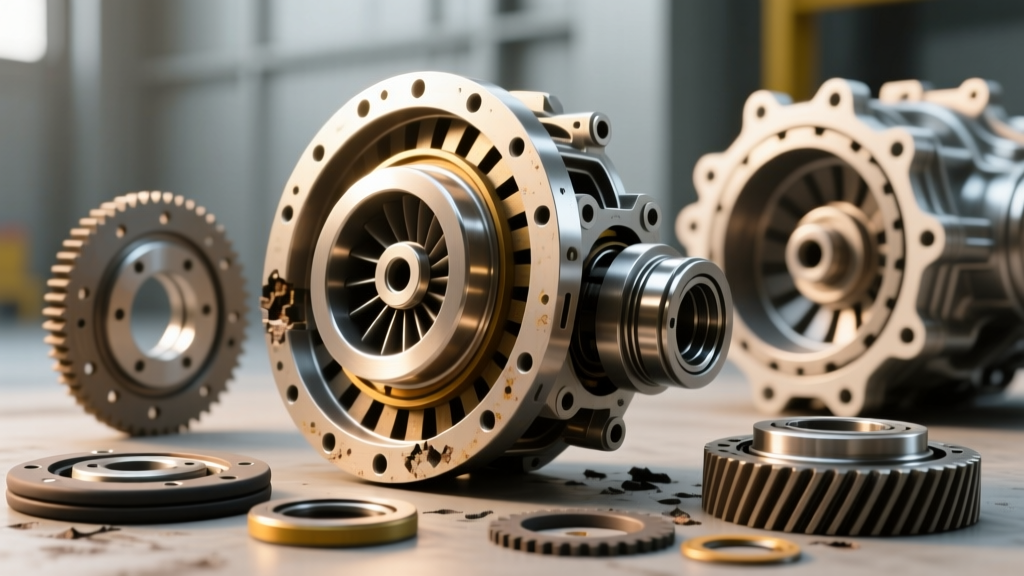
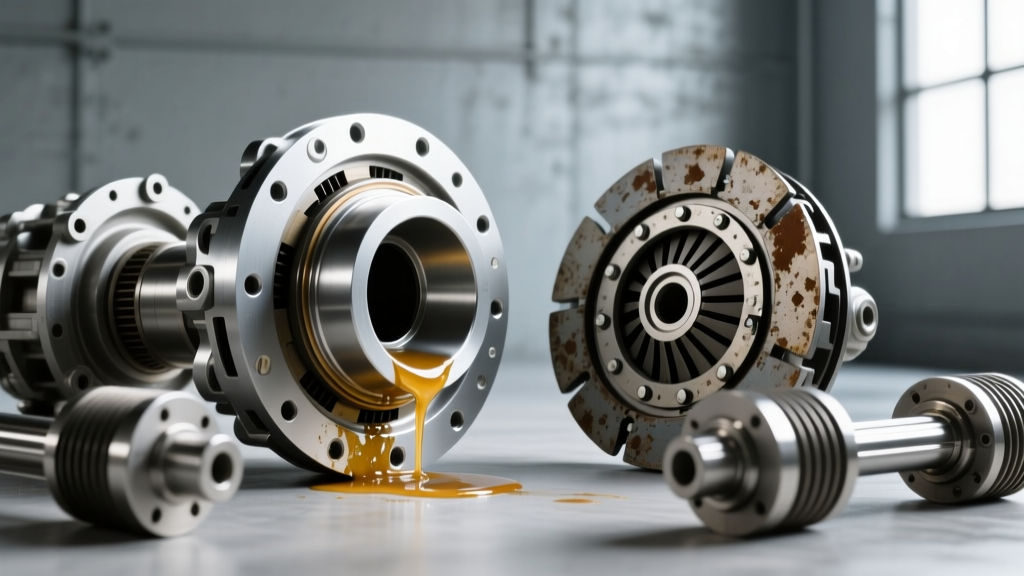
The torque converter is a sealed weldment; you cannot simply open it to replace worn friction linings without cutting it apart on a lathe. Therefore, the ATF serves as both the hydraulic medium and the liquid cooling system for the TCC friction material. Over time, the friction lining shears off in microscopic particles. According to Sonnax Technical Resources, this suspended debris acts as a lapping compound, scoring the TCC apply surface and the transmission valve body bore.
When the fluid loses its specific friction modifiers, the Pulse Width Modulated (PWM) TCC solenoid can no longer smoothly transition the clutch from slip to lock. The result is a rapid stick-slip oscillation that shakes the entire vehicle chassis. Recognizing these early faulty torque converter symptoms is critical, because the correct maintenance intervention can often reverse the shudder without requiring a $1,500+ torque converter replacement.
Comparing Torque Converter Flush Methods (2026 Market)
Not all maintenance procedures are created equal. Choosing the wrong method when diagnosing faulty torque converter symptoms can actually accelerate transmission failure. Below is a technical comparison of the three primary fluid exchange methods available to consumers and shops today.
| Service Method | Fluid Exchange Rate | Risk Level | Avg. Cost (2026) | Best Application |
|---|---|---|---|---|
| Machine Power Flush | 95% - 100% | High (if debris is present) | $250 - $400 | Preventative maintenance on low-mileage vehicles with zero shudder. |
| Drop-Pan & Filter Service | 60% - 70% | Low | $350 - $600 | Vehicles exhibiting early TCC shudder; allows for visual inspection and filter replacement. |
| Gravity Drain & Fill | 30% - 40% | Very Low | $150 - $200 | Sealed units (e.g., early ZF 8HPs without drain plugs); interim maintenance. |
Expert Warning: Never perform a high-pressure machine flush on a transmission that is already exhibiting faulty torque converter symptoms like shudder or slipping. The sudden surge in fluid flow can dislodge large clumps of TCC friction material, packing them directly into the delicate pressure control solenoids and shift valves, resulting in immediate transmission failure.
Buyer's Guide: OEM Fluids vs. Shudder-Fix Additives
When addressing TCC slip and shudder, the chemical composition of your fluid is paramount. The market is flooded with 'mechanic in a bottle' solutions, but only a few possess the chemical engineering to genuinely alter friction coefficients.
1. OEM Fluid Replacements (The Baseline)
- GM 6L80 / 6L90 / 10L90: ACDelco Dexron VI (Part# 10-9395). Dexron VI features a highly stable viscosity index and robust friction modifiers specifically designed for GM's PWM TCC apply strategy. Expect to pay $9-$12 per quart.
- ZF 8HP (8HP45 / 8HP70 / 8HP76):strong> ZF LifeguardFluid 8 (Part# S671.090.312). As noted by ZF Aftermarket, using non-approved ATF in the ZF 8HP will immediately trigger TCC slip codes (P2763) due to incompatible friction modifiers. Pricing is steep at $25-$35 per liter.
- Ford 10R80: Motorcraft MERCON ULV (Part# XT-12-QULV). Ultra Low Viscosity fluid is mandatory for the 10-speed's micro-slip TCC operation.
2. Friction Modifying Additives (The Shudder Killers)
If a drain-and-fill with OEM fluid does not cure the shudder, a specialized friction modifier is your next line of defense before resorting to mechanical teardown.
- Lubegard Instant Shudder Fixx (Part# 41910): Widely considered the gold standard by transmission rebuilders. It contains specialized polyol esters that instantly alter the friction coefficient of the TCC lining, promoting smooth apply rather than stick-slip. Cost: ~$18 for a 5oz tube.
- Dr. Tranny Shudder Fixx: A PTFE-based alternative that coats the friction surfaces. While effective for mild shudder, it can sometimes cause delayed shifts in high-mileage units by making the clutch packs too slippery. Cost: ~$15 for a 4oz tube.
DIY Drop-Pan Service: Technical Specifications & Torque Values
For the advanced DIYer tackling faulty torque converter symptoms in the home garage, the drop-pan service is the safest and most effective maintenance procedure. Below are the exact specifications for the two most prevalent transmission families on the road today.
GM 6L80 / 6L90 Applications
The 6L80 utilizes a reusable, pressed-in filter and a stamped steel pan with a reusable O-ring gasket (on most models).
- Total Dry Capacity: 11.2 Quarts (10.6 Liters)
- Pan Drop Capacity: ~6.0 Quarts
- Pan Bolt Torque Spec: 11 Nm (97 lb-in). Do not overtighten; the stamped steel pan will warp and leak immediately.
- Filter Protocol: The filter does not need replacement unless it is physically damaged or clogged with heavy metallic debris. Focus on cleaning the pan magnets.
ZF 8HP Applications (Chrysler, BMW, Audi, Jaguar)
The ZF 8HP features a plastic transmission pan with the filter permanently integrated into the plastic molding. You must replace the entire pan assembly as a single service kit.
- Total Dry Capacity: 9.0 to 10.5 Liters (varies by bellhousing size)
- Pan Drop Capacity: ~5.5 to 6.5 Liters
- Service Kit Part Number: ZF 1087.298.397 (Includes pan, integrated filter, seals, and new mechatronic sleeve if applicable).
- Pan Bolt Torque Spec: 10 Nm (88 lb-in). Ensure the mating surface on the ZF mechatronic valve body is perfectly clean before seating the new plastic pan O-ring.
- Fill Procedure: The ZF 8HP requires a temperature-dependent level check. The fluid must be between 30°C and 50°C (86°F - 122°F) when checking the fill plug, with the engine idling in Park.
When Maintenance Isn't Enough: Recognizing Terminal Failure
While flushing and friction modifiers can cure early-stage faulty torque converter symptoms, they cannot fix mechanical destruction. If your vehicle exhibits any of the following terminal failure signs, abandon the flush and prepare for a transmission removal:
- Heavy Metallic Glitter in the Pan: A fine, magnetic paste on the pan magnets is normal. However, if you find metallic flakes or chunks of bronze (bushing material), the torque converter hub or internal stator bearings have failed.
- Dark, Burnt Fluid with a Bitter Odor: This indicates the TCC friction material has completely burned off the backing plate, and the raw steel is scoring the converter cover.
- P0741 (TCC Stuck Off) or P2763 (TCC Pressure Control Solenoid High) that returns immediately after a fluid exchange and solenoid reset.
Conclusion
Addressing faulty torque converter symptoms requires a methodical approach rooted in fluid chemistry and precise mechanical maintenance. By avoiding high-pressure machine flushes on shuddering units, utilizing exact OEM fluid specifications like Dexron VI or ZF LifeguardFluid 8, and applying targeted friction modifiers like Lubegard, you can often restore TCC lockup and extend the life of your drivetrain by tens of thousands of miles. Always adhere to manufacturer torque specs—especially the critical 11 Nm on GM pans and 10 Nm on ZF plastic pans—to ensure your maintenance efforts yield reliable, leak-free results.