The Intersection of Stall Speed and F150 Torque Converter Replacement Cost
When modifying a Ford F-150 for heavy towing, off-road performance, or simply correcting the sluggish feel of modern EPA-mandated tuning, the torque converter is the most critical component in the drivetrain. Many truck owners begin researching an F150 torque converter replacement cost after experiencing shudder, overheating, or severe low-end bogging. However, simply replacing a failing unit with an identical OEM part often misses the opportunity to optimize the truck's drivability. To truly transform how your F-150 delivers power, you must understand torque converter stall speed.
In this 2026 step-by-step guide, we will break down the fluid dynamics of stall speed, how to test your current setup, and provide a comprehensive cost analysis for both OEM replacements and aftermarket stall upgrades on the ubiquitous 6R80 and 10R80 transmissions.
What is Torque Converter Stall Speed?
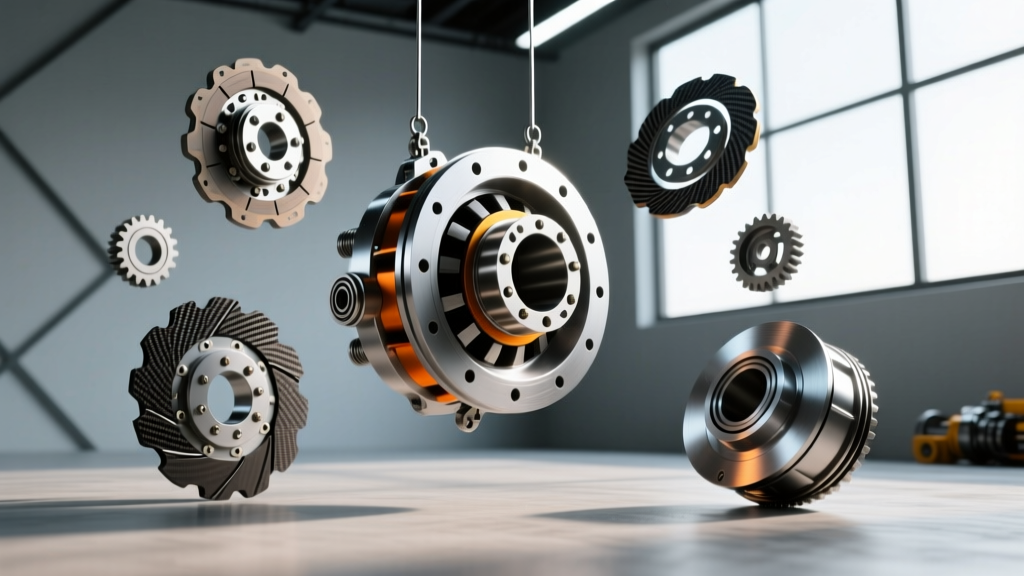
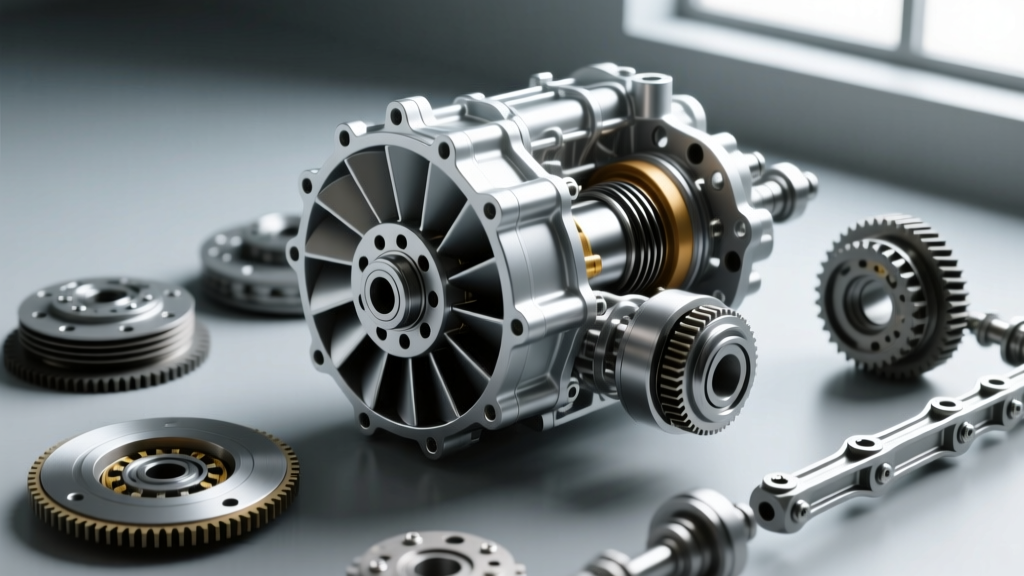
At its core, a torque converter is a fluid coupling device that transfers rotating mechanical power from the engine's flexplate to the transmission's input shaft. It consists of three primary elements: the impeller (pump), the turbine, and the stator. Stall speed is a measurement of the converter's torque multiplication characteristics and its slip threshold.
True Stall vs. Flash Stall
Automotive engineers and transmission tuners differentiate between two types of stall measurements:
- True Stall (Brake Stall): The maximum engine RPM achieved with the transmission in gear, the output shaft completely locked (via heavy braking), and the throttle at wide-open throttle (WOT). This is difficult and dangerous to test on modern 4WD trucks with advanced ABS and traction control systems.
- Flash Stall: The RPM at which the converter 'flashes' or catches and begins to multiply torque during a hard launch from a roll or a stop. This is the practical metric used by tuners and performance shops.
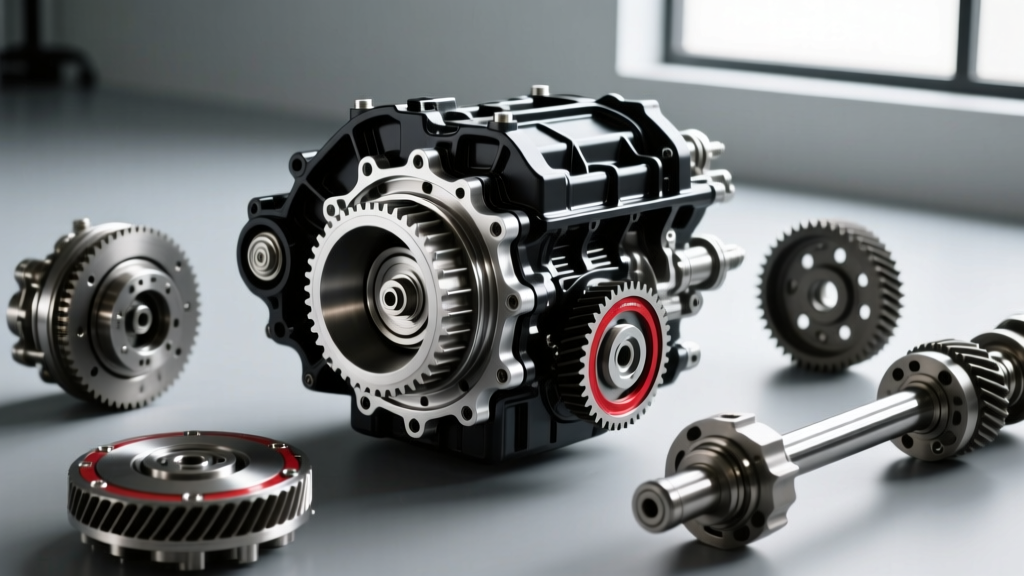
An OEM Ford 10R80 torque converter is designed for fuel economy, typically flashing between 1,600 and 1,800 RPM. While excellent for highway cruising, this low stall speed forces the engine to operate below its optimal volumetric efficiency when towing heavy loads, leading to excessive Transmission Control Module (TCM) hunting and elevated fluid temperatures.
Step 1: Safely Testing Your F-150’s Current Stall Speed
Before calculating your F150 torque converter replacement cost for an upgrade, you must establish your baseline. Do not perform a traditional brake-stall test, as it can overheat the fluid and damage the clutch packs in your 6R80 or 10R80.
- Prepare the Vehicle: Ensure the transmission is at normal operating temperature (180°F - 200°F). Connect an OBD-II scanner capable of reading live TCM data, such as FORScan or an HP Tuners MPVI3 interface.
- Find a Safe Incline: Locate a steep, safe, and empty incline. The resistance of the hill will naturally load the drivetrain without requiring you to stand on the brake pedal at WOT.
- Execute the Roll-On Test: In 3rd or 4th gear (to minimize torque multiplication from the gearset itself), roll at 15 MPH and apply WOT.
- Record the Data: Monitor the engine RPM. The initial spike in RPM before the vehicle begins to accelerate rapidly is your flash stall speed. If your 5.0L Coyote V8 flashes at 1,650 RPM, you are running a standard OEM low-stall unit.
Step 2: Choosing the Right Stall for Your Build
Selecting the correct stall speed requires matching the converter to your engine's powerband, tire size, and gear ratio. According to drivetrain engineering data from Sonnax, altering the stator fin angle and impeller clearance changes the slip profile.
| Application Profile | Target Flash Stall (RPM) | Expected Behavior | Best For |
|---|---|---|---|
| OEM Replacement | 1,600 - 1,800 | Early lockup, max fuel economy, sluggish off the line. | Stock trucks, highway commuting. |
| Mild Tow / Daily | 2,200 - 2,400 | Quicker turbo spool (EcoBoost) or VVT engagement (Coyote). | 6,000+ lb towing, larger tires. |
| Heavy Tow / Performance | 2,600 - 2,800 | Aggressive launch, keeps engine in peak torque curve. | 8,000+ lb towing, off-road racing. |
Step 3: Calculating the F150 Torque Converter Replacement Cost
The total F150 torque converter replacement cost varies wildly depending on whether you choose a dealership OEM swap, an independent shop, or an aftermarket performance upgrade. Below is a realistic 2026 pricing breakdown for a 2018-2024 F-150 equipped with the 10R80 transmission.
Itemized Cost Breakdown
| Component / Service | OEM Dealership Route | Aftermarket Performance Route |
|---|---|---|
| Torque Converter (Part) | $750 - $950 (Ford XC3Z-7902-CA) | $950 - $1,250 (e.g., Circle D Billet Pro-Series) |
| Transmission Fluid (MERCON ULV) | $160 (13 Quarts) | $160 (13 Quarts) |
| Labor (R&R Transmission) | $1,400 - $1,800 (Dealership Rates) | $900 - $1,200 (Independent Shop Rates) |
| TCM Calibration / Tuning | $0 (Flashed to Stock) | $350 - $600 (Custom HP Tuners License & TCM Tune) |
| Total Estimated Cost | $2,310 - $2,910 | $2,360 - $3,210 |
Note: If your existing converter has failed catastrophically (e.g., shedding metallic debris into the stator), you must also budget $400-$800 for a complete transmission flush, cooler line replacement, and potential valve body rebuilding.
Step 4: Installation Nuances and Torque Specifications
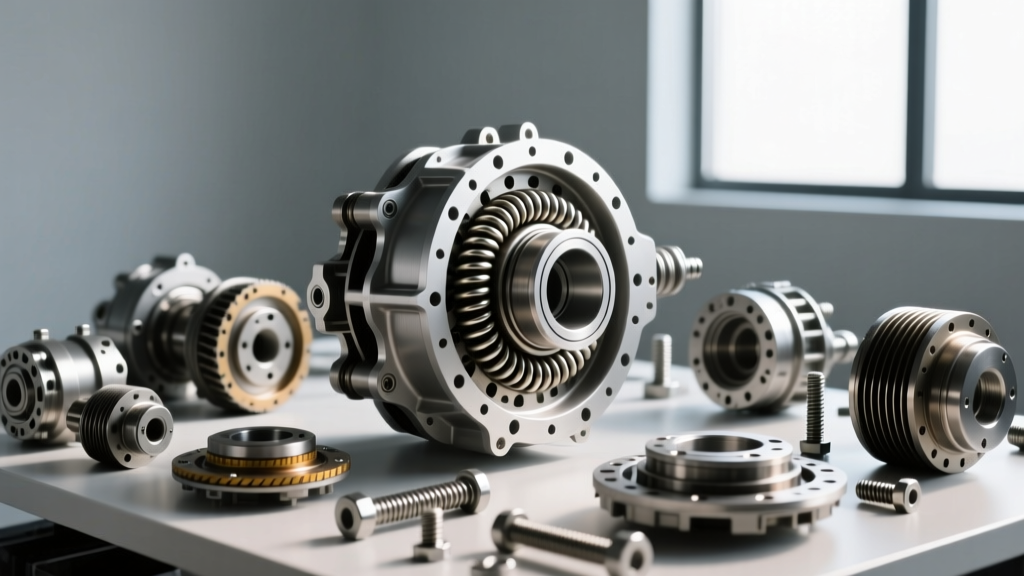
Replacing the torque converter requires dropping the transmission. For DIY mechanics tackling the F150 torque converter replacement cost savings by doing it at home, adhering to Ford's exact torque specifications is non-negotiable to prevent flexplate warping or input shaft damage.
- Converter to Flexplate Nuts: 35 lb-ft (47 Nm). Use a high-strength threadlocker. Ensure the converter is fully seated against the flexplate before tightening to avoid pulling the converter hub out of the transmission oil pump.
- Transmission to Engine Block (Upper Bolts): 35 lb-ft (47 Nm).
- Transmission to Engine Block (Lower Bolts): 29 lb-ft (40 Nm).
- Crossmember to Frame Bolts: 66 lb-ft (90 Nm).
Expert Warning: The 10R80 utilizes a highly specialized MERCON ULV (Ultra Low Viscosity) fluid. Do NOT substitute this with older MERCON LV or generic synthetic fluids. The ULV fluid is specifically engineered for the 10R80's centrifugal pendulum absorber and tight-tolerance clutch packs. Using the wrong fluid will result in immediate TCC shudder and void any drivetrain warranty.
Step 5: The Critical Role of TCM Calibration
You cannot simply bolt in a higher-stall aftermarket converter and drive away. A 2,600 RPM stall converter will generate excessive slip at highway speeds if the Torque Converter Clutch (TCC) lockup parameters are not adjusted. This slip generates immense heat, rapidly degrading the fluid and leading to P0741 (TCC Stuck Off) or P0299 (Underboost) codes as the ECU pulls timing due to high transmission fluid temperatures.
Using a platform like HP Tuners, a qualified calibrator must modify the following tables in the TCM segment:
- TCC Desired Slip RPM: Increased to match the new physical characteristics of the aftermarket stator.
- TCC Apply/Release Pressures: Adjusted to ensure the lockup clutch engages firmly without causing a harsh 'clunk' or dragging during deceleration.
- Shift Pressures and Timing: A higher stall converter changes the rate of RPM drop between gears. Shift tables must be recalibrated to prevent flare (RPM spiking between shifts) or tie-up (binding clutches).
Companies like Circle D Specialties provide baseline tuning parameters with their F-150 specific converters, but custom dial-in via datalogging is always recommended for heavily modified trucks.
Summary: Is the Upgrade Worth the Investment?
Understanding stall speed transforms the way you view the drivetrain. While the baseline F150 torque converter replacement cost for a failing OEM unit is an unavoidable repair expense, viewing that same expense through the lens of a performance upgrade changes the value proposition entirely. Spending an extra $400 on a billet, higher-stall converter and investing in proper TCM tuning will not only cure low-end sluggishness and heavy-towing shudder, but it will also drastically reduce transmission temperatures by keeping the engine in its optimal torque curve. Whether you are running a 3.5L EcoBoost or a 5.0L Coyote, matching your stall speed to your truck's physical demands is the single most effective drivetrain modification you can make.