The Great Divide: Small Engine CVTs vs. Automotive OBD2 Diagnostics
For many gearheads, the journey into power transmission begins in the garage with a go-kart, mini bike, or small off-road vehicle. In that world, the 40 series torque converter belt (often associated with Comet or TAV2 CVT systems) is a rite of passage. When a 40 series torque converter belt slips, glazes, or snaps, the diagnosis is entirely mechanical and visual: you simply inspect the rubber belt, check the pulley alignment, and swap the part for about $25. There are no computers, no sensors, and no check engine lights.
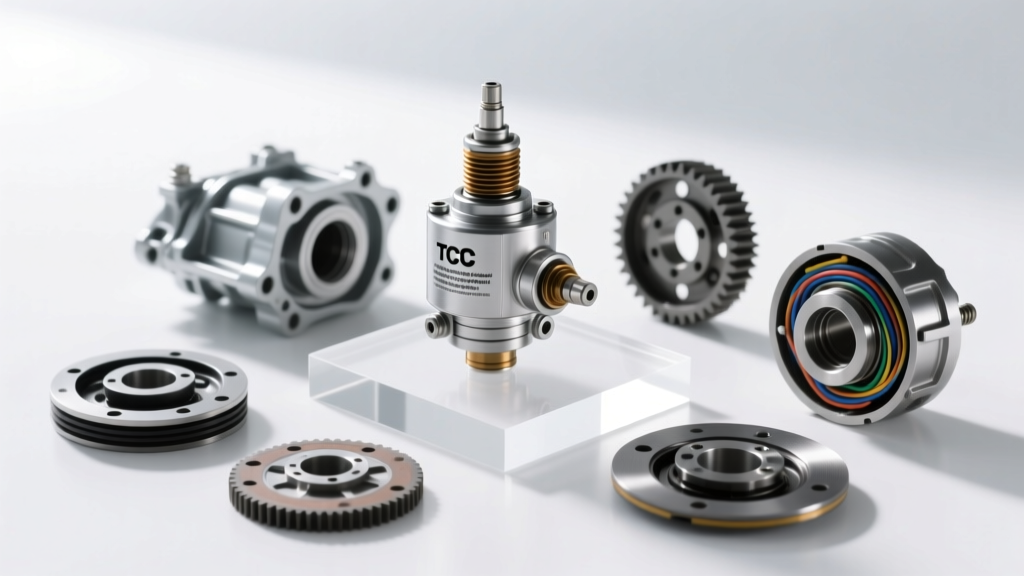
However, as we navigate the 2026 automotive landscape, stepping into the world of modern passenger vehicles requires a massive paradigm shift. Your daily driver's automatic transmission does not use a rubber belt and centrifugal pulleys. Instead, it relies on a complex hydraulic fluid coupling equipped with an electronic Torque Converter Clutch (TCC). When this system fails, it doesn't just leave you with a visual mess; it triggers highly specific torque converter diagnostic trouble codes via the OBD2 system.
Understanding these codes is critical for beginners transitioning from small-engine wrenching to automotive drivetrain diagnostics. Let's break down the exact codes, the mechanical failures they represent, and how to approach them with professional-grade logic.
Decoding the P074X Family: Torque Converter Clutch Codes
When the Powertrain Control Module (PCM) detects an anomaly in the torque converter's lockup mechanism, it illuminates the Check Engine Light. According to OBD-Codes, the P0740 through P0744 range is exclusively reserved for TCC circuit and performance issues. Unlike a slipping 40 series torque converter belt, which simply loses grip under load, these codes indicate electrical faults, hydraulic blockages, or mechanical binding inside the transmission.
| OBD2 Code | Definition | Primary Culprit | Drivability Symptom |
|---|---|---|---|
| P0740 | TCC Circuit Malfunction | Wiring harness chafe, failed solenoid coil | No lockup, high RPMs on highway |
| P0741 | TCC Stuck Off / Performance | Valve body bore wear, debris in fluid | Transmission shudder, overheating |
| P0742 | TCC Stuck On | Debris holding valve open, mechanical seizure | Engine stalls when coming to a stop |
| P0743 | TCC Circuit Electrical | Short to ground, PCM driver failure | Limp mode, harsh shifts |
| P0744 | TCC Circuit Intermittent | Loose connector, failing PWM solenoid | Random shudder, code clears and returns |
Deep Dive: P0741 and the Infamous 'Shudder'
The P0741 code is the most common and notoriously frustrating for beginners. It means the PCM commanded the TCC to lock, but the actual slip RPM was higher than the desired threshold. In a GM 6L80 transmission, this is rarely a bad solenoid. Instead, it is usually caused by wear in the aluminum TCC regulator valve bore inside the valve body. The steel valve oscillates and eats away the soft aluminum, allowing hydraulic pressure to bleed off. Sonnax engineers have documented this extensively, offering oversized valve kits (like part number 145740-01K) to ream and repair the bore rather than replacing the entire valve body.
Deep Dive: P0742 and the 'Stall at Stop'
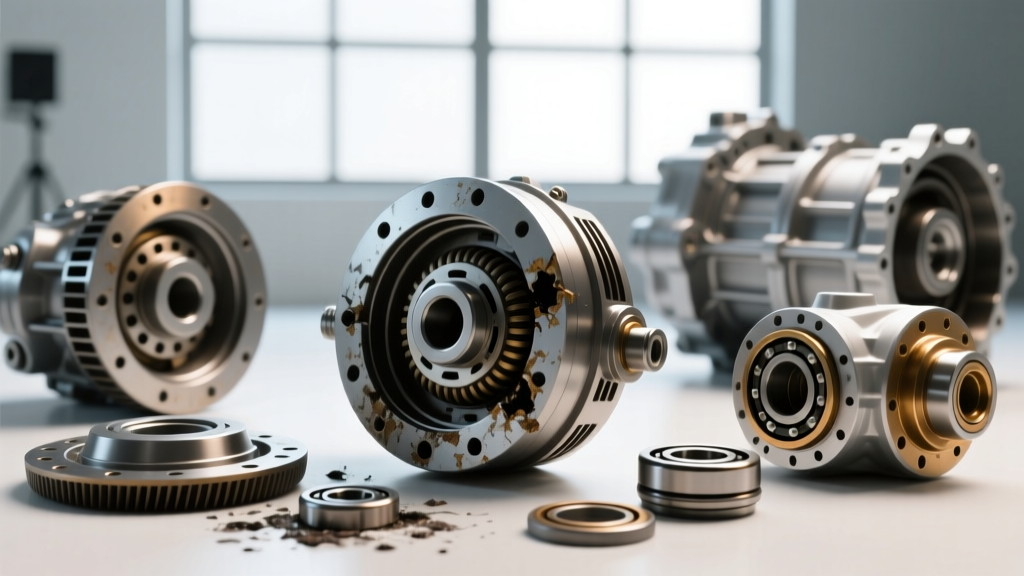
If you pull up to a red light and your engine bogs down and stalls as if you forgot to press the clutch pedal in a manual car, you are likely looking at a P0742. The torque converter clutch is mechanically or hydraulically stuck in the 'locked' position. Because the engine is still physically coupled to the transmission via the TCC friction material, the engine is forced to stop spinning when the wheels stop. This requires immediate attention, as driving with a stuck TCC can overheat and destroy the friction lining, contaminating the entire transmission with clutch material.
Real-World Diagnostics: Beyond the Code Reader
A beginner's mistake is reading a P0740 code and immediately buying a new TCC solenoid. Professional diagnosis requires a systematic approach to isolate electrical, hydraulic, and mechanical faults.
Pro-Tip for Beginners: Never throw a solenoid at a TCC code without first checking the fluid condition. If your transmission fluid smells burnt and contains heavy metallic or friction material glitter, the torque converter internal clutch is already destroyed. A new solenoid will not fix physical debris blocking the hydraulic passages.
Step 1: Electrical Verification
Using a digital multimeter, measure the resistance of the TCC solenoid. For a classic GM 4L60E, the TCC PWM (Pulse Width Modulation) solenoid should read between 10 to 15 ohms at room temperature. If it reads infinite (open) or near zero (shorted), the electrical circuit is your culprit.
Step 2: Hydraulic Command Testing
You need a bidirectional OBD2 scan tool capable of commanding the TCC solenoid while monitoring 'TCC Slip Speed'. With the vehicle cruising at 50 MPH in top gear, command the TCC 'On'. The slip speed should drop from roughly 100-150 RPM down to 0-20 RPM. If the slip speed remains high despite the command, you have a hydraulic leak (like the 6L80 valve body issue) or a worn internal converter clutch.
Transmission-Specific Nuances and Specifications
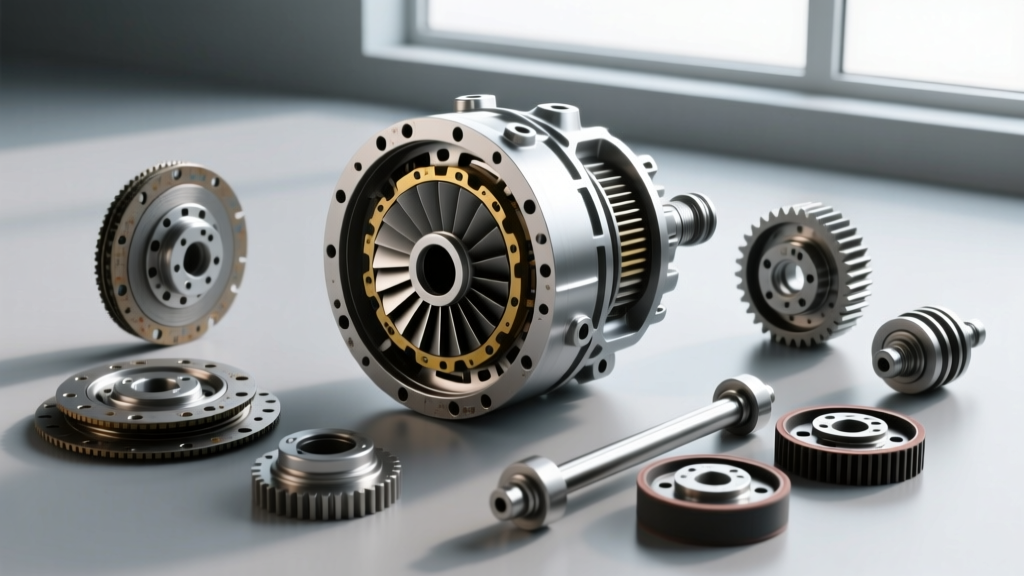
Different transmission architectures handle torque converter lockup in vastly different ways. Here is what you need to know about three of the most common units on the road today.
- GM 4L60E: Utilizes a dedicated PWM solenoid to apply the TCC smoothly. Pan bolt torque spec is strictly 11 Nm (8 lb-ft). Over-torquing these small bolts will strip the aluminum pan rails and cause massive leaks.
- GM 6L80 / 6L90: Uses a variable force solenoid (VFS) for TCC apply. Requires Dexron VI fluid. Capacity is typically 11.2 quarts for a standard pan drop and filter change.
- ZF 8HP (8-Speed): Found in BMW, Ram, and Ford vehicles. The TCC solenoid is integrated directly into the Mechatronic valve body unit. You cannot easily replace just the solenoid. Furthermore, the ZF 8HP requires highly specific ZF LifeguardFluid 8, and the plastic transmission pan/filter assembly uses one-time-use Torx bolts that must be torqued in a specific star pattern to 10 Nm (7.4 lb-ft) followed by a 90-degree angle turn.
Cost and Complexity: Belt CVTs vs. Automotive TCC Repairs
To truly understand the leap from small engines to automotive drivetrains, compare the repair costs and labor intensity. The table below highlights why automotive diagnostic trouble codes demand respect and precision.
| Repair Scenario | Component | Estimated Part Cost | Labor / Complexity |
|---|---|---|---|
| Go-Kart / Mini Bike | 40 Series Torque Converter Belt | $20 - $35 | 15 Minutes (Remove guard, stretch belt over pulleys) |
| GM 4L60E | TCC PWM Solenoid Replacement | $45 - $80 | 2-3 Hours (Drop pan, replace solenoid, refill fluid) |
| GM 6L80 | TCC Regulator Valve Bore Repair | $60 - $110 (Sonnax Kit) | 4-6 Hours (Remove valve body, ream bore, install kit) |
| ZF 8HP | Mechatronic Unit / Sleeve Replacement | $600 - $1,200 | 6-8 Hours (Drop assembly, adapt via proprietary software) |
| Any Modern Auto | Complete Torque Converter Replacement | $300 - $800 (Part) | 8-12 Hours (Remove transmission, split from engine) |
Final Thoughts for the Aspiring Drivetrain Tech
While swapping a 40 series torque converter belt teaches you the fundamental physics of variable ratios and centrifugal force, diagnosing automotive torque converter diagnostic trouble codes teaches you the integration of fluid dynamics, electronic modulation, and computer logic. When your scan tool throws a P0741 or P0742, resist the urge to guess. Verify your wiring, test your hydraulic pressures, and consult technical service bulletins. By treating the OBD2 code as the starting line of your investigation rather than the final answer, you will save yourself hundreds of dollars in misdiagnosed parts and earn your stripes as a capable transmission diagnostician.