The Evolution of TCC Control in Modern Drivetrains
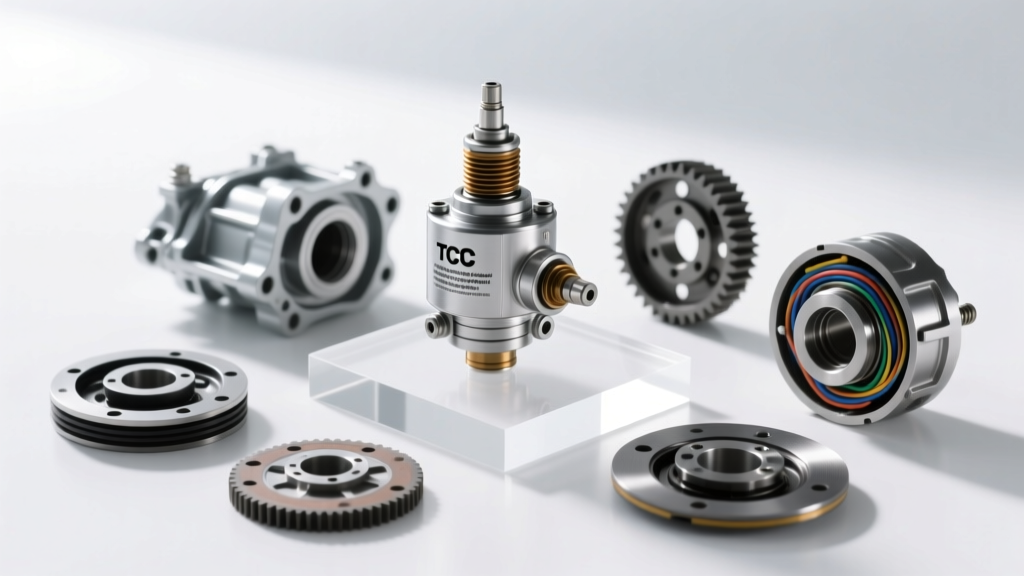
The modern transmission torque converter is no longer just a simple fluid coupling; it is a highly calibrated, electronically controlled capacity clutch (ECCC). At the heart of this system lies the Torque Converter Clutch (TCC) solenoid. This component acts as the hydraulic gatekeeper, dictating when and how the converter locks up to eliminate slip and improve fuel economy. When TCC solenoid problems arise, they can manifest as subtle shudders, erratic shifting, or complete drivetrain limp modes. As we navigate the 2026 automotive landscape, understanding the nuanced diagnostics of Pulse Width Modulated (PWM) solenoids across platforms like the GM 10L90, Ford 10R80, and ZF 8HP is critical for accurate transmission repair.
The Hydraulic Gatekeeper: How TCC Solenoids Operate
To diagnose a failure, you must first understand the apply and release circuits. In older transmissions like the 4L60E, the TCC solenoid was a simple on/off valve. When energized, it exhausted fluid, allowing converter charge pressure to push the clutch piston against the cover, locking the engine to the transmission input shaft.
Modern units utilize PWM solenoids. Instead of a binary state, the Transmission Control Module (TCM) rapidly pulses the solenoid (often at 300 Hz or higher) to modulate fluid pressure. This allows for 'controlled slip'—typically maintaining a 20 to 50 RPM slip during lockup to dampen engine torsional vibrations. If the solenoid's internal coil degrades, or its pintle becomes restricted by micro-debris, the precise slip target is lost, resulting in drivability complaints.
Recognizing the Hallmarks of TCC Solenoid Failure
TCC solenoid problems rarely present as a single, isolated symptom. Technicians must look for a cluster of drivability issues and diagnostic trouble codes (DTCs):
- Converter Shudder: A rhythmic vibration felt through the chassis, usually occurring between 35-55 mph under light throttle. While often blamed on degraded fluid, it frequently stems from a PWM solenoid failing to maintain steady apply pressure.
- Stalling at Idle: If the TCC solenoid mechanically sticks in the 'apply' position (or the regulator valve jams), the torque converter remains locked when the vehicle comes to a stop, stalling the engine.
- Erratic Slip RPM: Observed via scan tool data, the TCC slip RPM will fluctuate wildly (e.g., bouncing from -50 to +150 RPM) despite a steady throttle position.
- Common DTCs: P0740 (TCC Circuit Malfunction), P0741 (TCC Performance/Stuck Off), P0742 (TCC Stuck On), and P0743 (TCC Electrical).
Expert Diagnostic Workflow: Beyond the OBD-II Scanner
Replacing a solenoid based solely on a P0741 code is a recipe for a comeback. A systematic approach is required to isolate the electrical, hydraulic, and mechanical variables.
Step 1: PID Analysis and Slip RPM Verification
Connect a bi-directional scan tool and monitor the TCC Slip RPM and TCC Solenoid Duty Cycle PIDs. Command the TCC on manually while driving at a steady 50 mph. If the duty cycle commands 85% but the slip RPM remains above 100, you have a hydraulic leak, a worn clutch friction surface, or a stuck solenoid pintle.
Step 2: Electrical Resistance and Oscilloscope Testing
Before dropping the transmission pan, test the solenoid's electrical integrity at the external case connector. While a multimeter can check baseline resistance, an oscilloscope is mandatory for PWM solenoids to verify the TCM's square wave signal and the solenoid's inductive kickback.
| Transmission Model | Solenoid Type | Expected Resistance (at 68°F) | Common DTCs |
|---|---|---|---|
| GM 4L60E (Late) | PWM (VBS) | 20.0 - 30.0 Ohms | P0740, P1860 |
| GM 6L80 / 6L90 | PWM (VBS) | 4.0 - 5.5 Ohms | P0741, P0742 |
| Ford 10R80 | PWM (VBS) | 3.5 - 4.5 Ohms | P0741, P0743 |
| ZF 8HP45 / 8HP70 | PWM (EDS) | 5.0 - 6.0 Ohms | P0741, P2763 |
The Valve Body Caveat: When the Solenoid is Innocent
One of the most expensive mistakes in transmission repair is replacing a perfectly good TCC solenoid when the actual fault lies in the valve body. According to technical bulletins from Sonnax, the TCC regulator valve bore in cast aluminum valve bodies is highly susceptible to wear.
In the GM 6L80 and 6L90 families, the continuous oscillation of the TCC regulator valve wears the aluminum bore, creating a cross-leak. Apply pressure bleeds off into the exhaust circuit, preventing the torque converter from locking. The TCM detects this slip and throws a P0741 code, falsely implicating the solenoid. If you install a new $200 solenoid without reaming the bore and installing a sleeved regulator valve kit (such as Sonnax ZIP Kit 104740-09K), the vehicle will return to the shop with the exact same shudder within 500 miles.
Replacement Costs, OEM Part Numbers, and Torque Specs
When electrical testing confirms a failed coil, or a physical inspection reveals a scored solenoid screen, replacement is necessary. Always prioritize OEM or Tier-1 supplier parts for PWM solenoids, as aftermarket variances in pintle calibration can trigger immediate slip codes.
- GM 6L80/6L90: The TCC solenoid is integrated into the solenoid/pressure switch assembly. ACDelco Part #24230298. Retail cost: $160 - $230.
- ZF 8HP (Mechatronic):strong> ZF does not officially sell individual EDS solenoids for the 8HP Mechatronic unit through standard dealer channels; they mandate a complete Mechatronic assembly (approx. $1,400 - $2,200). However, specialized rebuilders can source individual ZF solenoids (e.g., ZF 0501 216 243) for under $80 each if the unit is bench-tested and reprogrammed.
- Ford 10R80: Individual solenoids are available via Motorcraft, but often require a TCM relearn and solenoid body characterization update using Ford's FDRS software.
Critical Torque Specifications for Reassembly
Over-torquing valve body bolts will distort the separator plate and bind the very valves you are trying to fix. Adhere strictly to manufacturer specs:
- GM 6L80 Valve Body to Case: 8 Nm (71 lb-in). Tighten in the specified spiral sequence.
- ZF 8HP Mechatronic to Case: 10 Nm (89 lb-in) for the primary securing bolts.
- Ford 10R80 Valve Body Assembly: 11 Nm (97 lb-in).
Best Practices for a Lasting Repair
Debris is the primary enemy of PWM solenoids. When replacing a TCC solenoid, you must address the contamination source. If the torque converter clutch material has begun to delaminate, no amount of solenoid replacement will save the transmission. The converter must be cut open, inspected, and replaced, followed by a thorough hot-flush of the cooler lines.
'Never reuse the transmission pan filter on a modern 8-speed or 10-speed when diagnosing a TCC solenoid issue. The micro-mesh screens on these filters trap clutch friction material that standard flushing machines cannot dislodge. A restricted filter starves the TCC apply circuit, mimicking a failed solenoid.' — ATSG Technical Seminar Notes
Finally, ensure the correct fluid is utilized. Modern ECCC systems rely on specific friction modifiers and viscosity profiles. Using Dexron VI in a transmission requiring Dexron ULV, or substituting generic ATF for ZF LifeguardFluid 8, will alter the clutch apply rate, causing the TCM to flag a solenoid performance code even with brand-new hardware.