The Paradigm Shift: Torque Converters in Hybrid Drivetrains
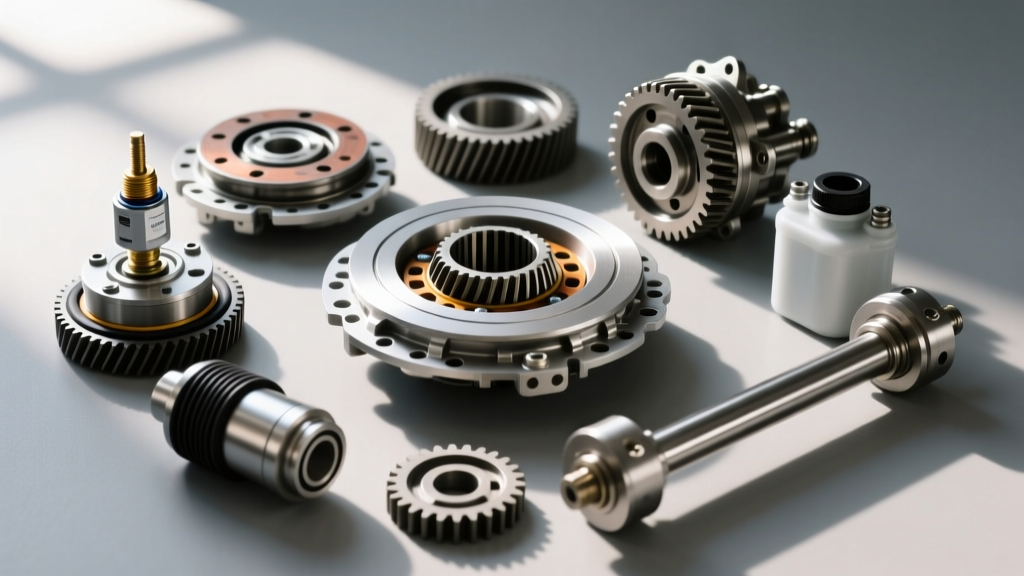
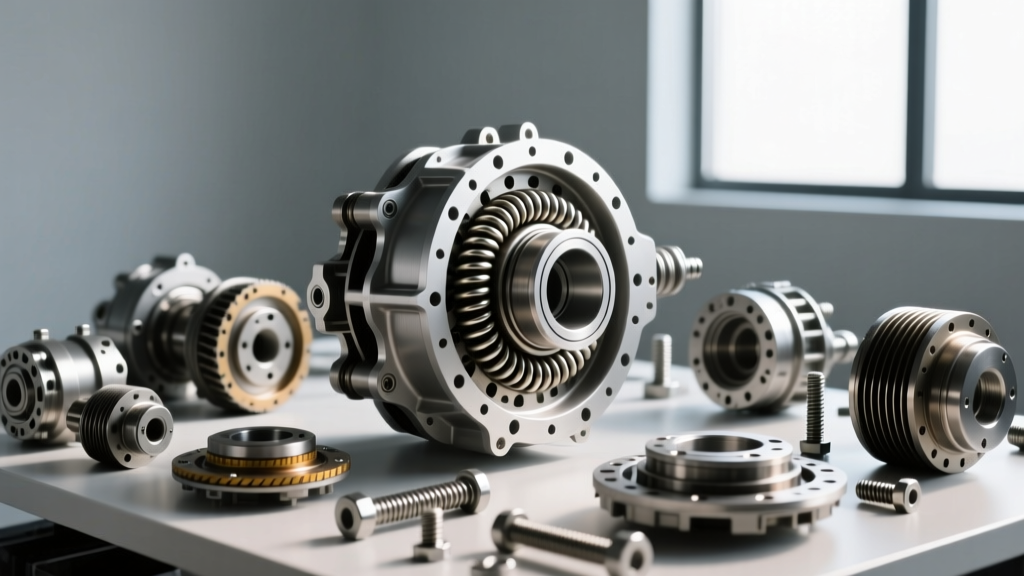
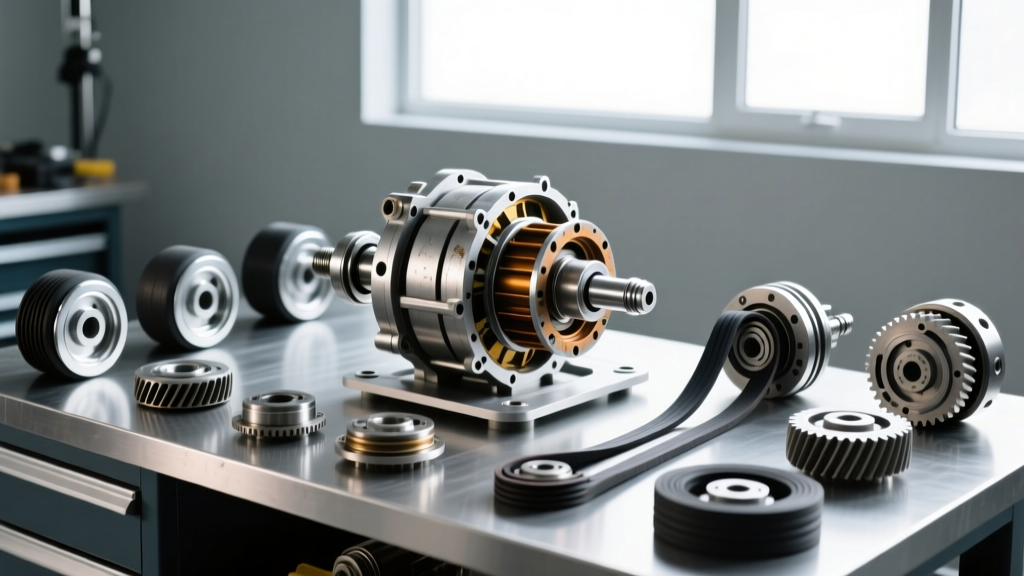
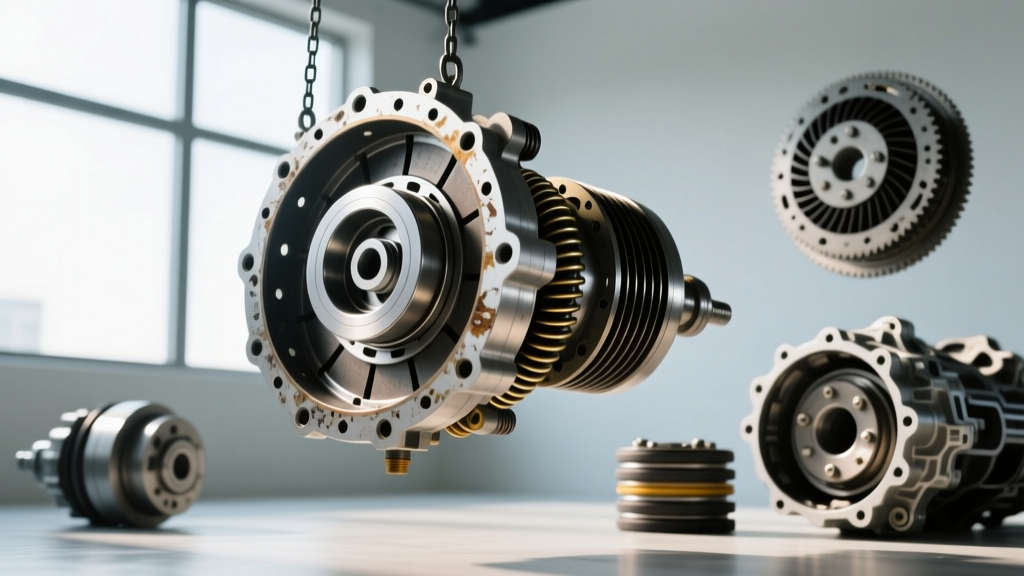
The integration of electric motors into traditional automatic transmissions has fundamentally altered the role of the torque converter. In modern P2 hybrid architectures and advanced transaxles, the torque converter is no longer just a fluid coupling for low-speed multiplication; it is a critical Noise, Vibration, and Harshness (NVH) management device. When diagnosing driveline shudder in late-model HEVs and PHEVs, technicians frequently encounter issues rooted in the vjcx torque converter architecture—a designation often associated with integrated torsional damper and lockup clutch assemblies designed specifically for the harsh torsional inputs of hybrid engine start-stops and regenerative braking.
Unlike conventional automatics where the torque converter slips to generate heat and smooth out shifts, hybrid systems demand near-instant lockup to maximize mechanical efficiency. The internal combustion engine (ICE) is frequently decoupled from the driveline during EV mode, and when it is abruptly restarted via the Motor Generator (MG), the resulting torsional shockwave is absorbed entirely by the torque converter's internal dampers. By 2026, as hybrid powertrains dominate the market, understanding the unique failure modes of these specialized hybrid torque converters is essential for accurate symptom diagnosis and troubleshooting.
Unique Failure Modes: Hybrid TC vs. Traditional Automatic
Troubleshooting a hybrid torque converter requires abandoning legacy diagnostic habits. The symptoms of failure in a hybrid-specific unit often mimic engine misfires, motor inverter faults, or dual-mass flywheel degradation. Below are the primary failure modes specific to hybrid torque converters.
1. Centrifugal Pendulum Absorber (CPA) Fatigue
To combat the low-frequency NVH generated by downsized, turbocharged engines operating at low RPMs during EV-to-ICE handoffs, hybrid torque converters utilize Centrifugal Pendulum Absorbers (CPAs). These are weighted metal plates that oscillate out of phase with engine vibrations. Over time, the guide pins and roller bearings inside the CPA can wear or fracture. Symptom: A distinct, metallic 'clack-clack' knocking noise emanating from the bellhousing during engine auto-stop/start events, accompanied by a low-frequency steering wheel vibration at 1,200–1,500 RPM.
2. TCC Micro-Slip Glazing During Regenerative Braking
In hybrids like those utilizing the ZF 8HP75H or Ford HF45 transaxles, the Torque Converter Clutch (TCC) is modulated in a state of 'micro-slip' (typically 20-40 RPM of controlled slip) to prevent NVH transfer. However, aggressive regenerative braking sends reverse torque through the TCC friction lining. If the transmission fluid's friction modifiers degrade, or if the inverter cooling loop fails to adequately cool the transmission fluid, the TCC material glazes. Symptom: A rhythmic shudder during light deceleration or steady-state highway cruising, often triggering a TCC slip fault (e.g., P0741 or P2763).
3. Flexplate and Damper Spring Resonance
The damper springs inside the hybrid torque converter are calibrated to specific harmonic frequencies. If the wrong ATF viscosity is used during a service, or if the springs fatigue, the resonant frequency shifts. This causes severe shudder precisely when the hybrid system transitions from series to parallel drive modes.
Diagnostic Protocol: Isolating Hybrid Driveline Shudder
Before condemning the vjcx torque converter assembly, a systematic isolation process must be followed to rule out MG (Motor Generator) resolver faults and engine misfires.
- Verify High-Voltage System Health: Use a factory-level scan tool to check the MG resolver calibration and inverter temperature logs. A failing resolver can cause the MG to pulse torque erratically, mimicking a mechanical torque converter shudder.
- Monitor TCC Slip PIDs: Graph the TCC Slip Speed and TCC Pressure Command PIDs. In a healthy hybrid transaxle, commanded micro-slip should remain steady between 20-50 RPM. If actual slip oscillates wildly (e.g., jumping from -100 RPM to +150 RPM) while pressure remains constant, the TCC friction surface is compromised.
- Perform an NVH Accelerometer Test: Attach a tri-axial accelerometer to the transmission bellhousing and the engine block. If the dominant vibration frequency matches the engine's firing order (e.g., 2nd order for a 4-cylinder) and spikes exactly during TCC lockup, the internal damper or CPA has failed.
Expert Insight: Never ignore the transmission fluid condition in a hybrid. Hybrid ATFs (such as ZF LifeguardHybrid 2 or Toyota ATF WS) are formulated with highly specific, low-viscosity friction modifiers. Topping off with a universal multi-vehicle ATF will alter the TCC apply rate, causing immediate micro-slip shudder and potentially voiding the hybrid powertrain warranty.
Hybrid TC Symptom vs. Root Cause Matrix
| Observed Symptom | Operating Condition | Probable Root Cause | Verification Method |
|---|---|---|---|
| Low-freq steering shudder | EV to ICE transition (Auto-Start) | CPA guide pin wear / Damper spring fatigue | NVH accelerometer test; Bellhousing audio recording |
| High-freq rhythmic shudder | Steady-state cruising (TCC Locked) | TCC friction material glazing / Fluid degradation | Scan tool TCC Slip RPM graphing; Fluid friction test |
| Metallic knocking / clunking | Regen braking or Engine shutdown | Flexplate cracking / TC hub spline wear | Borescope inspection of flexplate; Runout measurement |
| Delayed ICE engagement | Hard acceleration from EV mode | TCC hydraulic control valve sticking | Valve body pressure tap test; Solenoid resistance check |
Replacement Realities: Labor, Fluids, and Relearn Procedures
Replacing a torque converter in a hybrid vehicle is significantly more complex and expensive than in a conventional ICE vehicle. The electric motor is often sandwiched between the engine and the transmission, or integrated directly into the transaxle housing. This requires strict adherence to high-voltage safety protocols and precise mechanical alignments.
Cost Breakdown (2026 Estimates)
- OEM Hybrid Torque Converter Assembly: $1,400 – $2,800 (Includes integrated damper and CPA)
- Hybrid ATF & Seal Kits: $250 – $450
- Labor (Transaxle R&R & HV Safety): 12 – 18 hours @ $150/hr = $1,800 – $2,700
- Total Estimated Repair Cost: $3,450 – $5,950
Critical Installation Specifications
When installing the new torque converter and re-mating the transaxle to the engine block, precision is non-negotiable. The flexplate must be inspected for hairline cracks around the crankshaft bolt pattern—a common failure point in hybrids due to the instant torque delivery of the electric motor.
- Flexplate Runout Limit: Maximum 0.30 mm (0.012 in). Exceeding this will cause premature wear to the TC front pump bushing and induce severe TCC shudder.
- Flexplate to Crankshaft Bolts (M12): Torque to 85 Nm (63 lb-ft) + 90-degree turn. Always use new stretch bolts.
- Torque Converter to Flexplate Bolts (M10): Torque to 45 Nm (33 lb-ft). Apply medium-strength threadlocker (e.g., Loctite 243) to prevent backing out during regenerative torque reversals.
- TC Seating Depth: Ensure the torque converter hub is fully seated into the transmission oil pump gears. Measure the distance from the transaxle bellhousing mating surface to the TC mounting pad. It must be a minimum of 12 mm recessed to prevent crushing the oil pump upon bellhousing bolt tightening.
Post-Installation Calibration
Simply bolting the transaxle back in and adding fluid is insufficient. The transmission control module (TCM) must undergo a TCC Adaptation and Hybrid Driveline Relearn. This procedure requires the vehicle to be driven at specific speeds (typically 45-65 mph) while the TCM maps the exact hydraulic pressure required to achieve the target 30 RPM micro-slip. Furthermore, if the MG rotor was disturbed or if the transaxle was replaced as a unit, a Resolver Position Calibration must be performed using the OEM bidirectional scan tool to ensure the electric motor's magnetic field is perfectly synchronized with the ICE crankshaft position.
Authoritative References
For further technical documentation on hybrid drivetrain NVH and torsional damper diagnostics, consult the following resources:
- SAE International Technical Papers - Search for publications on 'P2 Hybrid Torsional Vibration and Centrifugal Pendulum Absorbers'.
- ZF Aftermarket Service Portal - Refer to the ZF 8HP Hybrid service manuals for specific LifeguardHybrid fluid capacities and TCC adaptation procedures.
- Toyota TechInfo System - Access hybrid transaxle safety disconnect protocols and inverter cooling loop bleeding procedures.