The Hidden Link Between Fluid Maintenance and Electronic Sensors
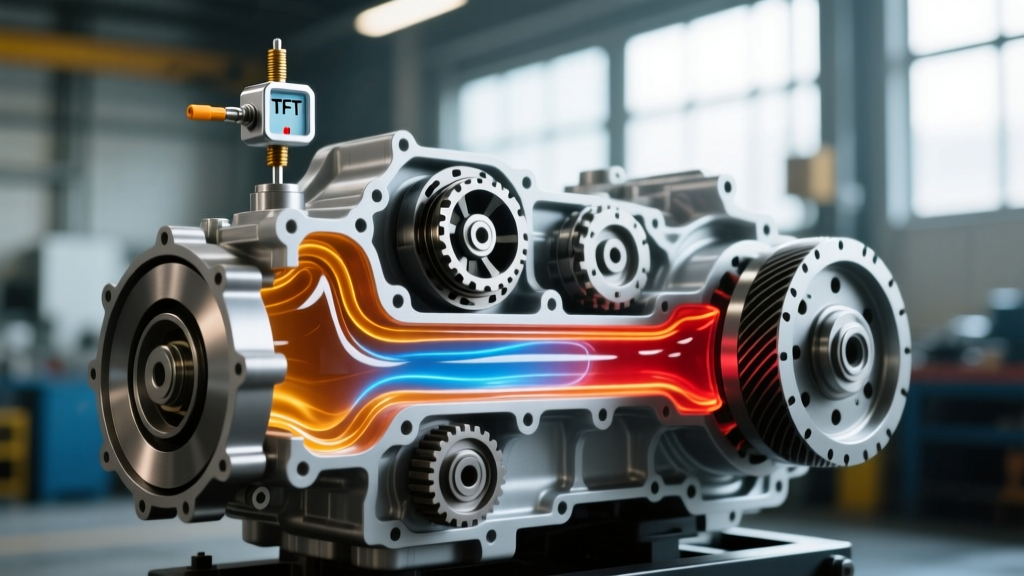
For decades, checking transmission fluid was a purely mechanical task: pull the dipstick, wipe it, reinsert it, and read the level. But as automotive engineering has evolved into the 2026 landscape, the dipstick has largely vanished. Modern vehicles rely on precise thermal dynamics to determine if the transmission fluid level is correct. This is where the Transmission Fluid Temperature (TFT) sensor becomes the most critical component in your maintenance routine. If the sensor is feeding bad data to the Transmission Control Module (TCM), you cannot accurately check your fluid level, leading to catastrophic overfilling or dangerous under-lubrication.
For beginners stepping into DIY automotive care, understanding the relationship between specific vehicle fluid requirements and electronic diagnostics is essential. This guide breaks down exactly how fluid behaves under heat, outlines the specifications for today's most common transmissions, and provides a transparent look at the transmission fluid temperature sensor replacement cost when things go wrong.
Why Temperature Dictates the Perfect Fill Level
Transmission fluid is a hydraulic medium that expands significantly as it heats up. Automatic transmissions operate under immense pressure, often exceeding 200 PSI, and generate substantial heat through torque converter slippage and clutch pack friction. If you check the fluid level when it is cold, the fluid is contracted, and you might mistakenly add more. Once the transmission reaches operating temperature, that overfilled fluid will expand, foam up against the rotating gears, and cause aerated hydraulic pressure. This leads to slipped clutches and burnt fluid.
Conversely, checking the fluid when it is excessively hot might show a falsely high reading on an older dipstick, or cause the computer to miscalculate the volume in a sealed unit, leaving the transmission starved of lubrication. To combat this, modern sealed transmissions require the fluid to be at a very specific temperature window—monitored directly by the TFT sensor—before the check plug is removed or the level is verified via a scan tool.
Vehicle-Specific Fluid Requirements & Temperature Targets
Different manufacturers engineer their transmissions with unique fluid chemistries and thermal thresholds. Using the wrong fluid or checking it at the wrong temperature will void warranties and destroy internal seals. Below is a breakdown of three of the most prevalent transmissions on the road today.
| Transmission Model | Common Vehicles | Required Fluid Type | Total Capacity (Approx.) | Target Check Temperature |
|---|---|---|---|---|
| GM 6L80 / 6L90 | Silverado, Camaro, Corvette | ACDelco Dexron VI | 11.2 - 13.1 Quarts | 86°F to 122°F (30°C - 50°C) |
| Ford 10R80 | F-150, Mustang, Explorer | Motorcraft MERCON ULV | 13.1 Quarts | 185°F to 200°F (85°C - 93°C) |
| ZF 8HP (8HP45/70) | BMW, Chrysler, Dodge, Audi | ZF LifeguardFluid 8 | 9.0 - 10.5 Quarts | 86°F to 122°F (30°C - 50°C) |
GM 6L80 / 6L90 Specifics
The GM 6-speed family requires Dexron VI, a highly stable synthetic fluid. To check the level, the vehicle must be running, on a level surface, and the TFT must read between 86°F and 122°F. You remove the 8mm Allen check plug on the side of the transmission pan. If fluid drips out in a steady stream, it is full. The pan bolts must be torqued to exactly 9 Nm (80 lb-in) during reinstallation to prevent warping the plastic or stamped steel pan.
Ford 10R80 Specifics
Ford's 10-speed requires MERCON ULV (Ultra Low Viscosity) fluid. This fluid is incredibly thin to reduce parasitic drag and improve fuel economy. The 10R80 operates much hotter than older transmissions, requiring a check temperature between 185°F and 200°F. Because this is dangerously hot for DIY skin contact, Ford mandates the use of a bi-directional scan tool to monitor the TFT while the fluid level is adjusted via the bottom check plug.
ZF 8HP Specifics
The legendary ZF 8-speed uses ZF LifeguardFluid 8. It is highly sensitive to contamination. The check procedure requires the fluid to be between 30°C and 50°C. If the temperature exceeds 50°C during the check, the fluid expands past the standpipe tube, and you will falsely believe the transmission is underfilled. You can find exact OEM fluid and filter kits through reputable suppliers like the RockAuto Parts Catalog.
Symptoms of a Failing TFT Sensor
Before you tear into your transmission pan to replace a sensor, you need to know what a failing TFT sensor actually looks like from the driver's seat. The TCM uses the temperature reading to adjust line pressure and shift scheduling. Cold fluid is thicker and requires higher line pressure to actuate clutches quickly; hot fluid is thinner and requires lower pressure to prevent harsh, banging shifts.
- Erratic Shift Timing: If the sensor falsely reports the fluid is freezing cold when it is actually at 180°F, the TCM will command maximum line pressure, resulting in violent, jarring gear changes.
- Torque Converter Clutch (TCC) Shudder: The TCM will disable the torque converter lockup clutch if it believes the fluid is too cold or too hot, leading to slipping, shuddering, and poor fuel economy.
- Limp Mode Activation: If the sensor circuit opens or shorts, the TCM will default to a fail-safe temperature (usually around 176°F / 80°C) and lock the transmission in 3rd or 4th gear to protect the hardware.
- Inability to Perform a Fluid Check: Your OBD2 scanner will display a static or wildly fluctuating temperature, making the thermal-dependent check plug procedure impossible to complete safely.
Breaking Down the Transmission Fluid Temperature Sensor Replacement Cost
When beginners search for the transmission fluid temperature sensor replacement cost, they often expect a $20 part and a quick 10-minute swap. Unfortunately, modern transmission design prioritizes sealed environments and reduced wiring harnesses. In almost all modern automatic transmissions, the TFT sensor is not a standalone component you can simply unplug from the outside of the case. It is soldered directly into the internal wiring harness, the valve body, or the Mechatronic control unit.
According to industry data from the RepairPal Cost Estimator, replacing this component requires dropping the transmission pan, draining the fluid, removing the valve body or mechatronic sleeve, and replacing the integrated harness or conductor plate. Below is a realistic cost breakdown for 2026.
Cost Comparison by Transmission Model
| Transmission | Part Strategy | Estimated Parts Cost | Estimated Labor Cost | Total Replacement Cost |
|---|---|---|---|---|
| GM 6L80 / 6L90 | Replace Internal TEHCM Harness (ACDelco 24230425) | $120 - $180 | $350 - $500 | $470 - $680 |
| Ford 10R80 | Replace Mechatronic Sleeve / Internal Harness | $150 - $280 | $400 - $600 | $550 - $880 |
| ZF 8HP | Replace Mechatronic Conductor Plate | $450 - $850 | $600 - $950 | $1,050 - $1,800 |
Note: Labor costs assume a flat rate of $130-$160 per hour at an independent shop. Dealership rates will push these totals 20-30% higher. Furthermore, because the pan must be dropped, the total cost must also factor in a new transmission filter, pan gasket, and 6 to 10 quarts of new OEM fluid.
Step-by-Step Beginner Diagnostic Guide
Before authorizing a $1,000+ repair, you must verify that the sensor is actually dead. Many beginners mistake a faulty ground wire or a bad TCM flash for a failed internal sensor. Follow this diagnostic framework:
1. Compare TFT to Engine Coolant Temperature (ECT)
Plug in a bi-directional OBD2 scanner. Start the vehicle cold (after it has sat overnight). The TFT and the ECT should read within 5°F to 10°F of each other, and both should match the ambient outside air temperature. If the TFT reads 180°F while the ECT reads 60°F on a cold morning, the TFT sensor circuit is shorted or failing.
2. Monitor the Ramp-Up
Take the vehicle for a 20-minute drive. Watch the TFT reading on your scanner. It should rise smoothly and steadily. If the reading suddenly drops from 180°F to -40°F, or spikes to 300°F for a single second before returning to normal, you have an intermittent open circuit. This is usually caused by a chafed wire in the internal harness where it rubs against the valve body casting.
3. Check for Technical Service Bulletins (TSBs)
Before buying parts, search for TSBs specific to your vehicle. For example, early Ford 10R80 models had known issues with the mechatronic sleeve seals causing fluid ingress into the sensor circuit, which required a specific updated part number rather than a full mechatronic replacement. The ZF Group Technical Documentation also frequently releases updated software flashes that recalibrate the sensor resistance tables, fixing 'fake' limp modes without turning a single wrench.
Final Thoughts on Fluid and Sensor Harmony
Maintaining a modern automatic transmission is an exercise in precision. The days of guessing fluid levels by eye are over. By respecting the specific thermal targets of your vehicle's transmission and understanding the true transmission fluid temperature sensor replacement cost, you can make informed, cost-effective decisions. Always invest in a quality bi-directional scan tool, use only OEM-specified fluids, and never ignore the vital data your temperature sensors are trying to tell you.