The Financial and Mechanical Reality of Low ATF
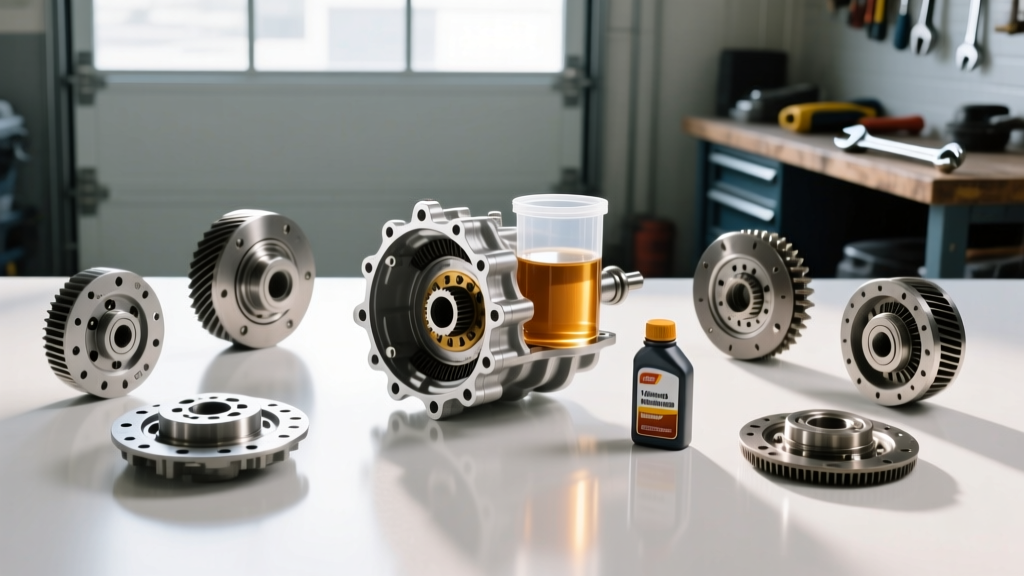
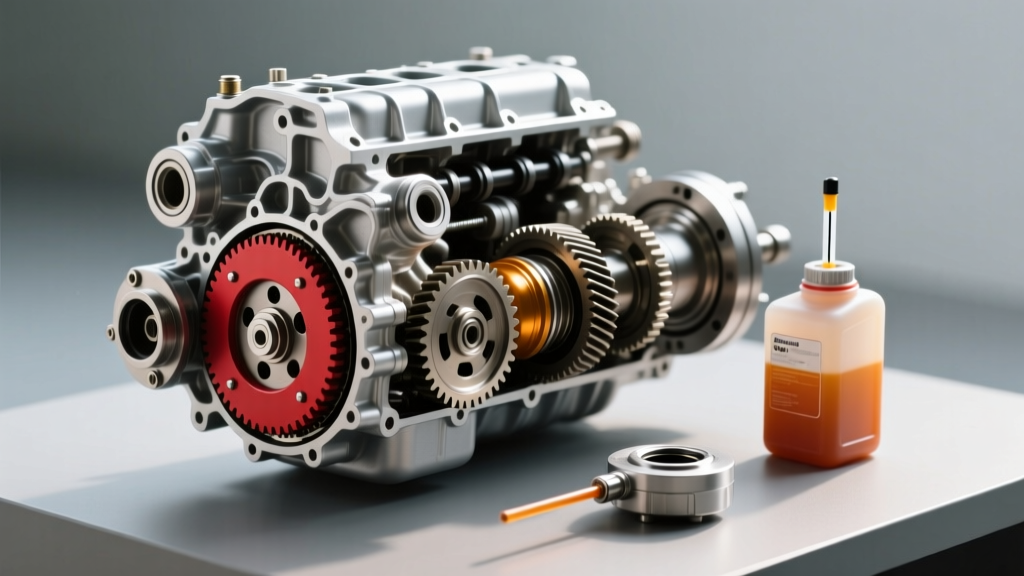
Modern automatic transmissions are engineering marvels, relying on precise hydraulic pressure to execute gear shifts in milliseconds. However, this intricate system is entirely dependent on an adequate volume of clean automatic transmission fluid (ATF). When drivers ask, what happens if automatic transmission fluid is low, the answer extends far beyond a simple warning light on the dashboard. A low fluid level initiates a cascading series of mechanical failures that can turn a routine $300 transmission fluid and filter change into a catastrophic $6,000 drivetrain replacement.
In this comprehensive 2026 cost analysis, we break down the exact financial implications of ignoring low transmission fluid. We will compare the preventive costs of a fluid and filter service against the punitive costs of transmission failure, providing specific torque specs, part numbers, and pricing for popular transmissions like the GM 6L80, Ford 10R80, and ZF 8HP series.
What Happens If Automatic Transmission Fluid Is Low? The Mechanical Domino Effect
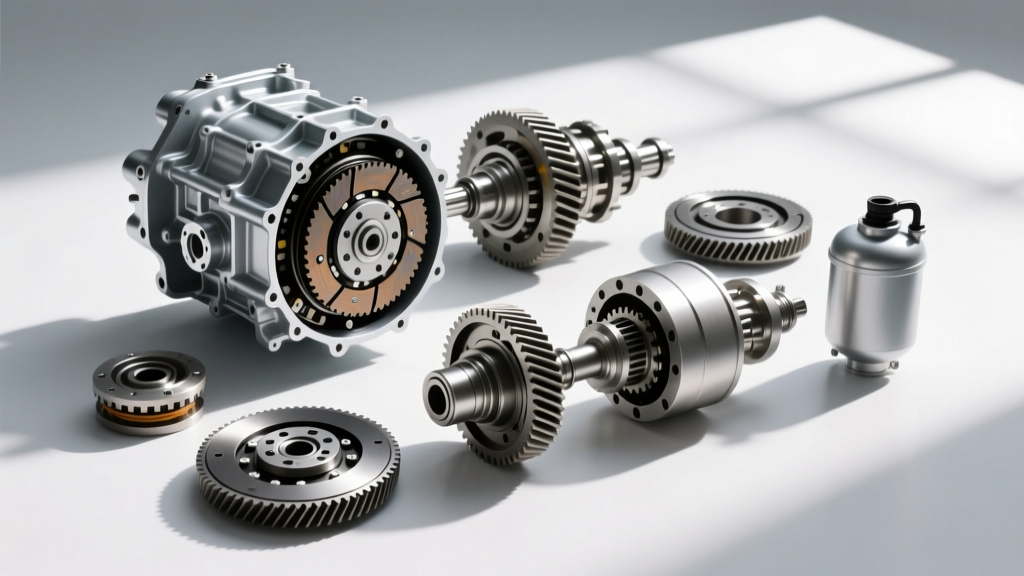
Before analyzing the costs, it is crucial to understand the mechanical damage that occurs when ATF drops below the minimum threshold on the dipstick or level-check plug. Transmission fluid serves three primary purposes: hydraulic actuation, lubrication, and thermal transfer. When the fluid volume is compromised, the following failure modes occur:
- Pump Cavitation and Aeration: The transmission oil pump draws in air alongside the remaining fluid. This aerated, foamy fluid cannot maintain the necessary line pressure (typically 120 to 190 PSI in modern units) required to apply clutch packs firmly.
- Clutch Pack Glazing and Burnout: Due to low hydraulic pressure, the clutch apply time increases. Instead of engaging in 0.4 seconds, a clutch pack may take 1.2 seconds to fully lock. This extended slip generates immense heat, glazing the friction material and eventually burning it away entirely.
- Valve Body Scoring: Low fluid often correlates with degraded fluid condition. Microscopic metallic particulates bypass a saturated filter, scoring the precision-machined aluminum bores in the valve body and causing solenoid valves to stick.
- Torque Converter Shudder: The torque converter relies on a steady volume of fluid for the lock-up clutch (TCC). Low fluid causes rapid TCC slip, leading to severe shudder and eventual converter failure, which introduces heavy metal contamination into the entire cooling circuit.
2026 Cost Breakdown: Transmission Fluid and Filter Change
Preventive maintenance is the only way to avoid the mechanical failures listed above. However, the cost of a transmission fluid and filter change varies wildly depending on the transmission architecture. Some modern units require complete pan replacement, while others use reusable aluminum pans with press-in filters.
Below is a detailed cost comparison for three of the most common rear-wheel-drive and all-wheel-drive transmissions on the road today, based on 2026 average parts and labor rates.
| Transmission Model | Fluid Type & Capacity (Service Fill) | Filter / Pan Part Number | DIY Parts Cost | Professional Labor + Parts |
|---|---|---|---|---|
| GM 6L80 / 6L90 | Dexron VI (~6.0 Quarts) | ACDelco TF928 (Filter only) | $85 - $120 | $220 - $350 |
| ZF 8HP70 / 8HP90 | ZF LifeguardFluid 8 (~7.5 Quarts) | ZF 0671093176 (Pan/Filter Kit) | $280 - $380 | $550 - $850 |
| Ford 10R80 | MERCON ULV (~6.5 Quarts) | Motorcraft FT-209 (Filter only) | $110 - $150 | $280 - $420 |
Note: Pricing sourced from RockAuto Parts Catalog and regional independent shop averages. Dealership rates will typically add 30-50% to the professional labor and parts total.
The ZF 8HP Premium: Why It Costs More
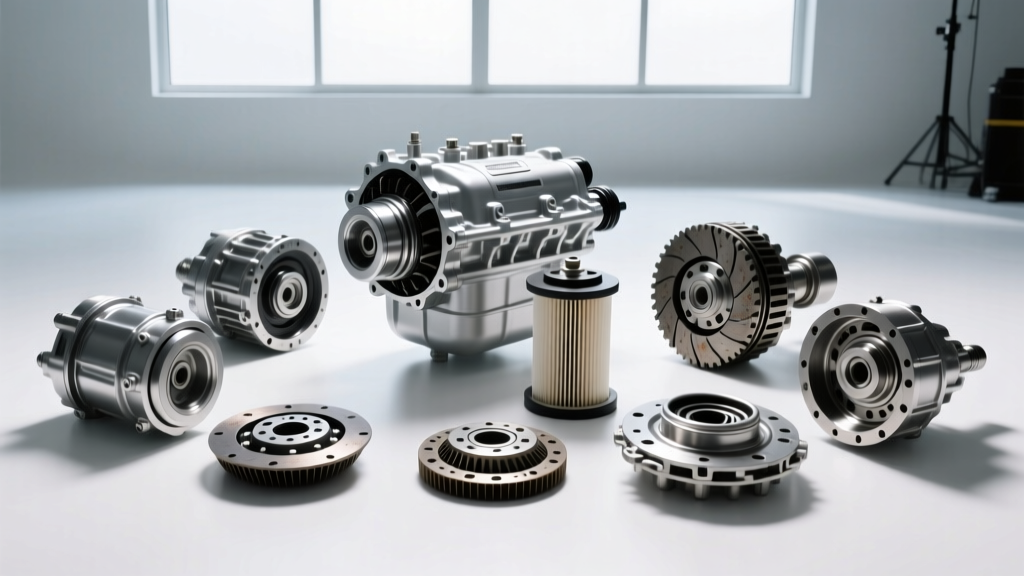
As highlighted in the table, the ZF 8-speed transmission (found in BMW, Audi, Dodge Charger, and Ram 1500 applications) carries a significantly higher maintenance cost. This is because ZF designed the transmission with a molded plastic oil pan that integrates the filter media directly into the pan structure. You cannot simply drop the pan and swap a filter; you must replace the entire pan assembly, which includes the integrated filter, new pan bolts, and a new sealing sleeve. While this increases the upfront cost of the fluid and filter change, it ensures a perfect seal and pristine filtration media every time the service is performed.
The True Cost of Ignoring Low Fluid: Rebuild vs. Maintenance
To truly understand the value of a fluid and filter change, we must compare it to the cost of repairing the damage caused by low ATF. According to data from the Automatic Transmission Rebuilders Association (ATRA), the average cost of a transmission rebuild or remanufactured replacement in 2026 ranges from $3,800 to $7,200, depending on the vehicle's drivetrain complexity.
Cost Scenario Analysis: The GM 6L80
Let us examine a real-world scenario involving a GM 6L80 transmission (common in Silverado, Tahoe, and Camaro applications) that has been operating with low fluid due to a slow leak at the output shaft seal.
- Scenario A (Proactive): Owner notices a slight delay in reverse engagement, checks the dipstick, and finds the fluid is two quarts low and dark. They perform a pan-drop fluid and filter change and replace the output shaft seal. Total Cost: ~$280.
- Scenario B (Reactive): Owner ignores the delayed engagement. The low fluid causes pump cavitation, leading to the 3-5-R clutch pack burning up. The transmission enters 'limp mode' (locked in 3rd gear). The vehicle requires towing, a full teardown, a master rebuild kit, a remanufactured torque converter, and a new valve body. Total Cost: ~$4,500.
The financial disparity is staggering. The cost of a full transmission failure is roughly 15 to 20 times higher than the cost of a comprehensive fluid and filter service.
DIY vs. Professional Service: Torque Specs and Hidden Risks
For the mechanically inclined, performing a transmission fluid and filter change at home offers substantial savings. However, modern transmissions require strict adherence to engineering specifications. A stripped pan bolt or a crushed filter O-ring will result in immediate fluid loss and catastrophic failure. Below are critical technical specifications for popular units, as detailed by Sonnax Technical Resources.
GM 6L80 / 6L90 Specifications
The 6L80 features a reusable cast-aluminum pan. The filter is held in place by a single press-fit O-ring. When installing the new filter, you must lubricate the O-ring with fresh Dexron VI ATF before pressing it into the valve body bore. If you force it in dry, the O-ring will pinch or roll, causing an immediate suction leak at the pump.
- Pan Bolt Torque: 108 in-lbs (9 Nm). Do not exceed this, as overtightening will warp the aluminum pan and cause perimeter leaks.
- Fluid Level Check: Must be performed with the transmission fluid temperature (TFT) between 86°F and 122°F (30°C - 50°C) as read via an OBD2 scanner, with the vehicle perfectly level and the engine idling.
ZF 8HP70 / 8HP90 Specifications
Because the ZF utilizes a plastic pan, the torque sequence and specifications are non-negotiable. The pan must be seated perfectly flush before any bolts are tightened.
- Pan Bolt Torque: 10 Nm (89 in-lbs). ZF mandates a specific criss-cross torque sequence starting from the center bolts and working outward to ensure the plastic does not crack under uneven stress.
- Fill Procedure: The ZF 8HP requires a 'double-fill' procedure. You must fill the pan until it drips, start the engine, cycle through the gears, and then pump more fluid into the fill hole while the engine is running and the fluid temperature is exactly 30°C to 50°C. If the engine is off during the final level check, the transmission will be severely under-filled.
Fluid Condition Assessment: Maximizing Your Investment
When you pay for a transmission fluid and filter change, you are also paying for a diagnostic opportunity. The condition of the old fluid and the debris found in the pan tell a detailed story about the transmission's internal health. Before installing the new filter, inspect the following:
- The Drain Plug Magnet: A fine, gray metallic paste is normal wear from clutch steels and bearings. However, if you find distinct metal flakes or chunks of brass (from bushings), the transmission is suffering from hard-part failure, and a fluid change will only serve as a temporary band-aid.
- Fluid Odor: Fresh ATF has a slightly sweet, petroleum-like scent. If the drained fluid smells like burnt toast, the clutch friction materials have overheated and degraded. This indicates that the low fluid condition has already caused internal damage.
- Filter Debris: Cut open the old filter if possible, or inspect the pickup screen. Heavy accumulation of dark, fibrous material indicates that the clutch packs are actively disintegrating.
Final Verdict: The ROI of Transmission Maintenance
Understanding what happens if automatic transmission fluid is low is the first step toward protecting your drivetrain investment. The hydraulic tolerances inside modern 8-speed and 10-speed transmissions are measured in thousandths of an inch; they simply cannot survive on inadequate or degraded fluid. While a transmission fluid and filter change may seem like a grudge purchase—especially on vehicles requiring expensive integrated plastic pans—the return on investment is undeniable. Spending $300 to $800 today guarantees the hydraulic pressure, thermal stability, and lubrication required to keep your vehicle shifting seamlessly for the next 100,000 miles, effectively insulating you from the devastating $5,000+ costs of a modern transmission rebuild.