The Core Question: Why Is My Car Leaking Transmission Fluid?
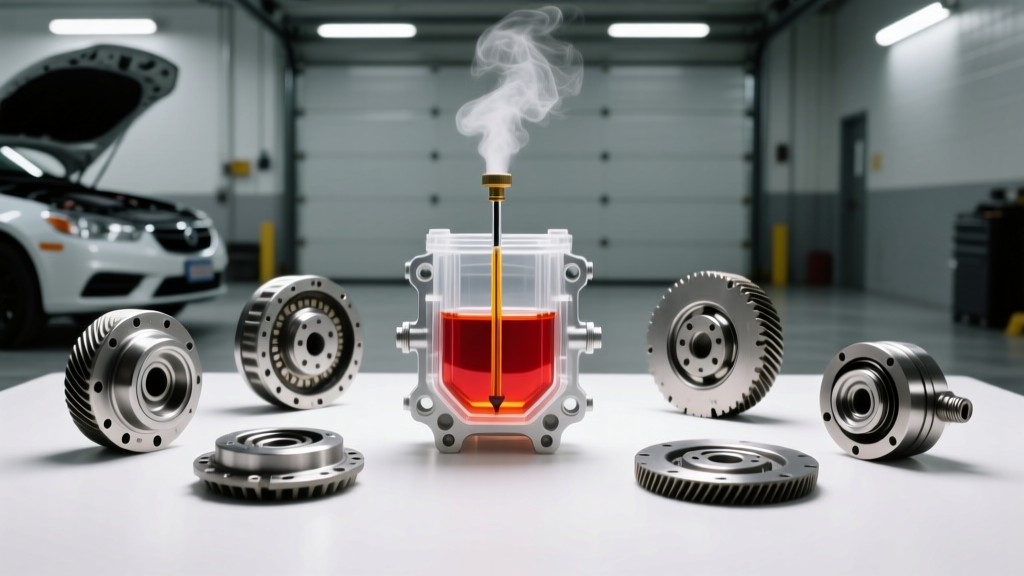
Spotting a reddish or brown puddle beneath your vehicle immediately triggers a critical question for any driver: why is my car leaking transmission fluid? While the puddle on the ground is the ultimate symptom, the real diagnostic truth lies at the end of your transmission dipstick. A proper transmission fluid dipstick reading does far more than tell you if the system is low; the fluid's level, color, scent, and temperature provide a forensic map pointing directly to the source of the leak. Whether you are driving a truck equipped with a GM 6L80 or a luxury sedan with a ZF 8HP, interpreting the dipstick is the mandatory first step in symptom diagnosis and troubleshooting.
Step 1: Validating the Dipstick Reading (Temperature is Everything)
The most common mistake DIYers make when asking why their car is leaking transmission fluid is checking the dipstick cold. Modern automatic transmissions are highly sensitive to fluid expansion. If you check a GM 6L80 or 6L90 transmission cold, the dipstick will show a critically low reading, leading you to overfill the system. Overfilling causes internal pressure to spike, which will blow out the rear output shaft seal or the torque converter hub seal, creating a leak where none previously existed.
For accurate diagnostics on a GM 6L80/6L90 using Dexron VI, the fluid must be between 86°F and 122°F (30°C - 50°C). You must plug in an OBD2 scan tool to monitor the Transmission Fluid Temperature (TFT) sensor data. Once the TFT is in range, cycle the gear selector through all positions, pause in each for two seconds, return to Park, leave the engine idling, and then pull the dipstick. If the level is below the crosshatch zone despite correct temperature, you have a confirmed leak or severe internal consumption.
The 'No Dipstick' Dilemma: ZF 8HP Fill-Plug Diagnostics
Many modern vehicles, particularly those utilizing the ubiquitous ZF 8HP 8-speed transmission (found in BMW, Audi, Chrysler, and Ford applications), have eliminated the traditional dipstick. In these 'sealed' units, the 'dipstick reading' translates to a fill-plug check procedure. To diagnose a leak on a ZF 8HP, the vehicle must be perfectly level. With the engine running and the transmission fluid temperature between 30°C and 50°C, you remove the Torx 40 or 8mm hex fill plug located on the side or bottom of the transmission pan. A slight trickle indicates the correct level. If nothing comes out, and you have spots on your driveway, the leak is likely originating from the warped plastic pan or the mechatronic sealing sleeve.
Decoding the Dipstick: Fluid Condition as a Leak Map
The physical appearance of the fluid on the dipstick provides massive diagnostic clues regarding where and why the fluid is escaping. Use the troubleshooting matrix below to cross-reference your dipstick reading with potential leak sources.
| Dipstick Fluid Condition | Scent Profile | Probable Leak Source & Diagnosis | Estimated Repair Cost |
|---|---|---|---|
| Normal Red/Pink, Low Level | Slightly Sweet / Petroleum | Cooler lines, pan gasket, or output shaft seal. External mechanical failure. | $150 - $400 |
| Milky, Frothy, or Pink Emulsion | No distinct scent | Internal radiator cooler failure. Engine coolant is mixing with ATF. Do not drive. | $800 - $1,500+ |
| Dark Brown / Black, Low Level | Burnt Toast / Acrid | Torque converter hub seal blowout due to overheating, or severe clutch pack wear causing fluid breakdown and subsequent seal shrinkage. | $900 - $1,800 |
| Fluid Level Reads 'Full' but Car Slips | N/A | Not an external leak. Internal pressure loss due to failed TEHCM, worn clutch drums, or stuck valve body checkballs. | $600 - $2,500 |
Common Culprits When the Dipstick Reads Low
Once you have validated the temperature and confirmed the fluid is genuinely low, it is time to investigate the specific failure points inherent to your transmission model. According to data from the Automatic Transmission Rebuilders Association (ATRA), certain transmissions have well-documented leak points that manifest as low dipstick readings.
GM 6L80 / 6L90: The TEHCM Sleeve Issue
If your GM truck or SUV is leaving a drip directly above the transmission crossmember, suspect the Transmission Electro-Hydraulic Control Module (TEHCM). The TEHCM routes fluid through a plastic sleeve that mates with the transmission case. Over time, heat cycles and vibration cause the OEM plastic sleeve to wear an oblong hole into the aluminum case. Fluid bypasses the sleeve and drips down the bellhousing. The fix is not a new transmission; it requires dropping the pan and installing a machined aluminum sleeve kit (such as Sonnax part number 14110-01K). When reinstalling the 6L80 pan, the 10mm bolts must be torqued to exactly 10 Nm (89 lb-in) in a crisscross pattern to prevent the stamped steel pan from warping and creating a secondary leak.
ZF 8HP: Plastic Pan Warping and Mechatronic Leaks
The ZF 8HP transmission integrates the filter directly into a plastic transmission pan. While innovative for weight savings, these plastic pans are notorious for warping under high heat and torque, leading to slow weeping leaks around the perimeter. Furthermore, the mechatronic unit (the valve body and TCM combined) connects to the outside world via a sealing sleeve that degrades. If your ZF 8HP dipstick equivalent (the fill plug) shows low fluid, inspect the mechatronic sleeve. Upgrading to an upgraded sleeve (Sonnax 95000-01K) and replacing the plastic pan (which includes a new filter and integrated gasket) resolves 90% of ZF 8HP external leaks. The ZF 8HP fill plug torque specification is strictly 35 Nm; over-torquing will crack the plastic pan threads.
Troubleshooting Framework: Pinpointing the Exact Leak
Because automatic transmissions are positioned in the belly of the vehicle, wind and gravity can disguise the true origin of a leak. Fluid from a leaking front pump seal can travel along the bellhousing and drip from the rear inspection cover, mimicking a rear main seal leak. Follow this professional framework to isolate the issue:
- Degrease the Assembly: Use a dedicated transmission-safe degreaser and a pressure washer to completely strip the transmission case, bellhousing, and cooler lines of old grime.
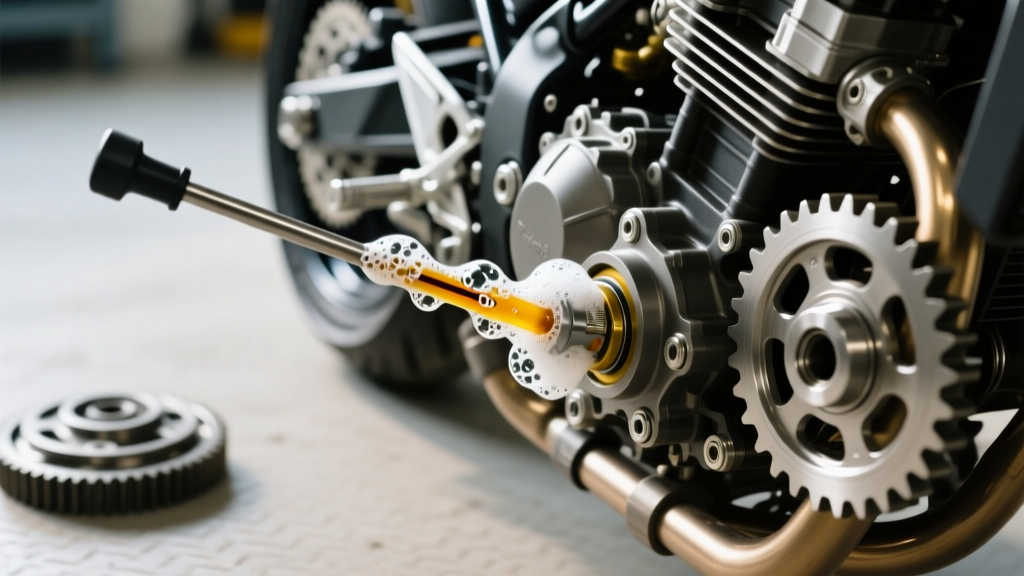
- Introduce UV Dye: If the leak is slow, add a bottle of oil-soluble UV tracer dye to the transmission via the dipstick tube or fill plug.
- The 50-Mile Cycle: Drive the vehicle under normal load, ensuring the transmission reaches full operating temperature and engages the torque converter clutch (TCC).
- Blacklight Inspection: Hoist the vehicle and inspect with a 365nm UV flashlight. The exact origin point will glow brightly.
Expert Diagnostic Tip: Never use 'stop-leak' additives to fix a transmission leak. These products work by causing elastomers and rubber seals to swell. While it might temporarily slow a leak at the axle seal, it will also cause the internal clutch pack accumulator seals to swell, leading to harsh shifts, binding, and eventual transmission failure. Always replace the physical seal or gasket.
Cost Expectations and Next Steps
Addressing a low dipstick reading promptly is the difference between a minor repair and a catastrophic failure. Running a GM 6L80 or a Ford 6R80 with fluid below the safe crosshatch zone starves the transmission oil pump. This leads to immediate clutch pack glazing and planetary gear failure. Expect to pay between $150 and $300 for a set of aluminum transmission cooler lines if your leak is at the radiator. If the leak is traced to the torque converter front pump seal, expect a labor-intensive job requiring transmission removal, typically costing between $800 and $1,200. Always refill with the exact OEM-specified fluid—such as Dexron VI for GM or ZF LifeguardFluid 8 for the 8HP—and re-verify your dipstick reading at the correct temperature to ensure the system is properly bled and sealed.