The Auditory Diagnostic Matrix: Identifying PTO Clutch Failures
Power Take-Off (PTO) systems are the critical link between a commercial vehicle’s transmission and its auxiliary work equipment. Whether mated to an Allison 3000/4000 series automatic or an Eaton Fuller manual gearbox, the PTO clutch endures extreme torsional stress. When technicians ask how to test a PTO clutch, the answer usually begins with auditory diagnostics. Grinding, squealing, and chirping are not mere annoyances; they are precise acoustic indicators of specific mechanical or electromagnetic failures within the PTO assembly. Ignoring these symptoms often leads to catastrophic transmission aperture damage, turning a $600 PTO rebuild into a $12,000 transmission replacement.
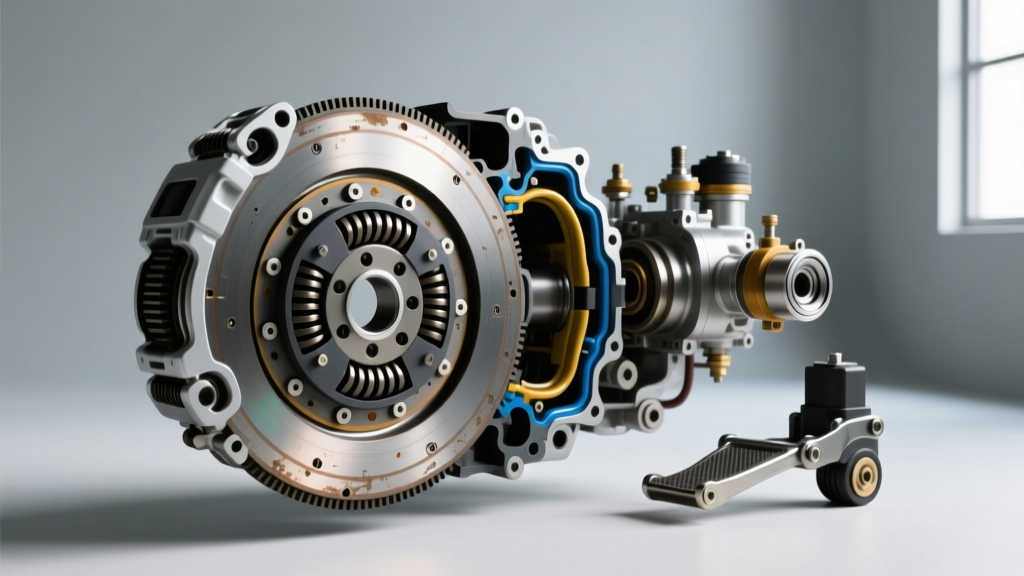
In modern vocational fleets, PTO systems generally fall into two categories: mechanical gear-engagement clutches (like the Muncie 890 or Chelsea 252 series) and electromagnetic friction clutches (like Warner Electric or Ogura units). Diagnosing noise requires understanding which internal components generate specific frequencies under load.
1. Grinding: Gear Mesh Collision and Bearing Disintegration
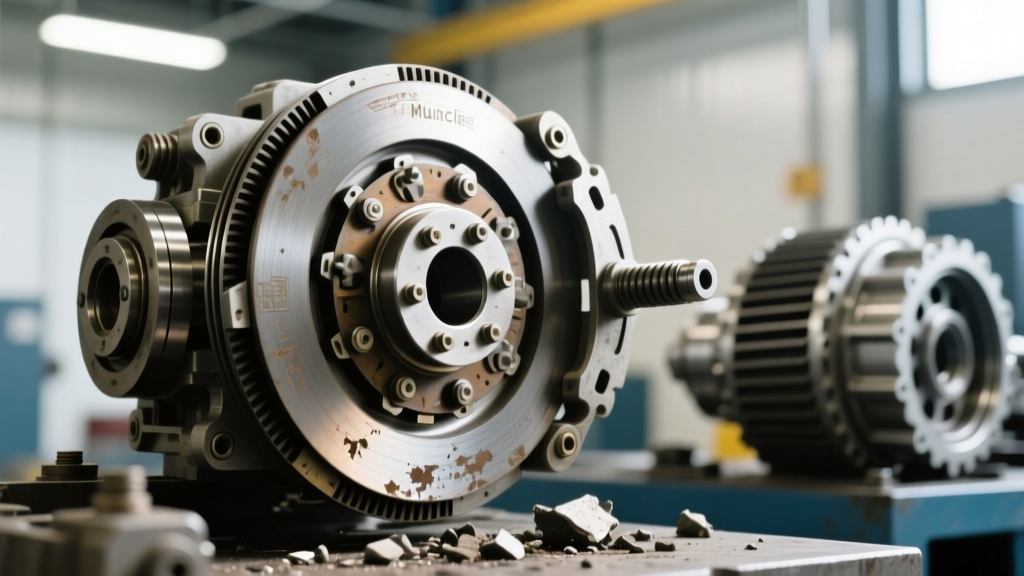
A harsh, metallic grinding noise that occurs during PTO engagement or under heavy load typically points to gear mesh failure or bearing collapse. In mechanical PTOs mounted to Eaton Fuller transmissions (e.g., the RT-12510B), grinding often indicates that the PTO input gear is clashing with the transmission countershaft gear. This is usually caused by excessive gear backlash or a worn shift collar.
- Idler Bearing Failure: If the grinding persists while the PTO is fully engaged and under load, the idler shaft bearings are likely pitted or starved of lubrication. The radial load from the hydraulic pump or air compressor accelerates bearing cage disintegration.
- Transmission Countershaft Wear: In severe cases, the grinding originates from the transmission’s PTO aperture. If the transmission countershaft gear has excessive axial play, the PTO gear will grind against the aperture housing.
2. Squealing: Friction Glazing and Electromagnetic Slip
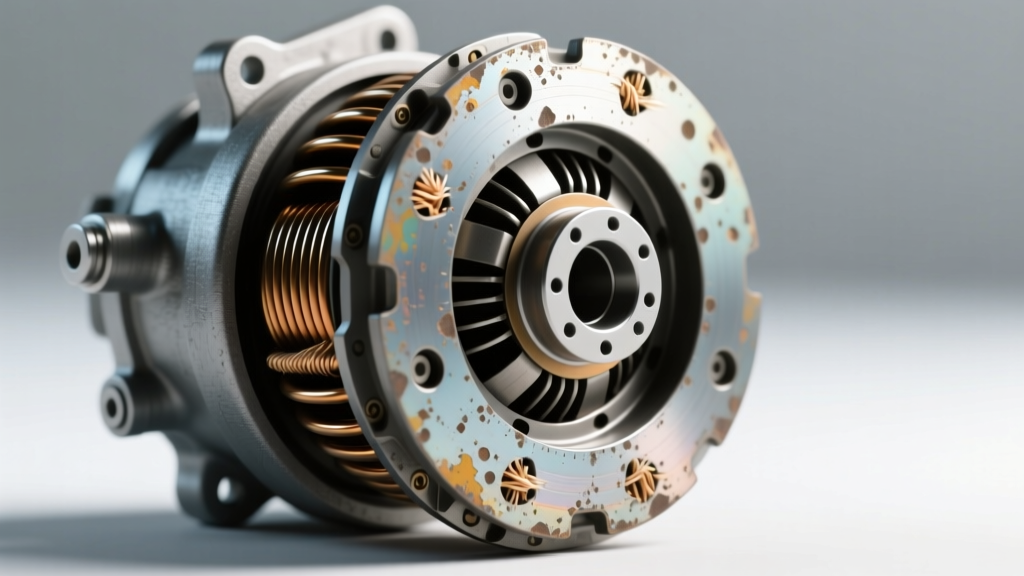
A high-pitched squeal is the universal signature of clutch slippage. In electromagnetic PTO clutches, squealing occurs when the magnetic field is insufficient to fully lock the friction disc against the rotor. This partial engagement generates immense surface heat, glazing the friction material and creating a squealing harmonic.
- Voltage Drop: A 12V electromagnetic PTO requires a minimum of 11.5V at the coil terminals under load. Corroded relay contacts or undersized wiring harnesses cause voltage drops, leading to a weak magnetic field and subsequent squealing.
- Wet Clutch Pack Degradation: For hydraulic wet-clutch PTOs (common on Allison automatics), squealing indicates contaminated transmission fluid or a failing clutch pack solenoid that is not delivering adequate apply pressure to the friction plates.
3. Chirping: Release Bearing and Spline Fretting
Intermittent chirping or “bird-chirp” noises that change pitch with engine RPM usually originate from dry bearings or unlubricated splines. In mechanical PTOs, the shift collar release bearing or the output shaft support bearing will chirp when grease breaks down. In electromagnetic PTOs, chirping often indicates an inconsistent air gap caused by a warped armature or debris trapped between the rotor and the friction face.
Step-by-Step: How to Test a PTO Clutch for Noise Origins
Proper diagnosis requires moving beyond visual inspections and utilizing precision measurement tools. Below is the expert protocol for testing both mechanical and electromagnetic PTO clutches to isolate the root cause of noise.
Phase 1: Electromagnetic PTO Testing (Warner / Ogura)
If you are troubleshooting an electromagnetic PTO clutch that is squealing or chirping, follow these electrical and mechanical verification steps:
- Static Air Gap Measurement: Use a non-magnetic brass feeler gauge to measure the air gap between the rotor and the armature at three equidistant points. The specification for most heavy-duty Warner Electric ERD series clutches is 0.015" to 0.020". If the gap exceeds 0.030", the magnetic pull is compromised, causing slippage and squealing. Adjust by adding or removing shims at the mounting hub.
- Coil Resistance Test: Disconnect the PTO wiring harness. Set your multimeter to Ohms (Ω). Measure across the coil terminals. A standard 12V coil should read between 2.5 and 3.5 ohms. A reading of infinite resistance indicates an open internal winding, while a reading near zero indicates a shorted coil that will overheat and warp the armature (causing chirping).
- Dynamic Voltage Drop Test: Reconnect the harness and back-probe the coil connector while the PTO is engaged under load. If voltage drops below 11.2V, inspect the PTO relay, ground straps, and alternator output.
Phase 2: Mechanical PTO Gear Mesh & Backlash Testing (Muncie / Chelsea)
For mechanical PTOs exhibiting grinding or whining, gear backlash must be verified against the transmission manufacturer’s specifications.
- Dial Indicator Setup: Mount a magnetic base dial indicator to the transmission housing, positioning the plunger against the PTO output shaft flange.
- Backlash Measurement: Hold the transmission input shaft stationary (or leave the transmission in gear with the brakes applied). Rotate the PTO output shaft back and forth. The dial indicator will reveal the gear backlash. For most SAE 6-bolt and 8-bolt apertures on Allison and Eaton transmissions, acceptable backlash is 0.006" to 0.012".
- Aperture Gasket Verification: If backlash is too tight (causing grinding and whine), verify the gasket thickness. Using a standard 0.010" paper gasket instead of the required 0.030" shim gasket will push the PTO gear too deeply into the transmission countershaft, destroying both gears within hours of operation.
Diagnostic Data & Torque Specifications Matrix
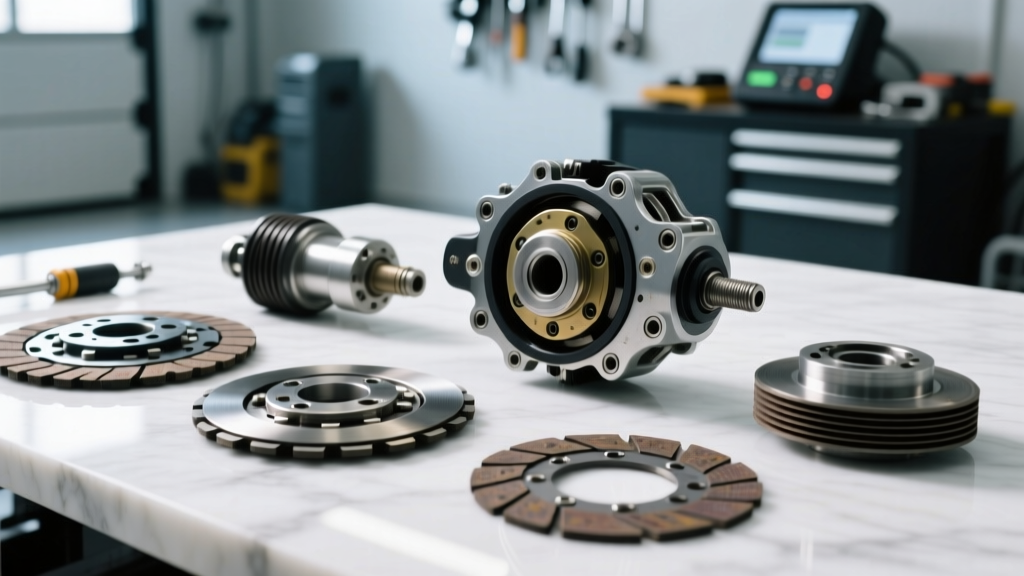
Adhering to precise torque specifications and clearances is mandatory when reassembling a PTO clutch after diagnosing a noise issue. Overtorquing mounting bolts can warp the PTO housing, altering the gear mesh and creating new whining or chirping noises.
| Component / System | Specification / Measurement | Diagnostic Indicator if Out of Spec | Estimated Repair Cost (2026) |
|---|---|---|---|
| Electromagnetic Air Gap | 0.015" - 0.020" | Squealing, slippage, overheating | $150 - $250 (Shim/Adjustment) |
| 12V PTO Coil Resistance | 2.5Ω - 3.5Ω | Chirping (warped armature), no engagement | $300 - $550 (Coil Replacement) |
| Mechanical Gear Backlash | 0.006" - 0.012" | Grinding, gear whine, aperture damage | $800 - $1,400 (Gear/PTO Rebuild) |
| SAE 6-Bolt Mounting Bolts | 45 - 50 lb-ft | Housing warpage, fluid leaks, misalignment | N/A (Labor adjustment) |
| SAE 8-Bolt Mounting Bolts | 85 - 95 lb-ft | Aperture cracking, severe grinding | $2,500+ (Transmission Housing Repair) |
Expert Best Practices for PTO Longevity
Preventing PTO clutch noise requires proactive maintenance rather than reactive troubleshooting. According to Muncie Power Products technical support, the majority of mechanical PTO failures stem from improper installation torque and incorrect gasket selection, not manufacturing defects. Always use a torque wrench in a star-pattern sequence when mating the PTO to the transmission aperture to ensure even housing compression.
For electromagnetic systems, Warner Electric support documentation emphasizes the importance of environmental sealing. Moisture ingress into the coil cavity causes internal corrosion, altering the resistance and leading to weak engagement. Applying dielectric grease to the PTO wiring connectors and inspecting the conduit for micro-abrasions during every 50,000-mile PM service will prevent voltage drop issues that cause friction-disc squealing.
Finally, when referencing Eaton drivetrain support resources for manual transmission PTO apertures, always verify the countershaft end-play before installing a new PTO. If the transmission countershaft has excessive thrust wear, the PTO gear will oscillate under load, creating a rhythmic chirping noise that no amount of PTO shimming will resolve. Addressing the root cause of drivetrain noise ensures maximum uptime for vocational fleets and heavy machinery operators.