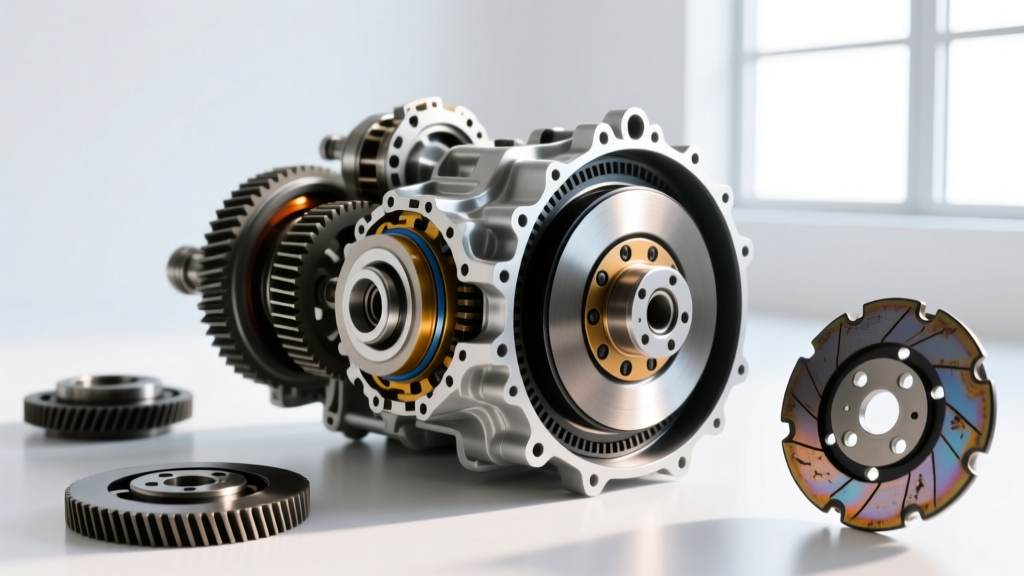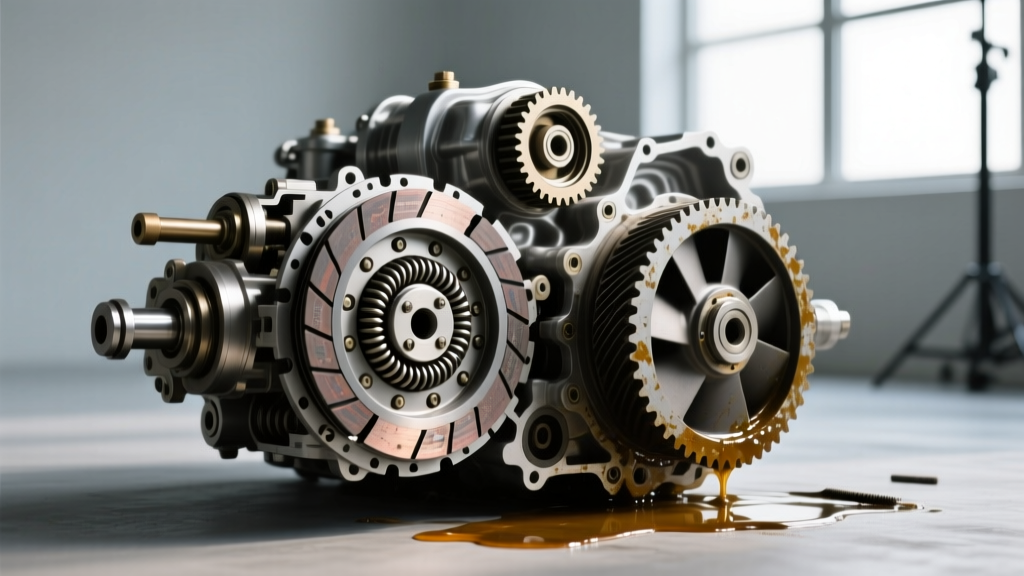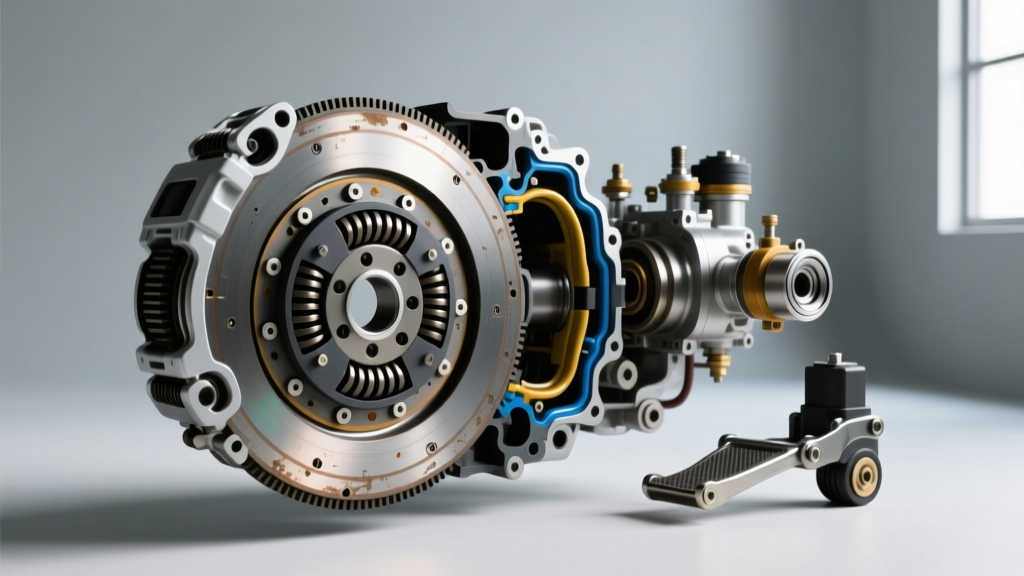
Introduction: The Rite of Passage for Subaru Owners
Upgrading your manual Subaru is a rite of passage. Whether you are piloting a classic EJ25 5-speed or a newer FA24 6-speed, bolting on an aftermarket clutch is often the first step toward handling more boost and torque. Among the most popular choices in the community is the ACT clutch WRX setup, renowned for its heavy-duty clamping force and durability. However, as of 2026, forum threads and repair bays are still flooded with beginners asking the same question: "Why won't my new ACT clutch engage smoothly, or worse, why won't it disengage at a stoplight?"
If you are experiencing grinding gears, a stuck pedal, or violent chassis chatter upon takeoff, do not panic. Clutch engagement and disengagement issues are rarely caused by a defective ACT pressure plate right out of the box. Instead, they usually stem from hydraulic mismatches, overlooked machining tolerances, or worn OEM Subaru components. This beginner-friendly explainer will break down the mechanics of your WRX clutch system and give you the exact diagnostic steps, torque specs, and part numbers needed to fix the problem.
Understanding the WRX Push-Type Clutch System
Before diagnosing the issue, you need to understand the path of power from your left foot to the transmission. The Subaru WRX utilizes a push-type external slave cylinder system. Here is the chain reaction:
- Pedal Input: You press the clutch pedal, pushing a rod into the Clutch Master Cylinder (CMC).
- Hydraulic Transfer: DOT 4 brake fluid is pushed through a hard line and flexible hose to the external Slave Cylinder mounted on the transmission bell housing.
- Mechanical Actuation: The slave cylinder pushrod extends, pushing the release fork.
- Disengagement: The fork pivots on a ball stud, forcing the Throwout (TO) bearing against the diaphragm fingers of the ACT pressure plate, lifting the clamping force off the friction disc and freeing the transmission input shaft.
When disengagement fails (you can't shift into gear) or engagement fails (the car chatters or slips), the breakdown is happening at one of these specific nodes.
Symptom 1: The ACT Clutch Won't Disengage (Hard Shifting)
If you are at a stoplight, the pedal is pressed to the floor, but the car creeps forward or the transmission grinds when you try to slot into 1st or Reverse, your clutch is failing to disengage.
The Hydraulic Bottleneck: OEM Slave vs. ACT Fingers
The most common culprit for a brand-new ACT clutch failing to disengage on a WRX is a hydraulic volume mismatch. ACT Heavy Duty (HD) and Xtreme (XT) pressure plates utilize thicker, stiffer diaphragm spring steel to achieve clamping loads upwards of 3,200 lbs (compared to the OEM ~1,800 lbs). Because the metal is stiffer, the fingers require slightly more hydraulic fluid volume to deflect fully.
The OEM Subaru 5MT slave cylinder (Part # 30521AA042) is notorious for having a small bore diameter. Over time, the internal seals wear, reducing the physical stroke of the pushrod. When paired with a stiff ACT pressure plate, the OEM slave simply cannot push the throwout bearing far enough to fully release the clutch.
- The Fix: Upgrade to a larger bore aftermarket slave cylinder, such as the GrimmSpeed or Cylinder Works options, which push a greater volume of fluid. Alternatively, perform a thorough gravity bleed of the system using fresh Motul RBF 600 DOT 4 fluid to eliminate microscopic air bubbles that compress under high pedal pressure.
Master Cylinder Pushrod Freeplay
If your Clutch Master Cylinder pushrod is adjusted too tightly against the pedal assembly, it can block the fluid return port. This traps pressure in the line, essentially keeping the clutch slightly disengaged or causing premature throwout bearing wear. Ensure there is a tiny amount of physical 'click' or freeplay at the top of the pedal before the master cylinder piston actually begins to move.
Symptom 2: Abrupt Engagement and Chassis Chatter
Conversely, if the clutch disengages fine but violently grabs upon release—shaking the entire chassis and rattling your teeth—you are experiencing engagement chatter.
Pedal Freeplay Miscalculation
Beginners often adjust their clutch pedal switch or pushrod to make the clutch "bite" closer to the floor, inadvertently eliminating pedal freeplay. Subaru's factory service manual mandates a clutch pedal freeplay of 0.20 to 0.39 inches (5 to 10 mm).
Expert Insight: If you have zero freeplay, the throwout bearing is constantly resting against the ACT pressure plate fingers. At 3,000 RPM, this creates immense friction, glazing the friction disc, overheating the TO bearing, and causing the clutch to slip or chatter unpredictably upon engagement.
Flywheel Step Height: The Silent Killer
If you reused your OEM flywheel or bought a cheap aftermarket lightweight flywheel without verifying the step height, your ACT clutch will chatter or fail to clamp evenly. The step height is the distance between the friction surface of the flywheel and the mounting pad where the pressure plate bolts down.
For Subaru push-type applications, ACT requires a step height typically between 0.787" and 0.807" (20.0mm - 20.5mm). If a machine shop resurfaces the friction surface but forgets to shave down the mounting pads equally, the step height increases. This forces the ACT pressure plate fingers into an over-extended position, altering the spring geometry and resulting in violent, on/off engagement.
Sprung vs. Unsprung Hubs (Street vs. Race Discs)
Are you running an ACT Street Disc or an ACT Race Disc?
- ACT Street Discs feature a sprung hub (torsion springs built into the center). These springs absorb the rotational shock of the Subaru's boxer engine, providing smooth, OEM-like engagement.
- ACT Race Discs (often 4-puck or 6-puck unsprung designs) have no dampening. They are designed for high-RPM drag racing or dedicated track use. If you daily drive an unsprung puck disc on the street, chatter is a feature, not a bug. No amount of hydraulic tuning will fix the inherent engagement harshness of an unsprung metallic puck disc at low RPMs.
Essential WRX Clutch Specs & Torque Values
When diagnosing or reinstalling your ACT clutch WRX setup, precision is mandatory. Refer to this data table to ensure your hardware is within safe operating tolerances.
| Component / Measurement | Specification / Torque Value | Notes & OEM Part Numbers |
|---|---|---|
| Clutch Pedal Freeplay | 0.20" - 0.39" (5 - 10 mm) | Measure at the pedal pad edge. |
| Flywheel Step Height (Push-Type) | 0.787" - 0.807" (20 - 20.5 mm) | Must be verified with a dial indicator. |
| Pressure Plate to Flywheel Bolts | 18 - 22 lb-ft (M8 Bolts) | Use Loctite 243; tighten in a star pattern. |
| EJ25 Flywheel to Crankshaft | 55 lb-ft + 90° turn | Replace OEM TTY bolts (Part # 800210580). |
| FA20/FA24 Flywheel to Crank | 74 lb-ft (Verify by year) | Ensure dowel pin alignment. |
| Slave Cylinder Pushrod Travel | Minimum 0.55" (14 mm) | OEM 5MT Slave: 30521AA042 |
Mechanical Edge Cases: When Hydraulics Aren't the Problem
If your hydraulics are bled, your freeplay is set, and your step height is verified, but the pedal still feels notchy or fails to disengage, you must look inside the bell housing. The Subaru 5MT is infamous for a specific mechanical failure that mimics a bad clutch.
The Fork Pivot Ball Failure
The release fork pivots on a small steel ball stud pressed into the transmission case (OEM Part # 30536AA030). On high-mileage WRXs, or those subjected to the brutal clamping force of an ACT HD pressure plate, this pivot ball can wear down, crack, or snap entirely. If the pivot ball breaks, the fork loses its leverage point. The slave cylinder will push the fork, but it will bind against the transmission case rather than pushing the throwout bearing. This results in a stiff pedal and zero disengagement. Fixing this requires pulling the transmission and replacing the pivot ball and fork.
Throwout Bearing Collar Wear
The ACT throwout bearing rides on the transmission input shaft sleeve. If the previous owner neglected to apply a thin layer of high-temp molybdenum grease to the input shaft splines and the TO bearing collar, the bearing can bind on the shaft. When it binds, it fails to retract when you release the pedal, causing the clutch to slip and eventually burn up the friction material.
Summary: Your Diagnostic Action Plan
Diagnosing an ACT clutch WRX engagement or disengagement issue requires a systematic approach. Do not immediately blame the aftermarket manufacturer. Follow this sequence:
- Check Pedal Freeplay: Ensure 5-10mm of freeplay at the top of the pedal stroke.
- Inspect Hydraulics: Look for leaks at the master and slave cylinders. Perform a pressure bleed.
- Verify Slave Travel: Have a friend press the clutch while you measure the slave pushrod extension. It should move at least 14mm.
- Review the Build Sheet: If the transmission is out, verify the flywheel step height and ensure the correct ACT disc (sprung vs. unsprung) was selected for your driving style.
For further technical documentation on flywheel step heights and installation procedures, always consult ACT's official tech resources and community-driven archives like the NASIOC forums. By understanding the precise tolerances of your Subaru's drivetrain, you can ensure your ACT clutch performs flawlessly on the street and the strip.