The Short Answer: Do Electric Cars Have Transmissions?
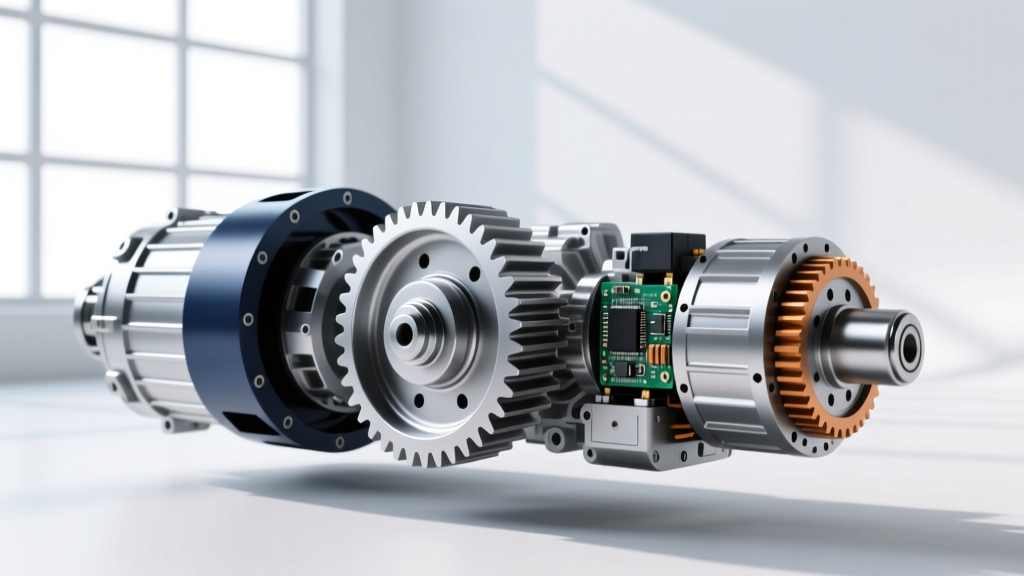
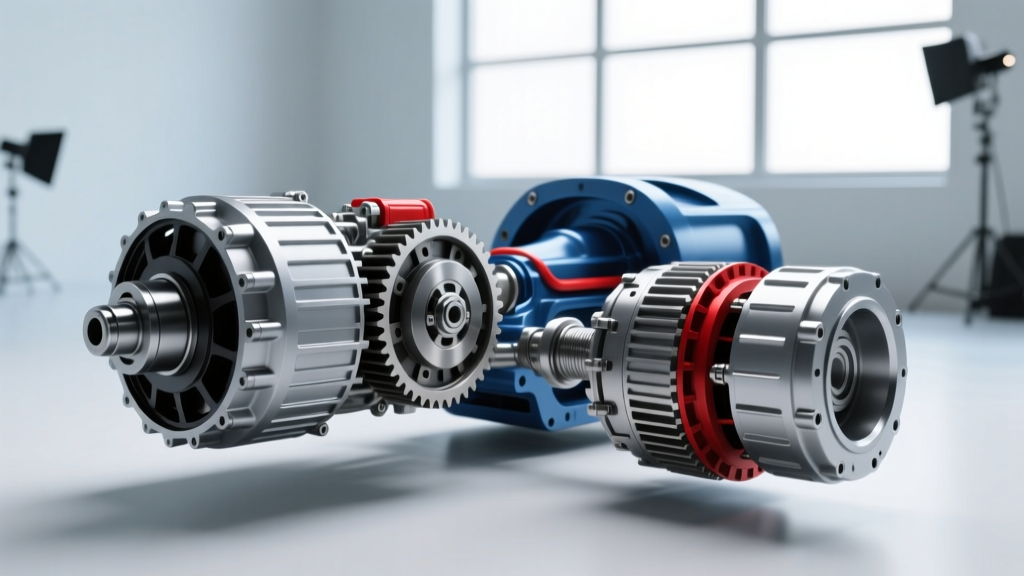
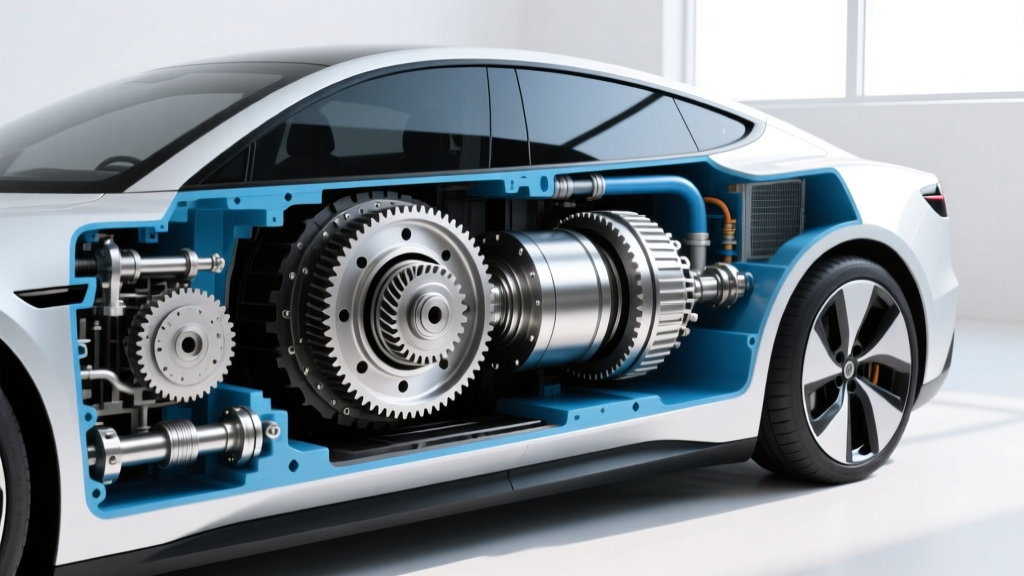
When new EV owners and traditional gearheads ask, "do electric cars have transmissions," the internet often replies with a simplistic "no." As drivetrain engineers and transmission specialists, we must correct this misconception. While electric vehicles do not use complex, multi-speed automatic or dual-clutch transmissions like the ZF 8HP or Porsche PDK, they absolutely do have transmissions. In the EV world, this component is known as a single-speed reduction gearbox or an Electric Drive Unit (EDU) gear reducer.
As we move through 2026, the first generation of mass-market EVs—specifically the 2018–2021 Tesla Model 3 fleet—is crossing the 100,000-mile threshold. This has led to a surge in independent repair shops servicing single-speed reduction gearboxes. In this model-specific repair guide, we will tear down the Tesla Model 3 Rear Drive Unit (RDU) gearbox, diagnose high-frequency NVH (Noise, Vibration, and Harshness) issues, and outline the exact torque specs and fluid requirements for a proper rebuild.
Tesla Model 3 Rear Drive Unit (RDU) Architecture
The Tesla Model 3 RDU houses a Permanent Magnet Synchronous Reluctance Motor (PMaSynRM) mated directly to a single-speed reduction gearbox and an open differential. Unlike an internal combustion engine that requires a torque converter and multiple gear ratios to stay within a narrow power band, the Model 3’s electric motor produces maximum torque at 0 RPM and revs cleanly to over 16,000 RPM.
The Reduction Gear Set
The "transmission" portion of the RDU utilizes a two-stage helical gear reduction set. This lowers the motor's 16,000 RPM output to a manageable wheel speed while multiplying torque. The gear ratio is approximately 9.0:1. Because these helical gears operate under immense rotational speeds and instant torque loads, they require specialized low-viscosity lubricants and precision-machined bearing journals.
Diagnostic Guide: Identifying RDU Bearing and Gear Wear
The most common mechanical failure in the early Model 3 RDU is not the motor or the inverter, but the degradation of the intermediate shaft bearings. Due to the extreme RPMs and the phenomenon of Electrical Discharge Machining (EDM)—where stray electrical currents arc through the lubricant film and pit the bearing races—these components can fail prematurely.
Expert Diagnostic Tip: If a customer reports a "whining" or "howling" noise that increases with vehicle speed (not motor load), use an NVH microphone and frequency analysis app. A failing intermediate shaft bearing typically generates a high-frequency acoustic signature in the 3kHz to 5kHz range, peaking between 65 mph and 80 mph. If the noise changes pitch drastically during regenerative braking versus coasting, inspect the differential pinion bearings instead.
Visual Inspection for EDM Damage
When you pull the RDU and split the aluminum casing, inspect the bearing races for "fluting"—a washboard-like pattern etched into the steel. This is the hallmark of EDM damage. According to technical teardown analyses by Munro & Associates, improper grounding straps or degraded motor shaft grounding rings can accelerate this fluting, leading to catastrophic bearing seizure if left unchecked.
Step-by-Step: RDU Gearbox Fluid Flush Procedure
Unlike engine oil, EV reduction gearbox fluid does not encounter combustion byproducts. However, it degrades due to sheer forces from the helical gears and accumulates microscopic metallic particulates. Tesla officially labels the RDU fluid as "lifetime," but independent drivetrain experts highly recommend a drain and fill every 60,000 miles to preserve bearing life.
- Preparation: Raise the vehicle on a two-post lift. Remove the aerodynamic underbelly pans (10mm and 8mm fasteners) to expose the RDU.
- Level Check: The RDU must be perfectly level. Use a digital angle finder on the subframe to ensure accurate fluid fill.
- Drain: Remove the lower drain plug using an 8mm hex socket. Expect to drain approximately 1.35 to 1.45 Liters of fluid. Inspect the magnetic plug for excessive metallic fuzz (a fine paste is normal; chunks are a red flag).
- Fill: Reinstall the drain plug. Pump in exactly 1.4 Liters of Pentosin ATF 9 or the updated Tesla OEM EV Gearbox Fluid (Part # 1095015-00-A) until it weeps from the fill hole.
- Torque: Torque both the drain and fill plugs to 25 Nm.
Advanced Repair: Intermediate Shaft Bearing Replacement
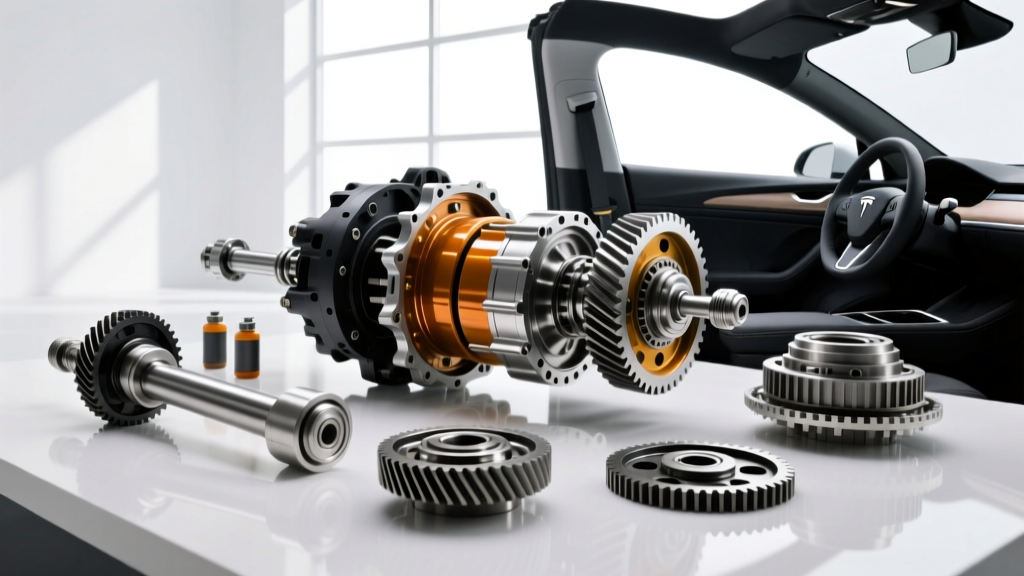
If your diagnostics confirm bearing failure, a full RDU teardown is required. This is not a beginner job; it requires a cleanroom environment, a 20-ton hydraulic press, and specialized EV bearing pullers.
Sourcing the Correct EV-Specific Bearings
You cannot simply drop standard automotive bearings into an EV gearbox. Standard bearings lack the specialized polymer cages and low-friction seals required for 16,000 RPM operation. Furthermore, modern replacements feature ceramic ball elements or specialized carbon-black seals to resist EDM pitting. Companies like SKF produce dedicated eDrive bearings designed specifically to handle the high-speed, low-viscosity environment of EV reduction gearboxes.
Case Splitting and Pressing Specs
- Case Heating: The aluminum RDU casing must be heated evenly to 110°C–120°C using an induction heater or temperature-controlled oven to allow the bearing outer races to drop out without galling the aluminum bore.
- Pressing: When pressing the new intermediate shaft bearings in, apply force only to the outer race using a precision-machined drift. Applying force to the inner race will brinell the ceramic balls and ruin the bearing before it is even installed.
- Seal Replacement: Always replace the axle output seals (Tesla Part # 1499007-00-A) while the RDU is out. Lubricate the seal lips with the fresh Pentosin ATF 9 before inserting the CV axles to prevent dry-start tearing.
Tesla Model 3 RDU Service Specifications
Precision is paramount when reassembling the RDU. Over-torquing can warp the aluminum casing and misalign the gear mesh pattern, leading to immediate whining and premature wear.
| Component / Fastener | Specification / Torque | Notes |
|---|---|---|
| Gearbox Fluid Capacity | 1.4 Liters | Fill to the bottom of the fill-hole threads |
| Gearbox Fluid Type | Pentosin ATF 9 / Tesla 1095015-00-A | Do not use standard 75W-90 gear oil |
| Drain / Fill Plug Torque | 25 Nm | 8mm Hex, replace crush washer if equipped |
| RDU to Subframe Mounts | 95 Nm + 60° | Yield bolts; MUST be replaced upon removal |
| Rear Axle Nut | 235 Nm | Requires heavy-duty 32mm axle nut socket |
| Inverter to Motor Housing | 12 Nm | Sequence tightening from center outward |
Cost Analysis: Dealer Replacement vs. Independent Rebuild
As the Model 3 ages, owners are seeking alternatives to dealership repairs. If the RDU experiences catastrophic internal failure, a Tesla Service Center will typically quote between $4,500 and $6,500 for a complete remanufactured RDU assembly, plus labor and alignment.
However, if the issue is isolated to bearing whine or a leaking output seal, an independent EV drivetrain specialist can perform a teardown, replace the SKF eDrive bearings, reseal the case, and flush the fluid for approximately $900 to $1,400 in parts and labor. This requires specialized knowledge, but it saves the vehicle from being totaled when repair costs exceed the car's depreciated value.
Final Thoughts on EV Drivetrain Maintenance
So, do electric cars have transmissions? Yes, and they require meticulous, model-specific maintenance. The single-speed reduction gearbox in the Tesla Model 3 is a marvel of high-RPM engineering, but it is not immune to the laws of physics and electrical interference. By adhering to strict fluid service intervals, utilizing EV-specific bearings, and following exact torque specifications, independent shops can keep these groundbreaking drivetrains operating silently and efficiently for hundreds of thousands of miles. For further reading on baseline EV maintenance schedules, refer to the official Tesla Model 3 Owner's Manual.