Executive Summary: While Tesla’s integrated drive units utilize open differentials managed by advanced brake-vectoring software, the high-torque nature of EVs has led many track enthusiasts and off-road builders to swap in mechanical limited-slip differentials (LSDs). Understanding the mechanical and chemical differences between these setups is critical, as it fundamentally alters the fluid requirements, service intervals, and execution of your Tesla differential oil change.
The EV Drivetrain Dilemma: Open vs. Mechanical LSD
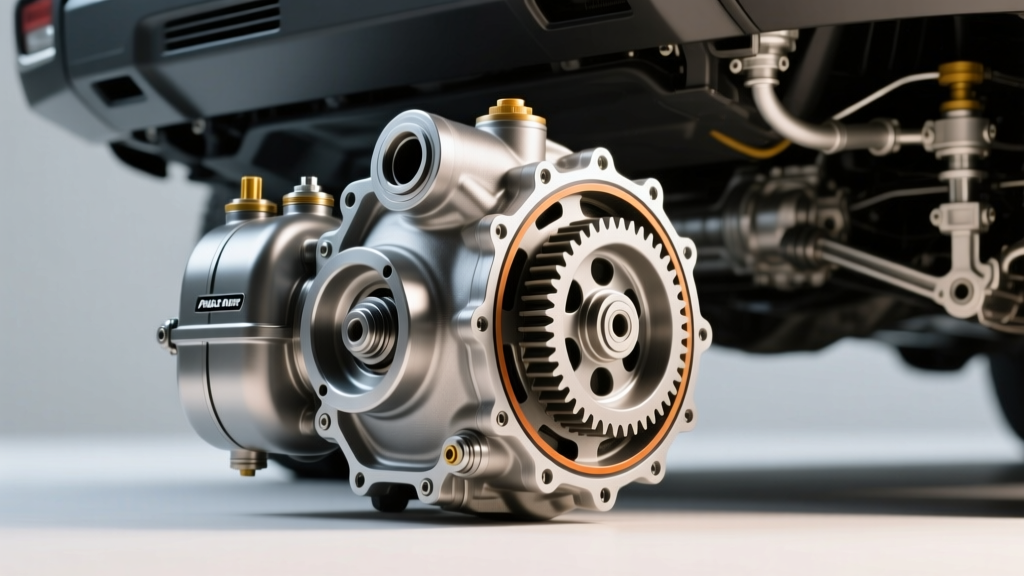
Unlike traditional internal combustion engine (ICE) vehicles where limited-slip differentials are common in performance trims, Tesla’s architecture takes a different approach. Whether you are driving a 2024 Model 3 Highland, a 2026 Model Y Juniper, or an older Model S Plaid, the mechanical differential inside the Large Drive Unit (LDU) or Small Drive Unit (SDU) is an open differential.
How Tesla Manages Traction Without an LSD
Tesla relies on software-driven torque vectoring. When the vehicle’s sensors detect wheelspin on one axle, the traction control system aggressively applies the brake caliper on the slipping wheel. This artificial resistance forces the open differential to route torque to the wheel with grip. For daily driving, winter commutes, and even light track use, this system is remarkably effective and eliminates the parasitic drag and mechanical wear associated with clutch-type or helical LSDs.
However, open differentials have a fatal flaw in high-stress, high-torque environments: heat. On a road course, continuous brake-based torque vectoring will rapidly overheat the brake fluid and pads, leading to fade. Furthermore, if one wheel is entirely off the ground (common in EV off-road builds or severe track curb-strikes), an open diff will spin the airborne wheel endlessly, regardless of software intervention.
The Case for the Mechanical LSD in EVs
To solve this, the aftermarket has developed mechanical LSDs—such as helical (Torsen-style) or clutch-type units—specifically engineered for Tesla drive unit housings and popular EV-swaps. According to drivetrain specialists at Ring-Pinion's Differential Guide, a mechanical LSD provides instantaneous, hardware-based torque biasing without relying on the brake system. This preserves brake life on the track and ensures continuous forward momentum in low-traction scenarios.
What Your Diff Type Means for Your Tesla Differential Oil Change
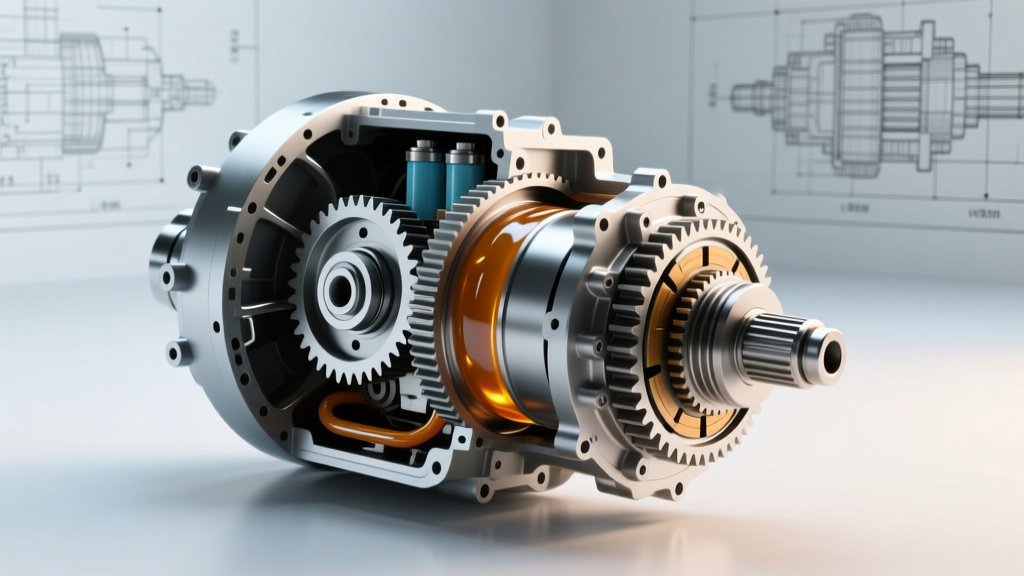
The transition from a factory open differential to an aftermarket LSD completely rewrites the rules for your Tesla differential oil change. This is primarily due to the unique architecture of Tesla’s drive units, where the electric motor, reduction gears, and differential share a single, sealed casing.
The Dielectric Requirement for Factory Open Diffs
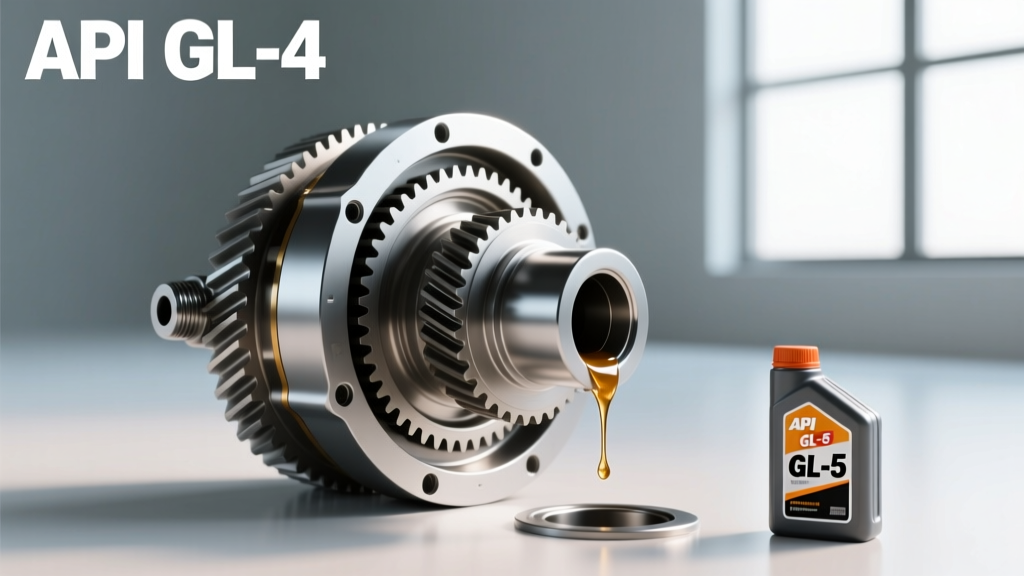
Because the differential shares fluid with the electric motor’s stator and rotor, the fluid must possess high dielectric strength (electrical insulation). Standard automotive gear oils (like traditional 75W-90 GL-5) contain high levels of sulfur-phosphorus additives and metallic anti-wear agents that can conduct electricity, potentially causing short circuits or arcing in the motor windings.
For a factory open differential, a standard Tesla differential oil change requires an EV-specific fluid. Early models utilized Pentosin ATF 9, while newer Model 3 and Model Y rear drive units (RDUs) often specify a dedicated 75W-85 synthetic EV gear oil or Dexron VI equivalent, prioritizing low viscosity for efficiency and high dielectric properties for safety.
The Friction Modifier Dilemma for LSDs
If you have installed an aftermarket clutch-type LSD (such as those from OS Giken or Cusco) into your Tesla drive unit, the fluid dynamics change. Clutch-type LSDs require specific friction modifiers to prevent chattering and ensure smooth lockup. However, many traditional friction modifiers and extreme pressure (EP) additives found in GL-5 LSD fluids compromise the dielectric strength required for the electric motor.
Therefore, EV builders must source specialized synthetic EV-compatible fluids that include safe friction modifiers, or rely on helical gear-type LSDs (like Wavetrac), which do not require friction modifiers and can safely operate on high-dielectric EV gear oils. For more on EV-specific lubrication engineering, AMSOIL's EV Drivetrain Fluid Engineering division notes that balancing gear protection with electrical insulation is the foremost challenge in modern EV drivetrain maintenance.
Fluid Specifications & Service Intervals: Open vs. LSD
Below is a comparative breakdown of the fluid requirements, capacities, and service intervals for factory open differentials versus aftermarket LSD setups in Tesla drive units.
| Specification | Factory Open Diff (Model 3/Y RDU) | Aftermarket Helical LSD (Track EV) | Aftermarket Clutch LSD (Off-Road EV) |
|---|---|---|---|
| Fluid Type | 75W-85 EV Gear Oil / Dexron VI | 75W-85 or 75W-90 High-Dielectric Synthetic | Specialty EV Fluid + LS Additive |
| Friction Modifier | None Required | None Required | Required (Must be EV-safe) |
| RDU Capacity | ~0.65 Liters | ~0.75 Liters (Housing dependent) | ~0.75 Liters |
| FDU Capacity | ~0.45 Liters | ~0.50 Liters | ~0.50 Liters |
| Service Interval | 100,000 miles (Severe: 25,000 mi) | 15,000 miles (Track use) | 20,000 miles (Heavy load) |
| Plug Torque Spec | 28 Nm (21 lb-ft) | 28 Nm (21 lb-ft) | 28 Nm (21 lb-ft) |
Step-by-Step: Adapting the DIY Tesla Differential Oil Change
Whether you are maintaining a stock open diff or an upgraded LSD, the physical process of the Tesla differential oil change remains largely the same. However, precision is paramount to avoid contaminating the electric motor casing.
Tools and Materials Required
- 8mm Hex socket (for fill and drain plugs)
- Torque wrench (capable of measuring 28 Nm / 21 lb-ft)
- Fluid transfer pump (manual or pneumatic)
- Evacuation catch pan (minimum 2-gallon capacity)
- New copper or aluminum crush washers for the drain plug
- Specified EV-compatible gear oil (approx. 1 Liter to account for line loss in the pump)
The Execution Process
- Level the Vehicle: Unlike ICE cars where you might jack up one side, a Tesla drive unit must be perfectly level to ensure the fluid reaches the exact fill line, which is critical for cooling the motor bearings.
- Remove the Fill Plug First: Always remove the upper fill plug before the lower drain plug. If the drain plug is stripped or the fill plug is seized, you do not want to be left with an empty drive unit and no way to refill it.
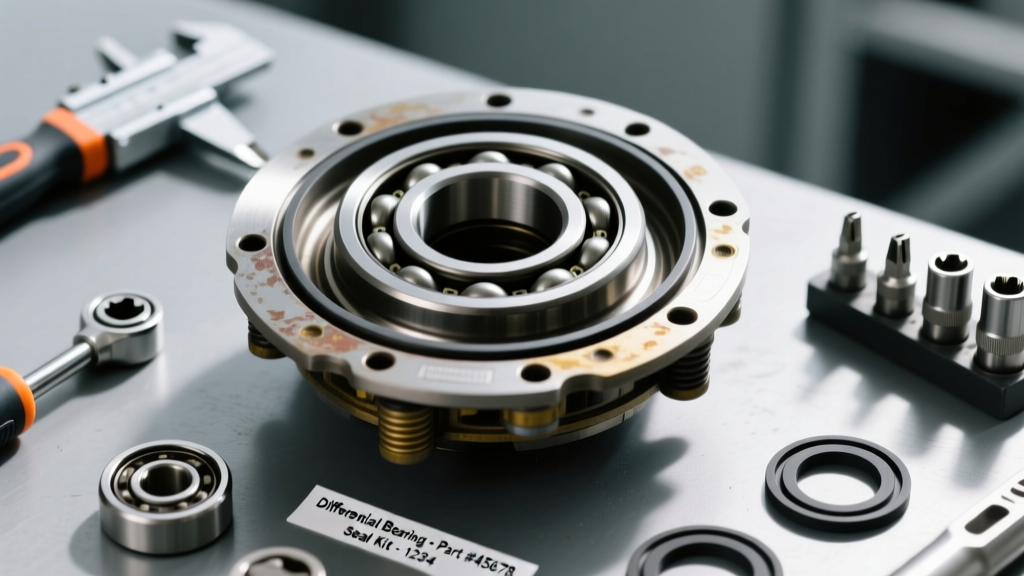
- Drain and Inspect: Remove the 8mm hex drain plug. Inspect the magnetic tip. A fine, glitter-like metallic paste is normal for the first 10,000 miles as the ring and pinion gears wear in. Large metal shards indicate catastrophic bearing or gear failure.
- Refill with Precision: Reinstall the drain plug with a new crush washer and torque to 28 Nm (21 lb-ft). Use your transfer pump to inject the new fluid into the fill hole.
- The Overflow Method: For open diffs, fill until the fluid is exactly level with the bottom of the fill hole threads. For aftermarket LSDs, consult the manufacturer; some require a slight overfill (approx. 10-15ml) to ensure the upper LSD bearings receive adequate splash lubrication under high-G cornering.
- Seal and Verify: Reinstall the fill plug, torque to 28 Nm, and wipe down the casing to check for seepage.
Cost Analysis: Dealer Service vs. DIY
As of 2026, a Tesla differential oil change performed at a corporate Service Center typically ranges from $150 to $225 per drive unit, depending on regional labor rates and the specific EV fluid required. Because Teslas do not have a traditional "lifetime" fluid guarantee for severe use, many owners opt to perform this service annually if they track their vehicles.
For the DIY enthusiast, the cost drops significantly. A high-quality quart of EV-compatible synthetic gear oil (such as those formulated by Red Line or Liqui Moly) costs between $25 and $45. Add in a $15 transfer pump and a few dollars for crush washers, and the total out-of-pocket expense is under $60. Furthermore, doing it yourself allows you to visually inspect the magnetic drain plug, providing an early warning system for internal drive unit failures that a dealership flush might overlook.
Final Verdict: Do You Need an LSD Upgrade?
For 95% of Tesla owners, the factory open differential, paired with Tesla’s industry-leading software traction control, is more than adequate. It maximizes range, minimizes mechanical drag, and keeps the Tesla differential oil change simple and inexpensive.
However, if you are building a dedicated EV track car, an off-road rally build, or towing heavy loads up steep, low-traction inclines, the thermal limitations of brake-based torque vectoring will quickly become a bottleneck. Upgrading to a helical LSD provides mechanical grip without sacrificing the dielectric safety of your fluid. Just remember: altering your differential hardware means you must meticulously verify your fluid chemistry to protect both your gears and your electric motor windings.
For further community-driven data on drive unit fluid capacities and teardown analysis, the Tesla Motors Club (TMC) technical archives remain an invaluable resource for EV drivetrain maintenance.