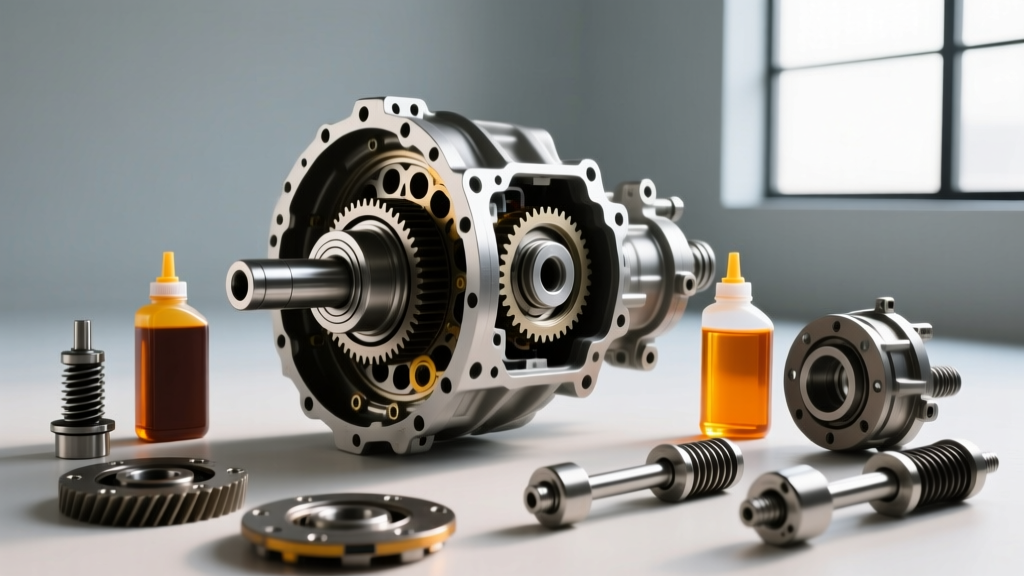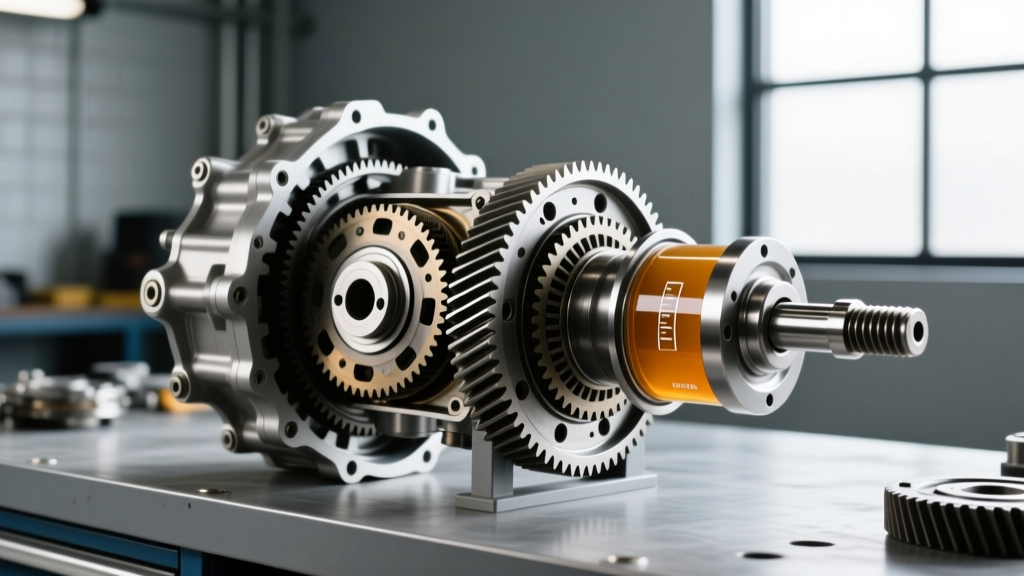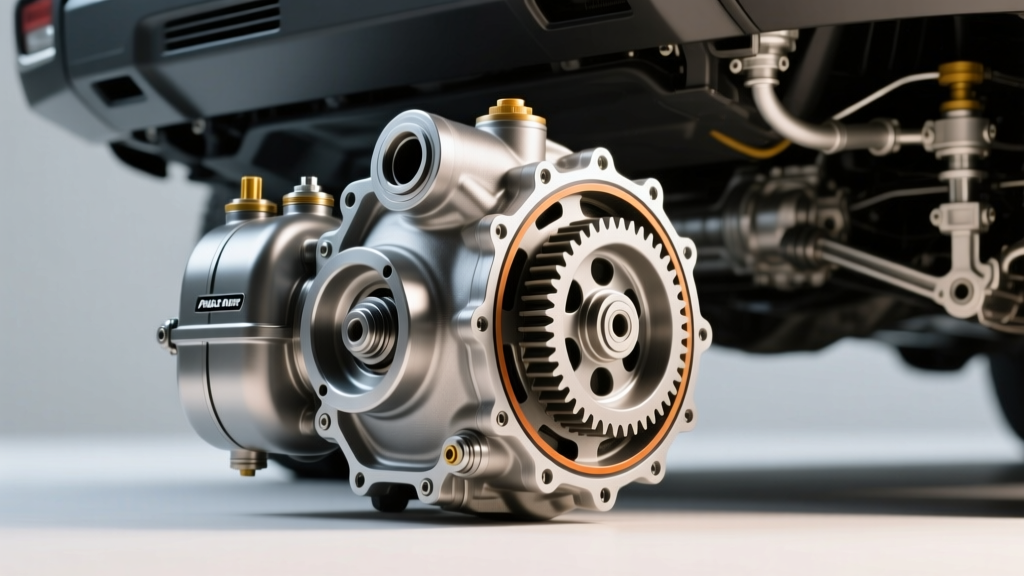
When maintaining a side-by-side UTV, the drivetrain is the heart of the machine. For beginners and seasoned off-roaders alike, understanding how power travels from the engine to the dirt is crucial for preventing catastrophic mechanical failures. One of the most common points of confusion for new Polaris owners is the relationship between the center-mounted transfer case (often referred to as the PTO or Power Take-Off case) and the rear-mounted differential. While they are separate physical components, they are inextricably linked by the rear driveshaft, meaning a failure or maintenance oversight in one will almost always damage the other.
In this beginner-friendly explainer, we will break down the mechanical relationship between these two vital drivetrain components, detail the exact polaris ranger rear differential oil capacity, and provide expert-level torque specs and diagnostic frameworks to keep your rig trail-ready in 2026 and beyond.
The Drivetrain Chain: Transfer Case vs. Rear Differential
To understand why fluid maintenance is so critical, you first need to visualize the Polaris Ranger’s drivetrain layout. Unlike a traditional front-engine, rear-wheel-drive truck, the Ranger utilizes a mid-engine or rear-engine transaxle design.
- The Transmission and Transfer Case (PTO): In models like the Ranger XP 1000, the transmission and the transfer case are typically integrated into a single main housing located under the center console. This unit manages gear ratios and splits power between the front and rear axles.
- The Rear Driveshaft: Power exits the transfer case via an output yoke and travels down a spinning propeller shaft (driveshaft) toward the rear of the vehicle.
- The Rear Differential (Gearcase): Mounted to the rear Independent Rear Suspension (IRS) cradle, the rear differential receives rotational force from the driveshaft, turns it 90 degrees via a ring and pinion gear set, and distributes it to the left and right rear axles.
Because the transfer case output bearing and the rear differential pinion bearing are connected by a rigid steel driveshaft, they share mechanical stress. If the rear differential seizes due to lack of lubrication, the kinetic shockwave travels directly backward into the transfer case, often shattering the output bearings and cracking the PTO housing.
Why Polaris Ranger Rear Differential Oil Capacity Matters
When you look up the polaris ranger rear differential oil capacity, you might be surprised by how little fluid this critical component actually holds. For the widely popular Polaris Ranger XP 1000 and 900 models, the rear gearcase requires only 8.5 ounces (250 mL) of fluid.
Because the sump is so small, there is virtually zero margin for error. A leak of just two ounces represents nearly 25% of the total fluid volume. When the fluid level drops below the ring gear's pickup point, the gears are no longer splashing lubricant onto the pinion bearing and the upper carrier bearings. This leads to rapid thermal expansion, metallurgical galling, and eventual seizure.
Fluid Shearing and Heat Cycles
UTV drivetrains operate under extreme low-speed, high-torque conditions. Crawling over rocks or pulling heavy loads in low gear generates immense friction. Standard automotive gear oil will quickly shear (lose its viscosity) under these conditions. This is why Polaris engineers specify Polaris AGL (All Gear Lube), a synthetic formulation designed to resist shearing and protect the high-friction ring and pinion gears inside both the transfer case and the rear differential.
Exact Specifications and Maintenance Data
Having the right data at your fingertips is the difference between a successful trail day and a costly tow. Below is the definitive spec sheet for servicing the rear differential and understanding its relationship to the transfer case on the Ranger XP 1000 platform.
| Component | Fluid Type | Capacity | Plug Torque Spec |
|---|---|---|---|
| Rear Differential (Gearcase) | Polaris AGL Synthetic | 8.5 oz (250 mL) | 14 ft-lbs (19 Nm) |
| Transmission / PTO (Transfer Case) | Polaris AGL Synthetic | ~44 oz (1.3 L) | 14 ft-lbs (19 Nm) |
| Front Differential (Demand Drive) | ADC / Demand Drive Fluid | 9.0 oz (266 mL) | 14 ft-lbs (19 Nm) |
Note: Always verify your specific year and model via the Polaris OEM Parts Catalog, as turf-mode equipped models or newer 2025/2026 iterations may feature slightly revised sump castings.
The Domino Effect: How Rear Diff Failure Destroys the Transfer Case
Let’s explore a real-world failure scenario that highlights the transfer case and differential relationship. Imagine you are descending a steep, rocky grade. You are relying on engine braking, which forces the rear wheels to drive the engine backward through the drivetrain.
Expert Insight: During engine braking, the rotational force reverses. The rear differential pinion gear is now driving the ring gear, pushing torsional stress back up the driveshaft and directly into the transfer case's output yoke. If the rear diff fluid is low, the pinion bearing overheats and binds. The resulting shock load can snap the driveshaft U-joints or strip the splines inside the transfer case output shaft.
By strictly adhering to the correct polaris ranger rear differential oil capacity and using high-quality synthetic fluids, you create a hydrodynamic wedge that absorbs these shock loads, protecting the much more expensive transfer case housing located upstream.
Step-by-Step Rear Differential Service Guide
Servicing the rear diff is a beginner-friendly task that takes less than 20 minutes but yields massive reliability benefits. Here is the professional workflow.
1. Preparation and Tools
- 8mm Allen socket (for drain and fill plugs on most XP 1000 models)
- Torque wrench (inch-pounds or foot-pounds capable of 14 ft-lbs)
- Fluid pump or syringe (essential for the small 8.5 oz capacity)
- 1 Quart of AMSOIL Synthetic UTV Fluid or OEM Polaris AGL (Part # 2878068, approx. $16.99)
2. The Golden Rule of UTV Fill Plugs
Always remove the fill plug first before removing the drain plug. If you drain the fluid and then discover your fill plug is seized or stripped, your vehicle is immobilized. The rear differential fill hole is located on the rear-facing side of the gearcase housing.
3. Draining and Inspection
Remove the bottom drain plug. Allow the fluid to drain completely into a pan. Inspect the magnetic tip of the drain plug. A fine, glitter-like metallic paste is normal wear for a new gearset. However, if you find large metal flakes or chunks of brass (from the carrier bearing cage), your rear differential requires an immediate rebuild before it seizes and damages the transfer case.
4. Filling to the Correct Capacity
Reinstall the drain plug and torque it to 14 ft-lbs. Using your syringe, pump exactly 8.5 oz of AGL into the fill hole. The fluid should be level with the bottom threads of the fill hole. Reinstall the fill plug and torque to 14 ft-lbs. Wipe down the housing to ensure no residual oil masks future leaks.
Diagnosing Drivetrain Noises: Diff vs. Transfer Case
Because the components are linked, diagnosing a failing bearing requires a trained ear. Use this framework to isolate the source of the noise before it causes collateral damage:
- High-Pitched Whining (Under Load): Usually indicates ring and pinion gear wear or inadequate fluid in the rear differential. Check the polaris ranger rear differential oil capacity immediately.
- Clunking on Engagement: Often points to worn driveshaft U-joints, excessive backlash in the rear differential, or worn splines in the transfer case output yoke.
- Grinding Near the Console: If the noise is centralized under the seats, the issue is likely the transfer case (PTO) output bearing or the internal transmission chain, not the rear differential.
Understanding the symbiotic relationship between your transfer case and rear differential is the hallmark of a responsible UTV owner. By respecting the precise fluid capacities, utilizing the correct synthetic lubricants, and adhering to factory torque specifications, you ensure that power flows smoothly from the transmission to the dirt, mile after mile.