Understanding the CP2 Drivetrain and Clutch Chatter
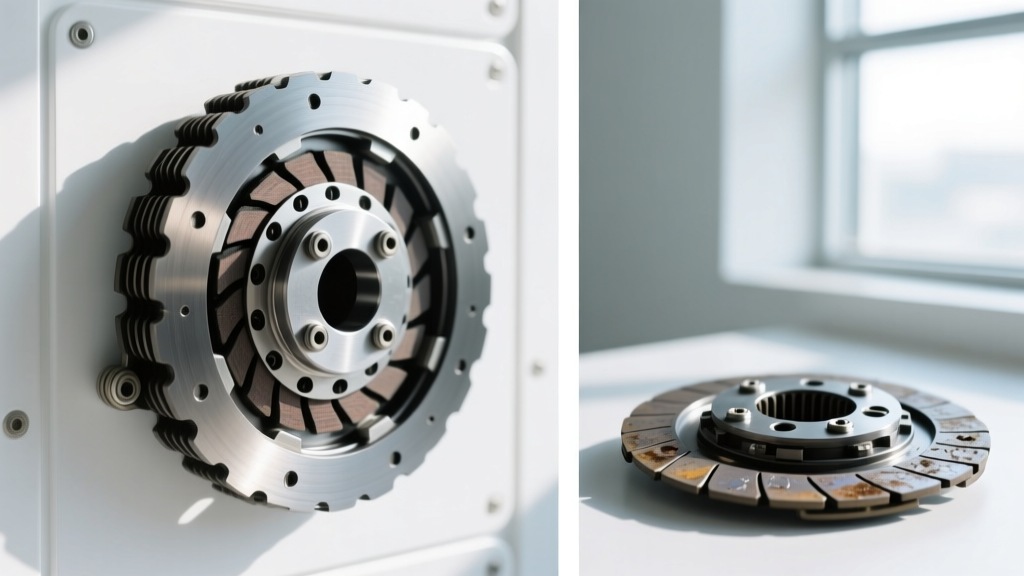
The Yamaha Tenere 700 (T7) has cemented itself as the definitive middleweight adventure motorcycle, largely thanks to the legendary CP2 689cc parallel-twin engine. However, the crossplane crankshaft design that gives the CP2 its exceptional traction and distinctive exhaust note also introduces unique torsional vibration harmonics into the drivetrain. When these harmonics interact with a worn or improperly spec'd wet multi-plate clutch, the result is severe clutch chatter and drivetrain vibration. Unlike automotive applications where a dual-mass flywheel might absorb such harmonics (as seen in ZF 8HP or manual passenger car transmissions), the T7 relies entirely on the clutch pack's friction modifiers and spring dampening to manage torque delivery. When riders experience aggressive shuddering during clutch engagement—especially under load in first or second gear—it is a critical indicator of friction surface degradation, basket notching, or clamping load failure.
The Truth Behind the Yamaha Tenere 700 Clutch Recall
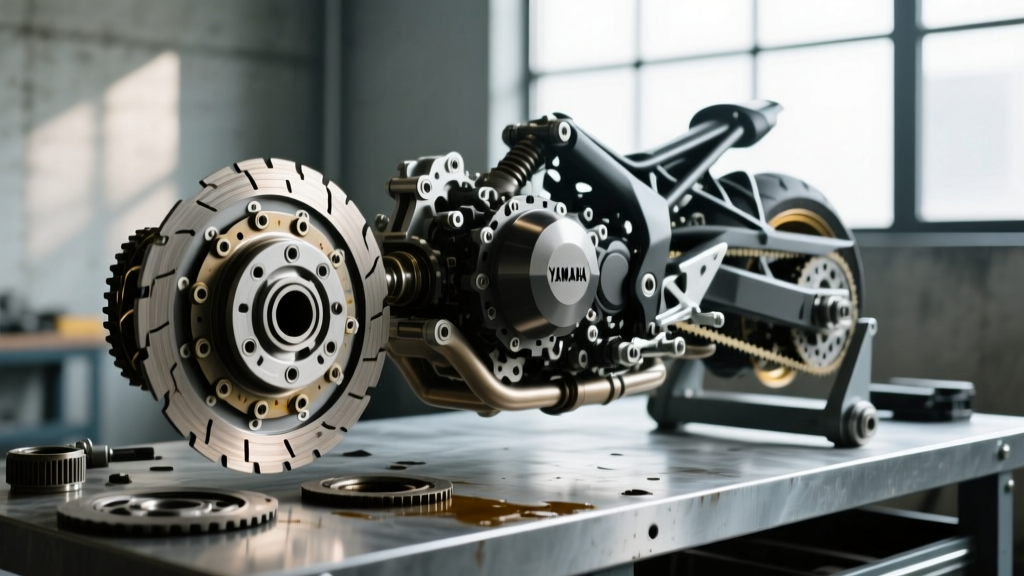
Searches surrounding the yamaha tenere 700 clutch recall frequently spike when owners of early 2019–2021 models experience sudden, violent drivetrain shudder. It is vital to clarify the terminology: while Yamaha issued critical Technical Service Bulletins (TSBs) and localized service campaigns regarding the clutch boss nut and clutch hub splines, it was not a blanket global safety recall in the traditional sense. The core issue stemmed from improper factory staking of the clutch boss nut. Over time, the crossplane engine's torque pulses caused the insufficiently staked nut to back off. This reduced the clamping force on the clutch pack, leading to micro-slippage, extreme heat generation, and the infamous 'chatter' as the plates rapidly grabbed and released.
Expert Insight: If your T7 exhibits chatter accompanied by a 'clinking' sound at idle that disappears when the clutch lever is pulled, the clutch boss nut has likely backed off, or the inner hub splines have wallowed out. Immediate teardown is required to prevent the nut from shedding completely and destroying the engine cases.
TSB vs. Recall: What Dealerships Won't Tell You
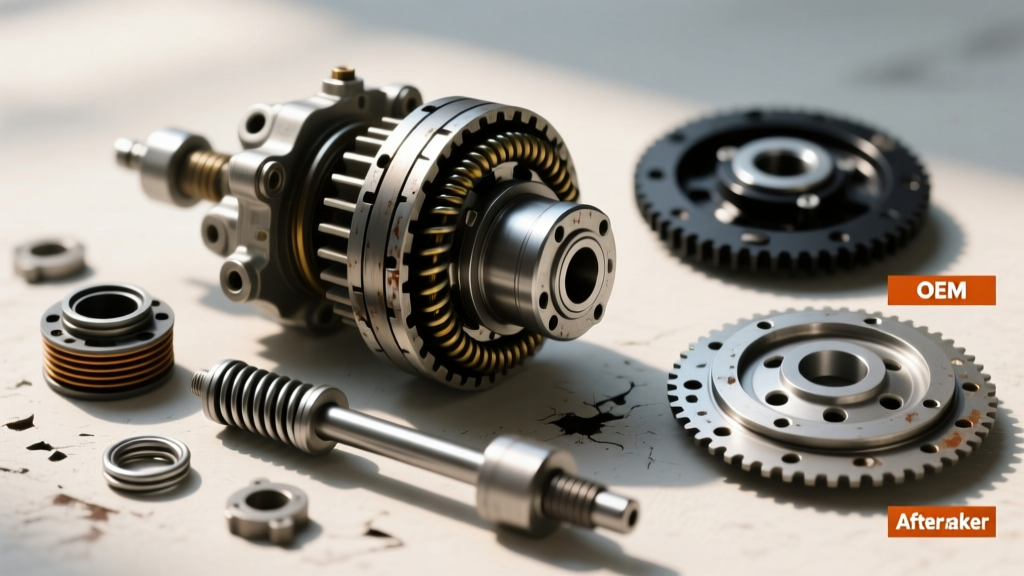
Many dealerships will only address the clutch boss nut if the motorcycle falls under a specific VIN range tied to the service campaign. However, as of 2026, the aftermarket has recognized that the OEM cast aluminum clutch basket is inherently prone to notching under aggressive adventure riding conditions. Upgrading the clutch components is no longer just a repair—it is a mandatory performance evolution for serious off-road and overlanding riders.
Diagnostic Framework: Isolating Drivetrain Vibration
Before tearing down the right-side engine cover, you must definitively isolate the chatter from other CP2 vibration sources. Follow this diagnostic sequence:
- Static Lever Feel Test: Pull the clutch lever. If the engagement feels 'notchy' or has distinct detents rather than a smooth, linear progression, the clutch basket fingers are notched. The steel plates are hanging up in the aluminum basket grooves, preventing smooth disengagement and causing re-engagement chatter.
- Load-Bearing Road Test: Clutch chatter rarely manifests at light throttle. Ride the T7 up a 15% grade in second gear at 2,500 RPM and feed the clutch out slowly. If the rear wheel hops and the chassis shudders violently, the friction plates have lost their coefficient of friction, or the clutch springs have sagged below their service limit.
- Oil Analysis (The Wet Clutch Tell): Drain the engine oil into a white pan. The T7 shares oil between the engine, transmission, and clutch. If the oil contains a heavy, glitter-like aluminum suspension, your OEM clutch basket is disintegrating. If it smells severely burnt, the friction material has glazed or delaminated due to the aforementioned boss nut slippage.
OEM vs. Performance Tolerance Matrix
When diagnosing chatter, precision measurement is non-negotiable. Use a micrometer and digital calipers to verify the following specifications against your teardown findings.
| Component | OEM Specification | Service Limit (Replace) | Performance Upgrade Spec |
|---|---|---|---|
| Friction Plate Thickness | 3.00 mm | 2.60 mm | 3.10 mm (Rekluse TorqDrive) |
| Clutch Spring Free Length | 46.50 mm | 44.00 mm | 47.50 mm (EBC Heavy Duty) |
| Steel Plate Warpage | 0.00 mm | 0.10 mm | < 0.05 mm (Hinson Billet) |
| Clutch Boss Nut Torque | 75 Nm (55 lb-ft) | N/A (Must Stake) | 75 Nm + Red Loctite 272 |
Performance Upgrades to Eliminate Chatter Forever
To permanently resolve the vulnerabilities highlighted by the yamaha tenere 700 clutch recall and eliminate chatter under high-torque adventure conditions, you must move beyond OEM replacements. The following performance upgrades represent the gold standard for the CP2 platform in 2026.
1. Hinson Billet Clutch Basket (Approx. $480)
The OEM cast aluminum basket is the primary culprit behind T7 clutch chatter. As the steel plates impact the soft aluminum tangs during aggressive downshifts and high-RPM engagement, they carve deep notches. This prevents the plates from floating freely, causing the clutch to drag and chatter. A Hinson Billet T6-6061 aluminum basket is CNC-machined to tighter tolerances and features hard-anodized coating that completely eliminates notching. This ensures buttery-smooth lever feel and linear engagement, effectively curing mechanical chatter at the source.
2. Rekluse TorqDrive Clutch Kit (Approx. $330)
If your chatter is rooted in friction capacity and thermal fade, the Rekluse TorqDrive system is the ultimate solution. By utilizing thinner, high-carbon steel plates and additional friction surfaces, Rekluse increases the total clutch pack stack height and torque capacity by up to 25% without requiring stiffer springs. This means the clutch can absorb the CP2's torsional spikes without slipping, eliminating the grab-and-release chatter common on steep, technical off-road climbs.
3. EBC CK Series Kevlar Friction Plates (Approx. $120)
For riders on a budget who still need to address glazed OEM plates, the EBC CK1155 Kevlar-reinforced friction plates offer a massive upgrade in thermal stability. Kevlar fibers provide a more progressive engagement zone compared to standard paper/cork composites, significantly dampening the initial 'bite' that translates into chassis vibration. Pair these with EBC Heavy Duty springs (Part# CK1155H) to increase clamping pressure by 15%.
Wet Clutch Tribology: Fluid Selection for 2026
You cannot diagnose or fix clutch chatter without addressing the hydraulic medium. The T7's wet clutch relies on the engine oil to manage friction and heat. Using automotive oils containing friction modifiers (like Molybdenum) will cause immediate, catastrophic clutch slip and chatter. You must strictly use oils certified to JASO MA2 standards. In 2026, top-tier choices include Motul 7100 10W-40 or Amsoil Metric 10W-40. These formulations contain the precise friction modifiers required to allow the CP2 clutch plates to grip firmly under load while still providing adequate boundary lubrication for the transmission gears.
Precision Reassembly: Torque Specs and Staking
The most critical step in preventing a recurrence of the issues that sparked the yamaha tenere 700 clutch recall is the reassembly of the clutch boss. The OEM service manual dictates a torque of 75 Nm (55 lb-ft) for the clutch boss nut. However, torque alone is insufficient due to the crossplane engine's harmonic vibrations.
When rebuilding, follow this exact protocol:
- Use a dedicated clutch holding tool (e.g., Motion Pro 08-0411) to secure the hub. Do not rely on the rear brake or a rag stuffed in the primary gears, as this can crack the cast aluminum hub or damage gear teeth.
- Apply a single drop of Red Loctite 272 (high-strength, high-temperature threadlocker) to the first three threads of the main shaft before threading the new OEM clutch boss nut.
- Torque to exactly 75 Nm using a calibrated torque wrench.
- Using a proper staking tool or a blunt, precision-ground punch, stake the collar of the nut firmly into the groove of the main shaft. Ensure the stake is deep and clean; a sloppy screwdriver slip here will ruin the shaft and guarantee future chatter and failure.
By combining rigorous diagnostic measurement, precise torque procedures, and modern billet aftermarket upgrades, you can completely insulate your Tenere 700 from the drivetrain chatter that plagues lesser-maintained CP2 machines, ensuring bulletproof performance on any terrain.