What Exactly is Clutch Slip on a Motorcycle or ATV?
If you are new to riding or wrenching, experiencing a clutch slip motorcycle issue can be both confusing and dangerous. In simple terms, clutch slip occurs when the engine's RPMs climb, but your vehicle's speed does not increase proportionally. It feels like you are twisting the throttle or pressing the gas pedal, but the power is simply vanishing into thin air before it reaches the rear wheel.
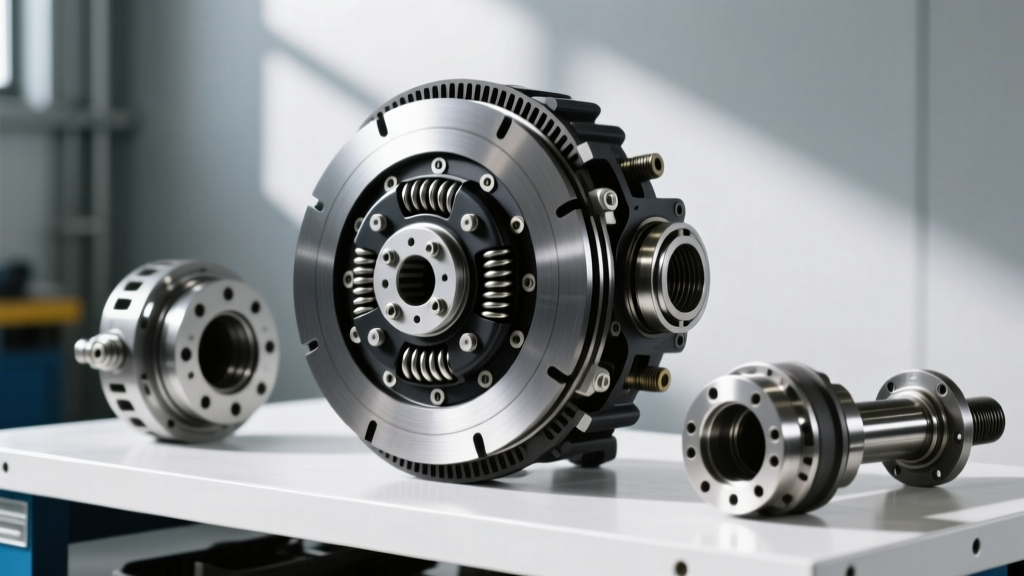
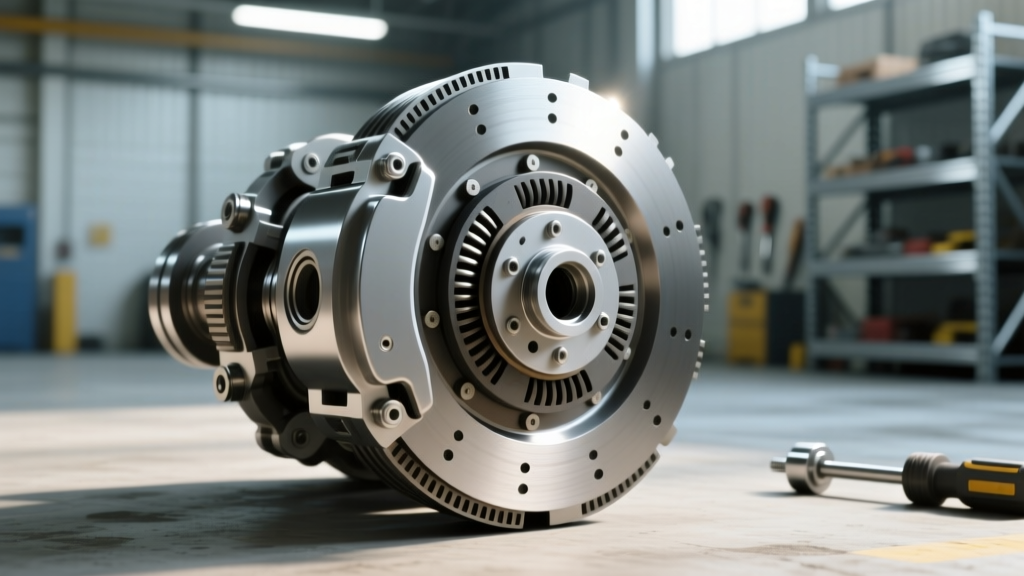
For beginners, think of the clutch as the bridge between your engine and your transmission. When that bridge loses its grip, the engine spins freely without pulling the vehicle forward. Whether you are riding a manual 5-speed Honda CRF450R dirt bike or driving a CVT-equipped Polaris Sportsman 570 ATV, the fundamental symptom is the same: a severe loss of power transfer under load.
The Two Worlds: Manual Wet Clutches vs. ATV CVT Systems
Before grabbing any tools, you must understand which system you are working on. Motorcycles and ATVs utilize vastly different clutch architectures, and misdiagnosing one for the other is a common beginner mistake.
| Feature | Manual Wet Multi-Plate (e.g., Yamaha YZ250, Kawasaki Ninja 400) | CVT System (e.g., Polaris RZR, Can-Am Outlander) |
|---|---|---|
| Primary Components | Friction plates, steel separator plates, clutch springs, pressure plate. | Primary (drive) clutch, secondary (driven) clutch, drive belt, roller weights. |
| Cooling Method | Submerged in engine oil (Wet Clutch). | Air-cooled via CVT housing ventilation. |
| Most Common Slip Cause | Worn friction material, incorrect oil, weak springs. | Glazed drive belt, worn sheave bushings, weak secondary spring. |
| Beginner Fix Difficulty | Moderate (Requires draining oil, removing side cover). | Moderate to Hard (Requires specialized CVT puller tools and belt deflection checks). |
Top 5 Causes of Clutch Slip (And How to Spot Them)
1. The Wrong Engine Oil (The JASO MA/MA2 Rule)
This is the number one cause of sudden clutch slip in manual motorcycles. Modern automotive oils (API SN or SP ratings) contain friction modifiers like molybdenum to improve car fuel economy. If you put 'Energy Conserving' car oil in a motorcycle with a shared sump (where the engine and transmission share the same oil), those modifiers will coat your clutch plates, causing immediate and severe slip.
Always look for the JASO MA or JASO MA2 certification on your oil bottle. According to the Japan Automotive Standards Organization (JASO), MA2 oils are specifically formulated with high-friction coefficients to prevent wet clutch slip under heavy loads.
2. Worn Friction Plates and Weak Springs
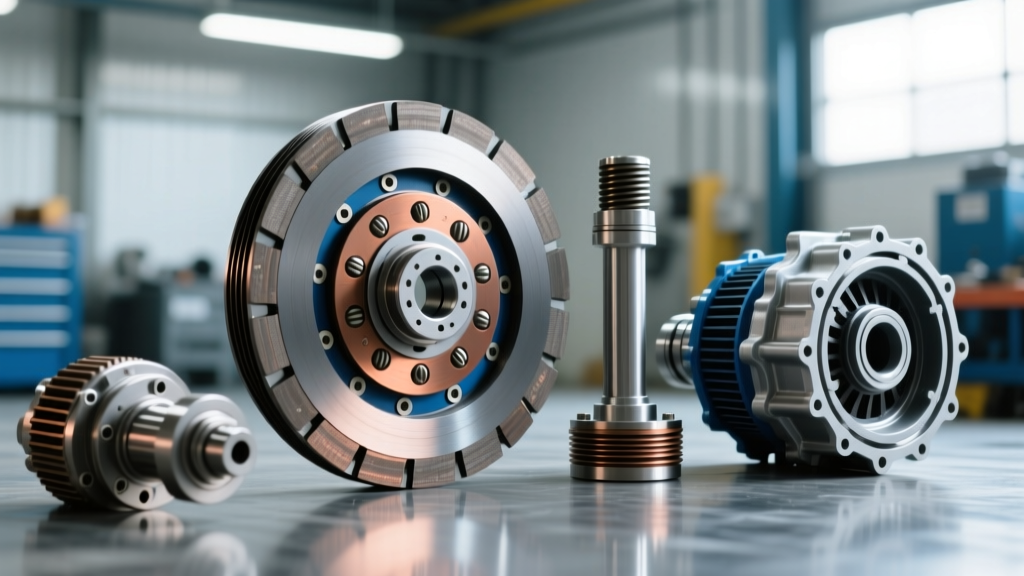
Friction plates are the consumable brake pads of your clutch. Over time, the cork, Kevlar, or carbon fiber material wears down. Furthermore, the clutch springs that squeeze the plates together lose their tension due to repeated heat cycles.
- Measurement Spec: On a typical Honda CRF450R, a new friction plate is roughly 3.00mm thick. The factory service manual dictates a strict service limit of 2.82mm. If your plates measure below this, they must be replaced.
- Spring Free-Length: Springs also have a limit. If the manual specifies a 50.0mm free length, any spring measuring under 47.5mm is fatigued and will cause slip under hard acceleration.
3. Improper Cable or Hydraulic Free Play
Your clutch lever needs a small amount of 'dead space' or free play before it actually begins to pull the pressure plate away from the friction pack. If a beginner adjusts the cable too tight to eliminate lever slop, the clutch will never fully engage, causing constant micro-slipping that will burn up the plates in a single weekend.
The Fix: Adjust the cable so you have exactly 10mm to 15mm of free play measured at the tip of the clutch lever perch. For hydraulic systems (like the Brembo master cylinders found on KTM and Husqvarna models), ensure the master cylinder pushrod has a microscopic air gap to allow fluid to return to the reservoir.
4. Glazed Steel Plates from Overheating
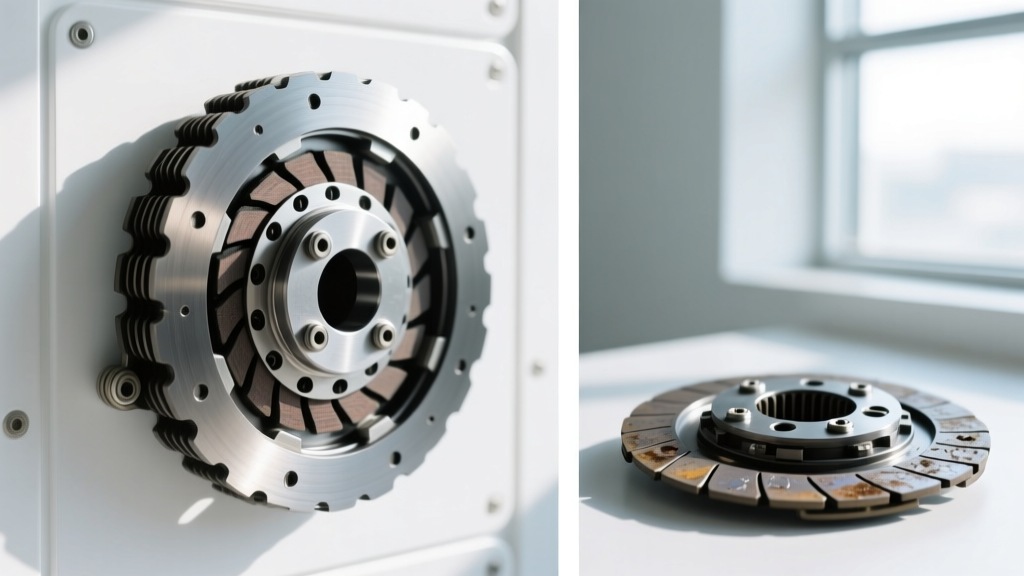
It is not just the friction plates that fail. The steel separator plates can overheat, warp, and develop a mirror-like 'glaze' or turn blue from extreme heat. Glazed steel plates cannot grip the friction material. When inspecting your clutch pack, run your fingernail across the steel plates; if they feel perfectly smooth and glassy, or show blue heat spots, they must be replaced alongside the friction plates.
5. ATV Specific: Worn CVT Sheaves and Belt Glazing
On ATVs and UTVs, what feels like clutch slip is often actually belt slip inside the CVT (Continuously Variable Transmission). If the primary clutch roller weights develop flat spots, or if the drive belt becomes glazed and loses its rubbery grip on the aluminum sheaves, the vehicle will rev to the moon without moving. Inspect the belt for missing cogs, frayed cords, or a burnt rubber smell.
Step-by-Step Diagnostic Tests for Beginners
The 'High-Gear Roll-On' Test (Manual Motorcycles)
- Find an empty, flat road and get the bike up to 35-45 mph in 2nd or 3rd gear.
- Shift up one gear (e.g., into 4th) and immediately roll the throttle wide open.
- The Result: If the engine RPMs surge upward instantly but the bike accelerates sluggishly, your clutch is slipping. A healthy clutch will bog down slightly and pull hard as the RPMs and speed climb together.
The 'Stall Test' (ATVs and UTVs)
- With the ATV in High gear, hold the foot brake firmly and slowly apply the throttle.
- Watch the RPM gauge. The engine should bog down and stall around 1,500 to 2,000 RPM as the clutch tries to engage against the locked brakes.
- The Result: If the engine revs freely to 4,000+ RPM while the brakes are locked, your CVT belt is slipping, or your secondary clutch spring has failed.
Real-World Repair Costs and Part Numbers (2026 Estimates)
Understanding the financial commitment helps you decide whether to DIY or visit a dealership. Below is a breakdown of typical costs for resolving clutch slip in 2026.
| Vehicle Type | Recommended Parts (Examples) | DIY Parts Cost | Dealership Labor + Parts |
|---|---|---|---|
| 250cc-450cc Dirt Bike | EBC CK Series Friction Plates, OEM Steel Plates, ProX Springs | $120 - $180 | $450 - $600 |
| 600cc Supersport | EBC SRC Carbon/Kevlar Kit (Includes Springs) | $160 - $220 | $650 - $850 |
| 500cc-1000cc ATV (CVT) | OEM Drive Belt, Primary Clutch Rebuild Kit (Weights/Buttons) | $150 - $250 | $500 - $750 |
For high-performance applications, upgrading to carbon-fiber friction plates (like the EBC SRC series) provides superior heat resistance and bite, though they require a proper break-in period of at least 50 miles of gentle riding to seat correctly against the steel plates.
Crucial Torque Specs and Reassembly Tips
If you decide to tackle the repair yourself, precision is mandatory. The internal components of a motorcycle transmission are relatively small and easily stripped.
- Clutch Spring Bolts: These small 8mm bolts are typically torqued to just 7 to 10 Nm (62 to 88 lb-in). Over-torquing will strip the soft aluminum threads out of the inner hub, requiring a costly helicoil repair or full hub replacement.
- Clutch Center Nut: The large nut holding the inner hub to the transmission input shaft usually requires 50 to 70 Nm (37 to 51 lb-ft). You must use a dedicated clutch holding tool to keep the hub from spinning while you torque this nut. Never use an impact wrench, as the shock loading can shatter the brittle cast aluminum inner hub.
- Plate Soaking: Always soak new wet-clutch friction plates in the exact engine oil you plan to use for at least 2 hours (preferably overnight) before installation. Installing dry plates will cause them to glaze and burn within the first ten minutes of operation.
Preventative Maintenance to Extend Clutch Life
Preventing a clutch slip motorcycle scenario is vastly cheaper than fixing one. Follow these beginner-friendly habits:
- Stop 'Slipping' the Clutch at Stoplights: Holding the bike in first gear at a red light while slipping the clutch to inch forward generates massive heat. Put the bike in neutral and release the lever.
- Change Oil on Schedule: Motorcycle oil shears down much faster than car oil because it is constantly being crushed between transmission gears. Change your oil every 3,000 to 5,000 miles using high-quality JASO MA2 synthetics.
- Check Cable Tension Monthly: Cables stretch over time. A quick monthly check of your 10-15mm free play ensures the pressure plate is always applying 100% of its clamping force.
By understanding the mechanics of your specific machine and adhering to factory tolerances, you can easily diagnose and eliminate clutch slip, ensuring your power makes it to the ground exactly when you need it. For more in-depth mechanical tutorials, refer to trusted community resources like RevZilla's Common Tread maintenance guides.