The Hydrodynamic Link: Torque Converter Stall Speed Explained
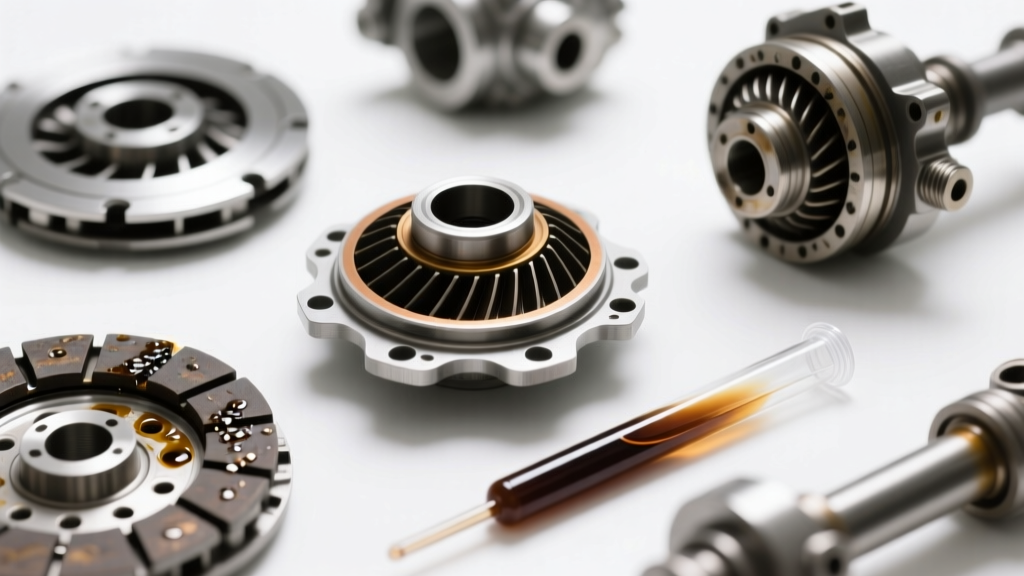
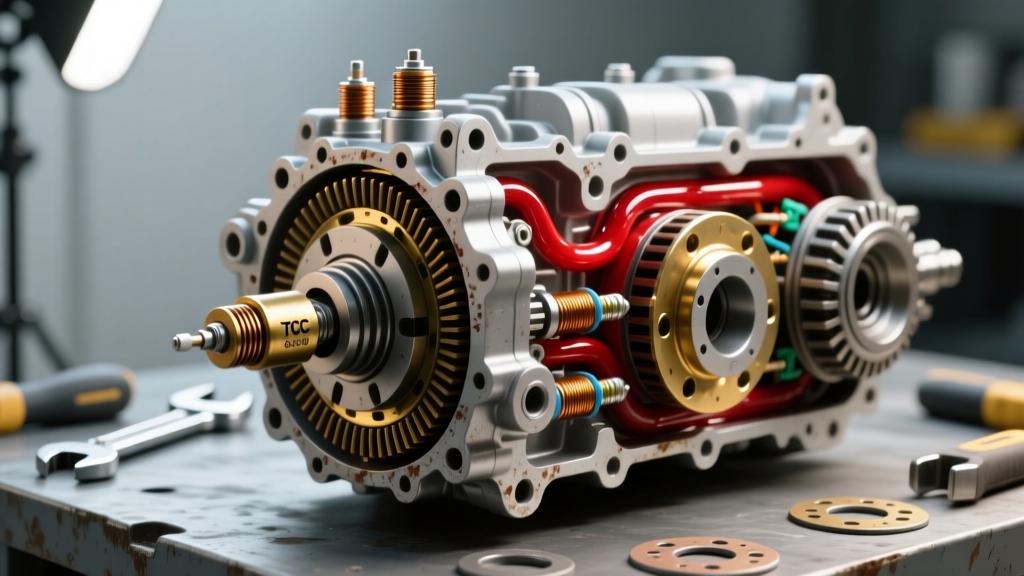
When diagnosing automatic transmission drivability concerns, understanding the hydrodynamic coupling inside the torque converter is paramount. For technicians and enthusiasts alike, getting the torque converter stall speed explained properly requires looking beyond the engine and directly into the transmission fluid dynamics. Stall speed is defined as the maximum engine RPM achievable with the transmission in gear and the output shaft held completely stationary. In a healthy system, this RPM is dictated by the engine's torque curve and the stator/impeller geometry of the converter.
However, the fluid itself acts as the physical link transferring power. When torque converter fluid issues arise, the hydrodynamic efficiency degrades, artificially altering the stall speed and causing severe drivability symptoms, including TCC (Torque Converter Clutch) shudder, delayed engagement, and erratic lockup. In this expert guide, we break down how ATF (Automatic Transmission Fluid) degradation directly manipulates stall characteristics and outline the best practices for diagnosis and correction.
How Fluid Degradation Alters Stall Speed Characteristics
Modern automatic transmissions, such as the GM 8L90, Ford 10R80, and ZF 8HP, rely on highly engineered, ultra-low viscosity (ULV) fluids to minimize parasitic drag and maximize fuel economy. While beneficial for efficiency, these thin fluids are highly susceptible to shear breakdown and thermal degradation, which directly impacts the torque converter's internal hydraulics.
Viscosity Breakdown and Shear Stability
ATF contains viscosity index improvers (VIIs) that maintain fluid thickness across varying temperatures. Under the extreme shearing forces inside the torque converter—where fluid is violently thrown from the impeller to the turbine—these polymer chains can literally tear apart. When shear stability fails, the fluid's kinematic viscosity drops below the manufacturer's specification. A fluid that has sheared from 5.5 cSt to 4.0 cSt at 100°C will result in increased internal slip. This slip manifests as an artificially elevated stall speed, causing the engine to rev higher than normal before the vehicle begins to move, accompanied by excessive heat generation.
Aeration and Cavitation in the Torque Converter
If the transmission fluid level is low, or if the pickup tube O-ring is compromised, the transmission pump will draw in air alongside the ATF. This aeration creates compressible bubbles within the torque converter. Because aerated fluid cannot efficiently transfer hydrodynamic force, the torque multiplication ratio (typically 2.0:1 to 2.5:1) collapses. The result is a highly erratic, fluctuating stall speed and a distinct whining noise from the transmission bell housing during heavy throttle application.
Diagnostic Matrix: Fluid Symptoms vs. Stall Speed Deviations
Accurate diagnosis requires correlating physical fluid inspection with dynamic stall testing. Use the following matrix to cross-reference your findings before authorizing a teardown.
| Fluid Condition | Sensory Indicators | Stall Speed Impact | Corrective Protocol |
|---|---|---|---|
| Severe Oxidation | Dark brown/black, burnt acrid smell | Elevated stall (slip), TCC shudder | Full fluid exchange, inspect clutch packs |
| Shear Degradation | Normal color, thin consistency, low viscosity | Consistently high stall RPM, high trans temps | Drain and fill with OEM-spec ULV fluid |
| Aeration / Foaming | Pinkish foam on dipstick, milky appearance | Erratic/fluctuating stall, delayed engagement | Check fluid level, replace pickup O-ring |
| Friction Modifier Depletion | Normal color, no burnt smell | Normal stall, severe TCC lockup shudder | Add friction modifier or perform flush |
Expert Best Practices for Fluid Selection and Maintenance
One of the most critical mistakes made in independent shops is cross-contaminating or substituting modern ATF specifications. The friction modifiers and viscosity profiles are not interchangeable, and doing so will immediately alter torque converter lockup behavior.
- GM 6L80 / 8L90 / 10L90: Require Dexron VI or Dexron ULV. Using older Dexron III will cause immediate TCC slip and elevated stall speeds due to the thicker viscosity.
- Ford 10R80: Requires Motorcraft Mercon ULV (XT-12-QULV). This fluid is specifically formulated for the micro-slip TCC lockup strategies used in Ford's 10-speed.
- ZF 8HP (Chrysler/BMW/Jaguar): Requires ZF LifeguardFluid 8. Substituting generic multi-vehicle ATFs often results in torque converter clutch shudder between 40-50 mph.
Expert Tip: Never rely on universal multi-vehicle ATFs for late-model 8, 9, and 10-speed transmissions. The torque converter clutch apply strategies are mapped to the exact rheological properties of the OEM fluid. According to Valvoline Global's ATF engineering data, even a 10% variance in friction coefficients can trigger adaptive learning faults and TCC shudder.
Real-World Troubleshooting: Flushing vs. Dropping the Pan
When torque converter fluid issues are suspected, the method of fluid exchange is highly debated. For units exhibiting elevated stall speeds due to shear degradation, a complete fluid exchange using a thermal flush machine is often recommended to replace the 60% of fluid trapped inside the torque converter and cooler lines.
However, if the fluid shows signs of severe oxidation or contains clutch material (indicating internal slip has already damaged the friction surfaces), a thermal flush can dislodge varnish and clog the delicate solenoid screens in the valve body. In these cases, dropping the pan, replacing the filter (e.g., AC Delco TF930 for the GM 6L80), and performing multiple drain-and-fill cycles over 1,000 miles is the safest approach. According to technical bulletins from Transmission Digest, aggressive flushing on high-mileage, neglected units is a leading cause of post-service valve body failures.
When to Rebuild or Replace the Torque Converter
If fresh OEM fluid and a new filter fail to resolve an elevated stall speed or persistent TCC shudder, the torque converter itself is likely compromised. Internal failures such as a worn stator one-way clutch, damaged turbine fins, or a warped TCC apply piston require physical replacement.
A high-quality, precision remanufactured torque converter (from brands like RevMax or Stallion) typically costs between $450 and $850, while OEM units can exceed $1,200. Labor for R&R (Remove and Replace) generally ranges from $600 to $1,000 depending on the vehicle's drivetrain layout. When reinstalling, adhering to exact torque specifications is vital. For example, GM flexplate-to-torque converter bolts must be torqued to 35 lb-ft with Loctite 262, while Ford applications often require 45 lb-ft. Furthermore, verifying the converter is fully seated against the transmission oil pump gear before mating the bell housing is critical; failing to measure the pump-to-flexplate clearance (which should typically be 1/8 to 3/16 of an inch) will result in immediate pump destruction upon startup.
Final Thoughts on Hydrodynamic Diagnostics
Getting the nuances of torque converter stall speed explained through the lens of fluid dynamics shifts the diagnostic focus from mechanical guesswork to precise hydraulic analysis. By understanding how viscosity, shear stability, and aeration dictate the hydrodynamic link, technicians can accurately diagnose fluid-related slip, select the correct OEM-specific lubricants, and prevent catastrophic transmission failures. Always prioritize fluid condition analysis as your first step in any torque converter diagnostic workflow, and consult Sonnax Technical Resources for deep-dive schematics on converter clutch apply circuits and stator designs.