The Thermodynamics of the Tacoma 8.75-Inch Differential
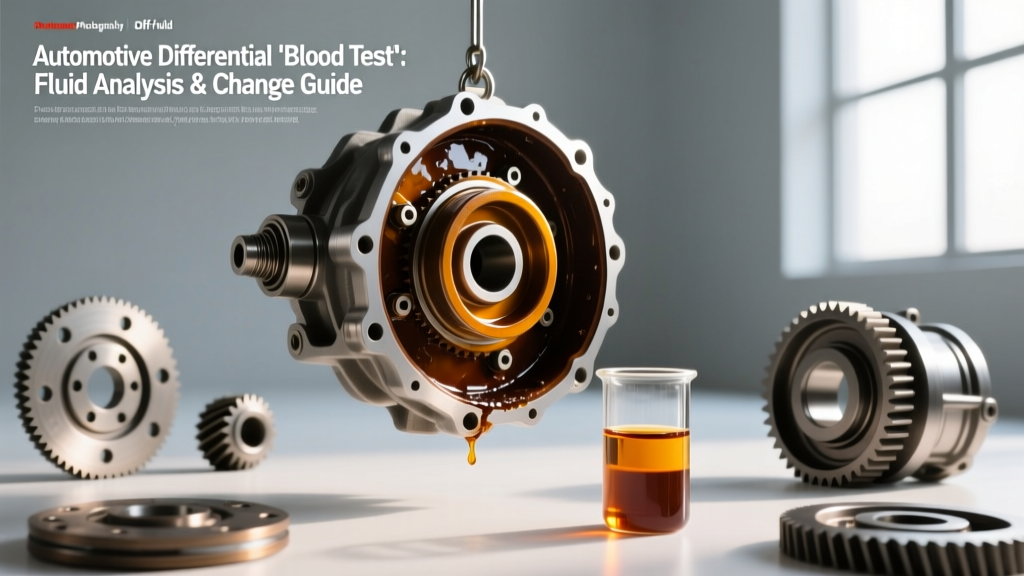
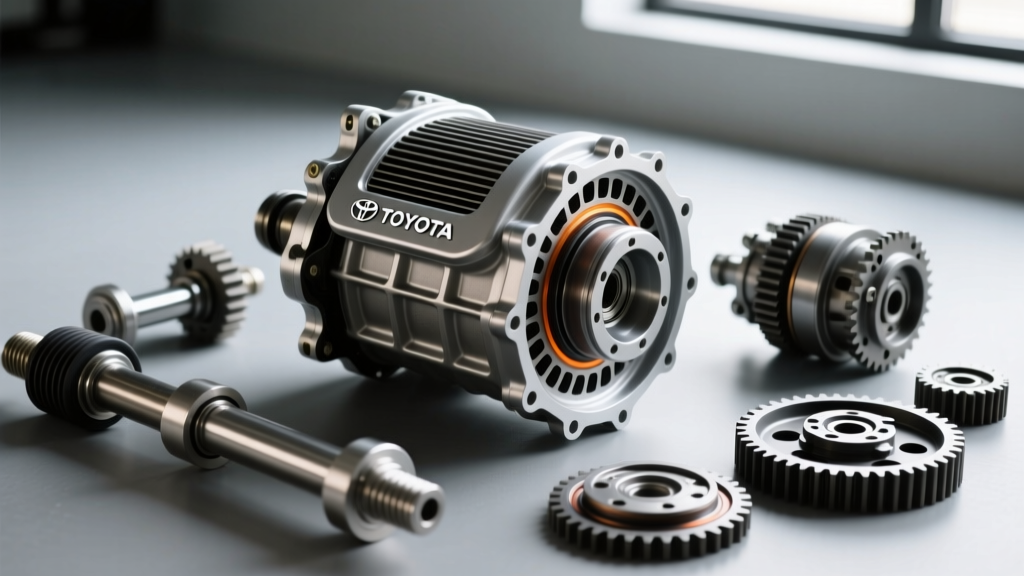
When pushing a Toyota Tacoma beyond its factory towing limits or subjecting it to sustained off-road crawling, the drivetrain generates immense parasitic heat. The third-generation Tacoma utilizes a robust 8.75-inch rear differential and an 8-inch front differential. While these axles are mechanically stout, their thermal management from the factory is surprisingly rudimentary. The stock rear differential cover is a simple stamped steel pan that acts as a minimal heat sink. Under heavy loads, such as pulling a 5,000-pound trailer up a sustained grade, the ring and pinion gears generate friction that rapidly transfers into the gear oil. Understanding the thermal limits of this system is the first step in recognizing why an upgraded cooling cover is not just an aesthetic modification, but a critical drivetrain preservation tool.
Why Stock Covers Fail Under Thermal Load
The OEM Toyota rear differential cover provides just enough fluid retention and splash protection for standard highway driving. However, stamped steel has a relatively low thermal conductivity rating compared to cast aluminum. Furthermore, the stock cover lacks external surface area. Heat dissipation in a differential relies heavily on convective cooling—air passing over the exterior of the housing to pull heat away from the fluid. Because the stock cover is smooth and shallow, it traps heat inside the axle housing. This creates a localized thermal bottleneck right where the ring gear meshes with the pinion gear, which is the exact location where the highest friction and heat generation occur.
Gear Oil Degradation: The 250°F Threshold
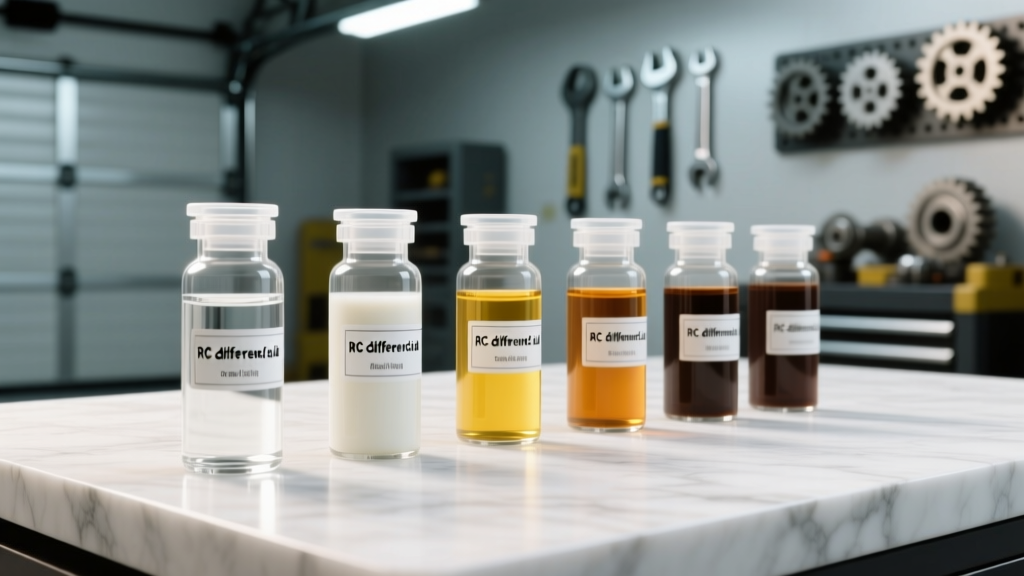
Understanding why tacoma differential fluid requires external cooling means examining the chemical limits of GL-5 gear oils. Most factory-fill and standard aftermarket 75W-85 or 75W-90 gear oils rely on sulfur-phosphorus extreme pressure (EP) additives to protect gear teeth under high-load boundary lubrication scenarios. When differential temperatures exceed 250°F, a destructive chain reaction begins.
Viscosity Shear and Additive Dropout
At elevated temperatures, the base oil undergoes viscosity shear, thinning out and failing to maintain the hydrodynamic wedge required to separate the ring and pinion gears. Simultaneously, the EP additives begin to oxidize and precipitate out of the solution, forming sludge and acidic byproducts. This acidic sludge attacks the bronze shims and the bearing cages inside the differential carrier. According to tribology data published by Red Line Synthetic Oil, sustained differential temperatures above 260°F can reduce the operational lifespan of standard synthetic gear oils by up to 70 percent. By installing a finned aluminum cooling cover, you effectively drop the baseline operating temperature, keeping the fluid well within its safe chemical operating window.
OEM vs. Aftermarket Cooling Covers: A Technical Comparison
Upgrading to an aftermarket cooling cover involves replacing the stamped steel pan with a deep-sump, finned aluminum casting. These covers are typically poured from A356-T6 aerospace-grade aluminum, which offers vastly superior thermal conductivity. The external fins increase the surface area exposed to ambient airflow, dramatically improving convective heat transfer.
| Specification | OEM Stamped Steel Cover | Aftermarket Finned Aluminum Cover |
|---|---|---|
| Material | Stamped Low-Carbon Steel | A356-T6 Cast Aluminum |
| Fluid Capacity (Rear 8.75-inch) | 3.2 Liters (3.38 Quarts) | 3.8 to 4.2 Liters (4.0 to 4.4 Quarts) |
| External Surface Area | Minimal (Smooth Contour) | High (Deep Vertical Fins) |
| Thermal Conductivity | ~50 W/m-K | ~150 W/m-K |
| Average Pricing | $65 - $85 (Dealer) | $130 - $220 (Aftermarket) |
The increased fluid capacity is a secondary but vital benefit. More fluid volume means a larger thermal mass, which takes longer to heat up during sustained loads. Brands like Yukon Gear & Axle and PRL Motorsports engineer their covers with internal baffling or extended pickup zones to ensure the ring gear continuously bathes in the cooler, deeper fluid pool.
Step-by-Step Installation and Torque Specifications
Installing a cooling cover is a straightforward procedure, but improper sealing or torquing can lead to catastrophic fluid leaks or warped housing faces. The 8.75-inch Tacoma rear differential uses M8x1.25 flange bolts to secure the cover.
Required Tools and Materials
- 12mm socket and 1/4-inch drive torque wrench
- 24mm socket for drain and fill plugs
- Plastic razor blade and brake cleaner
- Permatex Ultra Black RTV Silicone or Toyota Genuine FIPG (Part #00295-00103)
- 4 Quarts of high-quality 75W-90 GL-5 synthetic gear oil
- Replacement aluminum crush washers for drain/fill plugs
Removal and Surface Preparation
Begin by removing the 24mm fill plug first. This is a critical step; if the fill plug is seized and you drain the fluid first, you will be stranded with an empty differential. Once the fill plug is loose, remove the 24mm drain plug and allow the old fluid to evacuate. Next, remove the twelve 12mm cover bolts. Carefully pry the stock cover off using a flathead screwdriver wrapped in a shop towel to avoid gouging the soft aluminum mating surface of the axle housing. Scrape away all old RTV or FIPG residue using a plastic razor blade, then wipe the mating surface with brake cleaner until it is completely free of oil.
RTV Application and Torque Sequence
Apply a continuous 2mm bead of RTV silicone to the mating flange of the new aluminum cover. Ensure you circle the bolt holes completely to prevent capillary leaks. Let the RTV skin over for 10 to 15 minutes before mating it to the housing. Hand-thread the bolts to avoid cross-threading the aluminum housing. Using your torque wrench, tighten the bolts in a crisscross star pattern to ensure even clamping force. The factory torque specification for the Tacoma 8.75-inch rear differential cover bolts is 27 ft-lbs (37 Nm). Do not exceed this spec, as over-torquing can strip the threads in the cast iron or aluminum housing. Reinstall the drain and fill plugs with new crush washers, torquing them to 36 ft-lbs (49 Nm).
Selecting the Right Tacoma Differential Fluid for High-Heat Setups
An upgraded cooling cover maximizes the efficiency of the fluid inside it. For heavily loaded Tacomas, standard petroleum-based oils are insufficient. You must select a full synthetic tacoma differential fluid with a high viscosity index and robust EP additive package. While the factory recommends 75W-85 for fuel economy, a true 75W-90 GL-5 synthetic provides a thicker protective film at high temperatures. Products like AMSOIL Severe Gear 75W-90 are engineered with proprietary synthetic base stocks that resist viscosity shear even when ambient differential temperatures spike. When paired with a finned aluminum cover, a premium 75W-90 synthetic can easily extend differential service intervals from the factory-recommended 30,000 miles under severe conditions to over 60,000 miles.
Real-World Temperature Delta Data
Thermal testing on heavily loaded 4x4 trucks consistently demonstrates that upgrading from a smooth stamped steel cover to a deep-sump finned aluminum cover reduces steady-state differential operating temperatures by 15°F to 25°F under identical load and ambient conditions.
This temperature delta is the difference between gear oil maintaining its structural integrity and gear oil oxidizing into acidic sludge. By lowering the baseline temperature, the cooling cover prevents the fluid from crossing the 250°F thermal degradation threshold during steep, low-speed climbs or high-speed highway towing. Ultimately, investing in a high-quality differential cooling cover and pairing it with a severe-duty synthetic gear oil is one of the most cost-effective insurance policies you can buy for your Tacoma drivetrain, ensuring the ring and pinion gears survive the most punishing environments.