The AAM 9.25 IFS Axle: Understanding Your Ram 1500 Front Differential
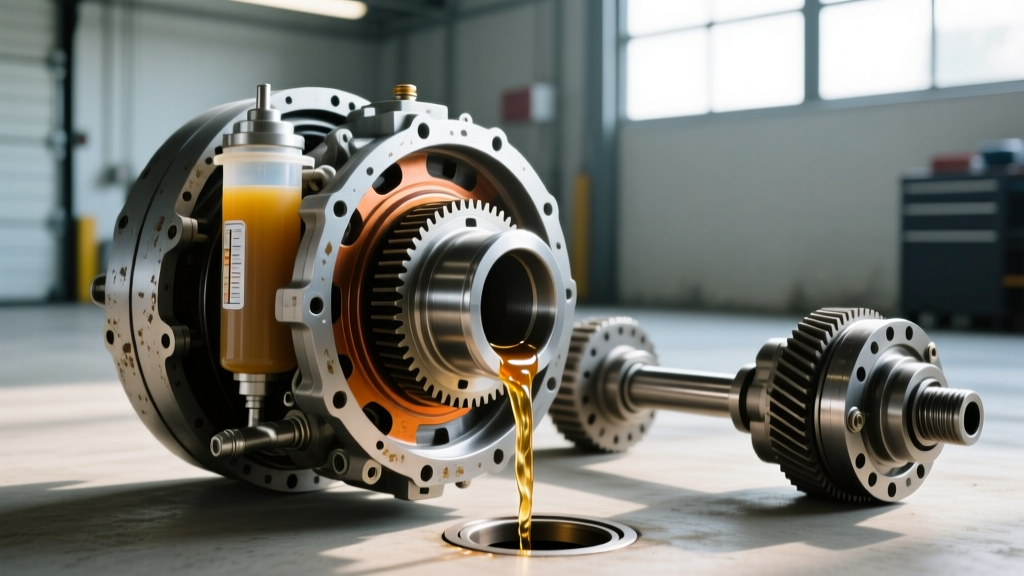
The Ram 1500 remains a dominant force in the full-size truck segment, and its 4x4 variants rely heavily on the robust AAM (American Axle & Manufacturing) 9.25-inch Independent Front Suspension (IFS) front differential. Whether you are navigating rugged terrain in a Rebel or daily driving a Laramie, the front axle endures immense stress, especially when paired with the high-torque output of the Cummins diesel or the 5.7L/6.4L Hemi V8s mated to the ZF 8HP transmission. As we move through 2026, a massive wave of 2016–2023 model year trucks are crossing the 100,000-mile threshold, making Ram 1500 front differential bearing and seal replacement a highly relevant and critical maintenance procedure.
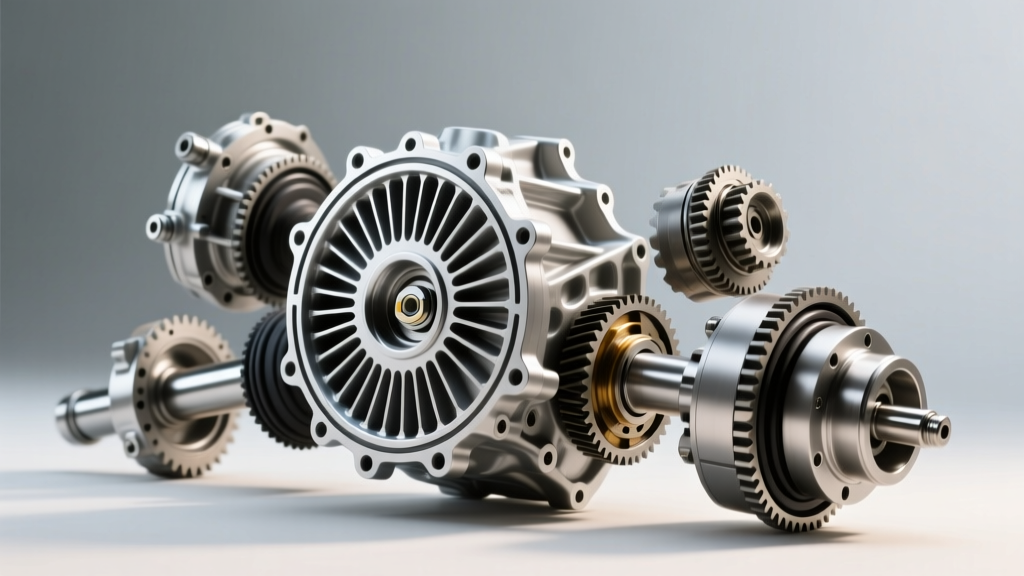
Unlike a traditional solid front axle, the AAM 9.25 IFS unit integrates a Central Axle Disconnect (CAD) system on the passenger side. This complexity introduces unique failure points, specifically regarding the CAD shift collar seals and the intermediate shaft bearings. In this expert guide, we will bypass the generic forum advice and dive deep into the precise teardown, bearing preload specifications, and seal replacement protocols required to restore your front differential to factory silence and reliability.
Diagnosing the Failure: Seal Weeps vs. Bearing Whine
Before unbolting the front driveshaft, accurate diagnosis is paramount. Misdiagnosing a transfer case output shaft seal leak as a front pinion seal leak is a common and costly mistake. Here is how to isolate the exact failure mode on the AAM 9.25 IFS:
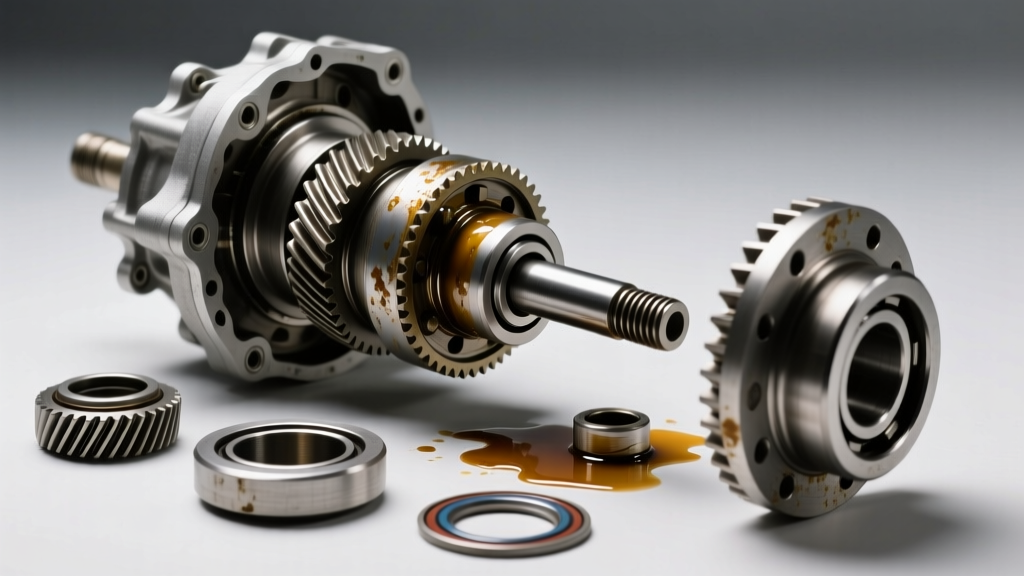
- Pinion Seal Leak: Look for gear oil slung radially from the front yoke, coating the underside of the engine skid plate and the front driveshaft. This indicates the main pinion seal (located behind the yoke) has hardened or the yoke sealing surface has grooved.
- CAD Housing / Passenger Axle Seal Leak: If fluid is pooling near the passenger-side inner CV joint or dripping from the aluminum CAD housing, the internal shift fork seal or the intermediate shaft seal has failed. This requires dropping the entire CAD housing assembly.
- Pinion Bearing Failure (Whine): A worn pinion bearing typically whines on deceleration (coasting) or during light throttle application. If the noise changes pitch precisely at 45-55 mph and disappears when you shift the BorgWarner transfer case into Neutral, the front pinion or carrier bearings are pitted.
- Carrier Bearing Failure (Howl): A low-frequency howl that correlates directly with vehicle speed, regardless of throttle position, usually points to the carrier bearings or excessive ring-and-pinion backlash.
Required Tooling and OEM/Aftermarket Part Matrix
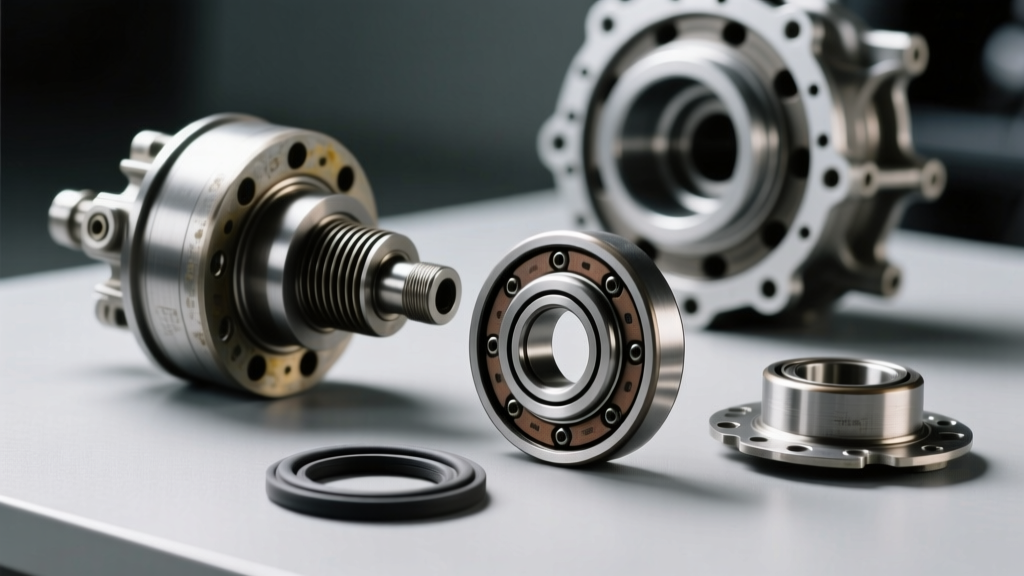
Executing a proper Ram 1500 front differential rebuild requires more than a standard socket set. You will need an inch-pound beam torque wrench (for bearing preload), a dial indicator with a magnetic base (for gear runout), and a specialized pinion seal puller. Below is the definitive part matrix for the AAM 9.25 IFS front axle.
| Component | OEM / Mopar Reference | Premium Aftermarket (Timken / SKF) | Notes / Expert Tips |
|---|---|---|---|
| Front Pinion Seal | Mopar 052098966AB | Timken 710985 / SKF 22348 | Inspect yoke for grooves; use a speedi-sleeve if scored. |
| CAD Housing Seal Kit | Mopar 052098950AB | aftermarket CAD rebuild kits | Replace the plastic shift collar if worn. |
| Pinion Bearing Kit (Cone & Cup) | Mopar 052098960AB | Timken SET 1035 | Always replace both inner and outer races. |
| Carrier Bearing Kit | Mopar 052098962AB | Timken SET 1036 | Requires a 3-jaw puller and bearing splitter. |
| Solid Pinion Spacer Kit | N/A (Aftermarket Upgrade) | Ratech 4119 (or equiv.) | Eliminates crush sleeve; highly recommended for towing. |
For authoritative part cross-referencing and metallurgical specifications, technicians frequently consult Timken Automotive's engineering catalogs and SKF Automotive's seal database to ensure exact dimensional matches for the AAM 9.25 housing.
Teardown Best Practices: Navigating the CAD Housing
The most intimidating aspect of the Ram 1500 front differential service is the passenger-side Central Axle Disconnect (CAD). The CAD housing is made of cast aluminum and is brittle when cold or subjected to prying. Never use a flathead screwdriver to separate the CAD housing from the main differential carrier.
- Fluid Drain & Skid Removal: Remove the 3/8-inch hex fill plug first (if it won't open, do not drain the fluid). Once confirmed, remove the drain plug and allow the 1.7 pints of gear oil to evacuate. Drop the front skid plate and crossmember.
- Disconnect & Unbolt: Unbolt the front driveshaft from the pinion yoke and secure it out of the way. Disconnect the CAD actuator motor wiring harness and unbolt the passenger-side inner axle shaft.
- CAD Housing Extraction: Remove the perimeter bolts securing the CAD housing to the carrier. Use a dead-blow hammer to gently tap the housing outward. Once removed, inspect the shift fork pads and the internal collar. If the collar is grooved, the new seal will leak within 5,000 miles. Replace the collar and fork assembly as a unit.
- Pinion Yoke Removal: Mark the yoke to the pinion shaft with a center punch. Use an impact wrench to remove the pinion nut. Note: If you are reusing a crush sleeve, the nut must be replaced. If upgrading to a solid spacer, retain the nut but use a new washer.
Precision Reassembly: Bearing Preload and Torque Specs
Setting the pinion bearing preload is where amateur rebuilds fail. The AAM 9.25 requires a specific rotational torque to ensure the bearings are neither too loose (causing gear slap and whine) nor too tight (causing rapid overheating and bearing seizure).
Upgrading to a Solid Pinion Spacer
From the factory, the Ram 1500 uses a crush sleeve to set pinion preload. Under heavy towing or off-road shock loads, these sleeves can over-crush, leading to a loss of preload and catastrophic pinion bearing failure. We strongly recommend installing a solid pinion spacer kit with shims. This requires pressing the inner pinion bearing, measuring the depth with a pinion depth gauge, and selecting the exact shim thickness (usually between 0.060" and 0.085") to achieve the correct gear mesh pattern before setting the preload.
Critical Torque Specifications
When reassembling the differential carrier and pinion assembly, adhere strictly to these AAM specifications:
- Pinion Bearing Preload (Rotational Torque): 15 to 25 inch-pounds (measured with an inch-pound beam wrench while rotating the pinion yoke). This is for new bearings only.
- Pinion Nut Torque (Solid Spacer): 250 to 275 ft-lbs. Apply red Loctite 271 to the threads.
- Ring Gear Bolts: 125 ft-lbs. Use a star pattern and apply Red Loctite. Never reuse stretched OEM ring gear bolts.
- Carrier Bearing Cap Bolts: 90 ft-lbs. Ensure the bearing caps are installed in their exact original orientation (marked during teardown) to maintain housing bore alignment.
- CAD Housing Perimeter Bolts: 35 ft-lbs. Do not overtighten; the aluminum threads strip easily.
- Front Axle Shaft Nut (Hub): 175 ft-lbs.
For OEM torque verification and fluid part numbers, the official Mopar parts portal remains the gold standard for Stellantis drivetrain documentation.
Fluid Selection, Fill, and Post-Service Validation
The AAM 9.25 IFS front differential requires exactly 1.7 pints (0.8 Liters) of gear lubricant. While older manuals sometimes referenced 75W-90, modern Ram 1500 specifications call for 75W-85 Synthetic API GL-5 Gear Lubricant (Mopar Part # 68218655AB or equivalent). The slightly lower viscosity of the 75W-85 reduces parasitic drag, improving fuel economy and ensuring rapid lubrication flow to the pinion bearings during cold-start 4WD engagements.
The Fill Protocol: Filling the front diff can be frustrating due to the angled housing. Use a high-quality pneumatic or manual fluid transfer pump. Pump the fluid into the fill hole until it reaches the exact bottom edge of the fill plug threads. Install the fill plug and torque it to 25 ft-lbs. Do not use Teflon tape on the fill plug; the threads are tapered (NPT-style) and designed to seal metal-to-metal or with a specific thread sealant.
Validation Test Drive: After reassembly, perform a 15-mile test drive in 2WD to allow the new bearings to seat and the gear oil to reach operating temperature. Use an infrared thermometer to check the pinion yoke area; it should not exceed 160°F (71°C) above ambient temperature. Finally, engage 4WD High on a loose surface (gravel or snow) to cycle the CAD actuator and verify that the passenger-side axle engages smoothly without grinding, confirming a successful Ram 1500 front differential bearing and seal replacement.