The Drivetrain Trio: How Your Tacoma's Gears Talk to Each Other
When you slide behind the wheel of a 4WD truck, it is easy to think of the front axle, rear axle, and transfer case as three separate, isolated components. In reality, they are a tightly coupled mechanical ecosystem. For owners researching 2019 Tacoma differential fluid maintenance, understanding the relationship between the transfer case and the differentials is the difference between a truck that survives 200,000 miles of abuse and one that requires a $4,000 drivetrain rebuild.
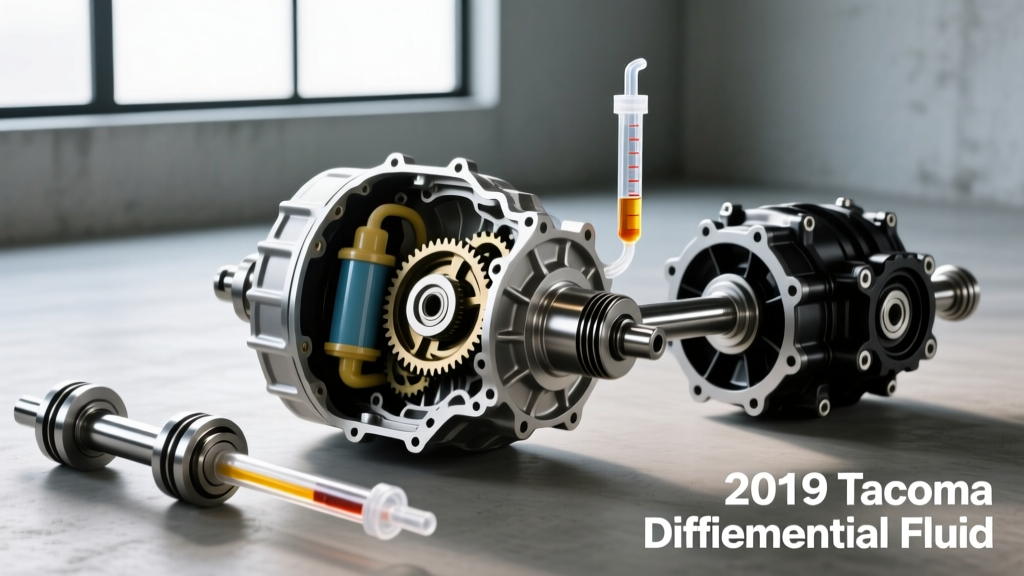
Think of your 2019 Toyota Tacoma’s drivetrain like a relay team. The transmission hands the torque baton to the transfer case (the team captain), which splits the load and passes it to the front and rear differentials. If the transfer case fluid degrades and causes internal binding or chain stretch, the resulting shock loads do not just stay in the transfer case—they travel down the driveshafts and slam directly into the ring and pinion gears of your axles. Conversely, if a rear differential runs low on fluid and binds, the rotational resistance sends violent feedback through the driveshaft, accelerating wear on the transfer case output shaft bearings.
Why the Transfer Case and Differentials Are a Package Deal
The 2019 Tacoma (part of the third-generation N300 platform) utilizes a chain-driven transfer case (typically the VF4B for part-time 4WD models like the TRD Off-Road). This transfer case relies on a specific viscosity of gear oil to lubricate the drive chain, the shift fork rails, and the output shaft bearings.
When you engage 4WD, the transfer case locks the front and rear output shafts together. This means the front and rear differentials must turn at the exact same speed. If your 2019 Tacoma differential fluid is neglected, the hypoid gears inside the axles generate excessive heat and friction. Because the transfer case is mechanically locked to these axles in 4-High or 4-Low, it is forced to absorb the harmonic vibrations and thermal expansion caused by the failing axle fluid. Servicing these components as a unified system—not just checking off boxes on a maintenance spreadsheet—is critical for off-road longevity.
The Chemistry of GL-5 and Hypoid Gear Protection
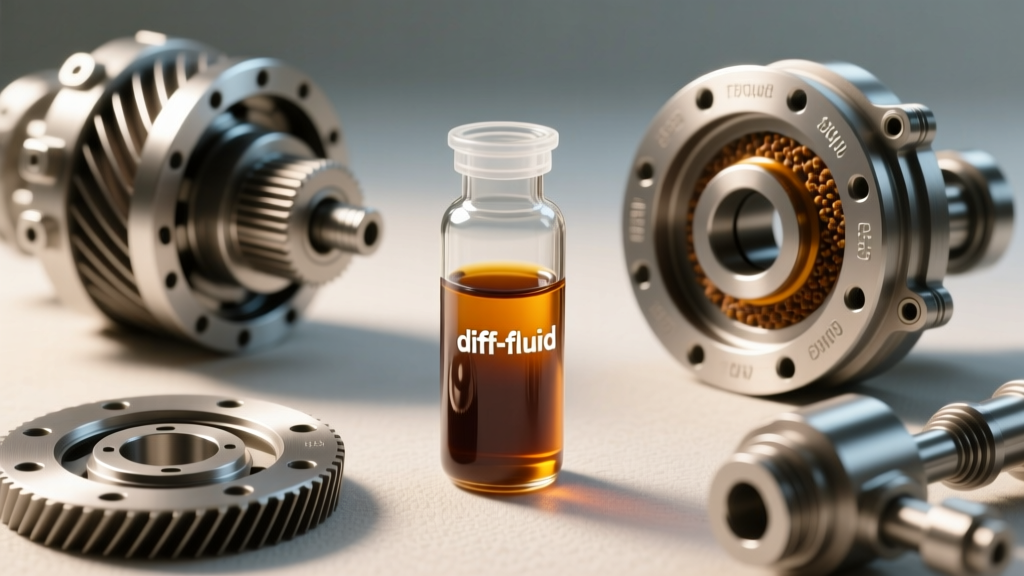
Both the differentials and the transfer case in the 2019 Tacoma rely on the extreme pressure (EP) additives found in GL-5 gear oil. According to the Red Line Oil Gear Oil Technical Guide, GL-5 fluids contain high levels of zinc and phosphorus. These additives create a sacrificial chemical film on the metal surfaces of the hypoid ring and pinion gears, preventing metal-on-metal contact under the immense sliding friction of heavy towing or rock crawling.
Expert Warning: Never substitute GL-4 fluid in your Tacoma's differentials or transfer case. GL-4 lacks the necessary EP additives for hypoid gear sets and will lead to rapid, catastrophic gear wear under heavy loads.
2019 Tacoma Drivetrain Fluid Specs & Torque Data
Before you crawl under your truck, you need the exact specifications. The third-generation Tacoma uses a highly specific 75W-85 GL-5 gear oil across the entire drivetrain to maximize fuel efficiency without sacrificing shear stability. Below is the master data table for the 2019 model year.
| Component | Fluid Specification | Capacity (Approx.) | Drain Plug Torque | Fill Plug Torque |
|---|---|---|---|---|
| Rear Differential (8-inch / 8.75-inch) | 75W-85 GL-5 Gear Oil | 3.2 Quarts (3.0 L) | 29 lb-ft (39 Nm) | 29 lb-ft (39 Nm) |
| Front Differential (8-inch / 8.75-inch) | 75W-85 GL-5 Gear Oil | 1.6 Quarts (1.5 L) | 29 lb-ft (39 Nm) | 29 lb-ft (39 Nm) |
| Transfer Case (VF4B) | 75W-85 GL-5 Gear Oil | 1.6 Quarts (1.5 L) | 29 lb-ft (39 Nm) | 29 lb-ft (39 Nm) |
Note: Capacities are for a standard drain and fill. Dry fills after a complete rebuild will require more fluid. Always verify levels via the fill plug hole.
The Golden Rule of Drivetrain Service: Fill First
If you take only one piece of advice from this guide, let it be this: Always remove the fill plug before you remove the drain plug.
Every year, beginners drain the gear oil from their Tacoma’s transfer case or differentials, only to discover that the fill plug is seized, stripped, or welded shut by years of heat cycling and corrosion. If you cannot open the fill hole, you have just grounded your vehicle. By verifying the fill plug loosens first, you guarantee that you can actually refill the component after the old fluid drains out.
Tool Requirements for the 2019 Tacoma
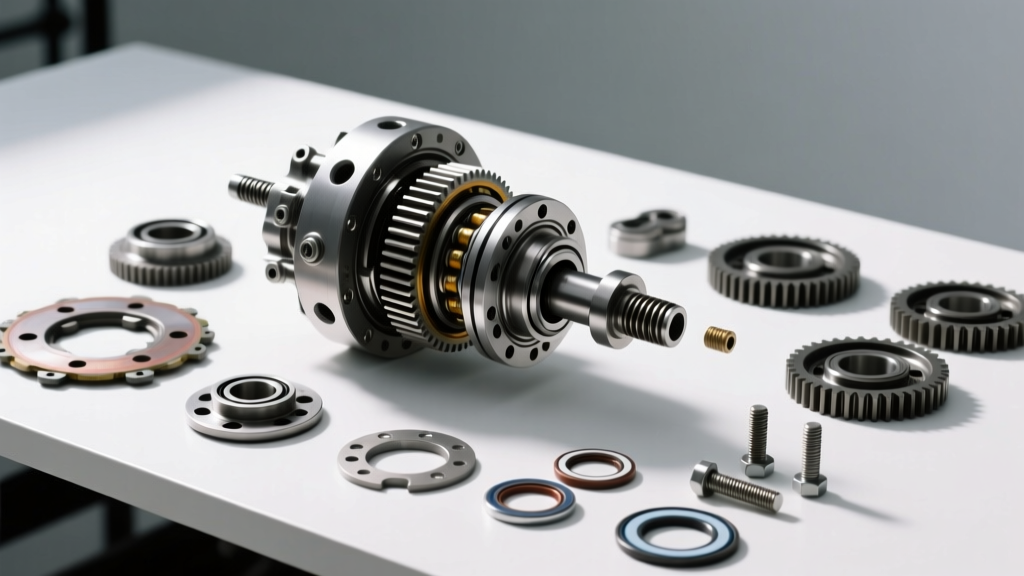
Toyota uses a mix of fastener styles on the third-generation Tacoma drivetrain. To service the entire system, you will need:
- 10mm Hex (Allen) Bit: Required for the front differential drain/fill plugs and the transfer case plugs.
- 24mm Socket or Wrench: Required for the rear differential fill plug.
- 18mm or 24mm Socket: Required for the rear differential drain plug (size varies slightly depending on if you have the standard open diff or the TRD electronic locker).
- Fluid Transfer Pump: Essential for pushing gear oil up into the tight spaces of the front diff and transfer case.
The TRD Locker Nuance: Do You Need a Friction Modifier?
A common point of confusion for beginners referencing the official Toyota Owners Manuals is the use of limited-slip friction modifiers. In older trucks with clutch-type limited-slip differentials (LSD), adding a friction modifier was mandatory to prevent the clutch packs from chattering and binding during tight turns.
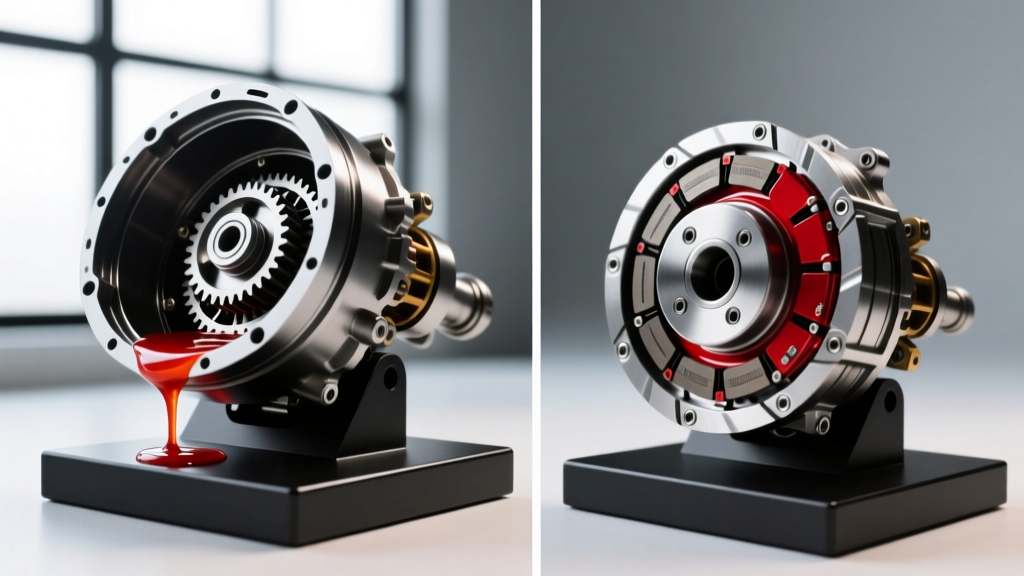
However, if your 2019 Tacoma is a TRD Off-Road or TRD Pro model equipped with the electronic locking rear differential, you do not need a friction modifier. The electronic locker uses a dog-clutch mechanism that completely locks the axles together when engaged, and acts as a standard open differential when disengaged. Adding a friction modifier to an electronic locker or an open differential is a waste of money and can actually reduce the extreme-pressure protection of the GL-5 fluid. Only use modifiers if your specific build includes an aftermarket clutch-type LSD (like an Eaton Truetrac or Auburn Gear unit).
Real-World Costs and Maintenance Intervals
Toyota’s maintenance schedule often labels drivetrain fluids as 'lifetime' or recommends inspection only under severe use. In the real world, 'lifetime' simply means 'the lifetime of the warranty.' For a truck that sees dirt roads, towing, or water crossings, heat and moisture will degrade the GL-5 additives long before the truck dies.
DIY vs. Dealership Pricing
- Dealership Service: Expect to pay between $350 and $550 to have a dealer drain and fill the front diff, rear diff, and transfer case. This high cost is driven by labor rates and shop markups on fluid.
- DIY Cost: You will need roughly 7 quarts of 75W-85 GL-5 gear oil (Toyota Genuine Part # 08885-81080 or a high-quality synthetic equivalent like Amsoil Severe Gear). At roughly $12 to $18 per quart, plus a $15 fluid pump and $10 in crush washers/O-rings, your total out-of-pocket cost will be between $110 and $145.
Recommended Service Intervals
For a daily-driven 2019 Tacoma that stays on the pavement, changing the differential and transfer case fluid every 60,000 miles is a safe, conservative interval. If you regularly tow trailers over 3,000 lbs, navigate deep mud, or submerge your axles in water during off-road trails, you should shorten that interval to 30,000 miles. Water ingress past the axle seals will turn your gear oil into a milky, chocolate-milk sludge that offers zero protection against gear wear.
Final Thoughts on Drivetrain Harmony
Maintaining your 2019 Tacoma’s drivetrain is not just about swapping out old oil; it is about preserving the mechanical harmony between the transfer case and the axles. By using the correct 75W-85 GL-5 fluid, adhering to strict 29 lb-ft torque specs, and understanding how these components share the burden of moving your truck, you ensure that your Tacoma remains capable, reliable, and ready for whatever the trail throws at it. Grab your 10mm hex bit, verify your fill plugs, and give your drivetrain the lifeblood it deserves.